How to Treat Sleepwalking: Comprehensive Clinical Approaches and Management Strategies
Treating sleepwalking involves a combination of improving sleep hygiene, addressing underlying medical or psychological triggers, ensuring home safety to prevent injury, and occasionally utilizing pharmacological or behavioral interven...
Treating sleepwalking involves a combination of improving sleep hygiene, addressing underlying medical or psychological triggers, ensuring home safety to prevent injury, and occasionally utilizing pharmacological or behavioral interventions prescribed by a sleep medicine specialist.
Contents
Sleepwalking, clinically known as somnambulism, is a parasomnia that occurs during deep, non-rapid eye movement (NREM) sleep. It typically manifests as complex motor behaviors—ranging from simply sitting up and looking around to walking aimlessly, rearranging objects, or even leaving the home—while the individual remains largely unresponsive and has little to no memory of the event the following morning. While common in children, adult-onset sleepwalking or persistent childhood sleepwalking requires a structured medical approach to diagnosis and treatment. This guide explores the multifaceted strategies clinicians and patients use to manage and treat sleepwalking safely.
Understanding the Nature of Sleepwalking
Before implementing a treatment protocol, it is essential to understand what triggers sleepwalking episodes. Somnambulism is fundamentally a disorder of arousal. It happens when an individual is transitionally stuck between deep slow-wave sleep and wakefulness. The motor cortex becomes partially active, allowing the body to move, while the higher cognitive centers of the cerebral cortex remain asleep.
Triggers often include sleep deprivation, erratic sleep schedules, fever, acute stress, alcohol consumption, and certain medications. Furthermore, genetic predisposition plays a significant role; individuals with a family history of parasomnias are significantly more likely to experience sleepwalking. Identifying these triggers is the first step toward effective management, as modifying environmental and behavioral factors can dramatically reduce episode frequency.
Environmental Safety and Home Modifications
Because sleepwalkers are essentially asleep while navigating their surroundings, physical safety is the immediate priority in any treatment plan. Accidental injuries resulting from falls, tripping over furniture, wandering outside, or manipulating hazardous objects pose severe risks.
To establish a safe sleep environment, caregivers and patients should implement specific architectural and behavioral safeguards:
- Secure Doors and Windows: Install high-mounted deadbolts, secondary locks, or window alarms to prevent the sleepwalker from leaving the house or wandering onto balconies.
- Remove Hazards: Clear hallways and bedrooms of sharp objects, breakable glassware, electrical cords, and loose rugs that could cause trips and falls.
- Opt for Ground-Floor Bedrooms: If the residence has multiple stories, relocate the sleepwalker’s bedroom to the ground floor to eliminate the danger of falling down staircases. Install secure baby gates at the top of stairs if relocation is impossible.
- Conceal Keys: Keep car keys, kitchen knives, and firearms locked securely away from the bedroom area.
It is a persistent myth that waking a sleepwalker is dangerous; it will not cause a heart attack or plunge them into a coma. However, waking them can startle or disorient them, occasionally provoking a defensive reaction. Instead of forcefully shaking them, gently guide the individual back to bed using a calm, soothing voice.
Behavioral and Lifestyle Interventions
For many individuals, lifestyle modifications alone are sufficient to control and eliminate sleepwalking episodes. These strategies focus on stabilizing the sleep-wake cycle and minimizing physiological stress on the central nervous system.
Sleep Hygiene Optimization
Chronic sleep deprivation is one of the most potent catalysts for slow-wave sleep disruptions. Establishing a rigid, consistent sleep schedule by going to bed and waking up at the exact same time every day—even on weekends—helps regulate sleep architecture. Adults generally require seven to nine hours of quality sleep per night.
Scheduled Awakenings
For children or adults who experience sleepwalking episodes at predictable times during the night (often within one to two hours of falling asleep), scheduled awakenings can be highly effective. A caregiver or partner wakes the individual roughly 15 to 30 minutes before the typical window of the episode, keeping them fully awake for a few minutes before letting them return to sleep. This disrupts the deep sleep cycle just enough to prevent the arousal transition that triggers somnambulism.
Stress Reduction and Relaxation
Anxiety and psychological stress heighten autonomic nervous system arousal. Incorporating cognitive behavioral therapy (CBT), mindfulness practices, progressive muscle relaxation, or yoga into a daily routine can lower baseline anxiety and reduce parasomnia frequency.
Medical Evaluation and Addressing Underlying Triggers
When behavioral modifications fail to curb sleepwalking, or if episodes become violent, frequent, or injurious, a comprehensive evaluation by a qualified physician or sleep specialist is mandatory.
A medical workup typically involves a detailed sleep history, physical examination, and potentially a polysomnography (overnight sleep study) or video-EEG monitoring. The primary goal of clinical evaluation is to rule out medical mimics of sleepwalking, such as:
- Nocturnal Frontal Lobe Epilepsy: Seizures originating in the frontal lobe can manifest as complex motor behaviors during sleep that closely resemble somnambulism.
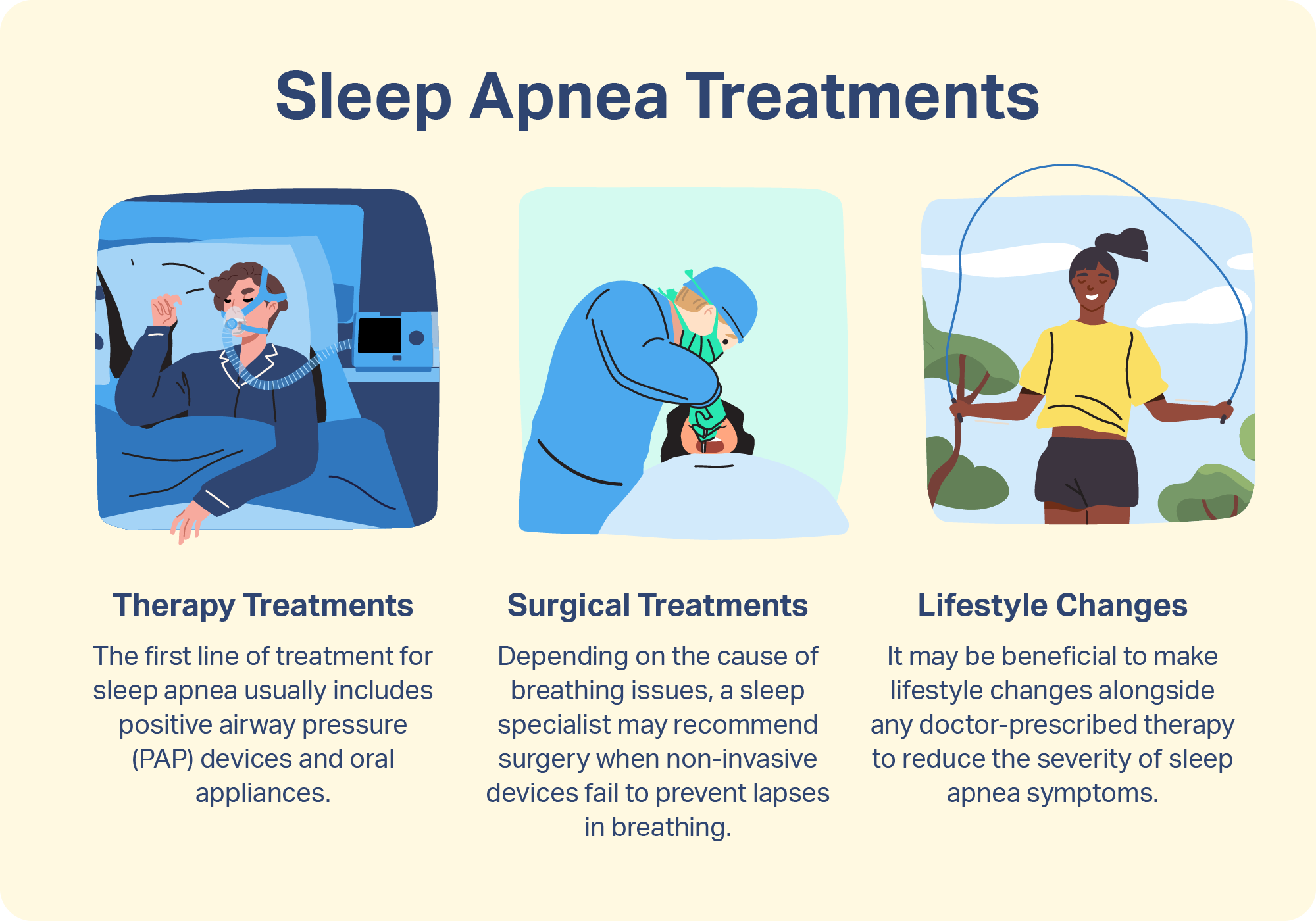
- Obstructive Sleep Apnea (OSA): Upper airway collapses during sleep cause micro-arousals that can precipitate parasomnias. Treating OSA with Continuous Positive Airway Pressure (CPAP) therapy frequently resolves secondary sleepwalking.
- Restless Legs Syndrome (RLS) and Periodic Limb Movement Disorder (PLMD): These motor disorders disrupt sleep continuity and can trigger arousal parasomnias.
- Medication-Induced Parasomnias: Certain sedative-hypnotics, psychiatric medications (such as selective serotonin reuptake inhibitors), and over-the-counter sleep aids can induce or exacerbate sleepwalking behaviors.
| Treatment Category | Primary Objective | Key Implementation Steps | Clinical Considerations |
|---|---|---|---|
| Environmental Safety | Prevent physical trauma and wandering | Lock doors/windows, clear clutter, use ground-floor rooms | Essential baseline measure for all patients regardless of severity |
| Sleep Hygiene & Lifestyle | Stabilize sleep architecture and reduce triggers | Consistent sleep schedule, limit alcohol, reduce evening stress | Highly effective for mild-to-moderate pediatric and adult cases |
| Scheduled Awakenings | Disrupt deep NREM sleep prior to episode onset | Wake patient 15–30 mins before typical episode time for 3–4 weeks | Requires consistent nightly participation by a partner or caregiver |
| Medical/Pharmacological | Treat underlying disorders or suppress deep sleep | Polysomnography, CPAP for OSA, low-dose benzodiazepines if necessary | Reserved for frequent, dangerous, or refractory cases under physician supervision |
Pharmacological Treatments
Medication is rarely the first line of defense and is typically reserved for severe, frequent, or potentially dangerous cases of sleepwalking that do not respond to behavioral modifications and safety precautions. Because pharmacological agents carry side effects and dependency risks, they must be managed strictly under the guidance of a sleep specialist.
When medication is indicated, physicians may prescribe:
- Benzodiazepines: Low-dose clonazepam is occasionally used to suppress deep slow-wave sleep, where parasomnias originate. It can reduce the frequency and intensity of episodes.
- Antidepressants: Certain tricyclic antidepressants or SSRIs may be utilized if underlying anxiety, depression, or panic attacks are driving the sleep disturbances.
Patients must never alter their medication dosages or abruptly discontinue prescribed regimens without consulting their treating physician, as rebound parasomnias or withdrawal symptoms can occur.
Frequently Asked Questions
What causes adults to start sleepwalking if they never did as children?
Adult-onset sleepwalking is often triggered by secondary medical or environmental factors rather than idiopathic developmental patterns. Common culprits include severe sleep deprivation, obstructive sleep apnea, underlying neurological conditions, nocturnal seizures, high stress, alcohol use, or the introduction of new medications. A medical evaluation is recommended for new-onset sleepwalking in adulthood.
Is sleepwalking hereditary?
Yes, genetics play a substantial role in parasomnias. Research indicates that if one parent has a history of sleepwalking, their child has roughly a 45% chance of experiencing it. If both parents were sleepwalkers, that probability increases to approximately 60%. This genetic predisposition influences the depth of slow-wave sleep and the brain's arousal thresholds.
Can alcohol or diet trigger sleepwalking episodes?
Alcohol is a well-documented trigger for sleepwalking and other parasomnias. While alcohol may initially sedate the individual and help them fall asleep, it fragments sleep later in the night, leading to intense rebound slow-wave sleep and abrupt, confused arousals. Heavy meals close to bedtime and high caffeine intake can similarly disrupt normal sleep architecture and provoke episodes.
When should someone see a doctor for sleepwalking?
You should consult a healthcare provider or a sleep specialist if sleepwalking episodes occur frequently, put the individual or others at risk of physical injury, begin for the first time in adulthood, involve violent or complex behaviors (such as driving or cooking), or result in extreme daytime fatigue due to disrupted sleep.
Can sleepwalking be completely cured?
In children, sleepwalking is frequently a developmental phase that they naturally outgrow by adolescence as their central nervous system matures. In adults, while it may not always have a permanent "cure," it can be successfully managed and controlled long-term through a combination of rigorous sleep hygiene, environmental safety controls, and the treatment of any underlying sleep disorders or medical triggers.
Recommended Next Steps
If you or a family member are experiencing disruptive or dangerous sleepwalking episodes, begin by auditing your bedroom environment for immediate safety hazards. Concurrently, track your sleep patterns, alcohol intake, and stress levels in a sleep diary for two weeks. Schedule an appointment with a primary care physician or a board-certified sleep medicine specialist to discuss your findings, rule out underlying medical conditions such as sleep apnea or nocturnal epilepsy, and develop a personalized, medically supervised treatment plan.
Image Gallery