Understanding Meghan Markle’s Racial Heritage and Public Identity
Meghan Markle, the Duchess of Sussex, is multiracial, identifying as half-Black and half-white. Her mother, Doria Ragland, is Black, and her father, Thomas Markle Sr., is white. This mixed-race heritage has played a significant role in...
Meghan Markle, the Duchess of Sussex, is multiracial, identifying as half-Black and half-white. Her mother, Doria Ragland, is Black, and her father, Thomas Markle Sr., is white. This mixed-race heritage has played a significant role in public discussions regarding media representation, royal family dynamics, and modern conversations about race and identity.
Contents
Introduction to Meghan Markle’s Heritage and Family Background
The racial identity of Meghan Markle became a prominent point of discussion globally following her relationship and subsequent marriage to Prince Harry. Born Rachel Meghan Markle on August 4, 1981, in Los Angeles, California, she grew up in a diverse urban environment that shaped her worldview. Her mother, Doria Ragland, is an African American social worker and yoga instructor, while her father, Thomas Markle Sr., is a retired television lighting director of Dutch and Irish descent.
For much of her career as an actress—most notably starring in the legal drama series Suits—Markle was often cast in ethnically ambiguous roles. However, upon her entry into the British royal family, her racial background was brought into sharp focus by both international media and the public. Understanding her heritage requires examining her upbringing in Los Angeles, her professional journey in the entertainment industry, and the profound cultural implications of becoming the first mixed-race person to marry a senior member of the British royal family.
Parental Lineage and Early Life in Los Angeles
Meghan Markle’s family background bridges distinct cultural and racial experiences. Growing up in Los Angeles, she was exposed to a multicultural environment that contrasted sharply with the traditional, homogenous image historically associated with the British monarchy.
Doria Ragland: Maternal Influence and African American Heritage
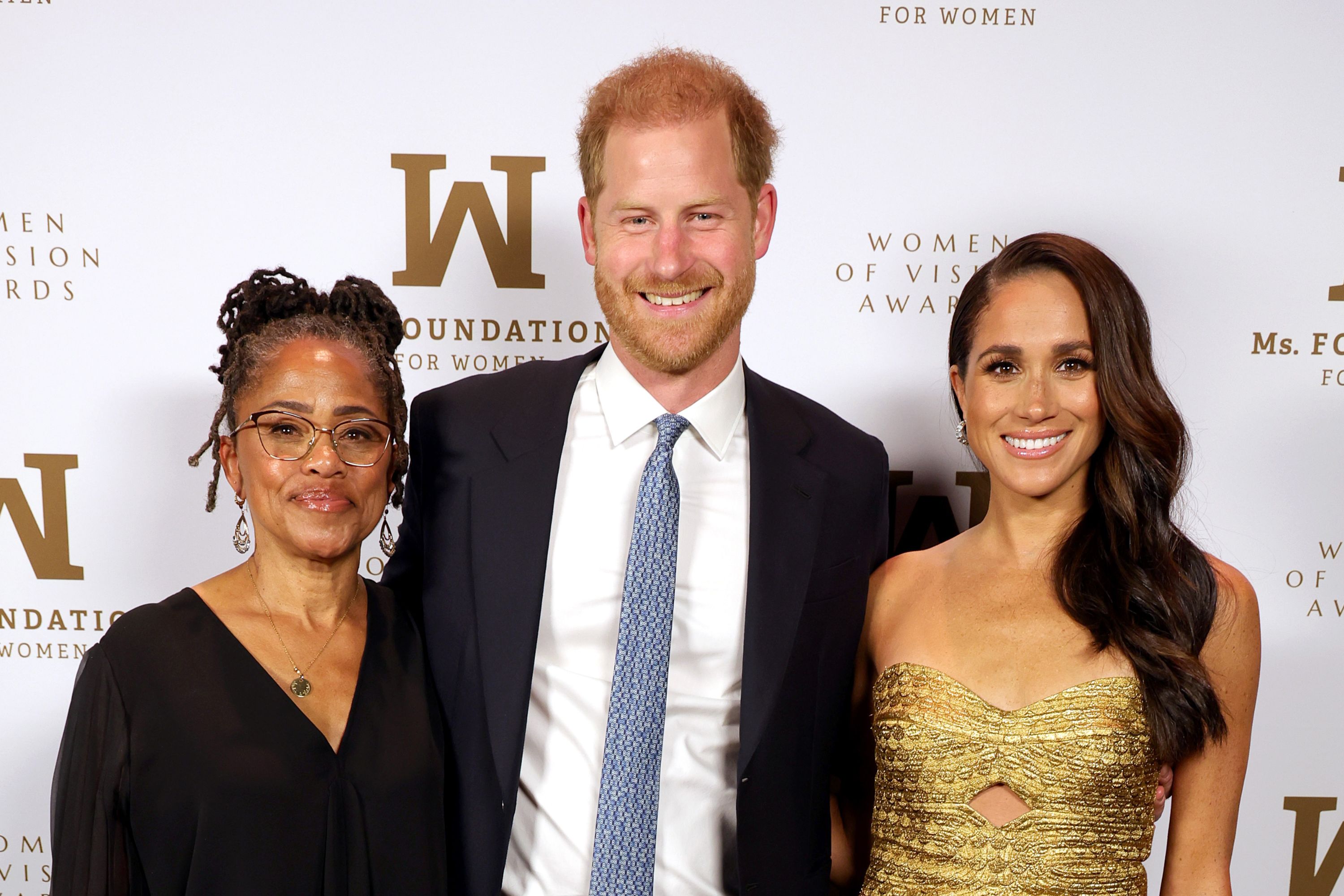
Doria Ragland has been a steady and influential presence throughout Markle’s life. As an African American woman, Ragland instilled a strong sense of cultural awareness and resilience in her daughter. Markle has frequently spoken about her mother with deep admiration, noting how Ragland’s background as a social worker and yoga instructor shaped her values. The bond between mother and daughter was prominently displayed during the 2018 royal wedding, where Ragland was the sole member of Markle's immediate family in attendance.
Thomas Markle Sr.: Paternal Lineage and Entertainment Background
Thomas Markle Sr. worked for decades in Hollywood as a lighting director, exposing young Meghan to the television and film industry from behind the scenes. His ancestry traces back to Europe, giving Markle a mixed-race heritage that combines European and African American lineages. While their relationship has experienced public strain in recent years, his early influence played a role in her initial pursuit of an acting career.
Professional Career and Racial Ambiguity in Hollywood
Before achieving global recognition through her association with the British royal family, Markle navigated the complexities of being a multiracial actress in Hollywood. In a widely read essay published in Elle magazine in 2015, titled "I'm More Than an Oof," Markle detailed the challenges of auditioning for roles in an industry rigidly categorized by race.
She described how casting directors often struggled to categorize her due to her racially ambiguous appearance. She wrote about being "ethnically ambiguous" enough to audition for roles ranging from Latina to African American or Caucasian, yet frequently failing to fit neatly into any single box. This professional journey highlighted the broader systemic challenges faced by actors of color in media, where casting choices often relied on outdated racial stereotypes rather than diverse representation.
| Family Member | Racial/Ethnic Background | Professional Background |
|---|---|---|
| Doria Ragland | African American | Social Worker, Yoga Instructor |
| Thomas Markle Sr. | Caucasian (Dutch, Irish descent) | Television Lighting Director |
| Meghan Markle | Multiracial (Half-Black, Half-White) | Actress, Author, Duchess of Sussex |
Entry into the British Royal Family and Media Scrutiny
When Meghan Markle’s relationship with Prince Harry became public in late 2016, her racial background became a central topic of commentary across British and international media outlets. The marriage marked a historic milestone for the British monarchy, an institution with centuries of deep-rooted traditions rooted in the British aristocracy.
Initial Media Coverage and Tone
While initial coverage celebrated the modernization of the monarchy, certain tabloid headlines and social media commentary drew severe criticism for deploying racially charged tropes. Media watchdogs and anti-racism organizations pointed out double standards in how Markle was treated by the press compared to other members of the royal family. These observations underscored underlying racial tensions within British society and the media landscape.
Institutional Response and Public Statements
In November 2016, Kensington Palace took the unusual step of issuing a formal statement condemning the wave of "abuse and harassment" directed at Markle. The statement explicitly highlighted "the racial undertones of comment pieces" and the outright sexism and racism directed at her across social media and web forums. This rare intervention by the palace signaled the severity of the backlash and the intersection of race, celebrity, and institutional protection.
Stepping Back from Royal Duties and Ongoing Advocacy
In January 2020, Prince Harry and Meghan Markle announced their decision to step back as working members of the British royal family, eventually relocating to Southern California. The transition, often referred to colloquially as "Megxit," brought underlying grievances regarding media treatment, lack of institutional support, and mental health challenges to the forefront.
During a high-profile interview with Oprah Winfrey in March 2021, Markle and Prince Harry discussed the pressures they faced within the royal institution. Among the disclosures, Markle addressed concerns raised within the royal household regarding the potential skin color of their unborn son, Archie. This revelation sparked global conversations about institutional racism, representation, and the modern relevance of monarchies in multicultural societies.
Since establishing Archewell—an organization encompassing non-profit ventures and media production—Markle has continued to engage in philanthropic work focusing on female empowerment, mental health, and racial equity. Her public platform remains a focal point for discussions surrounding multiracial identity in the public eye.
Frequently Asked Questions
What is Meghan Markle's racial background?
Meghan Markle is multiracial, identifying as half-Black and half-white. Her mother, Doria Ragland, is African American, and her father, Thomas Markle Sr., is white.
Why is Meghan Markle's heritage frequently discussed in the media?
As the first mixed-race person to marry a senior member of the British royal family, her heritage intersected with discussions about modern representation, the traditions of the British monarchy, and historical media bias.
How did Meghan Markle describe her experiences as a multiracial actress?
In a 2015 essay for Elle magazine, Markle explained that she often faced challenges in Hollywood because her appearance was "ethnically ambiguous," making it difficult for casting directors to place her into specific racial categories.
What role did Doria Ragland play in Meghan Markle's upbringing?
Doria Ragland raised Markle in Los Angeles, instilling a strong sense of cultural identity and resilience. Ragland has remained a close confidante and was the only member of Markle's immediate family to attend the 2018 royal wedding.
How has Meghan Markle addressed issues of race since stepping back from the royal family?
Through her media projects, public speaking, and philanthropic work with the Archewell Foundation, Markle has consistently advocated for representation, gender equality, and systemic equity.
Conclusion and Next Actions
Meghan Markle’s identity as a half-Black woman navigating elite institutions and global media has redefined contemporary conversations about race, representation, and public scrutiny. For readers seeking a deeper understanding of these dynamics, examining media analysis reports from organizations such as the Reuters Institute for the Study of Journalism or reading academic studies on modern monarchy and media framing provides valuable context. Observers of cultural history can also look to her personal essays and published interviews for firsthand perspectives on navigating multiracial identity in the twenty-first century.
Image Gallery