Understanding the True Value of Mel Gibson: A Comprehensive Artistic and Cultural Evaluation
Understanding the true value of Mel Gibson requires separating a complex cinematic legacy of high-impact filmmaking and technical innovation from decades of intense public controversy and media scrutiny. As both an actor and an Academy...
Understanding the true value of Mel Gibson requires separating a complex cinematic legacy of high-impact filmmaking and technical innovation from decades of intense public controversy and media scrutiny. As both an actor and an Academy Award-winning director, Gibson occupies a unique position in modern Hollywood history, bridging the gap between traditional blockbuster stardom and independent auteur financing.
Contents
The Dual Identity of Mel Gibson: Star Power Versus Auteur Ambition
To evaluate Mel Gibson objectively, one must first recognize the duality of his career. For mainstream audiences rising to prominence in the late 1970s and 1980s, Gibson was primarily a magnetic leading man. He anchored multi-million-dollar studio franchises like Mad Max and Lethal Weapon, establishing a blueprint for the modern action hero defined by vulnerability, physical intensity, and self-deprecating humor.
However, his long-term value to the film industry extends far beyond his box-office draw as an actor. By the mid-1990s, Gibson leveraged his accumulated capital and industry leverage to establish Icon Productions. This independent production company allowed him to finance and produce personal projects that major Hollywood studios routinely rejected due to perceived commercial risks, period settings, or foreign-language requirements.
This shift from hired-gun actor to self-financed director transformed his artistic trajectory. It demonstrated that a major movie star could bypass traditional studio greenlight processes by utilizing international pre-sales, private equity, and personal wealth. This model paved the way for other A-list actors to retain creative control over challenging material.
Directorial Achievements and Technical Innovation
As a director, Gibson’s filmography is remarkably concise yet disproportionately influential. His work behind the camera is characterized by uncompromising visual violence, deep historical or theological engagement, and a rigorous commitment to spatial geography and practical effects.
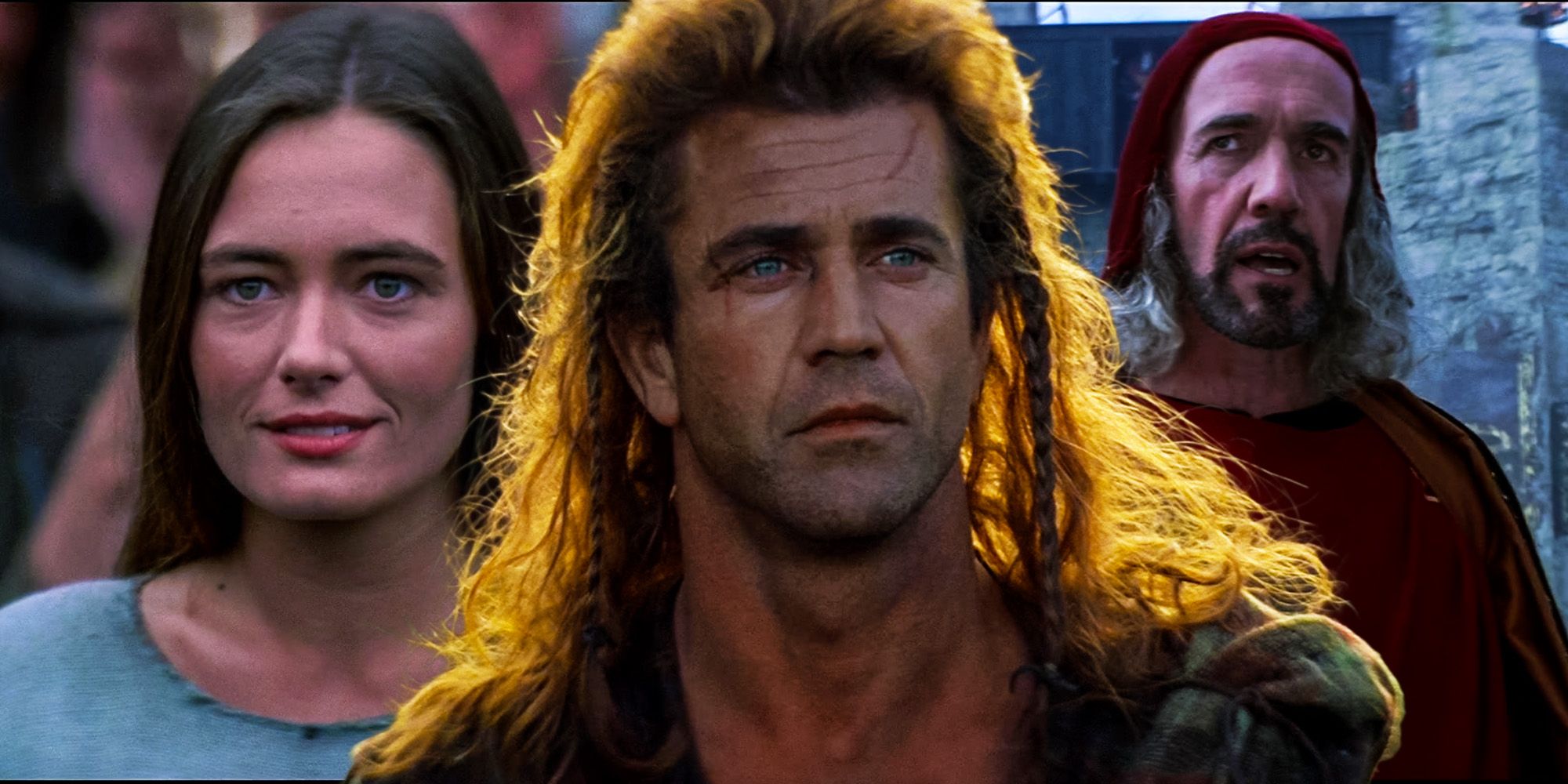
- Braveheart (1995): Winning Academy Awards for Best Director and Best Picture, this historical epic revitalized the dormant sword-and-sandal genre. While frequently criticized by historians for anachronisms and narrative liberties, its battle sequences set a new standard for kinetic, visceral choreography using practical stunt work rather than early digital crowds.
- The Passion of the Christ (2004): Financed entirely with Gibson’s own money ($30 million) after studios refused to touch an Aramaic and Latin-language film, it became one of the most profitable independent films in history, grossing over $612 million domestically. It proved the viability of faith-based cinema on a blockbuster scale and demonstrated the immense power of direct marketing to targeted demographic niches.
- Apocalypto (2006): An intense, relentless chase film set in the declining Mayan civilization, shot entirely in the Yucatec Maya language. It showcased Gibson’s mastery of non-verbal cinematic storytelling, maintaining high narrative tension through pure visual rhythm, sound design, and physical performance.
- Hacksaw Ridge (2016): Earning six Academy Award nominations, including Best Director, this World War II biographical drama proved Gibson’s ongoing viability within the mainstream studio system. It balanced harrowing, unvarnished depictions of combat with a tender, deeply spiritual exploration of conscientious objection.
Comparative Analysis of Commercial and Critical Impact
To fully appreciate his standing in cinema history, it is helpful to examine how his films operate across financial independence, linguistic authenticity, and critical reception.
| Film Title | Production Budget | Worldwide Gross | Primary Language | Academy Award Nominations / Wins |
|---|---|---|---|---|
| Braveheart (1995) | $72 Million | $213 Million | English / Scottish Gaelic | 10 Nominations / 5 Wins |
| The Passion of the Christ (2004) | $30 Million | $612 Million | Aramaic / Latin / Hebrew | 3 Nominations / 0 Wins |
| Apocalypto (2006) | $40 Million | $120 Million | Yucatec Maya | 3 Nominations / 0 Wins |
| Hacksaw Ridge (2016) | $40 Million | $180 Million | English | 6 Nominations / 2 Wins |
This table illustrates a consistent financial and critical pattern: relatively modest budgets for epics, high returns through distinct visual identities, and a persistent willingness to utilize non-English languages in commercial filmmaking.
Cultural Controvery and Industry Isolation
Any honest evaluation of Mel Gibson's value must address the profound controversies that have shadowed his career since 2006. Public incidents, notably a 2006 arrest involving anti-Semitic remarks and subsequent domestic disputes recorded in 2010, led to a prolonged period of studio blacklisting.
For over a decade, major talent agencies dropped him, and financiers routinely avoided casting or backing projects associated with his name. This period created a severe vocational schism. While international audiences and independent financiers continued to view him as a bankable auteur, major domestic studios treated him as a significant public relations liability.
The industry’s cautious rehabilitation of Gibson—signaled by the critical success of Hacksaw Ridge in 2016 and subsequent lower-budget action thrillers—highlights a broader, ongoing debate within entertainment culture: How should the industry weigh an artist’s personal conduct and off-screen statements against their technical skill and creative output? For film historians and enthusiasts, Gibson represents a complex test case in the separation of art from the artist.
Practical Assessment for Modern Cinephiles and Industry Observers
For viewers examining Gibson's work today, understanding his true value requires distinguishing between personal narrative and technical mastery.
- Study in Independent Financing: Independent filmmakers study Gibson’s career as a masterclass in retaining final cut and leveraging personal brand equity to bypass risk-averse studio executives.
- Mastery of Action Grammar: His framing, editing rhythms, and spatial awareness during high-stakes sequences remain studied examples of clear, impactful action directing in an era dominated by confusing editorial cuts and excessive CGI.
- The Limits of Auteur Immunity: His career also serves as a cautionary business precedent regarding the financial risks major corporations face when investing heavily in individuals with volatile public profiles.
Frequently Asked Questions
What makes Mel Gibson’s directing style distinct?
Gibson favors intense physical realism, practical stunts, immersive historical or theological settings, and high-stakes survival narratives. He frequently utilizes foreign or ancient languages to enhance authenticity, relying heavily on visual grammar rather than exposition to drive emotional engagement.
How did The Passion of the Christ change independent film financing?
By funding the film independently and retaining global distribution rights through Newmarket Films, Gibson bypassed the traditional studio system entirely. Its massive financial success proved that niche audiences, particularly faith-based demographics, could support blockbuster-level grosses without studio backing.
Is Mel Gibson still blacklisted in Hollywood?
He is no longer strictly blacklisted, but his access to major studio budgets remains restricted. While he continues to direct and act in independent productions, mid-to-large-scale studio greenlights remain rare due to ongoing risk assessments by corporate legal and PR departments.
What are Mel Gibson’s most acclaimed films as a director?
Braveheart (1995) and Hacksaw Ridge (2016) received the most mainstream critical acclaim, both earning Academy Award nominations for Best Director, with Braveheart winning Best Picture.
How does Mel Gibson achieve his distinct battle scenes?
Gibson avoids excessive reliance on computer-generated crowds, preferring physical extras, practical pyrotechnics, and handheld camera work that places the viewer directly inside the kinetic chaos of the conflict.
Conclusion and Next Actions
Understanding the true value of Mel Gibson requires holding two opposing truths in balance: he is a remarkably gifted cinematic stylist and independent producer whose technical innovations shaped modern action and historical epics, and a deeply controversial figure whose personal conduct permanently altered his standing within the institutional mainstream. For researchers, students of cinema, and film enthusiasts, examining his filmography offers valuable insights into the mechanics of independent finance, visual storytelling, and the complex economics of modern Hollywood celebrity. To explore his impact further, review his directorial filmography chronologically to observe his evolving technical command over three decades of filmmaking.
Image Gallery