The Comprehensive Guide to Beets for Hair Growth: Myth vs. Reality
Incorporating beets into your hair care regimen can improve overall scalp health by boosting blood circulation with dietary nitrates, though scientific evidence directly linking beet consumption or topical beet juice to accelerated hai...
Incorporating beets into your hair care regimen can improve overall scalp health by boosting blood circulation with dietary nitrates, though scientific evidence directly linking beet consumption or topical beet juice to accelerated hair growth remains limited.
Contents
The pursuit of longer, thicker, and healthier hair often leads beauty enthusiasts down unconventional paths, from scalp massage techniques to nutrient-dense kitchen ingredients. Among these, beets (Beta vulgaris) have gained traction across lifestyle blogs and social media platforms as a natural elixir for hair revitalization. While root vegetables are undoubtedly rich in essential vitamins and minerals that support systemic bodily health, distinguishing between general nutritional benefits and targeted cosmetic claims requires a closer look at biochemistry, dermatology, and the physiological realities of the human hair follicle.
Understanding the Nutritional Profile of Beets
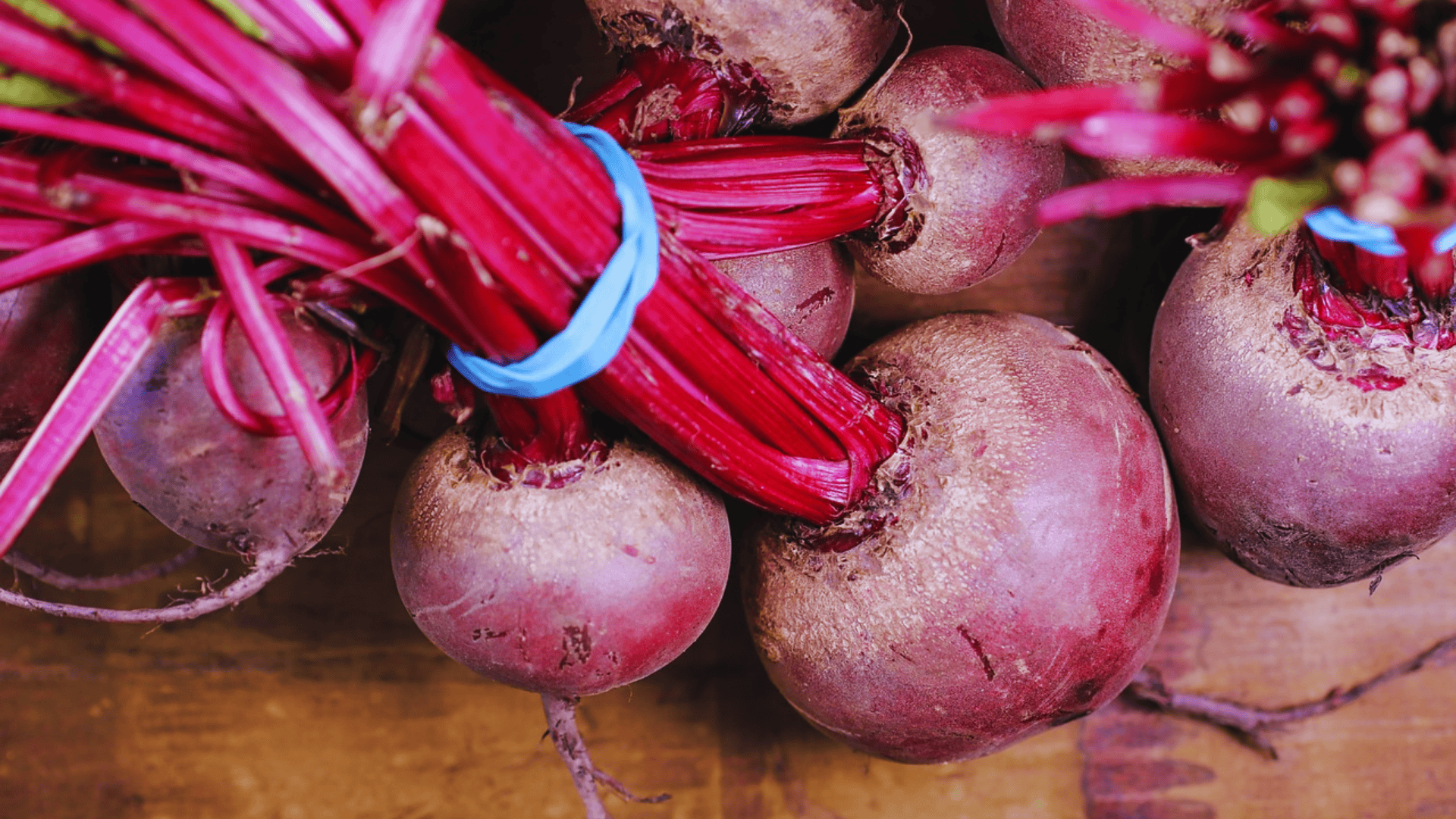
To evaluate how beets might influence hair health, one must first examine their chemical and nutritional composition. Beets are a low-calorie, nutrient-dense root vegetable containing a diverse array of vitamins, minerals, and bioactive plant compounds.
Beyond their distinct earthy flavor and vibrant color, beets are particularly recognized for high concentrations of folate, manganese, potassium, vitamin C, and iron. Furthermore, they are one of the richest dietary sources of inorganic nitrates, which the human body converts into nitric oxide. This biochemical conversion plays a critical role in vascular health, influencing how efficiently blood and oxygen travel through the circulatory system to various peripheral tissues, including the scalp.
Key Micronutrients and Their Biochemical Roles
Hair follicles are among the most metabolically active structures in the human body, requiring a continuous supply of oxygen, amino acids, and micronutrients to sustain the anagen (growth) phase of the hair cycle.
- Vitamin C: Acts as a powerful antioxidant that protects hair follicles from oxidative stress caused by free radicals. Vitamin C also significantly enhances the intestinal absorption of non-heme iron, an essential mineral for preventing iron-deficiency anemia, which is a known trigger for diffuse hair shedding (telogen effluvium).
- Folate (Vitamin B9): Supports tissue growth and cellular repair. Rapidly dividing cells, such as those in the matrix of the hair follicle, depend heavily on adequate folate levels to synthesize DNA and proteins.
- Iron: Essential for producing hemoglobin, the protein responsible for carrying oxygen to all cells in the body, including the dermal papilla cells located at the base of hair follicles.
- Inorganic Nitrates: Converted by oral bacteria and gastric acid into nitrites and subsequently into nitric oxide. Nitric oxide acts as a vasodilator, relaxing the smooth muscle cells in blood vessel walls, widening microvessels, and potentially improving microcirculation to the scalp.
The Connection Between Scalp Microcirculation and Hair Follicle Health
A prevailing hypothesis surrounding beets for hair growth focuses on vasodilation and localized blood flow. Proponents argue that drinking beet juice or applying it topically increases blood circulation to the scalp, thereby "feeding" dormant hair follicles and stimulating new strands to sprout.
While improved microcirculation is undeniably beneficial for maintaining tissue vitality, the physiological mechanism is more complex than a direct line from root vegetable to rapid hair length. The scalp relies on a vast network of tiny capillaries to deliver nutrients. When local blood flow is compromised due to poor cardiovascular health, nutrient delivery to peripheral tissues can suffer. By supporting systemic endothelial function and lowering blood pressure through dietary nitrates, beets promote efficient blood flow throughout the body.
However, increased systemic blood circulation does not selectively target hair follicles on command. While a well-perfused scalp ensures that whatever nutrients are present in the bloodstream can reach the follicles, consuming beets will not override genetic predispositions to hair loss (such as androgenetic alopecia) or severe nutritional deficiencies without a comprehensive medical evaluation.
Topical Beet Treatments vs. Dietary Consumption
When individuals explore beets for hair care, they generally divide their approach into two categories: internal consumption (juicing, roasting, or incorporating beets into meals) and external application (homemade beet juice rinses, hair masks, and scalp treatments). Each method presents distinct advantages and limitations.
Dietary Inclusion
Consuming beets provides systemic nutritional support. The vitamins, minerals, and nitrates are processed through the digestive tract, entering the bloodstream to support overall metabolic and vascular health. This approach is generally safe for most individuals, promotes sustained wellness, and avoids the messy staining associated with raw vegetable juices.
Topical Application
Topical application involves extracting beet juice—often combined with carrier oils like coconut or olive oil—and massaging it directly into the scalp. Advocates claim this provides localized conditioning and temporary color enhancement.
- Pros: Can act as a natural, temporary stain for individuals seeking a reddish tint without synthetic dyes; provides surface hydration when mixed with emollients.
- Cons: Highly staining to skin, clothing, and bathroom surfaces; lacks clinical backing for stimulating follicular growth on a cellular level; sticky residue can attract dirt and product buildup if not washed out thoroughly.
Nutritional Comparison of Beet Forms
To help determine the most effective way to incorporate beets into a wellness routine, the table below compares different preparations based on nutrient retention, convenience, and hair-related application suitability.
| Preparation Form | Primary Nutrient Retention | Ease of Use | Scalp/Hair Suitability | Potential Drawbacks |
|---|---|---|---|---|
| Raw Beets (Whole/Salads) | Maximum fiber, vitamin C, and heat-sensitive antioxidants. | Moderate | High (Dietary consumption) | Requires chewing, earthy taste may not appeal to all. |
| Fresh Beet Juice | High nitrate and vitamin bioavailability; quick absorption. | Low-Moderate | Moderate (Can be used for rinses or drinking) | High sugar concentration, labor-intensive juicing process, stains easily. |
| Roasted Beets | Retains minerals and carotenoids; lowers raw goitrogen risk. | High | High (Dietary consumption) | Heat degrades some vitamin C content. |
| Beet Powder Supplements | Concentrated nitrates and minerals depending on processing. | Very High | High (Dietary consumption) | Lack of federal pre-market safety or efficacy testing for specific health claims. |
Evaluating Scientific Evidence and Dermatological Consensus
From an evidence-based perspective, no peer-reviewed dermatological or trichological studies specifically establish that beets or beet juice can reverse hair loss, cure alopecia, or accelerate hair growth rates beyond normal biological limits (typically about half an inch per month).
Dermatologists emphasize that hair growth is primarily governed by genetics, hormonal balance, thyroid function, and overall systemic health. While correcting a systemic deficiency in iron, vitamin C, or folate will improve hair quality and reduce shedding, beets alone are not a magical remedy. They should be viewed as a supportive dietary component within a balanced, nutrient-rich lifestyle rather than a standalone medical treatment for hair thinning.
Potential Side Effects and Safety Considerations
While beets are a wholesome food enjoyed globally, incorporating them into a routine in concentrated forms (such as daily juicing or topical experimentation) carries minor risks that consumers should consider.
- Beeturia: Consuming large amounts of beets or beet juice can harmlessly turn urine and stools a pink or red color. While startling to those unaware of the phenomenon, it is medically benign.
- Kidney Stones: Beets contain moderate to high levels of oxalates, naturally occurring compounds that can bind with calcium in the kidneys and contribute to the formation of kidney stones in susceptible individuals. Those with a history of oxalate-related kidney stones should moderate their beet intake.
- Blood Pressure Interactions: Because dietary nitrates lower blood pressure, individuals taking antihypertensive medications should monitor their intake to avoid hypotensive episodes.
- Contact Dermatitis: When applying raw beet juice topically, individuals with sensitive skin or contact dermatitis may experience localized irritation, redness, or itching. A patch test on the inner forearm is recommended 24 hours prior to scalp application.
Frequently Asked Questions
Can drinking beet juice directly cause hair to grow faster?
Drinking beet juice does not directly force hair follicles to grow faster. However, the vitamins, iron, and nitrates in beets support overall nutritional status and circulatory health, creating a favorable internal environment for healthy hair maintenance.
How often should I apply beet juice to my scalp?
There is no standardized clinical guideline for applying beet juice topically, as dermatological evidence for this practice is lacking. If used as a cosmetic rinse or conditioning mask for color enhancement, limiting application to once every couple of weeks is prudent to avoid scalp irritation or excessive staining.
Do beets help with dandruff or dry scalp?
Beets contain antioxidants and hydrating properties when combined with carrier oils, which may temporarily soothe surface dryness. However, they are not a clinically proven treatment for dandruff, which is typically driven by fungal overgrowth (Malassezia) requiring targeted antifungal agents or zinc pyrithione.
Can eating beets reverse gray hair?
There is no scientific evidence indicating that consuming beets can reverse genetic or age-related gray hair. Graying occurs due to the progressive loss of melanin-producing stem cells within the hair follicle, a process largely dictated by genetics and oxidative aging.
Are there any medical conditions that preclude eating beets?
Individuals with a history of calcium oxalate kidney stones, severe gastrointestinal sensitivities, or those managing specific blood pressure medications should consult a healthcare professional before making beets a daily dietary staple.
Practical Next Steps for Supporting Hair Health
If your goal is to improve the strength, thickness, and vitality of your hair, a holistic strategy yields the most reliable results. Start by auditing your overall diet to ensure adequate daily intake of complete proteins, healthy fats, iron, zinc, and B-complex vitamins. Incorporating whole beets into balanced meals provides a wonderful source of dietary antioxidants and supports vascular wellness. For persistent hair thinning, excessive shedding, or scalp inflammation, consult a board-certified dermatologist or a trichologist to rule out underlying medical causes, nutritional deficiencies, or hormonal imbalances before relying on kitchen remedies.
Image Gallery