Getting Life Insurance with Ulcerative Colitis Explained
Securing coverage with a chronic condition is entirely possible, as life insurance underwriters evaluate applicants based on disease stability, management history, and overall health rather than just the diagnosis alone. Navigating the...
Securing coverage with a chronic condition is entirely possible, as life insurance underwriters evaluate applicants based on disease stability, management history, and overall health rather than just the diagnosis alone.
Contents
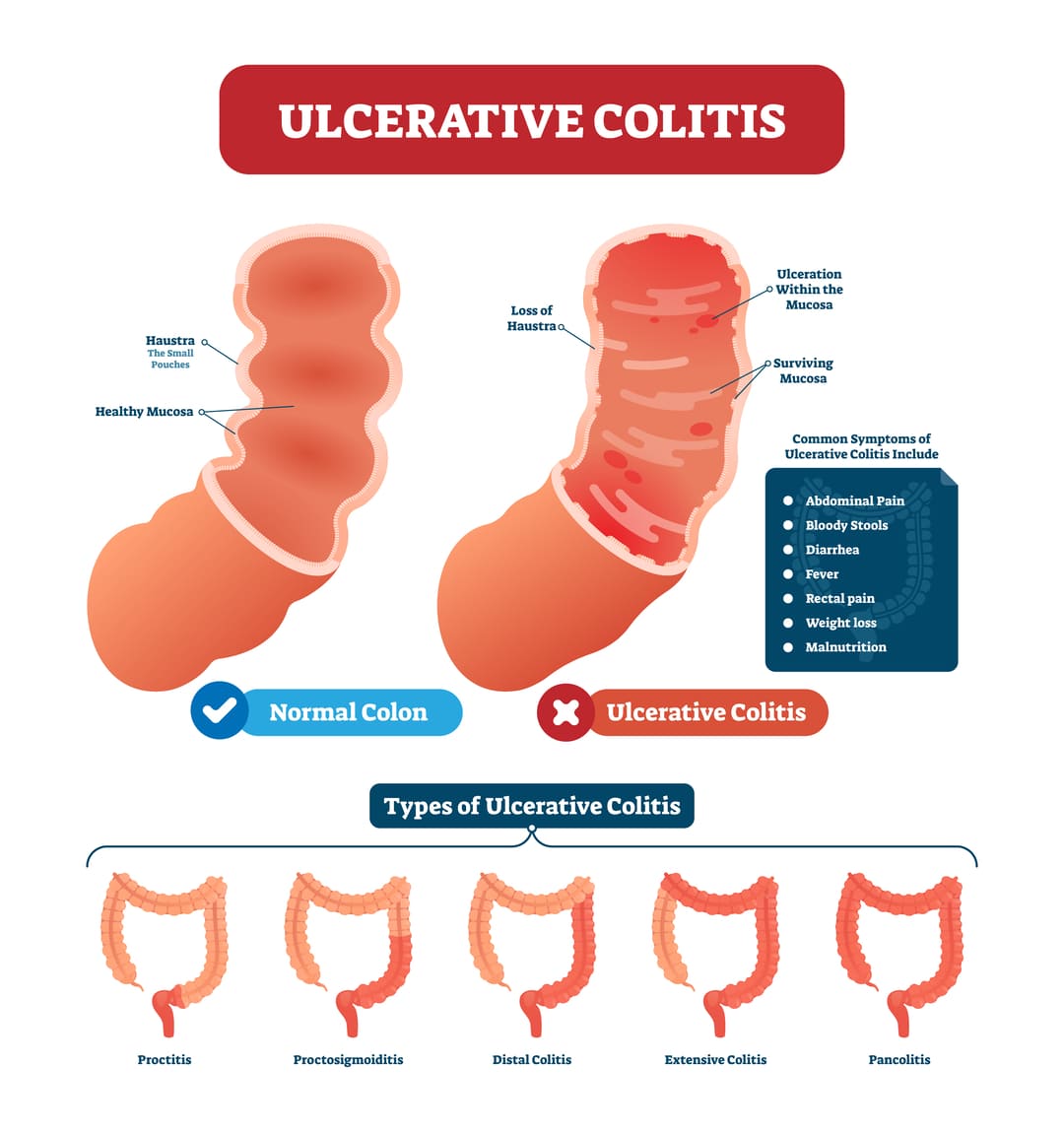
Navigating the financial planning process when you have a chronic inflammatory bowel disease requires understanding how medical underwriters evaluate risk. Ulcerative colitis (UC) is a chronic condition that causes inflammation and ulcers in the innermost lining of the large intestine. Because it is a long-term medical issue, insurance companies look closely at your personal health history to determine your rates. Knowing what to expect during the underwriting process can help you secure the right policy without overpaying or facing unexpected denials.
Understanding How Underwriters View Ulcerative Colitis
When you apply for a term or permanent life insurance policy, the insurance company's underwriting team reviews your medical records to assess your mortality risk. Having a chronic illness like ulcerative colitis does not automatically disqualify you from getting coverage. Instead, underwriters evaluate a specific set of clinical factors to gauge how well you manage the condition.
Underwriters are primarily concerned with predictability and stability. If your condition is well-controlled, your risk profile resembles that of someone without the disease. Conversely, frequent flare-ups, hospitalizations, or recent surgeries introduce higher risk, which translates to higher premiums or a postponed application.
The evaluation process relies heavily on your attending physician statement (APS), prescription history database checks, and your paramedical exam results. Being transparent and prepared with detailed medical records is the most effective way to secure a favorable health classification.
Key Factors Evaluated During Underwriting
To determine your premium rate class, life insurance underwriters analyze several distinct aspects of your ulcerative colitis history:
- Age at Diagnosis and Disease Duration: Underwriters look at how long you have lived with ulcerative colitis. A diagnosis managed successfully for ten years often looks more favorable than a severe case diagnosed within the past six months.
- Frequency and Severity of Flares: How often do you experience symptoms, and how severe are they? Mild, infrequent flare-ups managed with lifestyle or basic medication carry less risk than chronic, debilitating attacks.
- Medication Regimen: The types of drugs you take matter significantly. Maintenance medications like 5-aminosalicylates (5-ASAs) show steady management, whereas systemic corticosteroids or aggressive biologic therapies may indicate a more severe or refractory disease course.
- Hospitalizations and Surgeries: A history of emergency room visits, hospital stays, or surgical interventions—such as a colectomy or J-pouch procedure—will be scrutinized to determine your current baseline health.
- Associated Conditions and Complications: Underwriters check for extraintestinal manifestations or complications, such as primary sclerosing cholangitis, arthritis, eye inflammation, or an increased risk of colon cancer.
The Underwriting Health Classifications for UC
Insurance companies assign every approved applicant a health classification, commonly referred to as a rate class. These classes dictate the final cost of your monthly or annual premium. Understanding where you might land helps set realistic expectations.
It is rare for an individual with active ulcerative colitis to qualify for "Preferred Best" or "Preferred" rates, as these are generally reserved for individuals with pristine medical histories. However, many applicants with mild, well-controlled symptoms successfully secure "Standard" or "Standard Plus" rates. If your condition is more aggressive, you may be offered a "Substandard" (or table-rated) policy, which carries a percentage increase over standard rates.
| Health Classification | Typical Profile for Ulcerative Colitis Applicants | Premium Impact |
|---|---|---|
| Preferred / Preferred Plus | Extremely rare; requires a complete absence of symptoms for many years with minimal or no medication. | Lowest possible cost. |
| Standard / Standard Plus | Mild UC, infrequent symptoms, stable medication, no hospitalizations, and regular gastroenterologist follow-ups. | Baseline standard rates; affordable and common for controlled cases. |
| Substandard (Table Ratings A-J) | Moderate to severe UC, frequent flares, recent biologic use, past hospitalization, or mild complications. | Percentage increase over standard rates (typically +25% to +250% depending on the table). |
| Postponed / Declined | Uncontrolled disease, very recent surgery, severe complications, or active, severe flare-ups at the time of application. | Coverage denied or delayed until condition stabilizes for 6 to 12 months. |
Types of Life Insurance Policies Available
Choosing the right type of policy depends on your financial goals, budget, and the severity of your ulcerative colitis. Not all policies require rigorous medical underwriting, which offers alternative pathways if traditional coverage proves difficult to obtain.
Term Life Insurance
Term life insurance provides coverage for a specific period, such as 10, 20, or 30 years. It is generally the most affordable option and provides a high death benefit to protect dependents or cover a mortgage. If your ulcerative colitis is mild and well-managed, you should be able to qualify for a traditional term policy after completing a medical exam and providing medical records.
Whole and Universal Life Insurance (Permanent)
Permanent life insurance builds cash value and provides lifelong coverage. Like term insurance, traditional permanent policies require full medical underwriting. If you are approved at a standard or slightly substandard rate, a permanent policy can provide lifelong financial security and estate planning benefits.
Simplified Issue and Guaranteed Issue Policies
If your ulcerative colitis is severe, or if you have been recently declined for traditional coverage, simplified issue and guaranteed issue policies are alternative options:
- Simplified Issue: These policies do not require a medical exam, but you must answer a questionnaire about your health. If you have active, severe UC, you may still fail the health screening.
- Guaranteed Issue: These policies require no medical exam and no health questions. Acceptance is guaranteed based on age eligibility. However, they feature lower maximum coverage amounts, higher premiums, and a graded death benefit (meaning full benefits are only paid if you die after a specified waiting period, usually two years).
Steps to Take Before Applying for Coverage
Preparation is essential when applying for life insurance with a pre-existing gastrointestinal condition. Taking proactive steps can prevent delays and help underwriters see the full picture of your health management.
1. Establish a Consistent Record of Care
Underwriters prefer applicants who work closely with a board-certified gastroenterologist. Ensure you attend all scheduled appointments, follow your prescribed treatment plans, and keep your medical records up to date. Gaps in medical treatment often raise red flags for underwriters.
2. Gather Your Medical Documentation
Before submitting an application, compile a comprehensive file containing:
- The date of your initial ulcerative colitis diagnosis.
- The names and contact information of your primary care physician and gastroenterologist.
- A complete list of your current prescription medications and dosages.
- Records of any recent diagnostic tests, colonoscopies, or lab work.
- Dates and details of any hospitalizations or surgical procedures.
3. Work with an Independent Insurance Broker
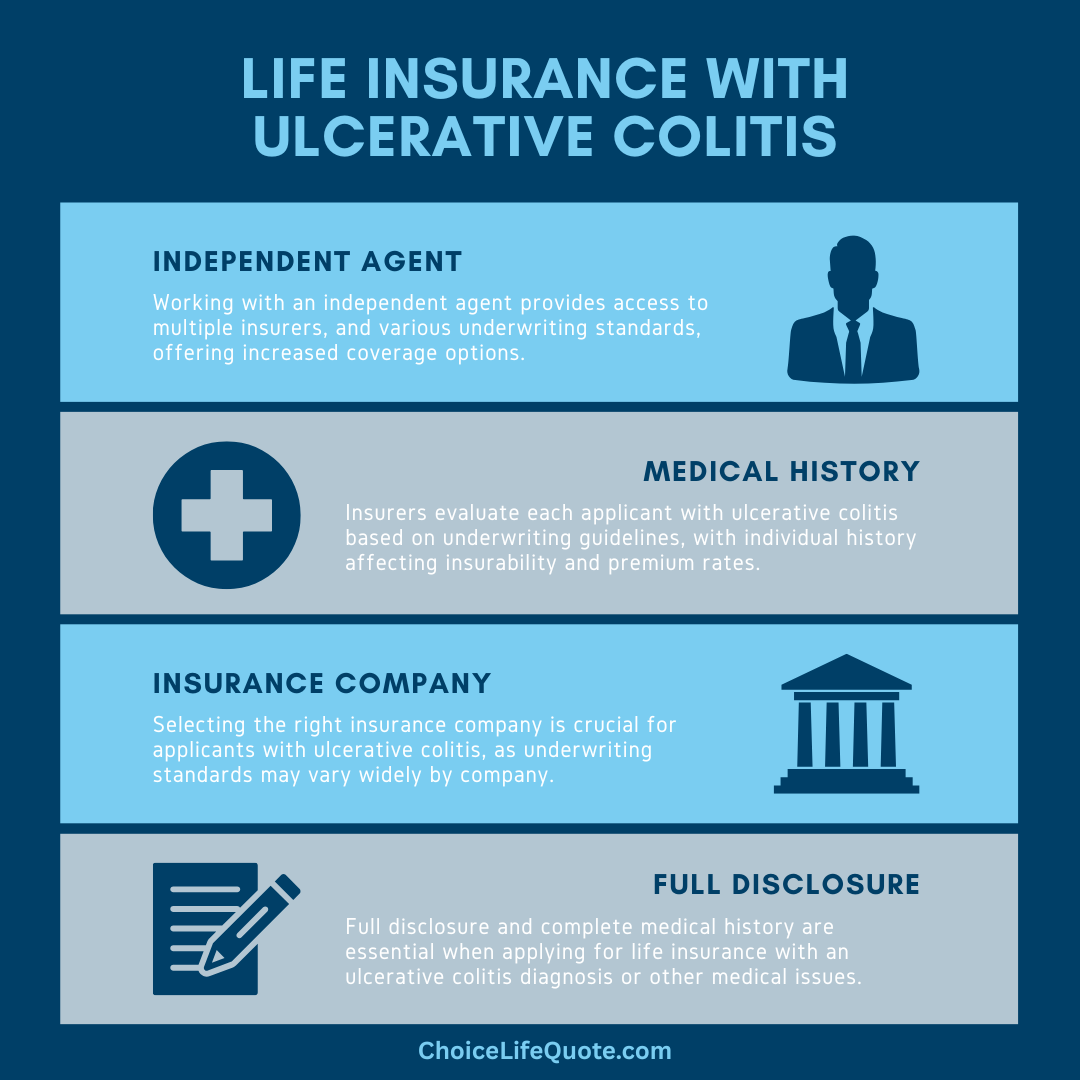
Avoid applying directly to a single insurance carrier, as underwriting guidelines for chronic illnesses vary dramatically from one company to another. An independent broker who specializes in high-risk or impaired risk life insurance can shop the market on your behalf. They can pre-screen your medical history anonymously with multiple carriers to identify which company is most lenient toward ulcerative colitis.
Common Mistakes to Avoid
Navigating the insurance market with a chronic illness can be stressful, but avoiding common pitfalls will streamline the process and improve your outcome.
- Waiting Until a Flare-Up Occurs: Never apply for life insurance during an active flare-up or immediately following a major surgery. Underwriters will likely postpone your application until your condition stabilizes for at least 6 to 12 months.
- Omitting Medical Details on the Application: Be entirely honest about your diagnosis, medication use, and medical history. Insurance companies verify medical records through the Medical Information Bureau (MIB) and prescription databases. Omissions or misrepresentations can lead to claim denials later.
- Accepting the First Denial as Final: If one carrier declines your application, it does not mean all carriers will. Each insurance company uses proprietary underwriting guidelines. A specialized broker can help you pivot to a more accommodating carrier.
Frequently Asked Questions
Can I get denied life insurance because of ulcerative colitis?
Yes, it is possible to be denied traditional coverage if your ulcerative colitis is severe, unstable, recently diagnosed, or accompanied by dangerous complications. However, denials are relatively rare for individuals whose condition is well-managed. If you are denied traditional coverage, alternative options like guaranteed issue policies remain available.
Do I need to take a medical exam if I have ulcerative colitis?
For traditional term and permanent policies, a medical exam (which typically includes blood and urine samples) is standard practice. If you want to avoid an exam, you can explore no-exam term insurance or simplified issue policies, though these may come with higher premiums or lower coverage limits.
How does maintenance medication affect my life insurance rates?
Maintenance medications like mesalamine (5-ASAs) are viewed favorably by underwriters because they indicate proactive disease management. However, frequent use of systemic corticosteroids or biologic immunosuppressants may prompt underwriters to request additional details from your doctor, which can impact your final rate class.
What should I do if my rates are too high due to my UC?
If you are offered a substandard rating that makes your premiums unaffordable, you can ask your independent broker to shop alternative carriers. Alternatively, you can request a reconsideration after demonstrating 12 to 24 months of stable health, or you can adjust the policy face amount or term length to fit your monthly budget.
Will my rates decrease if my ulcerative colitis goes into long-term remission?
Yes. If you maintain long-term remission and stable health for a sustained period—typically one to two years or more—you can ask your insurance carrier for a reconsideration. This process involves submitting updated medical records to prove your improved health status, which may qualify you for a lower rate class and reduced premiums.
Next Actions for Securing Coverage
If you are ready to secure a policy, your first step is to collect your medical history and schedule a consultation with an independent insurance professional who understands chronic gastrointestinal conditions. Request pre-table screening to compare offers from multiple carriers before submitting a formal application. By presenting a well-documented history of stable health management, you can protect your financial future and secure the right coverage for your family.
Image Gallery