Who Did Johnny Carson Leave His Money To?
Johnny Carson left the vast majority of his massive multi-million dollar fortune to the John W. Carson Foundation, his charitable organization, while also providing generously for his surviving wife, Alexis Maas, and other family membe...
Johnny Carson left the vast majority of his massive multi-million dollar fortune to the John W. Carson Foundation, his charitable organization, while also providing generously for his surviving wife, Alexis Maas, and other family members through a carefully structured trust and estate plan.
Contents
When the legendary host of The Tonight Show passed away on January 23, 2005, at the age of 79, public curiosity immediately turned to the distribution of his immense wealth. Carson had spent decades cultivating a notoriously private personal life, and his estate planning reflected this same quiet discretion. Rather than dispersing his assets entirely through a public will that would expose his private affairs to scrutiny, Carson utilized a revocable living trust. This legal mechanism allowed his estate to be distributed privately, shielding the exact financial figures and specific beneficiary allocations from the public probate court system while honoring his precise philanthropic and personal intentions.
Understanding Johnny Carson’s Estate Planning Strategy
To grasp how Johnny Carson distributed his money, it is necessary to examine the mechanisms of wealth preservation and asset management utilized by high-net-worth individuals in the entertainment industry. During his 30-year tenure hosting The Tonight Show Starring Johnny Carson, which ran from 1962 until 1992, Carson accumulated a substantial fortune. Estimates of his net worth at the time of his death ranged from $300 million to upwards of $400 million, derived from shrewd salary negotiations, ownership stakes in his show's production company, real estate holdings in Malibu and Beverly Hills, and wise long-term investments.
Carson’s financial strategy prioritized two primary goals: maintaining financial security for his immediate family and establishing a lasting philanthropic legacy. To achieve this without the friction of public litigation or estate contests, his legal counsel structured a comprehensive estate plan anchored by a living trust.
Unlike a standard will, which becomes a matter of public record the moment it is filed for probate, a trust operates privately. While this privacy means that every exact dollar amount designated to individual beneficiaries was never fully itemized for the public ledger, filings related to his foundation and subsequent disclosures by estate executors provided a clear picture of his financial legacy.
The John W. Carson Foundation and Philanthropy
The single largest beneficiary of Johnny Carson’s estate was the John W. Carson Foundation, a philanthropic entity he established during his lifetime. Carson was famously quiet about his charitable giving while he was alive, often making substantial donations anonymously or requesting that organizations not publicize his support. The foundation served as the vehicle to institutionalize this generosity after his passing.
The foundation received the bulk of his residual estate, intellectual property rights, and ongoing licensing revenues. In the years following his death, the John W. Carson Foundation distributed tens of millions of dollars to various charitable causes, primarily focusing on organizations in Southern California and Nebraska, the state of his birth and childhood.
Key areas supported by the foundation include:
- Medical Research and Healthcare: Substantial grants directed toward children's hospitals, Parkinson's research, and medical facilities in Los Angeles and Omaha.
- Educational Institutions: Scholarships and capital improvement funding for universities and secondary schools.
- Arts and Culture: Support for public broadcasting, community arts programs, and historical preservation initiatives.
- Social Services: Funding for food banks, homeless shelters, and community outreach programs designed to assist vulnerable populations.
By routing the majority of his wealth through the foundation, Carson ensured that his financial success would continue to fund civic and medical improvements long after his death, aligning with the low-key, unostentatious approach he maintained toward his personal philanthropy.
Provisions for Family Members and Survivors
While the foundation received the lion's share of the residual estate, Carson made certain that his surviving family members were well provided for. At the time of his death, Carson was married to his fourth wife, Alexis Maas, whom he married in June 1987. Maas remained by his side until his passing in 2005.
Alexis Maas
Alexis Maas received a substantial inheritance structured through the terms of Carson’s trust. Reports and estate filings indicated that she was provided with millions of dollars outright, alongside continued access to or ownership of certain high-value real estate holdings, including Carson’s iconic Malibu cliffside compound. The exact financial settlement ensured that Maas remained financially secure, consistent with the standard obligations and intentions expected in long-term marriages among high-net-worth public figures.
Children and Extended Family
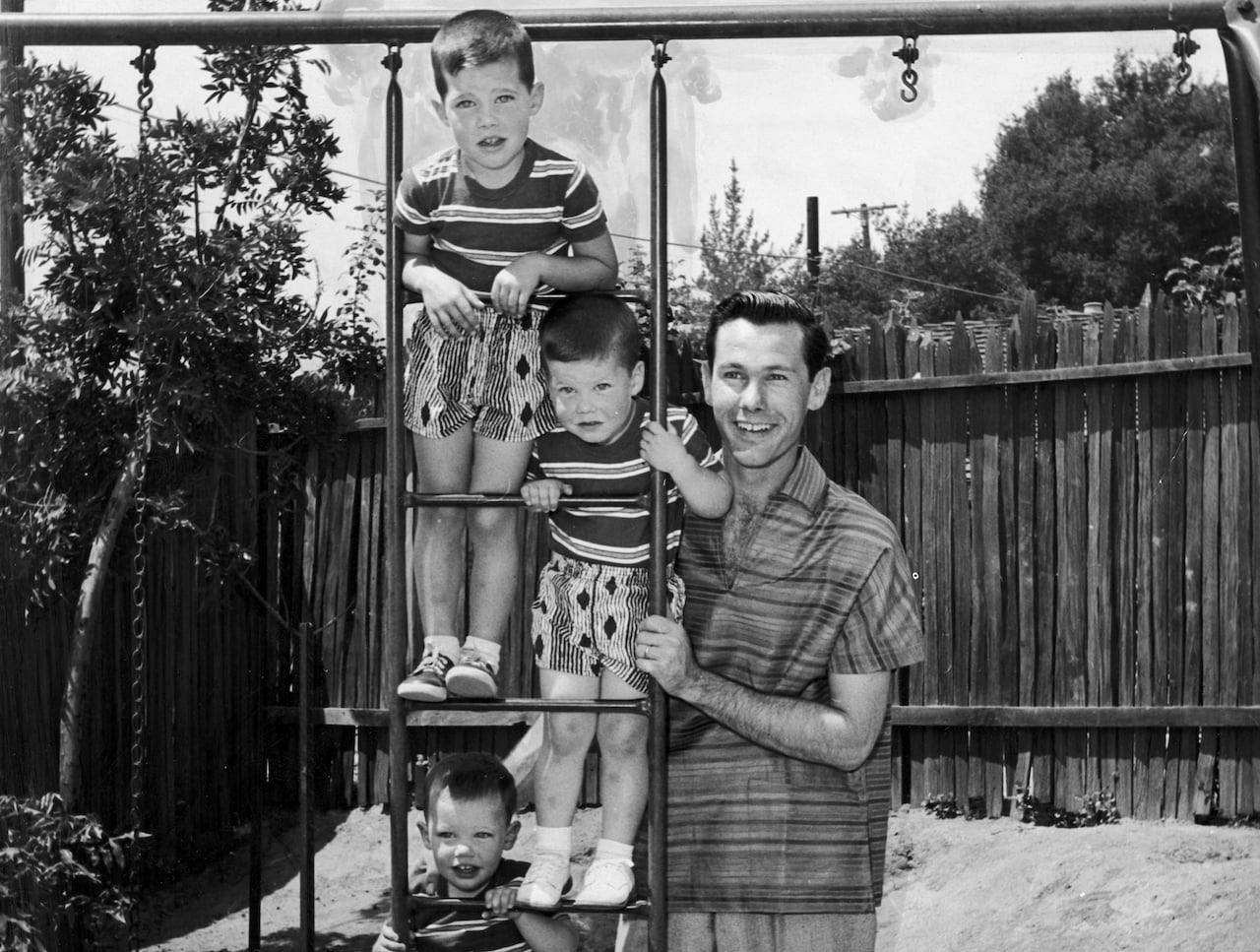
Carson had two surviving sons from his first marriage to Joan Morrall: Henry and Christopher (their older brother, Richard, tragically died in a car accident in 1991). Carson’s estate provided for his surviving children through specific trust allocations designed to offer long-term financial security. Because of the private nature of the trust, the exact lump sums allocated to Henry and Christopher were not made public, but legal experts and estate analysts noted that the provisions were substantial enough to maintain generational wealth without subjecting the family to public disputes.
| Beneficiary Category | Primary Vehicle | Purpose / Allocation |
|---|---|---|
| John W. Carson Foundation | Charitable Trust / Residual Estate | Funding for medical research, education, arts, and social services in California and Nebraska. |
| Alexis Maas (Spouse) | Revocable Living Trust | Substantial financial provisions, cash assets, and real estate holdings (Malibu estate). |
| Henry and Christopher Carson (Sons) | Family Trust Allocations | Direct financial provisions ensuring long-term security for surviving family members. |
Real Estate Holdings and Asset Liquidation
A significant component of Johnny Carson’s estate involved his high-profile real estate portfolio. Carson was known for owning exceptional properties, most notably his multi-acre Malibu estate perched on a bluff overlooking the Pacific Ocean, as well as a penthouse in Manhattan and a home in Beverly Hills.
Following his death, these properties were managed and eventually liquidated by his estate executors to consolidate funds for the foundation and beneficiaries. The Malibu estate, featuring a custom home designed by renowned architect Edward Niles, became a focal point of the estate settlement. It was put on the market and ultimately sold for tens of millions of dollars, with the proceeds flowing directly into the designated trust allocations and the foundation's endowment.
Common Misconceptions Regarding Carson’s Will
Because of Johnny Carson’s towering status in television history, numerous myths and rumors periodically circulate regarding the distribution of his estate. Clearing up these misconceptions requires relying on verified legal outcomes rather than tabloid speculation.
- Myth: Carson left his entire fortune to charity with nothing for his wife.
- Fact: While the foundation received the primary residual assets, Alexis Maas was amply provided for through dedicated trust provisions and high-value real estate settlements.
- Myth: The estate became bogged down in a public legal battle.
- Fact: Unlike many celebrities whose estates descend into bitter, multi-year probate battles, Carson’s utilization of a comprehensive living trust ensured a smooth, private execution free from public litigation.
- Myth: NBC retained rights to his Tonight Show library.
- Fact: Carson famously retained ownership of his classic Tonight Show episodes recorded between 1962 and 1992. These valuable licensing assets and syndication rights were managed by his production company, Carson Productions, and contributed significantly to the ongoing funding of his foundation.
Frequently Asked Questions
Did Johnny Carson leave any money to The Tonight Show or NBC?
No. Johnny Carson maintained strict ownership and licensing control over his classic Tonight Show library through Carson Productions. NBC did not inherit his personal wealth, nor did the network control the residuals of his historic broadcasts after his departure in 1992.
How much was Johnny Carson’s net worth when he died?
At the time of his death in January 2005, industry analysts and financial publications estimated Johnny Carson’s net worth to be between $300 million and $400 million, amassed through his decades-long television career, smart business investments, and real estate holdings.
Who managed Johnny Carson’s estate after his death?
Carson’s estate was managed by a team of trusted legal and financial advisors appointed as executors and trustees, working closely with his widow, Alexis Maas, to ensure that the terms of his private living trust were executed accurately.
Did Johnny Carson have any surviving children?
Yes. Carson had two surviving sons, Henry and Christopher, from his marriage to his first wife, Joan Morrall. His eldest son, Richard, passed away in a car accident in 1981. Henry and Christopher were provided for through the family trust provisions of his estate plan.
Where is the John W. Carson Foundation located?
The John W. Carson Foundation operates primarily in Southern California, reflecting Carson's long residency in the Los Angeles area, while also maintaining active philanthropic giving throughout his home state of Nebraska.
Summary and Final Actions
Johnny Carson ensured his legacy extended far beyond late-night television by executing a private, comprehensive estate plan that balanced familial security with substantial philanthropic impact. By funneling the bulk of his residual wealth into the John W. Carson Foundation while adequately providing for his wife, Alexis Maas, and surviving sons, Carson maintained his lifelong preference for privacy and precision. For those examining historical celebrity estate planning, Carson's arrangements serve as a textbook example of how a living trust protects family interests and institutionalizes charitable giving without public fanfare.
Image Gallery