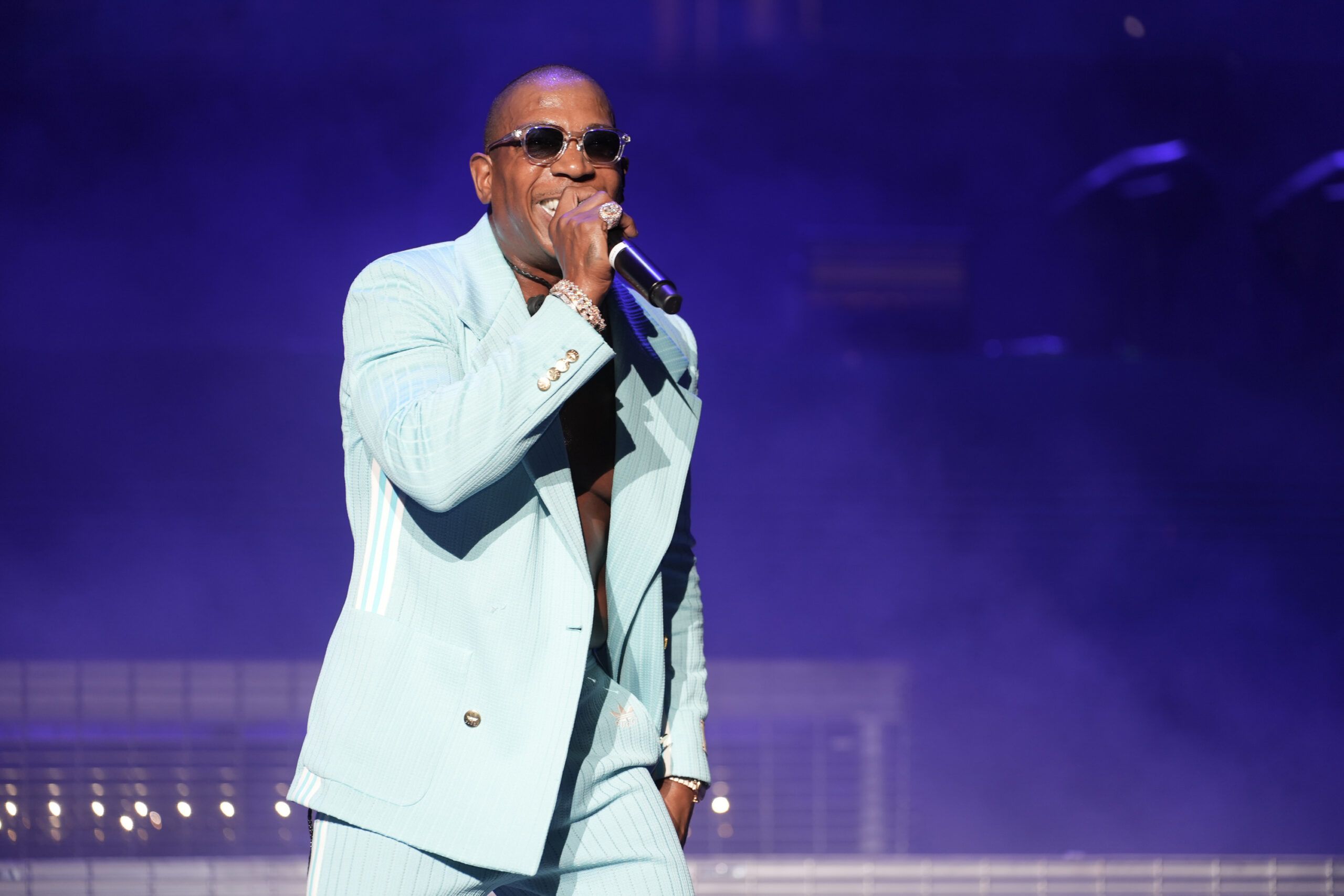
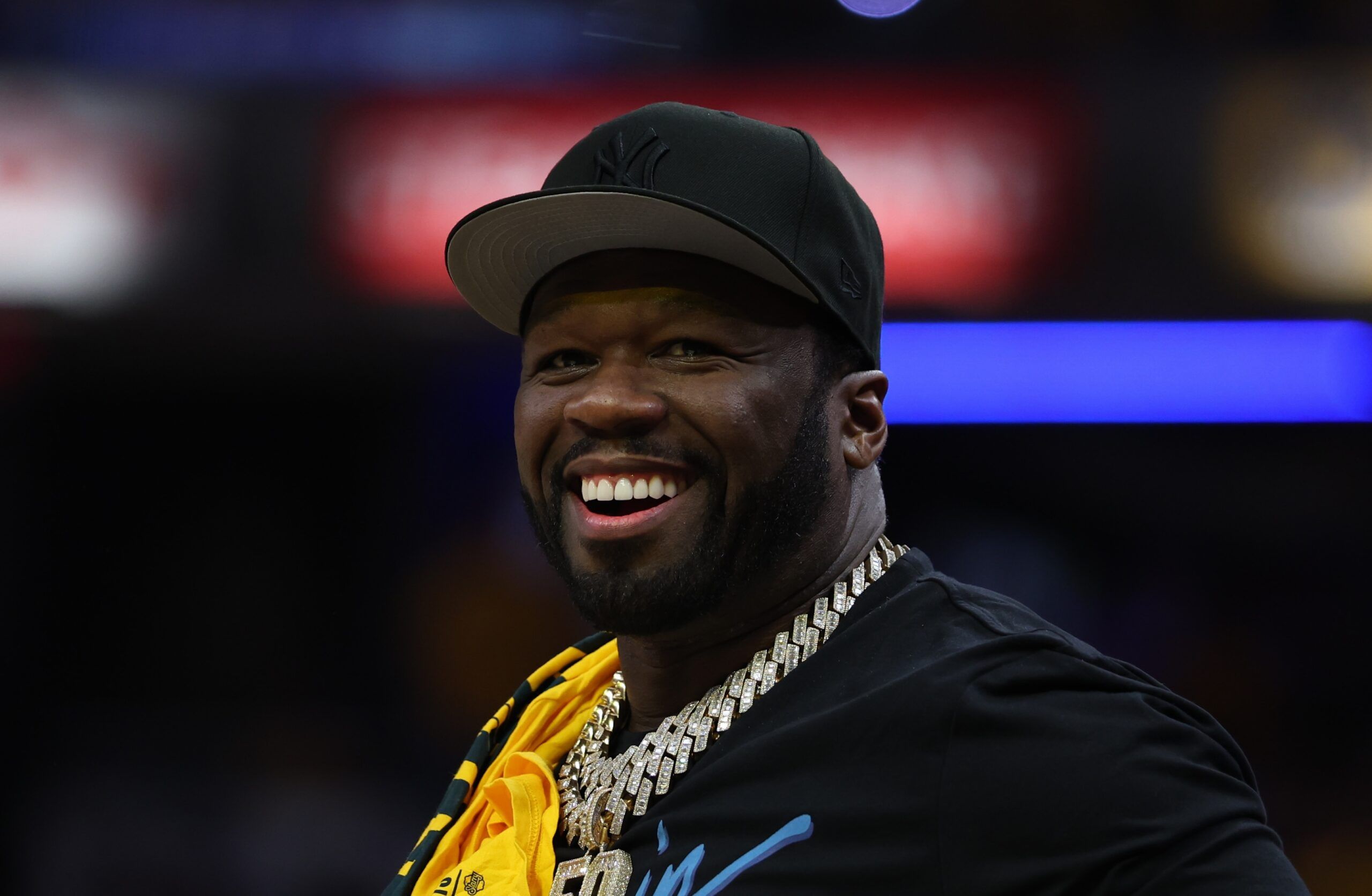
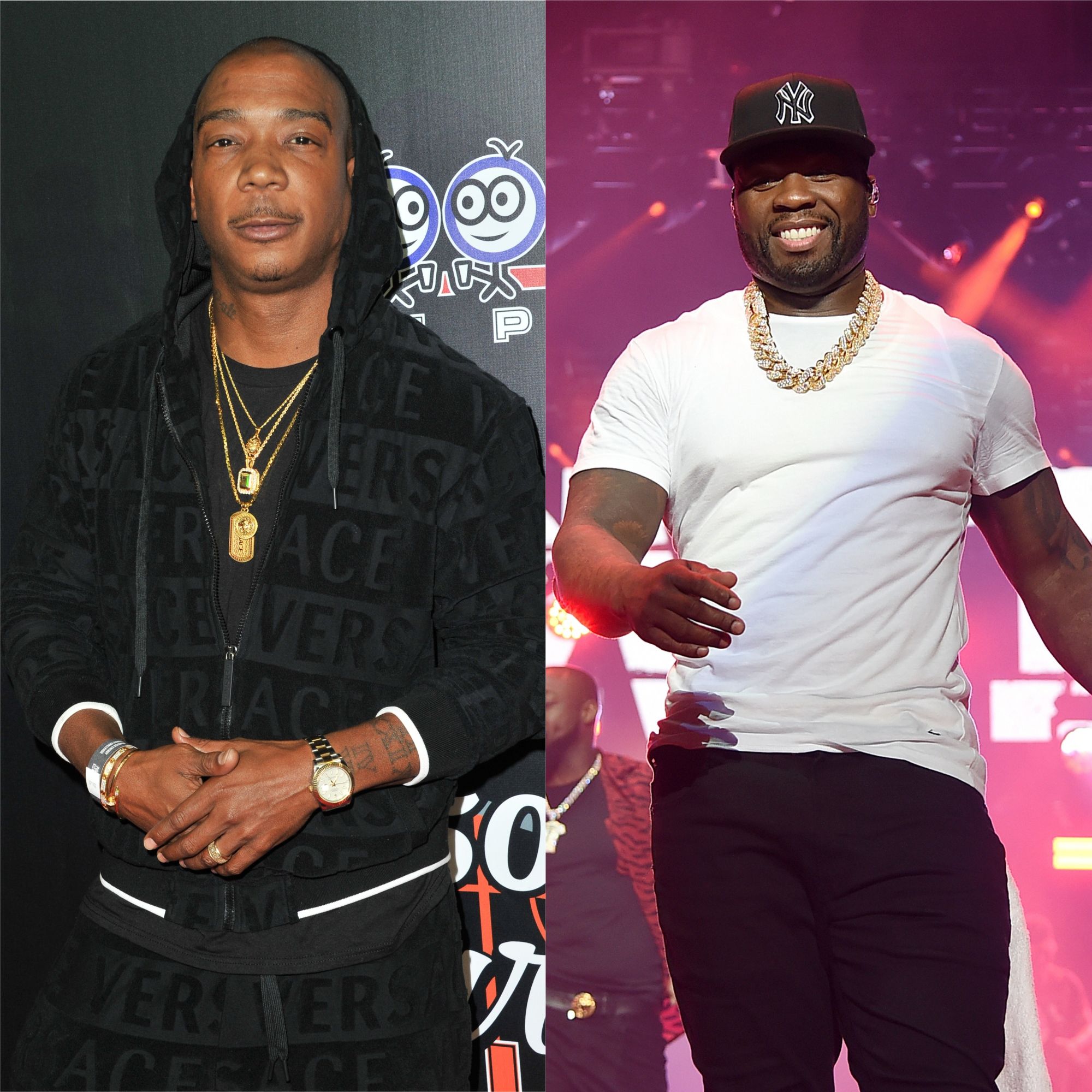
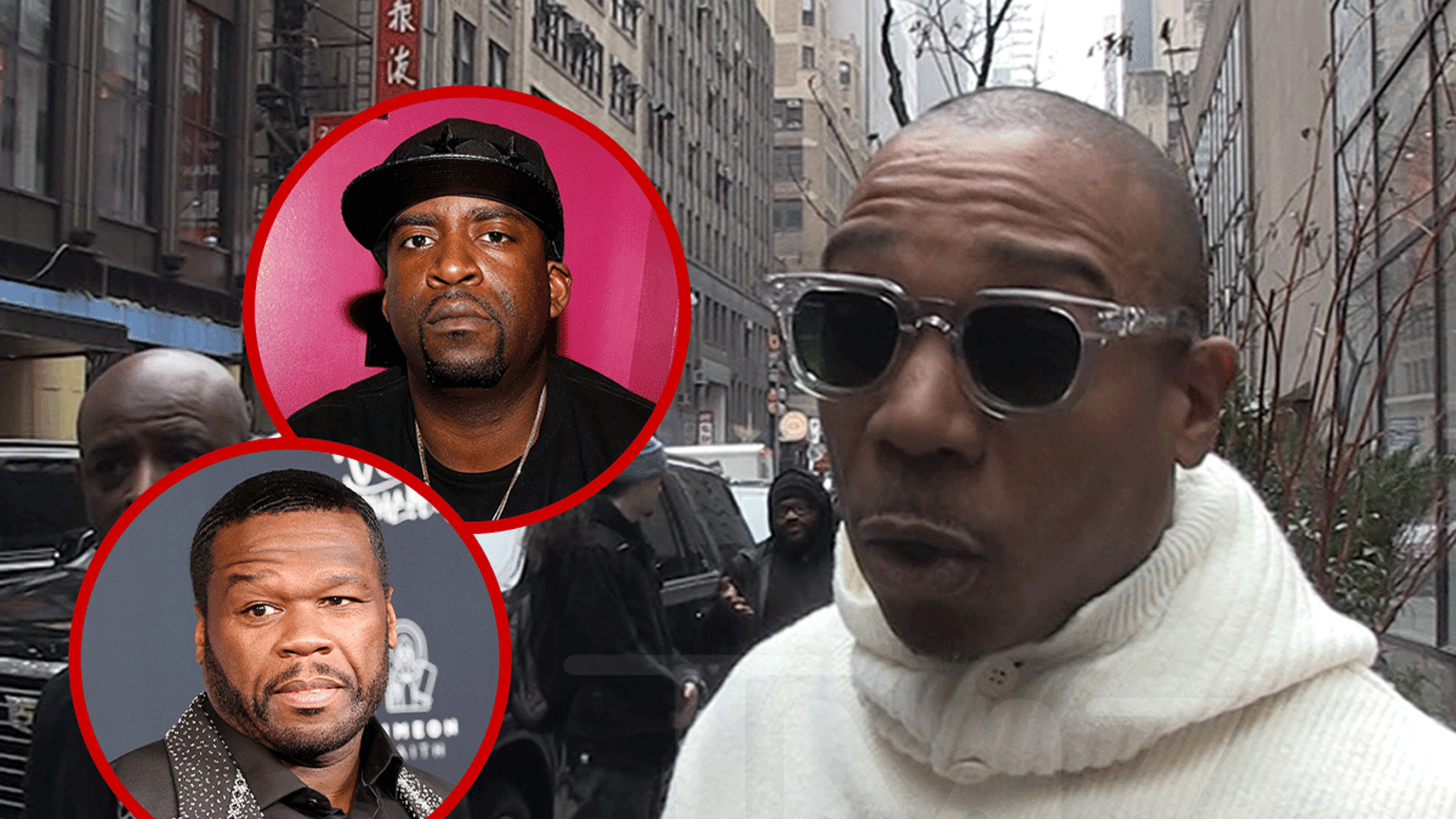
An Overview of the Ja Rule and 50 Cent Feud
The Ja Rule and 50 Cent feud stands as one of the most significant and enduring conflicts in hip-hop history, originating in the late 1990s and evolving into a career-altering rivalry that shaped the trajectory of both artists and the...
The Ja Rule and 50 Cent feud stands as one of the most significant and enduring conflicts in hip-hop history, originating in the late 1990s and evolving into a career-altering rivalry that shaped the trajectory of both artists and the broader East Coast rap landscape. Driven by neighborhood disputes, competing record label allegiances, and personal insults, the conflict escalated from underground tension into mainstream warfare, ultimately altering the commercial fortunes of Murder Inc. Records and introducing 50 Cent as a dominant force in the industry.
Contents
Origins of the Conflict in Queens
The roots of the dispute between Ja Rule (born Jeffrey Atkins) and 50 Cent (born Curtis Jackson) trace back to the late 1990s in the South Jamaica neighborhood of Queens, New York. Long before achieving mainstream commercial success, both artists operated within the same local circles, interacting with shared acquaintances, local promoters, and street figures.
Initial tensions were rooted in neighborhood dynamics, local reputation, and financial disputes. A frequently cited early flashpoint involved a physical altercation in 1999 at the Mirage nightclub in Queens, where 50 Cent reportedly had a chain stolen. According to various accounts, associates of Ja Rule and Murder Inc. Records were allegedly involved in the incident. This local confrontation created an atmosphere of permanent hostility, transforming what might have remained a minor street disagreement into a deeply personal vendetta.
As both artists transitioned from local street-level performers to signed major-label acts, their paths diverged professionally while remaining dangerously close geographically. Ja Rule secured a joint venture with Def Jam Recordings through Murder Inc., founded by Irv Gotti, quickly rising to national prominence with a string of melodic rap hits that blended gritty street narratives with mainstream pop appeal. Meanwhile, 50 Cent faced severe career setbacks, including being dropped by Columbia Records following a 2000 shooting in which he survived multiple gunshot wounds, which temporarily sidelined his burgeoning career and hardened his competitive stance against established artists.
The Escalation and Label Warfare
By the early 2000s, the rivalry escalated from localized altercations into a full-scale battle fought through recorded music, music videos, and media interviews. The entry of Eminem and Dr. Dre into 50 Cent’s corner—signing him to Shady Records and Aftermath Entertainment under Interscope—provided 50 Cent with an unprecedented platform and immense production power.
Murder Inc. viewed 50 Cent's ascension as a direct threat to their commercial dominance. In response, Ja Rule and his label mates, notably Black Child, engaged in direct lyrical combat. Songs like Ja Rule's "Loose Change" contained explicit verbal attacks targeting 50 Cent, mentioning his family, his management, and his past legal and street troubles.
50 Cent countered with a relentless stream of mixtapes, most notably through his Power of the Dollar era and subsequent releases like Guess Who's Back?. Tracks such as "Wanksta" and various freestyle dispatches systematically dismantled Murder Inc.’s commercial image, painting Ja Rule as inauthentic and out of touch with the gritty street realities he rapped about.
The conflict also drew in federal authorities. In 2003, federal agents raided the offices of Murder Inc. as part of an investigation into alleged financial ties between Irv Gotti and Kenneth "Supreme" McGriff, a convicted drug kingpin from Queens. While Ja Rule and Irv Gotti were ultimately acquitted of federal money laundering charges in 2005, the ongoing federal scrutiny severely damaged Murder Inc.’s business operations, distracted the artists from their creative output, and created an unfavorable public relations climate that coincided with 50 Cent’s meteoric rise.
| Aspect / Event | Ja Rule / Murder Inc. Perspective | 50 Cent / Shady-Aftermath Perspective |
|---|---|---|
| Primary Base | Def Jam Recordings / Murder Inc. Records | Shady Records / Aftermath / Interscope |
| Key Leadership | Irv Gotti, Ja Rule | 50 Cent, Eminem, Dr. Dre |
| Commercial Peak | 1999–2002 (Rule 3:36, Pain Is Love) | 2003–2005 (Get Rich or Die Tryin') |
| Core Allegations | Accused 50 Cent of exploiting street trauma and lacking genuine commercial longevity. | Accused Murder Inc. of working with law enforcement and fabricating a tough street image. |
| Media Strategy | Mainstream radio singles, high-profile music videos, and press interviews. | Underground mixtapes, aggressive street marketing, and relentless social provocation. |
Commercial Impact and Career Trajectories
The long-term commercial consequences of the Ja Rule and 50 Cent feud were profound and asymmetrical. For 50 Cent, the conflict served as the ultimate promotional engine for his major-label debut album, Get Rich or Die Tryin' (2003). The album debuted at number one on the Billboard 200, sold millions of copies worldwide, and established G-Unit as a dominant brand encompassing music, fashion, and corporate partnerships. The public appetite for conflict-driven rap elevated 50 Cent to global superstardom, making him one of the most commercially successful artists of the decade.
Conversely, Ja Rule and Murder Inc. experienced a steep decline in commercial viability. While Ja Rule had established himself as a dominant hitmaker capable of blending hardcore rap with R&B collaborations alongside Ashanti and Jennifer Lopez, the relentless negative publicity, loss of label momentum, and the federal investigation severely impacted his brand. Subsequent albums failed to match the multi-platinum success of Rule 3:36 and Pain Is Love, leading to a gradual shift in Ja Rule's career toward acting, reality television, and entrepreneurship.
The following factors summarize the primary drivers behind the shift in commercial fortunes:
- Label Stability: Interscope provided 50 Cent with extensive distribution, elite production, and institutional backing from Eminem and Dr. Dre.
- Federal Investigation: The 2003 federal raid on Murder Inc. drained financial resources and distracted leadership from music production.
- Public Perception: The mixtape marketing model employed by 50 Cent effectively reshaped fan perception, casting doubt on Ja Rule's street credibility.
- Musical Evolution: Hip-hop audiences in the mid-2000s shifted away from melodic, pop-infused rap toward harder, unfiltered East Coast street narratives.
Cultural Legacy and Historical Significance
Decades after its initial peak, the Ja Rule and 50 Cent feud remains a defining case study in hip-hop history regarding how personal animosity can be leveraged for commercial gain, as well as the risks associated with public conflict. It established a blueprint for modern rap rivalries, demonstrating the power of mixtapes and direct-to-consumer media in dismantling an established rival's reputation.
In retrospect, both artists have occasionally reflected on the feud in interviews and documentaries, acknowledging the intensity of the era while moving forward with their respective careers. The conflict endures not merely as a personal dispute between two Queens-born rappers, but as a pivotal turning point that marked the transition of power within commercial hip-hop during the early 2000s.
Frequently Asked Questions
What started the Ja Rule and 50 Cent beef?
The feud originated from a late 1990s neighborhood dispute in Queens, New York, involving local reputation, financial disagreements, and a physical altercation at a nightclub where 50 Cent's chain was reportedly stolen by associates connected to Murder Inc.
How did the federal investigation impact Murder Inc.?
In 2003, federal agents raided Murder Inc. records amid an investigation into alleged financial connections between label executives and local street figures. Although Ja Rule and Irv Gotti were later acquitted, the prolonged legal battle severely disrupted the label's operations and damaged its commercial standing.
What role did Eminem and Dr. Dre play in the rivalry?
Eminem and Dr. Dre signed 50 Cent to Shady Records and Aftermath Entertainment, providing him with top-tier production, financial backing, and mainstream distribution that amplified his musical responses to Ja Rule and Murder Inc.
Did Ja Rule and 50 Cent ever reconcile?
The two artists have not publicly reconciled. Over the years, 50 Cent has frequently reignited online banter and public commentary regarding the historic rivalry, while Ja Rule has largely focused on his independent business ventures and entertainment career.
How did the feud affect the commercial success of both artists?
The conflict served as a powerful promotional catalyst for 50 Cent's debut album, propelling him to global stardom. For Ja Rule, the negative publicity and label troubles coincided with a decline in chart success for his subsequent musical releases.
Practical Recommendation
For researchers, music historians, and fans examining this era of hip-hop, the most reliable insights are found in primary source material, including original interviews, contemporaneous music releases, court documents from the 2003 Murder Inc. federal trial, and archival music journalism from publications such as The Source and XXL. Reviewing these primary documents provides an objective understanding of how street-level tensions transformed into a landmark commercial rivalry.
Image Gallery