Understanding Youi Car Insurance Costs and Coverage Details
Youi car insurance policies are structured around customizable coverage tiers, with costs heavily determined by individual driver profiles, vehicle specifications, and chosen policy limits. By adjusting parameters like excess amounts a...
Youi car insurance policies are structured around customizable coverage tiers, with costs heavily determined by individual driver profiles, vehicle specifications, and chosen policy limits. By adjusting parameters like excess amounts and optional extras, policyholders can tailor their monthly or annual premiums to balance upfront expenses against out-of-pocket liabilities in the event of an accident or total loss.
Contents
Navigating the landscape of motor vehicle protection requires a thorough understanding of how insurance providers calculate risk, structure coverage types, and handle claims. For motorists considering a policy with Youi—an insurance provider operating primarily in Australia and South Africa—analyzing the interplay between costs and coverage details is essential for making an informed financial decision. This comprehensive guide breaks down the core structural elements of Youi car insurance, examining how premiums are calculated, what protection levels are available, and what factors influence your overall financial commitment.
The Foundation of Youi Motor Insurance Structure
Youi approaches auto insurance with a modular philosophy designed to allow policyholders to fine-tune their level of protection. Rather than forcing drivers into rigid, one-size-fits-all bundles, the insurer provides a framework where core coverage types can be selected and modified with optional benefits. Understanding this foundation is the first step toward evaluating whether the provider matches your specific vehicle safeguarding requirements.
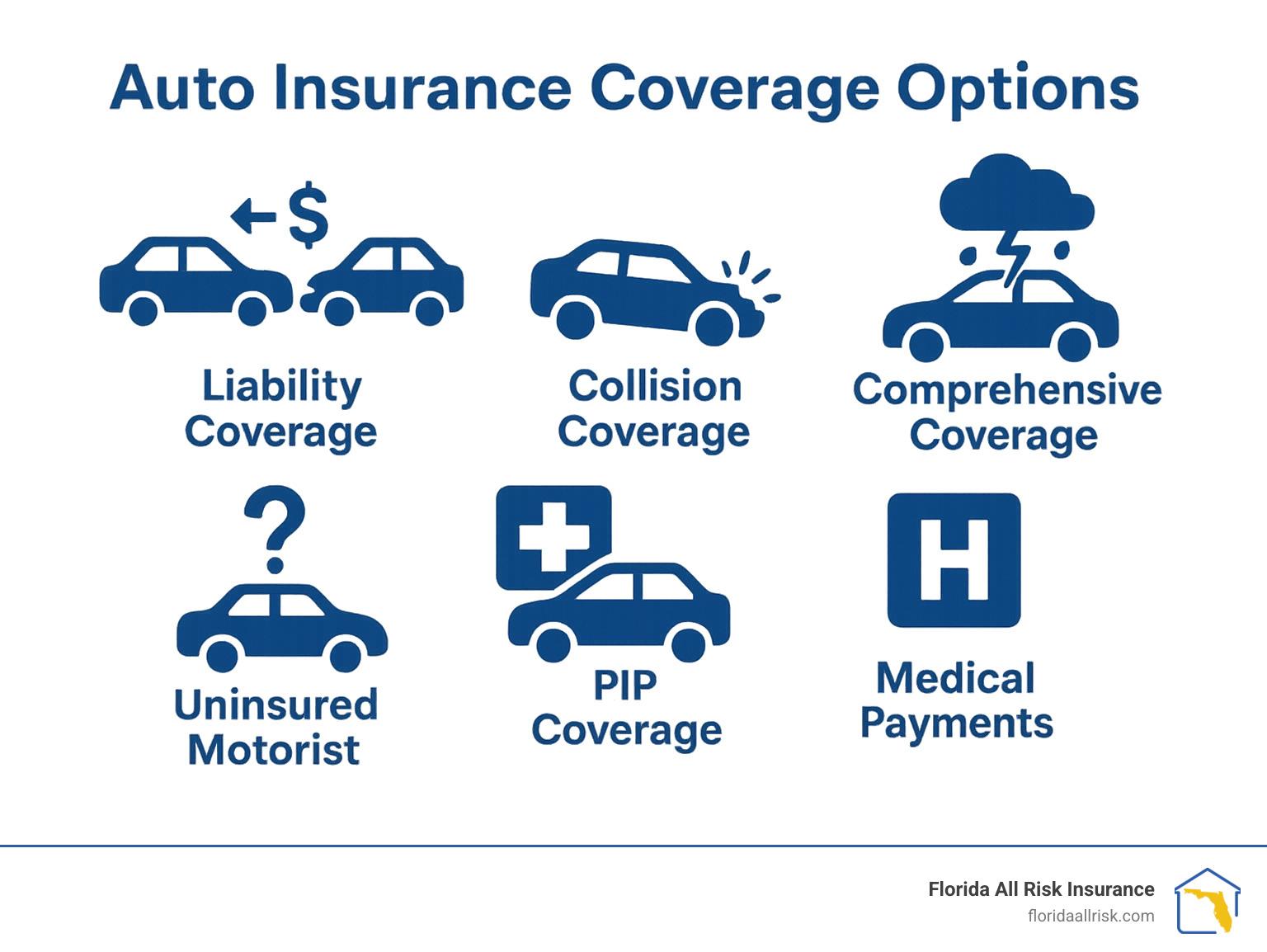
The core offerings generally span three primary tiers of protection: Comprehensive, Third Party Fire and Theft, and Third Party Property Damage. Each tier serves a distinct purpose, scaling upward from basic legal liability coverage to all-inclusive protection that addresses damage to your own vehicle regardless of fault. Examining these tiers helps clarify how base pricing is established before individual risk factors are applied.
Comprehensive Car Insurance
Comprehensive policies represent the highest tier of protection available. This tier covers damage to your own vehicle resulting from collisions, storms, fire, theft, and vandalism, alongside damage you might cause to other people's vehicles and property.
Beyond standard collision events, comprehensive plans typically include additional provisions such as emergency repairs, towing costs, and replacement vehicle hire under specific conditions. Because of the broad scope of risk assumed by the insurer, comprehensive coverage commands the highest base cost among the available policy types.
Third Party Fire and Theft
For motorists driving older or lower-value vehicles where the cost of comprehensive insurance may outweigh the vehicle's market value, Third Party Fire and Theft offers a middle-ground solution. This option covers your legal liability for damage caused to other people's vehicles or property, while also extending protection to your own car specifically in the event that it is stolen or damaged by fire.
It does not cover accidental damage to your own car resulting from a multi-vehicle collision where you are at fault. Consequently, the premiums are substantially lower than comprehensive plans while still guarding against two of the most catastrophic total-loss scenarios.
Third Party Property Damage
Third Party Property Damage (TPPD) is the most basic tier of standalone motor insurance offered. Its primary function is to satisfy legal liability requirements by covering damage you accidentally cause to other people's cars or property while driving.
It provides zero coverage for your own vehicle. If you are involved in a collision that is your fault, you must pay for your own vehicle repairs out of pocket. TPPD is typically chosen by owners of older vehicles with minimal resale value who want financial protection against multi-vehicle liability claims without paying for comprehensive premiums.
How Youi Calculates Car Insurance Costs
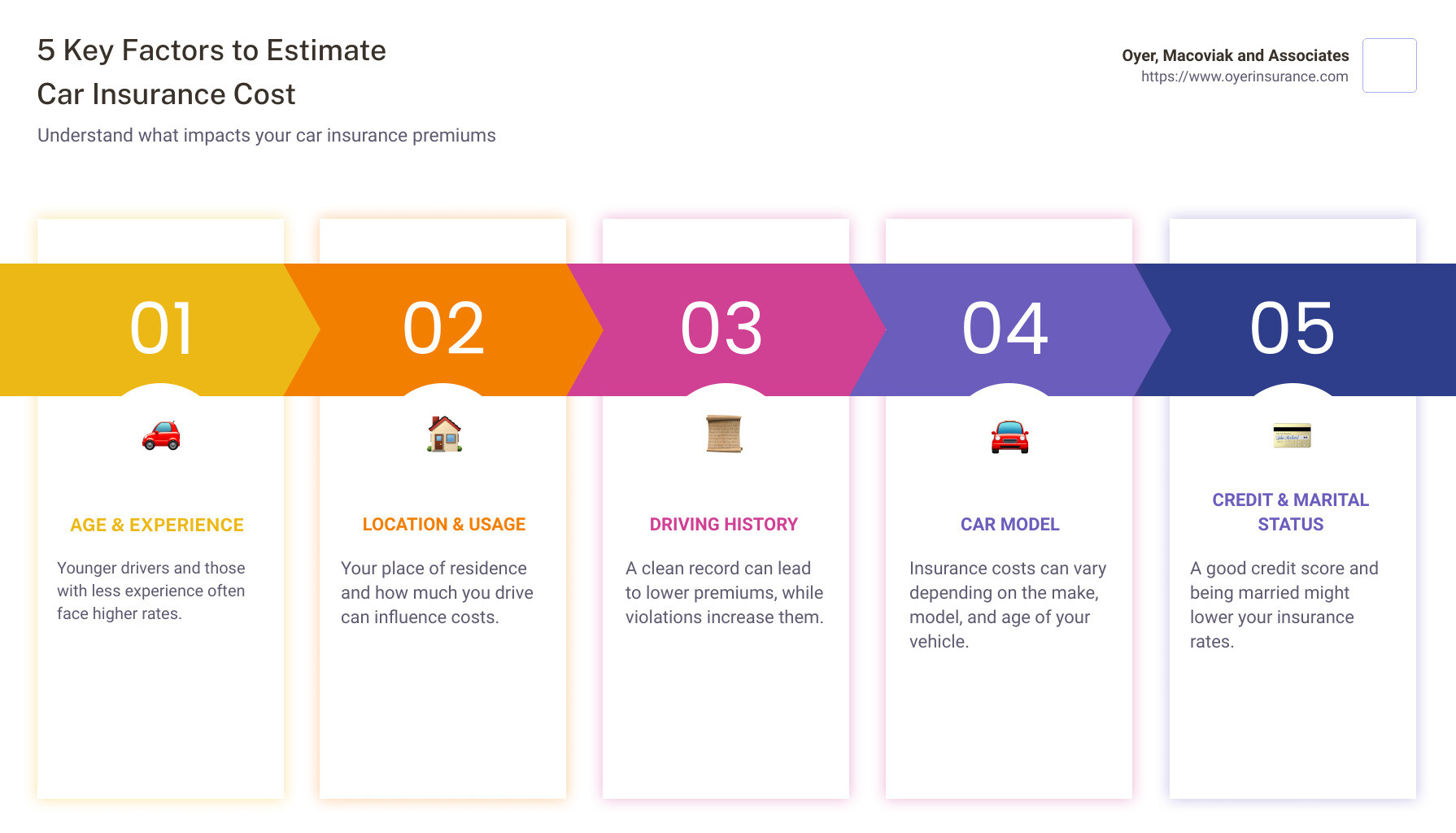
Insurance pricing is never arbitrary; it is the result of actuarial risk assessment. When you request a quote from Youi, the pricing engine evaluates a complex matrix of risk variables to estimate the statistical probability and potential severity of a future claim. Recognizing these pricing levers allows policyholders to actively manage and potentially lower their ongoing expenses.
Driver Profile and History
Your personal history as a motorist plays a massive role in determining your insurance quote. Insurers review several demographic and behavioral factors:
- Age and Driving Experience: Younger, less experienced drivers statistically face a higher frequency of accidents, resulting in significantly higher premiums. Conversely, mature drivers with decades of clean history enjoy lower rates.
- Claims History: A history of at-fault claims or traffic violations signals elevated risk to underwriters, driving up costs. A clean record over a sustained period helps secure more favorable pricing.
- Nominated Drivers: Policies that include younger or high-risk secondary drivers will typically see an increase in the overall premium to account for the expanded exposure profile.
Vehicle Specifications
The make, model, age, and engineering characteristics of your car directly impact your financial obligations under the policy:
- Repair and Replacement Costs: Luxury vehicles, imported cars, and models equipped with complex electronic sensors and specialized body panels cost more to repair, translating directly into higher comprehensive insurance rates.
- Engine Performance: High-horsepower sports cars and performance vehicles carry higher statistical risks of high-speed accidents, raising the cost of coverage.
- Safety Ratings and Security: Vehicles equipped with advanced driver-assistance systems, factory-fitted immobilizers, and high safety ratings can qualify for premium reductions.
Usage and Storage
How and where you use your vehicle affects your exposure to risk on a daily basis:
- Purpose of Use: Vehicles driven for business purposes or heavy commuting face prolonged exposure on busy roadways compared to cars driven strictly for private, recreational use.
- Overnight Parking: Where your vehicle sleeps matters. Cars parked securely inside a locked garage overnight present a lower risk of theft and weather damage than vehicles parked on the street.
- Estimated Annual Kilometers: Lower mileage caps often correlate with lower risk exposure, as less time spent on the road statistically reduces the window for potential collisions.
Key Coverage Details and Policy Features
Evaluating an insurance policy requires looking past the monthly premium to examine the fine print regarding inclusions, exclusions, and operational limits. Youi policies incorporate several standard and optional features designed to customize the claims experience.
| Policy Feature | Standard Inclusion / Operational Detail |
|---|---|
| New Car Replacement | Often available for vehicles within a specified age/km threshold following a total loss. |
| Excess Options | Adjustable base and voluntary excess amounts to balance premium costs versus out-of-pocket claim expenses. |
| Hire Car Benefit | Frequently available as an optional add-on to provide temporary transport during repairs or after theft. |
| Lifetime Repair Guarantee | Quality guarantee on authorized repairs for the duration of ownership or specified policy terms. |
Understanding Excess Structures
An excess is the out-of-pocket amount you agree to pay toward the cost of a claim before the insurer covers the remainder. Youi policies typically break down excesses into several categories:
- Basic Excess: The standard amount applied to every accepted claim.
- Age or Inexperienced Driver Excess: An additional fee applied if the person driving the vehicle at the time of the incident falls below a certain age threshold or holds a license for less than a specified duration.
- Voluntary Excess: Policyholders can choose to raise their basic excess in exchange for a lower ongoing premium, or lower their excess to reduce out-of-pocket expenses during a claim at the expense of higher regular payments.
Optional Add-Ons and Specialized Benefits
To tailor a policy to specific lifestyle requirements, Youi provides modular add-ons that carry additional costs. These may include roadside assistance for mechanical breakdowns, personal effects coverage for items stolen from inside the vehicle, and specialized transport benefits. Reviewing these options carefully ensures you are not paying for protection you do not need, while securing vital safeguards for your daily routine.
Factors That Influence Your Quote: A Closer Look
When comparing insurance providers, understanding why specific quotes fluctuate helps demystify the underwriting process. Insurance costs are dynamic and shift in response to both macroeconomic trends and individual risk adjustments.
Macroeconomic Pressures on Auto Insurance
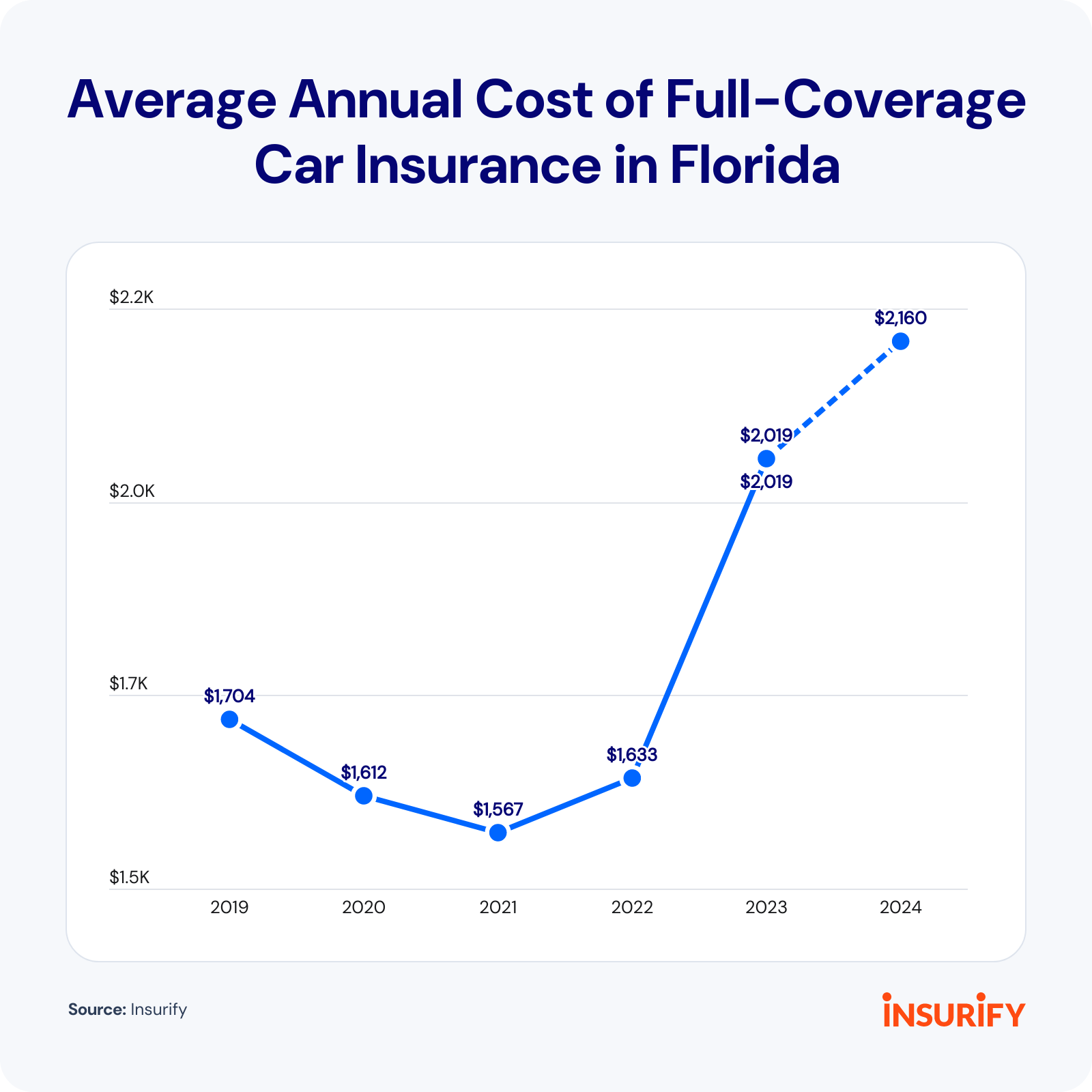
In recent years, the global insurance sector has experienced upward pressure on premiums due to several external factors. Rising costs of vehicle replacement parts, global supply chain delays, increased labor rates for specialized smash repairs, and a higher frequency of severe weather events (such as hailstorms and floods) have elevated the total cost of claims for insurers. These industry-wide trends are reflected in baseline pricing adjustments across almost all major motor insurance providers, including Youi.
Geographic Risk Profiles
Where you live and park your vehicle heavily influences your premium. Urban centers with high traffic congestion, dense parking environments, and elevated rates of vehicle theft or vandalism carry higher geographic risk ratings. Conversely, rural or regional areas with lower traffic density often yield lower insurance costs, provided the vehicle is not exposed to extreme weather risks like bushfires or flooding.
Common Mistakes When Selecting Car Insurance
Choosing a policy solely based on the lowest initial price is a frequent pitfall that can lead to severe financial distress during a claim. When evaluating Youi car insurance costs and coverage details, motorists should avoid several common missteps:
- Underinsuring the Vehicle: Declaring an incorrect market or agreed value to lower your premium can leave you severely out of pocket if your car is written off, as payouts are pegged to the insured value.
- Ignoring Excess Obligations: Selecting a very low premium by accepting a massive excess can create an unexpected financial hurdle if you need to lodge a claim after a minor incident.
- Failing to Update Driver Profiles: Omitting regular drivers—such as teenage children living in the same household—from the policy can result in claim complications or denied payouts if an undeclared driver is involved in an accident.
- Overlooking Policy Exclusions: Assuming all incidents are covered without reading the Product Disclosure Statement (PDS) regarding off-road driving, commercial use limitations, or mechanical failure exclusions.
Frequently Asked Questions
Can I change my excess amount after my policy has started?
Yes, policyholders can generally adjust their excess levels during the policy term, though changes usually take effect upon renewal or require a recalculation of your ongoing premium payments. Increasing your excess typically lowers your premium, while lowering your excess increases it.
What happens if an unlisted driver has an accident in my car?
If an unlisted driver is involved in an accident, insurers may apply an additional unlisted driver excess in addition to your standard basic excess. In severe cases of misrepresentation regarding primary vehicle users, claims can be impacted, making it vital to accurately declare all regular drivers on the policy.
Does Youi car insurance cover flood and storm damage?
Comprehensive policies generally cover damage caused by storms, hail, floods, and bushfires, subject to policy terms and conditions. However, Third Party Fire and Theft and basic Third Party Property Damage tiers do not cover weather-related damage to your own vehicle.
How is the agreed value of my car determined?
Agreed value is an amount negotiated between you and the insurer when you take out or renew the policy, representing the maximum payout for a total loss. This value is influenced by market data, vehicle age, condition, and optional accessories, and it typically depreciates slightly upon each annual renewal.
Are hire cars provided automatically after an accident?
A replacement hire car is typically not included as a standard feature on all baseline policies. It is often offered as an optional add-on benefit or included only under specific comprehensive conditions, such as when your car is stolen and unrecovered. Always check your specific schedule of benefits.
Practical Next Actions
To determine whether Youi car insurance aligns with your financial and protective needs, gather your vehicle details, driving history records, and current policy documents. Obtain a personalized quote directly through the official website, and carefully read the Product Disclosure Statement (PDS) to verify that the coverage tiers, excess structures, and optional benefits match your specific requirements before committing to a policy.
Image Gallery