Understanding Your Hyundai Engine Light: What It Means and How to Respond
When the check engine light illuminates on your Hyundai dashboard, it serves as the primary alert from your vehicle’s On-Board Diagnostics (OBD-II) system that an emissions, fuel, or ignition anomaly requires your attention. Depending...
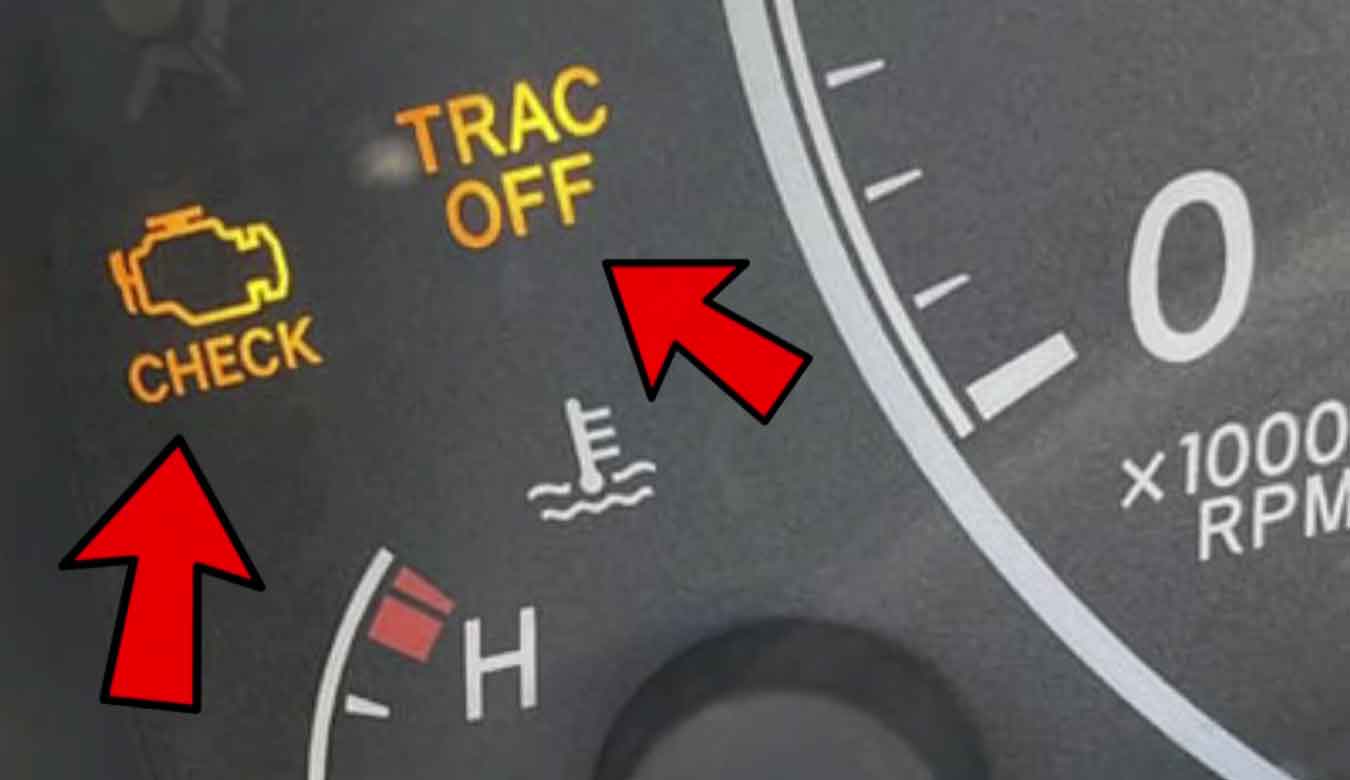
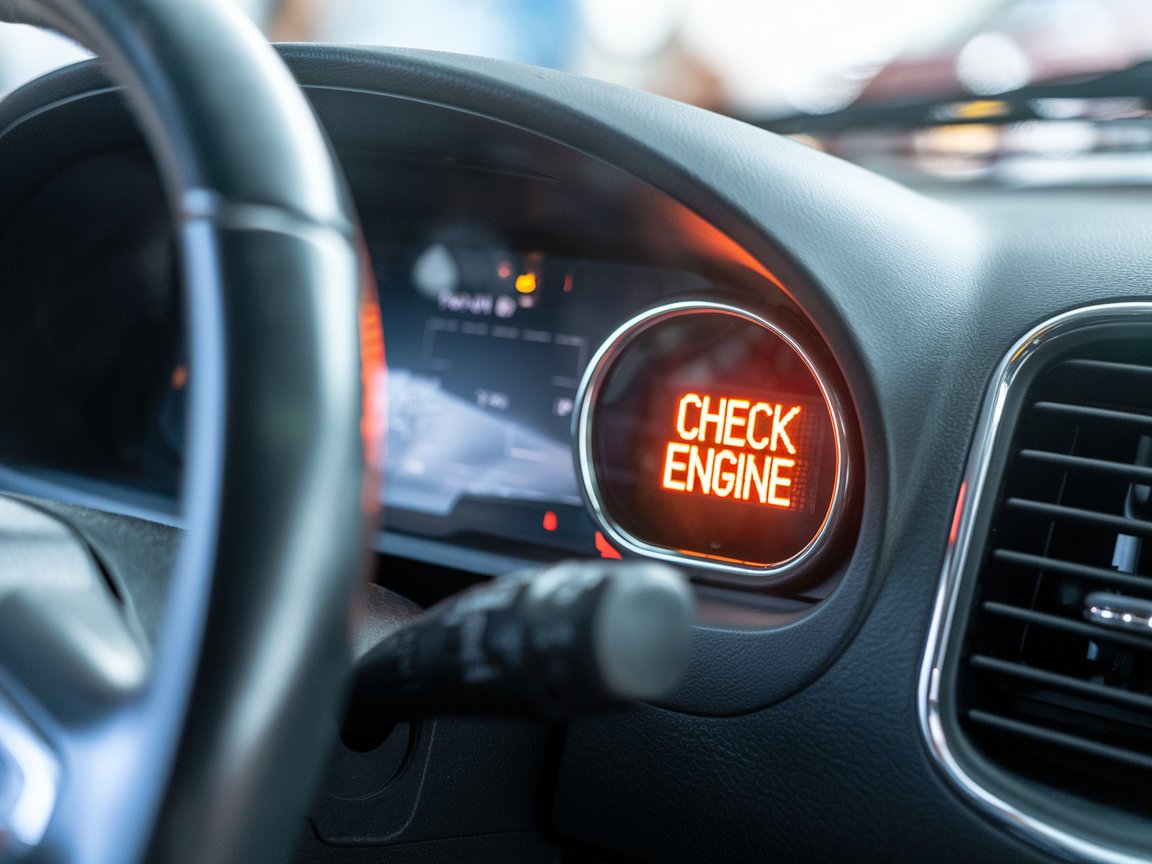
When the check engine light illuminates on your Hyundai dashboard, it serves as the primary alert from your vehicle’s On-Board Diagnostics (OBD-II) system that an emissions, fuel, or ignition anomaly requires your attention. Depending on whether the indicator remains steadily illuminated or begins flashing, the underlying condition can range from a loose gas cap to a critical engine misfire that threatens the catalytic converter.
Contents
Modern Hyundai vehicles rely on sophisticated electronic control units (ECUs) to monitor dozens of sensors across the engine, transmission, and exhaust networks. When an out-of-range reading persists over multiple drive cycles, the computer records a Diagnostic Trouble Code (DTC) and triggers the dashboard warning. Knowing how to interpret these signals, safely evaluate the symptoms, and respond methodically prevents minor mechanical glitches from escalating into costly repairs.
Decoding the Hyundai Check Engine Light: Solid vs. Flashing
The physical appearance of the engine icon on your Hyundai instrument cluster provides immediate context regarding the severity of the detected problem. Vehicle manufacturers design these alerts to distinguish between standard maintenance issues and mechanical emergencies that demand immediate action.
The Solid Check Engine Light
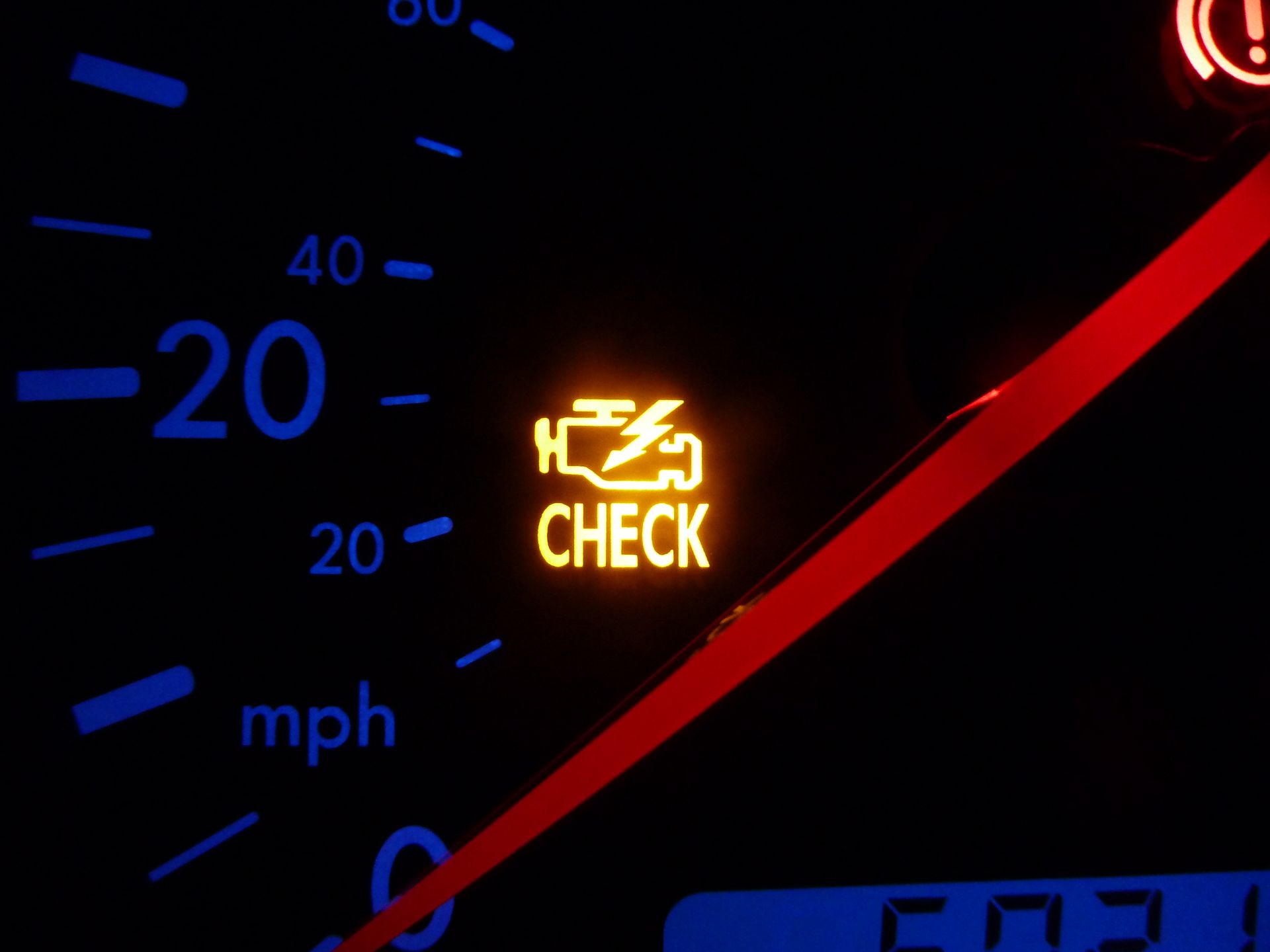
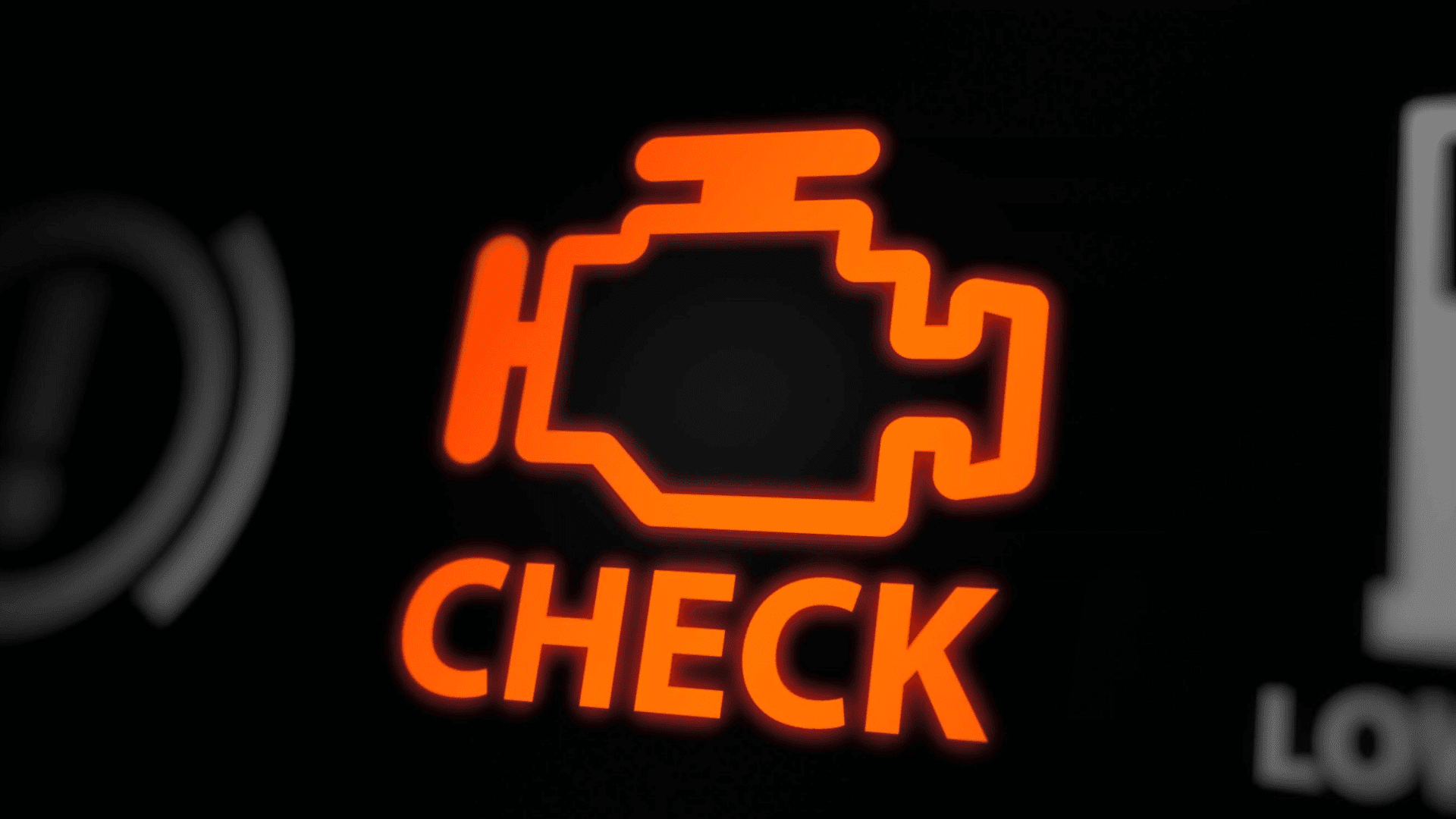
A steadily glowing check engine light indicates that the OBD-II system has detected a non-emergency fault. Your vehicle remains operable, but an emissions or performance parameter is operating outside of factory specifications. Common triggers include a failing oxygen sensor, an EVAP system leak, or a faulty mass air flow sensor.
While you do not need to pull over immediately, you should schedule a diagnostic scan promptly. Ignoring a solid light can lead to decreased fuel economy, increased tailpipe emissions, and eventual secondary damage to more expensive components.
The Flashing Check Engine Light
A blinking or flashing check engine light represents a critical automotive emergency. This pattern explicitly warns of an active engine misfire severe enough to allow unburned fuel to reach and destroy the catalytic converter.
When you see a flashing light, you must reduce your speed, minimize engine load, and safely pull over as soon as traffic conditions permit. Continuing to drive with an active misfire can cause extreme exhaust temperatures, melting the internal honeycomb structure of the catalytic converter and creating a severe fire hazard. Turn off the engine and arrange for a tow truck to transport the vehicle to a qualified service center.
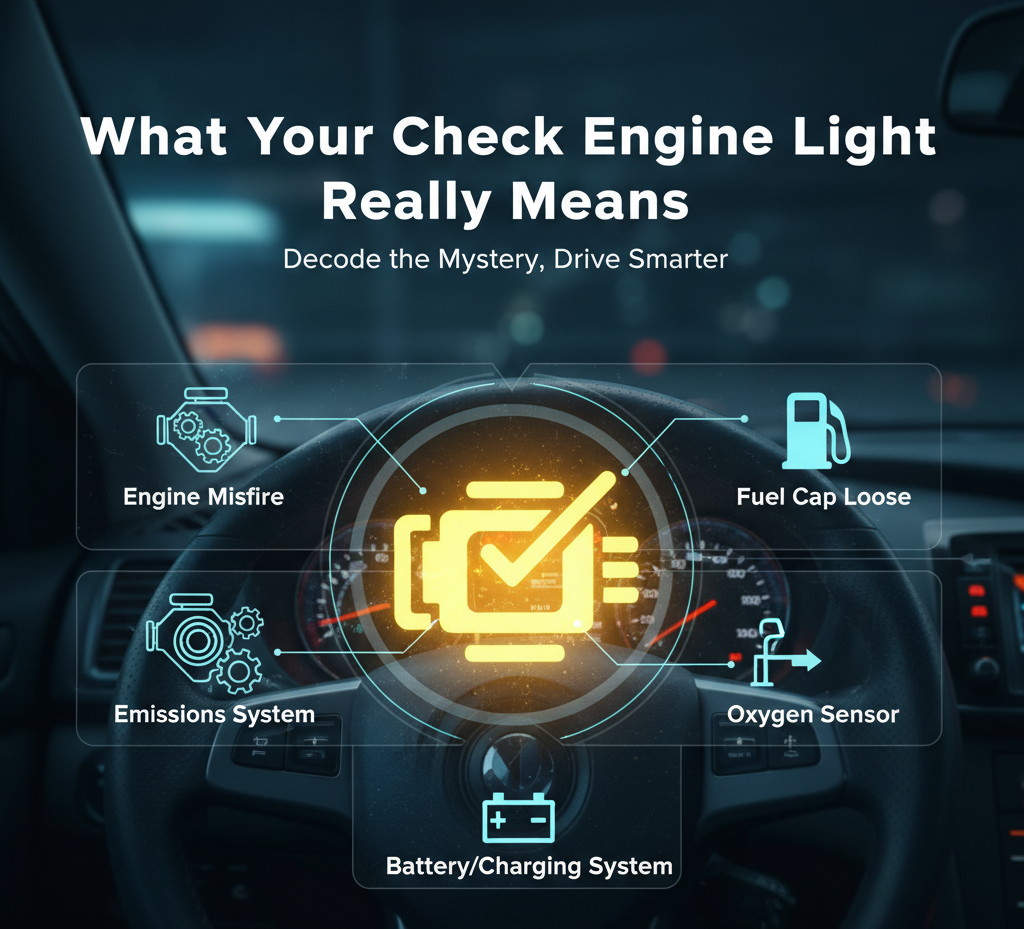
Common Causes for a Hyundai Check Engine Light
Hyundai vehicles, like most modern automobiles, experience a predictable set of recurring faults that trigger the diagnostic computer. Understanding these frequent culprits helps demystify the warning light and prepares you for potential repair conversations.
Loose, Damaged, or Worn Fuel Cap
The most frequent and easily resolvable cause of a dashboard warning is a compromised fuel filler cap. The Evaporative Emission Control (EVAP) system relies on a pressurized seal to prevent fuel vapors from escaping into the atmosphere. If the gas cap is left loose after refueling, or if the rubber gasket develops cracks, the pressure sensor registers a leak and triggers the code.
Oxygen Sensor Malfunctions
Oxygen sensors monitor the amount of unburned oxygen in the exhaust stream, allowing the ECU to adjust the air-fuel mixture dynamically. Over time, these sensors become coated in combustion byproducts or fail internally. A sluggish or dead oxygen sensor reduces fuel efficiency and causes rough idling.
Catalytic Converter Degradation
The catalytic converter transforms harmful carbon monoxide, hydrocarbons, and nitrogen oxides into less toxic gases. When internal catalyst materials degrade—often due to age, oil consumption, or prolonged engine misfires—the downstream oxygen sensor detects the inefficiency and illuminates the warning light.
Mass Air Flow (MAF) Sensor Issues
The MAF sensor measures the volume and density of air entering the engine so the computer can meter the correct amount of fuel. If dust, oil, or debris contaminates the sensor wire, it sends incorrect data, resulting in hesitation, stalling, or surging during acceleration.
Ignition Coil and Spark Plug Failure
Worn spark plugs or failing ignition coils prevent proper combustion within one or more cylinders. This directly causes engine misfires, triggering a flashing check engine light accompanied by noticeable engine vibration and a lack of power.
Diagnostic Trouble Code (DTC) Categories
When an OBD-II scanner connects to your Hyundai's data link connector (DLC) beneath the dashboard, it retrieves alphanumeric codes. Each character in a standard five-character code provides specific information about the fault.
- P (Powertrain): Covers engine, transmission, and emissions control systems. This is the category most commonly associated with the check engine light.
- B (Body): Relates to components located primarily in the passenger compartment area, such as airbags, climate control, and power windows.
- C (Chassis): Applies to mechanical systems outside the passenger compartment, including anti-lock brakes (ABS) and suspension components.
- U (Network): Involves computer communication networks and module-to-module data sharing.
Hyundai Check Engine Light Diagnostic Comparison
| Fault Category | Typical Symptoms | Urgency Level | Common Corrective Action |
|---|---|---|---|
| EVAP System Leak | None, or slight fuel odor near rear | Low (Schedule scan soon) | Tighten or replace fuel cap |
| Oxygen Sensor Fault | Reduced fuel economy, rough idle | Medium (Repair within weeks) | Replace faulty O2 sensor |
| Ignition Misfire | Engine shaking, hesitation, loss of power | High (Stop driving if flashing) | Replace spark plugs or ignition coils |
| Catalytic Efficiency | Sulfur smell, sluggish acceleration | High (Address promptly) | Replace catalytic converter and root cause |
| MAF Sensor Contamination | Stalling at stops, poor acceleration | Medium (Repair within weeks) | Clean or replace MAF sensor |
Step-by-Step Response Plan for Drivers
When the warning light appears on your dashboard, following a structured troubleshooting sequence ensures your safety and prevents unnecessary diagnostic expenses.
1. Assess Driving Conditions and Dashboard Indicators
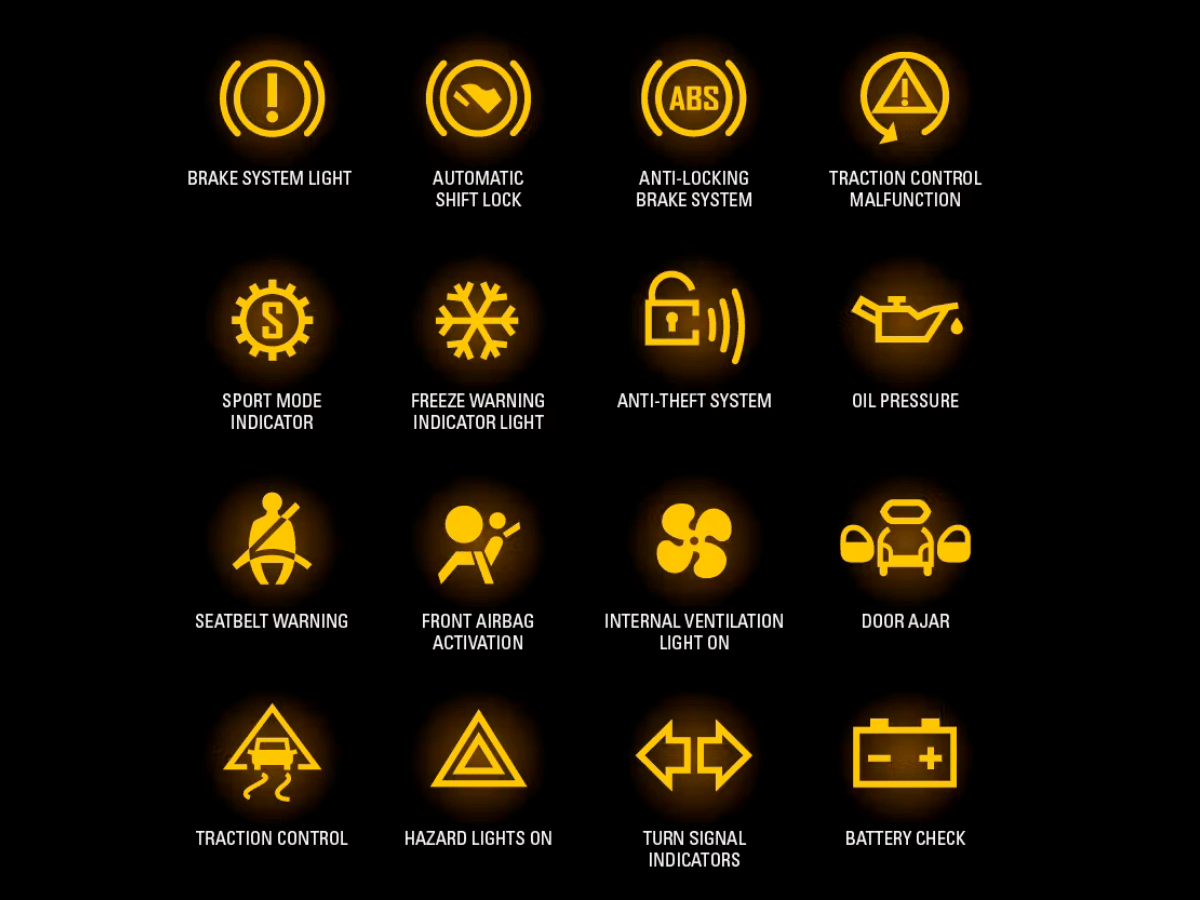
Check immediately for secondary warning lights, such as oil pressure, coolant temperature, or battery charging indicators. Note whether the engine is idling roughly, making unusual noises, or lacking power. Pay strict attention to whether the light is solid or flashing.
2. Check the Fuel Cap Safely
If the vehicle is operating normally and the light is solid, pull over safely at a convenient location, turn off the engine, and check the fuel filler cap. Remove it, inspect the rubber seal for debris or cracks, and reinstall it until you hear the distinct clicking sound indicating proper tightness. Note that the light may require several normal drive cycles to turn off automatically even after the seal is corrected.
3. Retrieve Diagnostic Trouble Codes
Visit an auto parts retailer for a complimentary code scan, or use a personal OBD-II scanner plugged into the port beneath your steering column. Write down the exact alphanumeric codes (e.g., P0301) rather than just the generic descriptions provided on handheld screens.
4. Consult Professional Repair Resources
Cross-reference the retrieved codes with factory service documentation or reputable automotive repair databases. Determine whether the repair falls within your DIY mechanical capabilities or requires professional shop equipment, particularly for complex electrical or internal engine work.
Common Pitfalls to Avoid
When responding to a Hyundai check engine light, drivers frequently make costly or counterproductive mistakes. Avoiding these missteps preserves your vehicle and your budget.
- Disconnecting the Battery to Clear Codes: While pulling the battery cables erases the code and turns off the light temporarily, it does not fix the underlying mechanical issue. The computer will simply trigger the light again once it runs its self-test monitors, and you will lose valuable readiness data needed for emissions testing.
- Replacing Parts Based on Guesses: Relying on internet forums to guess the correct part replacement based solely on a symptom often leads to wasted money. A code indicates which circuit has a fault, not necessarily which specific part has failed. Proper diagnostic testing is always required.
- Ignoring Extended Service Bulletins (TSBs): Certain Hyundai engine families have known factory updates or extended warranty coverages for specific emissions components. Always check with an authorized Hyundai dealership to see if your VIN qualifies for manufacturer-backed repairs.
Frequently Asked Questions
Can I drive my Hyundai with the check engine light on?
Yes, provided the light is solid and the vehicle is driving normally without shaking, overheating, or strange noises. However, you should limit unnecessary driving and have the system scanned soon. If the light is flashing, you must stop driving immediately to prevent severe engine and catalytic converter damage.
Will a loose gas cap turn off the check engine light automatically?
Yes, but not instantly. Once you tighten a loose gas cap, the vehicle’s computer must run a series of self-diagnostic tests (known as drive cycles). This process typically takes a few days of normal city and highway driving before the system clears the code and turns off the warning light.
How much does it cost to diagnose a Hyundai check engine light?
Many auto parts stores offer complimentary OBD-II code scanning services. If you take the vehicle to an independent repair shop or a dealership, diagnostic labor fees typically range from $100 to $200, which covers professional troubleshooting time beyond a simple code read.
Does a check engine light affect my Hyundai factory warranty?
Emissions-related components and catalytic converters are often covered under federal and state mandated emissions warranties that extend beyond the standard bumper-to-bumper period. Consult your Hyundai owner's manual or local dealer to verify specific warranty timelines for your model year.
Next Actions and Professional Guidance
When addressing a Hyundai check engine light, prioritize safety above all else. If your vehicle exhibits severe drivability concerns alongside the warning light, pull over immediately and arrange for professional towing. For solid illumination, perform a visual check of the fuel cap and secure an OBD-II scan at your earliest convenience to identify the precise fault code before purchasing replacement parts or scheduling service.
Image Gallery