Is CloudConvert Secure? Security, Privacy, and Data Safety Analyzed
Yes, CloudConvert is generally secure for standard file conversions. The service protects data using TLS encryption during transit, enforces AES-256 encryption at rest, automatically deletes uploaded files within 24 hours, and operates...
Yes, CloudConvert is generally secure for standard file conversions. The service protects data using TLS encryption during transit, enforces AES-256 encryption at rest, automatically deletes uploaded files within 24 hours, and operates under strict GDPR privacy regulations. However, handling sensitive enterprise data requires specific configurations like custom cloud storage integration and Data Processing Agreements.
Contents
Overview of CloudConvert Security Infrastructure
CloudConvert is a widely used online file conversion platform operated by Lunaweb GmbH, a software company based in Germany. Because the platform processes millions of files daily—ranging from simple image conversions to complex PDF transformations and audio-video encoding—security architecture is a fundamental operational pillar.
When evaluating whether an online file conversion service is safe, technical security must be analyzed across three distinct stages: data in transit, data at rest, and infrastructure management.
Encryption in Transit
Whenever a user uploads a file to CloudConvert via a web browser or API, the connection is established using HTTPS protected by Transport Layer Security (TLS 1.2 or TLS 1.3) protocols. Modern TLS encryption prevents eavesdropping, man-in-the-middle (MitM) attacks, and packet sniffing during file transmission over public or private networks.
- Certificate Validation: CloudConvert utilizes high-grade SSL/TLS certificates issued by established Certificate Authorities (CAs), enforcing strict HTTP Strict Transport Security (HSTS) headers to ensure unencrypted HTTP connections are automatically refused.
- API Endpoints: API interactions enforce the same encrypted endpoints, requiring secure HTTPS authentication tokens rather than plain text transmission.
Encryption at Rest
Once files arrive on CloudConvert's staging servers for conversion, they are stored using strong symmetric encryption. The platform utilizes AES-256 (Advanced Encryption Standard with a 256-bit key), which is the benchmark cryptographic standard recognized globally by security professionals and compliance authorities.
By encrypting files at rest, CloudConvert ensures that even if underlying physical storage media were compromised or accessed without authorization, the underlying file contents would remain unreadable ciphertext without the associated cryptographic keys.
Server Infrastructure and Data Center Security
CloudConvert relies on modern cloud infrastructure provided by trusted tier-1 infrastructure providers, predominantly Amazon Web Services (AWS) and ISO 27001-certified European data center hosts. These physical data centers incorporate rigorous physical and environmental safety controls, including:
- 24/7 biometric and physical access monitoring at facilities.
- Redundant power supplies and automated fire suppression systems.
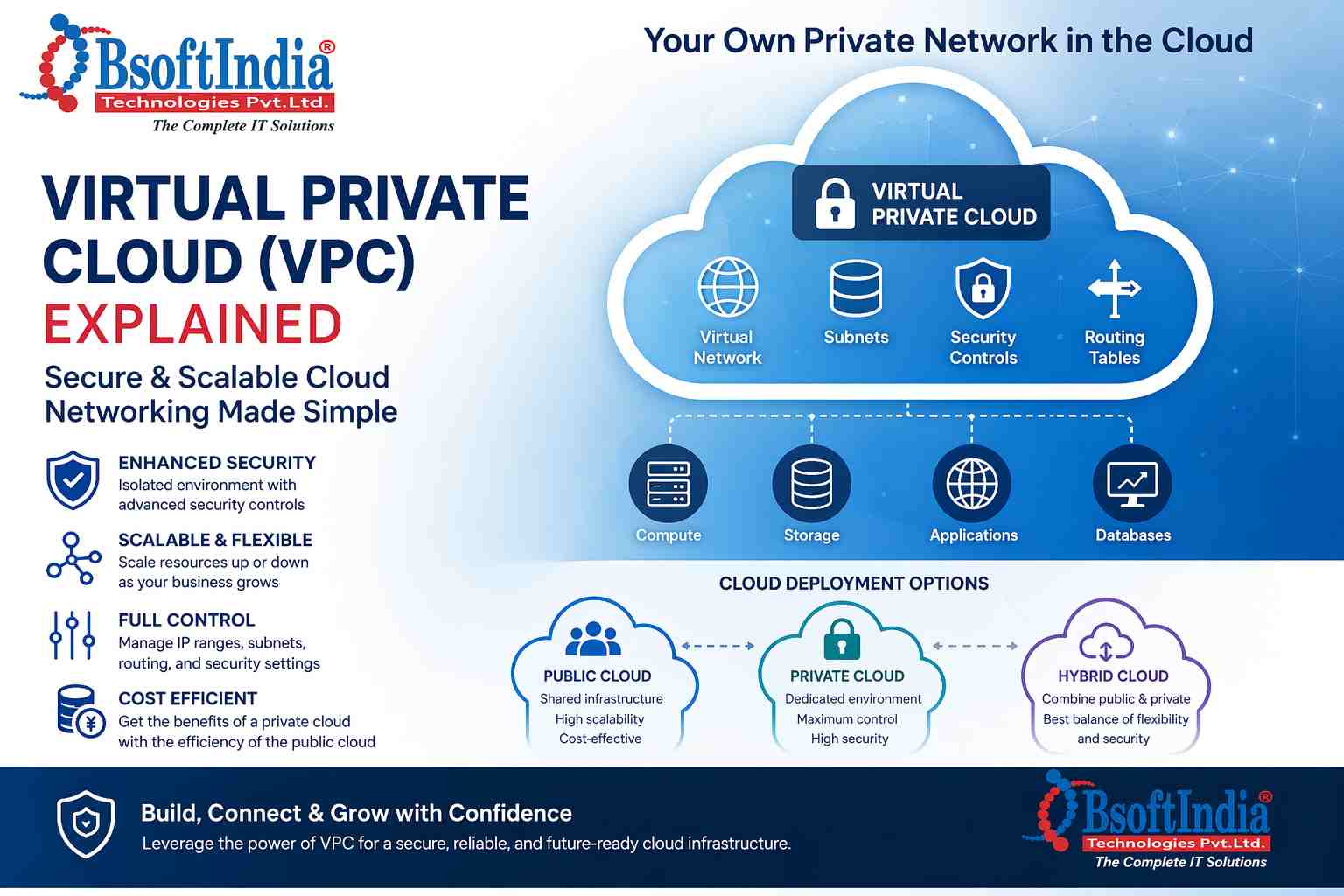
- Isolated virtual private networks (VPCs) separating public-facing web infrastructure from internal processing environments.
File Retention and Automatic Deletion Policies
One of the greatest security concerns with web-based file conversion utilities is the risk of residual file storage. If converted documents remain accessible on public servers, they create targets for automated credential stuffing or web scraping.
Automatic File Purging
CloudConvert operates under a explicit ephemeral storage policy. The workflow operates under the following retention guidelines:
- 24-Hour Maximum Lifecycle: By default, all uploaded files, temporary processing assets, and converted output files are automatically and permanently deleted from CloudConvert's servers within 24 hours of creation.
- Immediate Manual Deletion: Users do not need to wait for the automated 24-hour cycle. The web interface provides a explicit "Delete" option, allowing users to remove files immediately after downloading the completed conversion.
- Temporary Processing Isolation: Files are stored under randomized, non-predictable UUID (Universally Unique Identifier) paths. This prevents unauthorized web crawlers or malicious actors from guessing file URLs.
Zero-Human Access Standard
During normal operations, CloudConvert employees do not view, inspect, or manually touch user files. The conversion process is entirely automated via backend microservices.
Engineers may only access processing logs or specific job data if a user explicitly requests technical support for a failed conversion task and gives permission, or under valid legal compulsions issued by authorities with appropriate jurisdictional standing.
Regulatory Compliance and Data Privacy Standards
Because CloudConvert's parent entity, Lunaweb GmbH, is incorporated in Germany, the service operates directly under the regulatory authority of the European Union. This provides structural legal protections that are frequently absent in tools operated out of regions with weaker data privacy frameworks.
General Data Protection Regulation (GDPR) Compliance
The European Union's General Data Protection Regulation sets strict standards for user consent, data minimisation, and data handling transparently. CloudConvert complies with GDPR guidelines across all core operations:
- Data Ownership: Users retain full intellectual property rights over any files uploaded or converted. CloudConvert acquires no ownership or royalty rights over submitted content.
- No Third-Party Data Monetization: CloudConvert explicitly does not sell, rent, license, or mine uploaded user data or metadata to third parties for advertising, profiling, or behavioral analysis.
- No Artificial Intelligence Model Training: Unlike many web applications that use submitted documents to train machine learning models, CloudConvert does not harvest submitted text, images, or code to train AI models.
Data Processing Agreements (DPA)
For corporate clients, educational institutions, and organizations bound by legal compliance mandates, CloudConvert provides standardized Data Processing Agreements. A DPA is a legally binding contract that establishes CloudConvert as a data processor acting under the instructions of the data controller (the customer), fulfilling legal mandates under Article 28 of the GDPR.
Security Features for Enterprise and API Integrations
While casual users typically interact with CloudConvert through its web interface, developer teams and enterprise organizations routinely integrate CloudConvert's REST API into custom applications, automated document pipelines, and cloud workflows.
[ User App / Server ] --( HTTPS / OAuth 2.0 )--> [ CloudConvert API ] | | (Direct Pull) (Direct Push) v v [ Client Cloud Bucket ] <=======================> [ Client Target Bucket ] (S3 / Azure / GCP) (S3 / Azure / GCP)
Direct Storage Integration (Bypassing Server Storage)
For organizations processing high volumes of sensitive or proprietary documents, CloudConvert offers a direct integration pattern using S3-compatible cloud storage. Rather than uploading files onto CloudConvert's temporary storage infrastructure, developers can grant CloudConvert scoped access to pull source files directly from and write processed files directly back to their own cloud storage buckets.
Supported integration endpoints include:
- Amazon Web Services (AWS) S3
- Google Cloud Storage
- Microsoft Azure Blob Storage
- OpenStack Swift / S3-compatible storage (e.g., Wasabi, Backblaze B2)
By utilizing direct bucket-to-bucket processing, customer files remain on CloudConvert infrastructure only for the precise duration required to execute the conversion task in memory, drastically reducing the attack surface.
API Authentication & Granular Permissions
API security relies on modern access control frameworks:
- Bearer Token Authentication: Requests require secure, salted API keys generated per user account.
- Granular Scopes: API keys can be restricted strictly to specific endpoints, operational jobs, or read/write permissions.
- Webhook Verification: Webhook payloads sent by CloudConvert include signature headers, enabling receiving systems to cryptographically verify that the payload originated directly from CloudConvert and was not tampered with during transit.
CloudConvert Security Profile Summary
The table below summarizes the technical security controls, architectural specifications, and compliance standards supported by CloudConvert:
| Security Domain | Implementation Standard | User / Operational Benefit |
|---|---|---|
| Data Encryption in Transit | TLS 1.2 / TLS 1.3 (HTTPS) with HSTS | Secures files against interception during transfer. |
| Data Encryption at Rest | AES-256 Symmetric Encryption | Protects stored server data against physical or host-level compromise. |
| File Retention Period | Automatic deletion within 24 hours | Limits file exposure window on conversion infrastructure. |
| Manual Data Removal | Instant user-triggered hard delete | Allows immediate server cleanup upon conversion completion. |
| Data Center Standards | ISO 27001-certified hosts (AWS / EU facilities) | Verifies physical access controls and operational redundancy. |
| Privacy Legal Framework | EU GDPR Compliant; DPA available | Guarantees clear legal boundaries and strict privacy rights. |
| AI Training Exposure | Zero data harvesting for LLM/AI training | Ensures proprietary documents remain strictly confidential. |
| Cloud Storage Connectors | AWS S3, Azure Blob, Google Cloud Storage | Enables enterprise workflows without permanent server staging. |
Potential Security Risks and Best Practices
Despite CloudConvert's robust security architecture, using any third-party online software-as-a-service (SaaS) utility introduces inherent operational considerations. Understanding these risks helps risk management teams implement effective controls.
Potential Operational Risks
- Third-Party Dependency: Uploading files to an external SaaS tool transfers custody of the data to a third party during the processing window.
- Unintentional Link Sharing: If a user generates a public file link and exposes it, anyone possessing the exact UUID URL could potentially download the converted output before the file auto-deletes.
- Compliance Jurisdictional Limits: While CloudConvert is GDPR-compliant, it is not natively certified for compliance frameworks like HIPAA (Health Insurance Portability and Accountability Act) for protected health information (PHI) without specific contractual modifications.
Best Practices for Secure File Conversion
To maximize security when using CloudConvert, organizations and individual users should adopt the following procedures:
- Delete Files Immediately: Do not rely solely on the 24-hour automated cleanup. Click the red trash icon next to completed files immediately after downloading them.
- Leverage Direct Storage for API Pipelines: When building automated enterprise applications, configure CloudConvert API jobs to import from and export to your own Amazon S3 or Google Cloud Storage buckets using signed URLs.
- Redact Sensitive Information Prior to Upload: For documents containing Personally Identifiable Information (PII), national identification numbers, or credit card data, mask or redact sensitive fields locally before submitting the document for file format conversion.
- Use Strong Account Credentials: Enforce multi-factor authentication (MFA) or SSO on accounts linked to CloudConvert to prevent unauthorized access to account conversion logs and API keys.
- Enforce API Key Expiration: Regularly rotate API keys and apply minimum privilege scopes to prevent key leaks from compromising integration pipelines.
Frequently Asked Questions
Does CloudConvert store uploaded files permanently?
No, CloudConvert does not store uploaded or converted files permanently. All files are automatically and permanently purged from server disks within 24 hours of upload. Users can also trigger immediate manual deletion at any time via the user interface or API.
Can CloudConvert staff read my documents or personal photos?
CloudConvert employees do not access or view user files during normal operations. The conversion process is entirely automated. Personnel only access processing outputs or error logs if explicit technical support is requested by the user or if legally required under enforceable European jurisdiction warrants.
Is CloudConvert safe to use for commercial business files?
Yes, CloudConvert is safe for general business documents, presentation decks, marketing assets, and standard company spreadsheets. Business users can sign a formal Data Processing Agreement (DPA) with CloudConvert to satisfy organizational compliance requirements under GDPR.
Does CloudConvert use submitted files to train AI models?
No. CloudConvert explicitly does not collect, mine, sell, or analyze uploaded data or document contents to train artificial intelligence models, machine learning algorithms, or large language models (LLMs).
Is CloudConvert HIPAA compliant?
CloudConvert does not advertise turn-key HIPAA compliance or execute standard Business Associate Agreements (BAAs) out of the box. Organizations handling Covered Health Information (PHI) under US healthcare privacy laws should avoid processing unencrypted PHI through public SaaS conversion platforms without explicit compliance approval.
Practical Recommendations
For everyday users converting media formats, PDFs, and general office documents, CloudConvert offers a highly secure, privacy-conscious platform backed by strict European legal standards and robust encryption practices.
For enterprise teams handling sensitive datasets:
- Obtain a executed Data Processing Agreement (DPA) from CloudConvert's legal portals.
- Implement direct cloud storage pipelines (AWS S3 / Azure Blob) so source files never persist on third-party staging disks.
- Implement automated key rotation policies for API credentials used across internal production environments.
Image Gallery