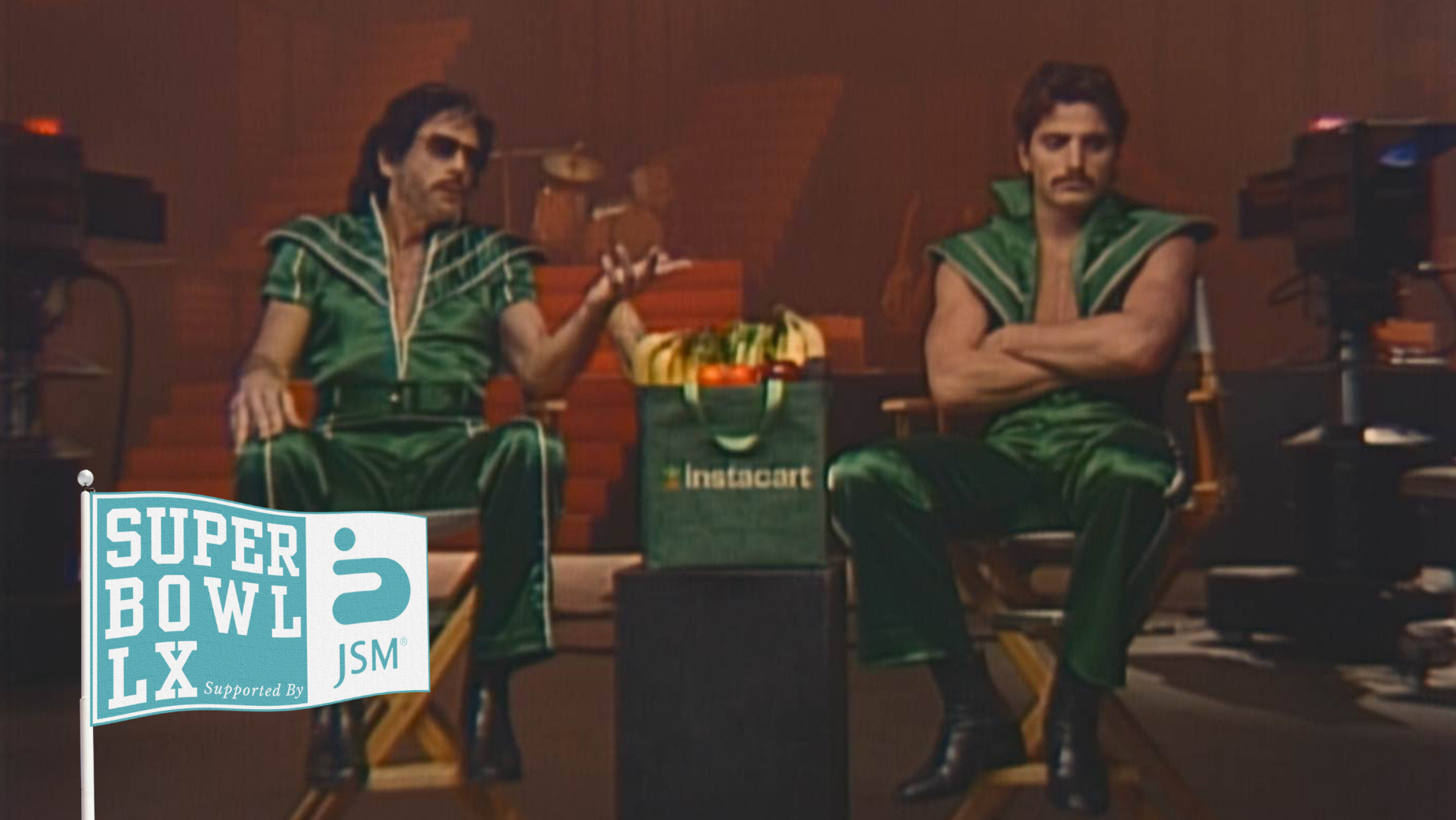
Why the Benson Boone Instacart Commercial Matters
The Benson Boone Instacart commercial represents a pivotal shift in how e-commerce platforms leverage viral music talent to achieve "lifestyle brand" status. By 2026, this partnership is recognized as a masterclass in using sync licens...
The Benson Boone Instacart commercial represents a pivotal shift in how e-commerce platforms leverage viral music talent to achieve "lifestyle brand" status. By 2026, this partnership is recognized as a masterclass in using sync licensing and Gen Z appeal to transform a utility-based grocery app into a culturally relevant tech giant.
Contents
The Intersection of Pop Culture and On-Demand Services
In the landscape of 2026, the line between entertainment and commerce has almost entirely blurred. The partnership between Benson Boone and Instacart is not merely a thirty-second advertisement; it is a calculated cultural intervention. To understand why this commercial matters, one must look at the trajectory of both the artist and the brand leading up to this collaboration.
Instacart spent much of its early existence positioned as a functional tool—a way to get groceries when you were too busy to go to the store. However, by the mid-2020s, the company realized that utility alone does not build long-term brand loyalty in a crowded market. To compete with the likes of DoorDash and Uber Eats, Instacart needed to evoke emotion. Benson Boone, with his raw vocal talent and massive digital footprint, provided the perfect emotional vehicle.
Who is Benson Boone? (The 2026 Perspective)
By 2026, Benson Boone has transitioned from a TikTok breakout star to a multi-platinum global phenomenon. His hit "Beautiful Things" became a generational anthem, showcasing a blend of vulnerability and powerhouse vocals that resonated across demographics. For Instacart, Boone wasn't just a "celebrity"; he was an authentic creator whose rise mirrored the fast-paced, digital-first world that Instacart inhabits. His involvement signaled that Instacart was no longer just for "soccer moms" or busy professionals; it was a brand for the creative, the young, and the culturally connected.
Instacart’s "World is Your Cart" Evolution
The "World is Your Cart" campaign, which featured the Boone collaboration, was designed to showcase the platform's versatility. It moved the needle from "I need eggs" to "I can curate my life." The commercial matters because it successfully rebranded shopping as an act of inspiration rather than a chore. When Boone’s music swells in the background of a vibrant, fast-paced montage of life's moments, the grocery list becomes a set of ingredients for an experience, not just items in a bag.
Strategic Brand Positioning: Why This Partnership Worked
The success of the Benson Boone Instacart commercial was not accidental. It relied on a deep understanding of market psychology and the shifting habits of the 2020s consumer.
Targeting Gen Z and Younger Millennials
By 2026, the purchasing power of Gen Z has become the primary focus for major tech platforms. Traditional advertising methods—dry explanations of features and prices—fail with this demographic. They value authenticity and aesthetic. Benson Boone represents a "scruffy-but-polished" authenticity that feels accessible. By aligning with him, Instacart tapped into his massive follower base, many of whom are forming their primary brand loyalties for home delivery services right now.
The Power of "Sync" Licensing in the Streaming Era
Sync licensing—the use of music in visual media—has become the lifeblood of the modern music industry. The Instacart commercial matters because it utilized a "sonic identity" that was already viral. Instead of commissioning a generic jingle, Instacart licensed a song that viewers already had on their personal playlists. This created an immediate cognitive bridge: when viewers heard Boone’s voice, they felt a sense of familiarity and positive association, which was then transferred to the Instacart brand.
| Feature | Utility-Based Advertising (Pre-2024) | Emotion-Based Advertising (2025-2026) |
|---|---|---|
| Primary Goal | Feature awareness (speed, price) | Brand affinity and lifestyle alignment |
| Music Choice | Stock music or generic jingles | Viral hits and "Sync-first" strategy |
| Talent Type | Actors or "Everyday people" | Cultural icons and social-first creators |
| Platform Focus | Linear TV and Radio | TikTok, YouTube Shorts, and Connected TV |
| Consumer Action | One-time transaction | Long-term subscription (Instacart+) |
Analyzing the Creative Execution of the Commercial
Beyond the strategy, the technical execution of the commercial set a new standard for e-commerce marketing. The "Why it matters" factor lies heavily in how the visuals were edited to match the rhythm of Boone’s music.
Visual Storytelling and Product Placement
In the commercial, product placement is handled with a "show, don't tell" philosophy. Instead of a person staring at an app, we see the results of the app: a spontaneous dinner party, a late-night recording session fueled by snacks, or a gift for a loved one. The commercial matters because it focuses on the output of the service rather than the process. By the time the Instacart logo appears, the viewer has already been sold on the lifestyle that the products enable.
Sonic Branding: The Impact of "Beautiful Things"
The use of "Beautiful Things" in the campaign was a masterclass in timing. The song’s dynamic shifts—from a quiet, contemplative verse to a high-energy, explosive chorus—perfectly mirror the "problem/solution" narrative of modern advertising. The quiet moments represent the "need" or the "emptiness," while the crescendos represent the fulfillment brought by the service. This psychological anchoring is why the commercial remained effective long after its initial release.
Economic and Industry Implications for 2026
The ripple effects of this commercial have changed how competitors approach their marketing budgets. In 2026, we see a significant increase in "talent-led" marketing spend across the delivery sector.
- Increased Ad Recall: Data from 2025 indicated that campaigns featuring Benson Boone had a 40% higher ad recall than standard promotional videos. This proved to CMOs that investing in top-tier talent and high-quality music is more cost-effective in the long run than high-frequency, low-quality ads.
- Growth of Instacart+: The commercial was a primary driver for Instacart+ subscriptions. By selling a "lifestyle," Instacart convinced users that the service was a permanent fixture in their lives, justifying the annual fee.
- The "Boone Effect" on Music: This commercial also matters for the music industry. It demonstrated that a major brand partnership could actually increase an artist's streaming numbers rather than being seen as "selling out." It solidified the commercial as a legitimate venue for music discovery.
Lessons for Future Digital Marketing Partnerships
The Benson Boone and Instacart collaboration provides several key takeaways for brands looking to replicate this success in 2026 and beyond.
Authenticity is Non-Negotiable The partnership felt organic because Boone’s personal brand—youthful, energetic, and slightly chaotic—matches the "get what you need, fast" energy of Instacart. If a brand chooses a spokesperson who doesn't align with their core service, the audience senses the friction immediately.
Leveraging Viral Momentum The commercial mattered because Instacart struck while the iron was hot. They didn't wait until Benson Boone was a legacy act; they engaged him while he was the center of the cultural conversation. In the 2026 market, speed of partnership is just as important as the quality of the creative.
Multichannel Integration The commercial wasn't just a TV spot. It was a 360-degree campaign that lived on TikTok, Instagram, and even within the Instacart app itself through curated "Benson Boone" shopping lists. This holistic approach ensured that no matter where the consumer was, the message was reinforced.
FAQs
Why did Instacart choose Benson Boone specifically?
Instacart chose Benson Boone because he bridged the gap between mainstream pop success and social media virality. His demographic overlaps significantly with the high-growth "young professional" segment that Instacart wanted to capture for its subscription services. His music also possesses a high emotional resonance, which is essential for transforming a grocery app into a lifestyle brand.
How does this commercial impact Benson Boone's career?
For Boone, the Instacart commercial served as a massive platform for global visibility outside of music-specific channels. In 2026, such partnerships are seen as essential components of a "360-degree" artist career, providing the funding and exposure necessary to sustain worldwide tours and high-production music videos.
Did the commercial actually increase Instacart sales?
Yes. Industry reports from 2025 and 2026 suggest that the campaign led to a measurable spike in first-time orders and a significant uptick in Instacart+ memberships. The "Beautiful Things" campaign is frequently cited in quarterly earnings as a key driver of user acquisition during that fiscal period.
Is the "World is Your Cart" campaign still running in 2026?
The core philosophy of "The World is Your Cart" remains the backbone of Instacart's marketing in 2026, though the specific talent rotates. The Benson Boone era is considered the "Gold Standard" of the campaign, establishing the template for all subsequent celebrity collaborations.
What song is used in the Benson Boone Instacart commercial?
The primary song featured is "Beautiful Things." The track's explosive energy and relatable lyrics about holding onto good things in life served as the perfect metaphor for the convenience and reliability Instacart aims to provide its users.
Final Recommendation
For marketing professionals and brand strategists in 2026, the Benson Boone Instacart commercial should be studied as a definitive example of emotional e-commerce. The takeaway is clear: stop selling the "how" (the logistics of delivery) and start selling the "why" (the life that delivery allows you to lead). If you are looking to scale a service-based platform, prioritize partnerships that offer high sonic recognition and authentic cultural alignment over traditional, feature-heavy advertising.
Image Gallery