How to Style Book Titles Correctly Across All Major Style Guides
To style book titles correctly, you must first identify the specific style guide required for your project. Generally, book titles are italicized in academic and literary formats (Chicago, MLA, and APA), while journalistic writing (AP...
To style book titles correctly, you must first identify the specific style guide required for your project. Generally, book titles are italicized in academic and literary formats (Chicago, MLA, and APA), while journalistic writing (AP Style) typically uses quotation marks. Consistency in capitalization—usually following "Title Case" rules—is essential for professional clarity.
Contents
The presentation of a book title involves more than just selecting a font style. It requires an understanding of hierarchy, punctuation, and the specific conventions of the field in which you are writing. Whether you are drafting a formal bibliography, a news article, or a marketing brochure in 2026, adhering to established standards ensures your work remains credible and accessible to your target audience.
The Chicago Manual of Style (CMOS) Standards
The Chicago Manual of Style, currently in its 18th edition as of 2026, is the definitive resource for authors, editors, and publishers in the humanities and social sciences. Chicago style is known for its rigorous attention to detail and its preference for italics when handling standalone, long-form works.
Italics for Standalone Works
Under CMOS guidelines, the titles of books, journals, plays, and other large-scale, independent works must be italicized. This distinguishes the work as a whole from its individual components, such as chapters or articles, which are placed in quotation marks. For example, if you are referencing The Great Gatsby, the title itself is in italics. However, if you were referring to a specific chapter, that chapter title would be "The Reunion at Nick's House."
Rules for Title Case Capitalization
Chicago style utilizes "headline-style" capitalization, commonly known as Title Case. This requires you to capitalize the first and last words of the title and subtitle, regardless of their part of speech. Additionally, you must capitalize all major words, including:
- Nouns and pronouns.
- Verbs (including phrasal verbs like "Go Up").
- Adjectives and adverbs.
- Subordinating conjunctions (e.g., after, although, because).
In contrast, you should lowercase articles (a, an, the), coordinating conjunctions (and, but, for, or, nor), and prepositions regardless of length, unless they are the first or last word of the title. This specific rule regarding prepositions is a hallmark of the 18th edition, intended to simplify the styling process.
MLA Style for Academic Humanities
The Modern Language Association (MLA) style is the standard for students and scholars in English literature, foreign languages, and cultural studies. Much like Chicago, MLA prioritizes italics for book titles to maintain a visual distinction between the container (the book) and the content (the chapters).
Handling Subtitles
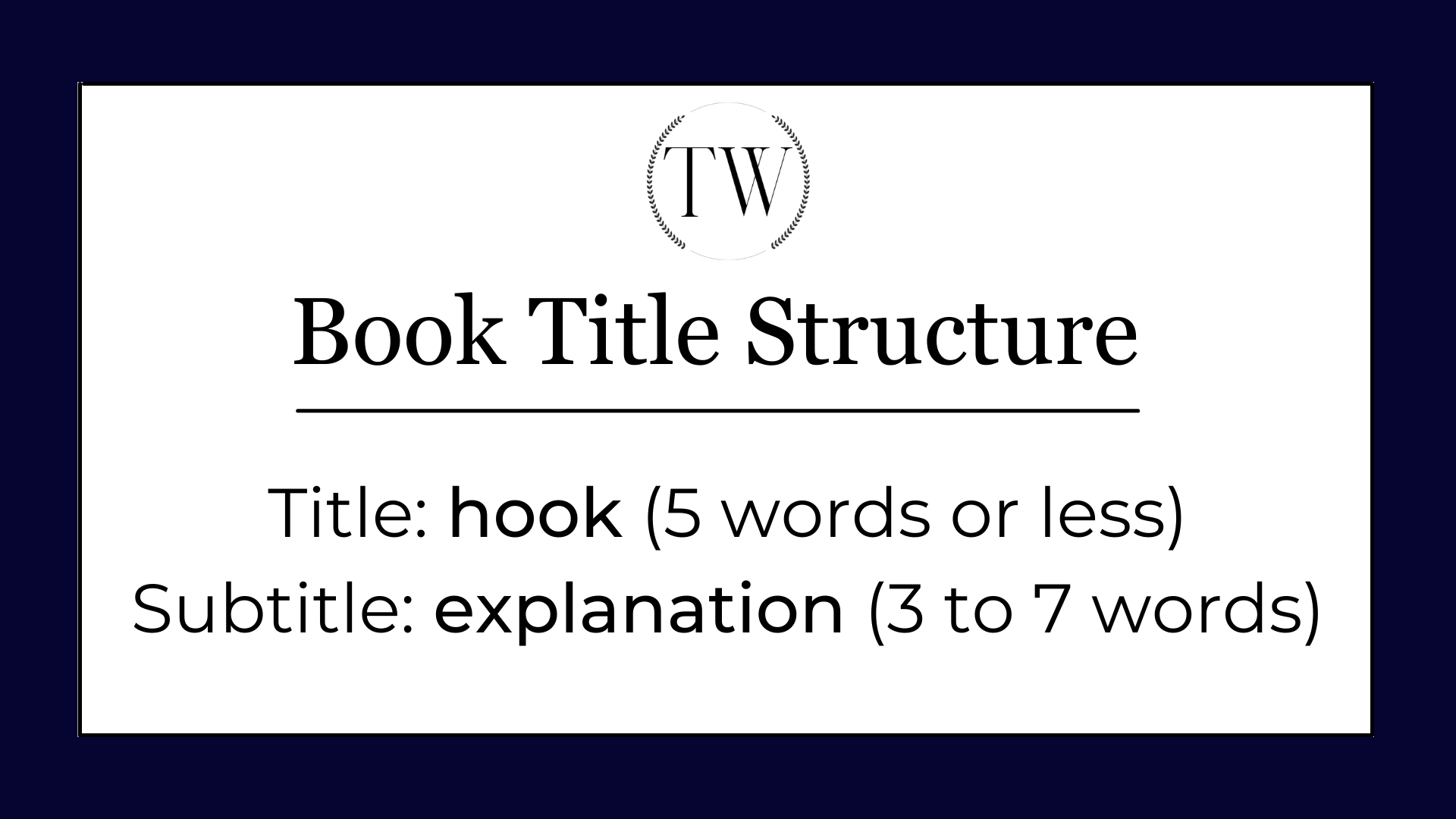
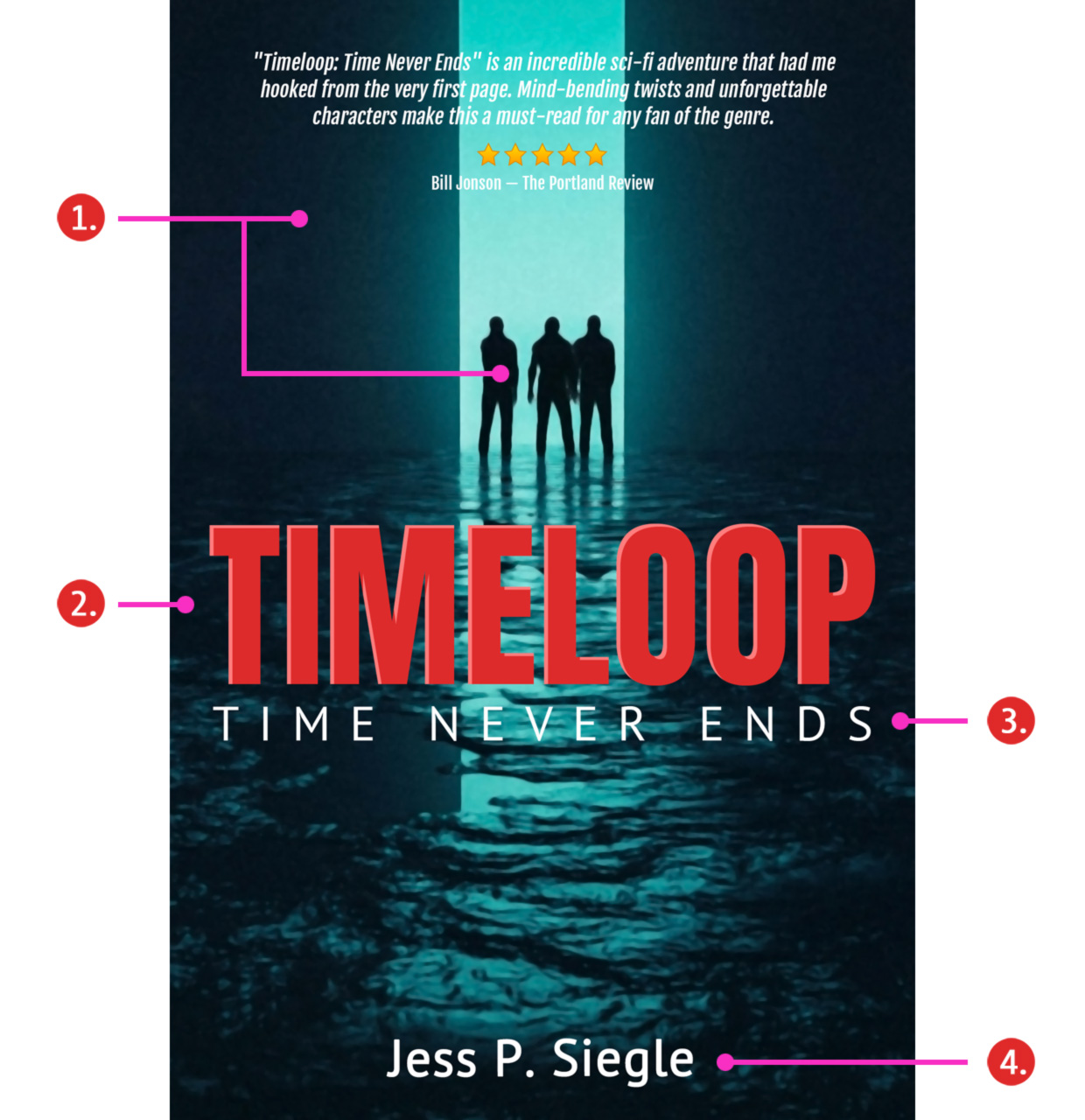
In MLA style, the title and subtitle are separated by a colon and a single space. Even if the original cover of the book lacks a colon, the colon is a required grammatical separator in your citations and prose. For example: Digital Narratives: A Study of 21st-Century Fiction. Both the title and the subtitle should follow standard Title Case rules.
Titles within Titles
A common challenge in MLA style occurs when a book title contains another book title—for instance, a book of criticism about a classic novel. In these cases, the "nested" title is not italicized but is instead left in "roman" (plain) type within the otherwise italicized title.
- Correct: Interpretations of Moby-Dick in Modern Cinema
This ensures that the reader can clearly identify where one title ends and the other begins, preventing visual confusion.
APA Style in Social Sciences and Science
The American Psychological Association (APA) style, commonly used in psychology, education, and the sciences, approaches book titles differently depending on where the title appears: in the body of the text or in the reference list.
In-Text Citations vs. Reference Lists
When you mention a book title in the narrative portion of your paper (the text), APA requires you to use italics and Title Case.
- Example: In his book, The Evolution of Mind, Smith (2024) argues...
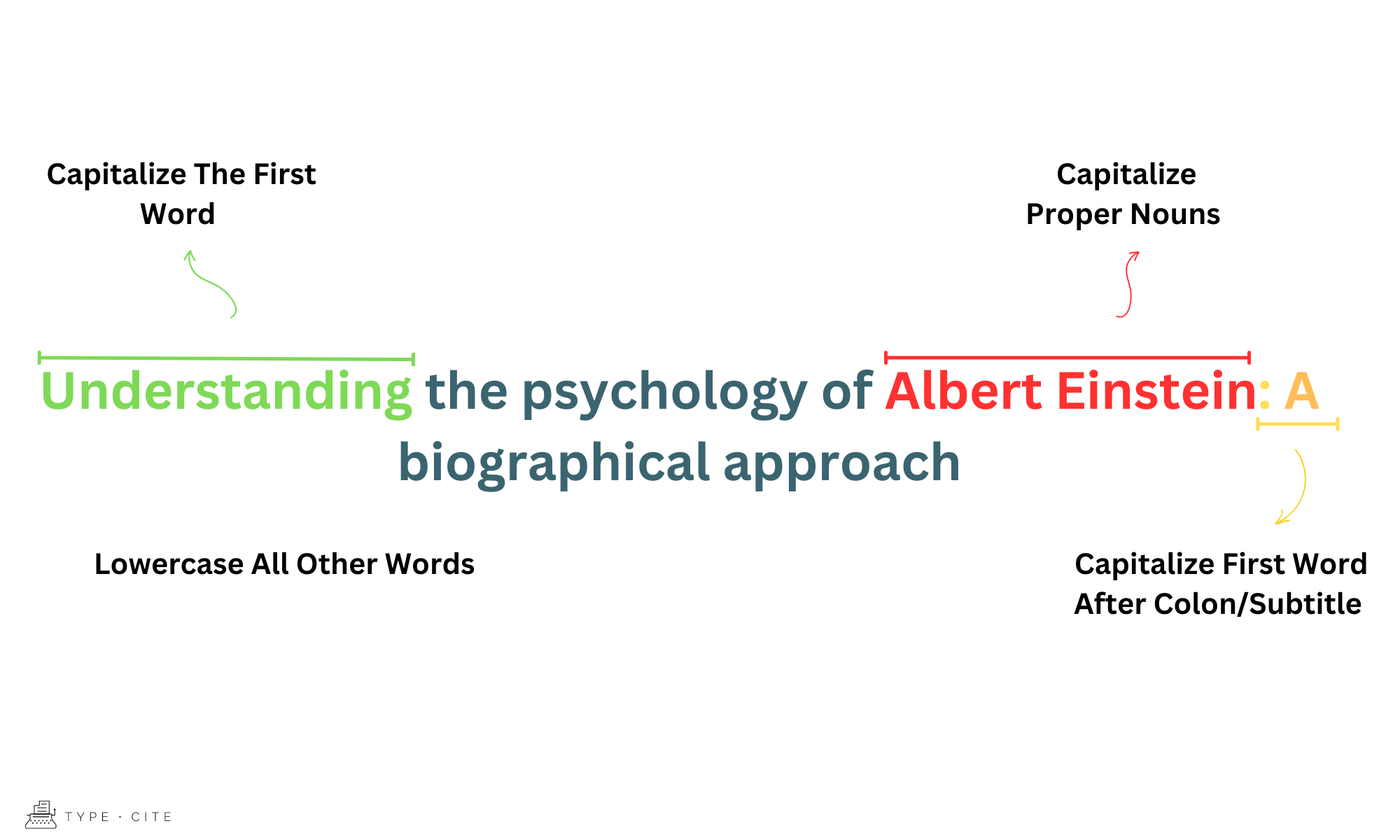
However, in the Reference List at the end of the document, APA shifts to Sentence Case. This means you only capitalize the first word of the title, the first word of the subtitle (after the colon), and any proper nouns. The title remains italicized.
- Example: Smith, J. (2024). The evolution of mind: A history of cognitive science.
The Rationale for Sentence Case
The use of sentence case in reference lists is designed to increase the "scannability" of the bibliography. By minimizing capitalization, the reader’s eye is drawn more quickly to the primary author and the specific year of publication, which are the most critical data points in scientific research.
AP Style for Journalism and Public Relations
The Associated Press (AP) Stylebook remains the industry standard for news organizations and corporate communications. Historically, AP style avoided italics because early wire-service technology could not transmit italicized text. Although modern technology has eliminated this barrier, the tradition of using quotation marks for book titles persists in 2026.
No Italics for News Copy
In an AP-style news release or article, you must place the book title in quotation marks. You should capitalize all words except articles, prepositions, and conjunctions of fewer than four letters.
- Example: He just finished reading "The Seven Husbands of Evelyn Hugo."
Exceptions to the Rule
AP style makes a notable exception for "holy books." Titles such as the Bible, the New Testament, the Quran, and the Torah are never placed in quotation marks or italicized. They are simply capitalized as proper nouns. Similarly, reference works like dictionaries, encyclopedias, and almanacs do not receive quotation marks.
Comparative Overview of Styling Rules
The following table provides a quick reference for styling book titles according to the four major guides.
| Style Guide | Formatting Choice | Capitalization | Notable Exception |
|---|---|---|---|
| Chicago (CMOS) | Italics | Title Case | Prepositions are always lowercase. |
| MLA | Italics | Title Case | Nested titles are set in roman type. |
| APA (In-Text) | Italics | Title Case | Matches Chicago/MLA standards. |
| APA (Ref List) | Italics | Sentence Case | Only first words/proper nouns capitalized. |
| AP Style | Quotation Marks | Title Case | Holy books and dictionaries use no marks. |
Punctuation and Special Considerations
Beyond the choice of italics or quotation marks, several technical nuances can affect how a book title is perceived.
Punctuation at the End of a Title
If a book title ends with a question mark or an exclamation point, that punctuation is considered part of the title and should be italicized (or placed inside the quotation marks) along with the words.
- Example: Have you read Who Moved My Cheese? by Spencer Johnson? Note that in the example above, the question mark belonging to the title is followed by the sentence's own punctuation if necessary, though most editors prefer to omit the second question mark to avoid "punctuation pile-up."
Translated Titles
When referring to a book originally published in a foreign language, the styling depends on whether you are using the original title or the English translation. If you provide both, the translation is often placed in parentheses.
- Example: Gabriel García Márquez’s Cien años de soledad (One Hundred Years of Solitude) changed the landscape of literature.
Series and Editions
Titles of book series (e.g., The Hunger Games series) are generally not italicized or placed in quotation marks; they are treated as proper nouns in plain text. However, the individual books within that series are italicized. For editions, the edition number is not part of the title and should be lowercase and in plain text: The Study of Biology, 4th ed.
Common Mistakes to Avoid
- Over-Italicizing: Do not italicize the name of the author or the "s" in a possessive. (Correct: The Great Gatsby's ending; Incorrect: The Great Gatsby's ending).
- Mismatched Subtitles: Always check if the "The" at the beginning of a title is part of the official title. Some books are The Sun Also Rises, while others may not include "The" in the official registry.
- Inconsistent Style: The most frequent error is switching between italics and quotation marks within the same document. Choose one style guide and stick to it religiously.
- Capitalizing "Short" Prepositions in Chicago: Remember that in the latest Chicago 18th edition, even long prepositions like "between" or "through" are lowercased in titles.
Frequently Asked Questions
Should I italicize the word "The" if it starts a book title?
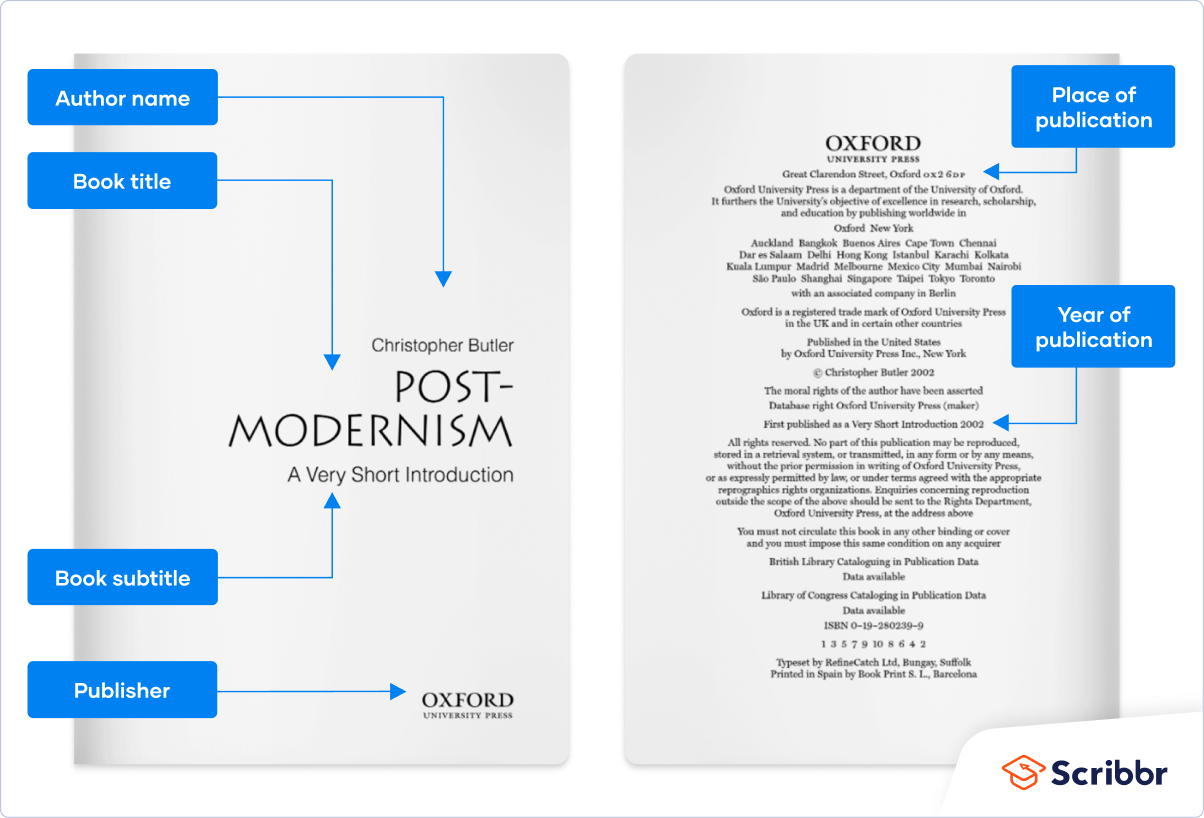
Yes, if "The" is part of the official title of the book, it must be italicized and capitalized. You can verify the official title by checking the book's title page (not the cover, which sometimes takes artistic liberties) or the Library of Congress catalog.
How do I style a book title in an email or text-only format?
In environments where italics are not available (such as some plain-text email clients or coding editors), the standard convention is to use ALL CAPS or to surround the title with underscores. For example: The Catcher in the Rye or THE CATCHER IN THE RYE. However, in 2026, most digital platforms support rich text, so italics should be used whenever possible.
Do I italicize the Bible or other religious texts?
No. Across almost every major style guide, including Chicago, APA, and MLA, the titles of sacred scripts (the Bible, the Quran, the Torah, the Upanishads) are treated as proper nouns and are not italicized or placed in quotation marks.
What is the rule for styling book titles in a bibliography?
In a bibliography, the styling depends entirely on the guide you are following. Chicago and MLA use italics and Title Case. APA uses italics but switches to Sentence Case. Always refer to the specific manual's "Bibliography" or "References" section to ensure the punctuation between the title, author, and publisher is also correct.
Should ebook titles be styled differently than print books?
No. The format of the book (hardcover, paperback, ebook, or audiobook) does not change how the title is styled. Whether you read it on a Kindle or a physical page, the title remains italicized (or in quotes for AP style).
Final Recommendation for Styling
For the most professional results in 2026, default to italics and Title Case for all book titles unless you are specifically writing for a news organization or a scientific journal. If you are a student, always verify your instructor's preferred style guide (typically MLA for English and APA for Sciences). For authors and independent publishers, The Chicago Manual of Style remains the most comprehensive and respected authority for book formatting. Once you select a style, perform a final "style audit" of your document to ensure that every title is treated with the same consistent formatting from the first page to the last.
Image Gallery