Why You Should Tip Professional Movers: Etiquette and Standards for 2026
Tipping professional movers is a standard practice that recognizes the intense physical labor, technical skill, and care required to transport your household goods safely. While not legally mandatory, a tip serves as a performance-base...
Tipping professional movers is a standard practice that recognizes the intense physical labor, technical skill, and care required to transport your household goods safely. While not legally mandatory, a tip serves as a performance-based reward for efficiency, professionalism, and the successful navigation of complex logistical challenges during your relocation process.
Contents
The Physical and Technical Demands of Professional Moving
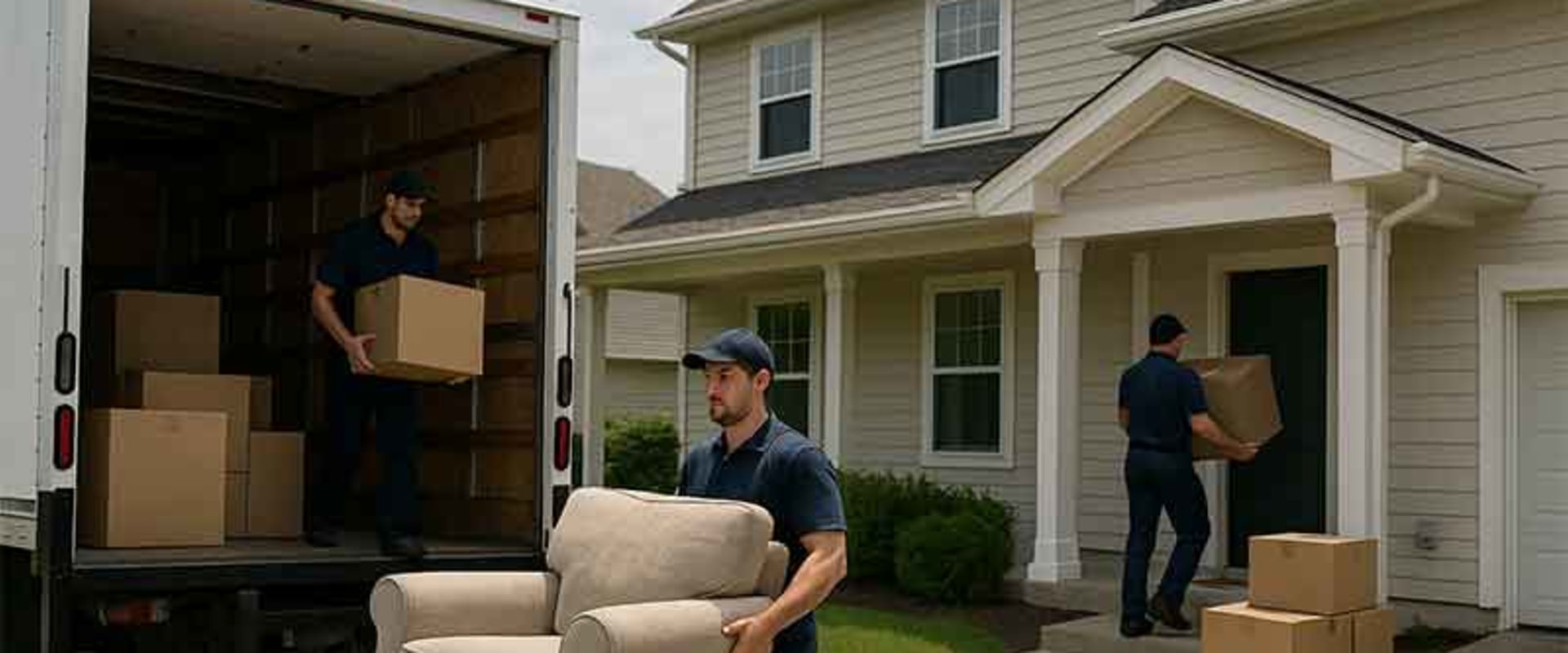
To understand why tipping is appropriate, one must first recognize that professional moving is far more than just "lifting boxes." In 2026, the moving industry has become increasingly specialized, requiring crews to manage high-tech appliances, fragile electronics, and heavy furniture through architectural environments that are often not designed for easy transport.
Movers engage in high-intensity labor for eight to twelve hours a day. This includes repetitive heavy lifting, which places significant strain on the musculoskeletal system. Beyond the strength required, there is a high level of technical precision involved. Professionals must know how to wrap furniture to prevent friction damage, how to use leverage to move items that weigh hundreds of pounds, and how to pack a moving truck like a three-dimensional puzzle to prevent shifting during transit.
When a crew navigates a narrow Victorian staircase with a solid oak dresser or maneuvers a 2026-model smart refrigerator through a tight kitchen doorway without a single scratch on the walls or the appliance, they are demonstrating a level of craft that warrants recognition. The tip is a direct acknowledgment of this skill and the physical toll the job takes on the workers.
Why Tipping is an Industry Standard in 2026
While service fees for moving companies have adjusted with the economic climate of 2026, the base wages for movers often remain at a level where gratuities significantly impact their take-home pay. Tipping is a deeply ingrained part of the service economy in North America and parts of Europe, functioning as a "thank you" for a job well done.
A tip also serves as a critical feedback mechanism. For the moving crew, a generous tip at the end of a grueling day provides immediate validation of their hard work and professionalism. For the homeowner, it is a way to ensure that the relationship ends on a positive note, which is particularly important if you plan to use the same company for future moves or if the crew went above and beyond—such as staying late to ensure every box was placed in the correct room.
Determining the Right Tip Amount: Percentages vs. Flat Rates
Deciding how much to tip can be a source of anxiety for many homeowners. In 2026, there are two primary schools of thought: the percentage-based tip and the flat-rate-per-mover tip. Both are acceptable, but they are used in different contexts.
The Percentage Method
This method is typically used for long-distance or very large residential moves where the total contract price is substantial. Generally, 5% to 10% of the total moving bill is considered standard. For example, on a $4,000 move, a 5% tip would be $200, which would then be divided among the crew members.
The Flat Rate Method
For local moves or smaller apartments, a flat rate is often simpler and more appreciated by the crew. The standard rate in 2026 generally falls between $20 and $50 per mover.
- $20 per mover: For a simple, half-day move (approx. 4 hours) with no major complications.
- $30–$40 per mover: For a full-day move (approx. 8 hours) involving standard furniture and boxes.
- $50+ per mover: For exceptionally long days, difficult weather, or moves involving heavy specialty items.
| Move Complexity | Duration | Suggested Tip (Per Mover) | Recommended Method |
|---|---|---|---|
| Studio / 1-Bedroom | 3–5 Hours | $20 – $30 | Flat Rate |
| 2–3 Bedroom House | 6–9 Hours | $40 – $50 | Flat Rate |
| 4+ Bedroom House | Multiple Days | 5% – 10% of Total Bill | Percentage |
| Long Distance (Interstate) | Varies | 5% – 8% of Total Bill | Percentage |
| Specialty (Pianos, Safes) | 1–2 Hours | $20 – $40 | Flat Rate |
Factors That Justify an Increased Tip
Not all moves are created equal. Several variables can make a mover's job significantly more difficult, justifying a higher gratuity. If your move involves any of the following, consider tipping toward the higher end of the scale:
- Stairs and Elevators: If the crew has to carry heavy items up several flights of stairs or deal with a slow, cramped service elevator, the physical exertion increases exponentially.
- Long Carries: If the moving truck cannot park close to your entrance, the movers must "long-carry" every item, often traversing 50 to 100 feet or more for each trip.
- Fragile or High-Value Items: If you have a significant amount of glassware, art, or sensitive electronics that require specialized packing and extra-gentle handling, the mental stress on the crew is higher.
- Weather Extremes: Moving in 100-degree heat, pouring rain, or freezing snow is grueling. Movers who maintain their pace and protect your items despite the elements deserve extra recognition.
- Assembly and Disassembly: If the movers spent extra time taking apart complex bed frames or reassembling modular furniture, they have saved you hours of work.
When It Is Appropriate Not to Tip
While tipping is the norm, it is fundamentally a reward for good service. You are not obligated to tip if the service was demonstrably poor. Scenarios where withholding a tip is justifiable include:
- Extreme Tardiness: If the crew arrives hours late without notifying you or offering a valid reason.
- Negligence and Damage: If the movers were reckless with your belongings, leading to preventable damage to your items or your property.
- Unprofessional Behavior: This includes inappropriate language, excessive breaks, or smoking inside the moving truck or your home.
- Hidden Fees: If the crew attempts to "shake you down" for more money outside of the agreed-upon contract, you should contact the company management rather than providing a tip.
It is important to distinguish between accidental damage (which is what insurance and Released Value Protection are for) and negligence. A professional crew that handles an accident with honesty and follows proper claims procedures may still deserve a tip for their overall effort.
The Logistics of Tipping: Cash vs. Digital
In 2026, the way we handle money has shifted, but cash remains the preferred method for tipping movers.
Why Cash is Preferred: Movers often prefer cash because it is immediate and does not require them to wait for a payroll cycle. Furthermore, if you tip the company via credit card, there is sometimes a delay in those funds reaching the individual workers, or the company may deduct processing fees.
How to Distribute the Tip: It is best to hand the tip to each mover individually rather than giving a lump sum to the crew lead or foreman. This ensures that every worker knows their efforts were personally recognized and prevents any potential disputes within the crew regarding the distribution of funds.
Digital Alternatives: If you do not have cash, many movers in 2026 accept peer-to-peer payments via apps like Venmo or Zelle. Before the move ends, you can ask the crew if they have a preferred digital payment method. This is increasingly common and often more convenient for both parties.
Non-Monetary Ways to Show Appreciation
While a financial tip is the primary way to show gratitude, there are other gestures that can make a mover's day significantly better. These should be seen as supplements to, rather than replacements for, a cash tip.
- Hydration: Always provide plenty of cold water or sports drinks, especially in summer. Avoid offering alcohol, as most moving companies have strict "no-drinking" policies while on the clock for safety and liability reasons.
- Food: If the move spans lunch or dinner time, offering to buy pizzas or sandwiches is a very kind gesture. Always ask about dietary preferences first.
- Access to Restrooms: Ensure the movers have a designated bathroom they can use, equipped with soap and paper towels.
- Positive Reviews: In the digital economy of 2026, a specific, five-star review mentioning the movers by name on platforms like Google or Yelp can help them get bonuses or promotions within their company.
Frequently Asked Questions
Should I tip the owner of the moving company?
Generally, no. If the owner is part of the moving crew, etiquette suggests you do not need to tip them, as they are already receiving the profit from the move. However, you should still tip the hired laborers working alongside the owner.
Do I tip for packing services separately?
If you hired a crew to pack your home on one day and a different crew to move it on another, you should tip the packing crew at the end of their service day. A standard tip for packing is typically $20–$30 per person, depending on the volume of fragile items.
Is it okay to give movers items I don't want anymore?
You can offer furniture or household items that you were planning to donate or discard, but do not consider this a "tip." Movers have limited space in their own homes and vehicles, and they may not want the burden of hauling away your unwanted goods. Always offer cash first.
Should I tip more if the move was finished faster than expected?
Yes. If the movers were efficient and finished ahead of schedule without sacrificing safety or care, they have saved you time and potentially money (if you are paying an hourly rate). Rewarding that efficiency encourages high-quality service.
What if the company says "Tips are Included"?
Some premium, white-glove moving services in 2026 include gratuity in their high-end service contracts. If your contract explicitly states that tips are included, you are not expected to provide extra cash. However, if you feel the service was truly extraordinary, a small additional gesture is never discouraged.
Practical Recommendation for Your Next Move
To ensure a smooth tipping experience, plan ahead. Withdraw the necessary cash the day before your move and have it organized in small envelopes. This avoids the stress of searching for an ATM while you are trying to manage the final details of your relocation. By treating your moving crew with respect and providing a fair tip, you acknowledge the difficult work they perform to help you transition into your new home.
Image Gallery