Yellow Deli Conspiracy: Unveiling the Connection to the Twelve Tribes
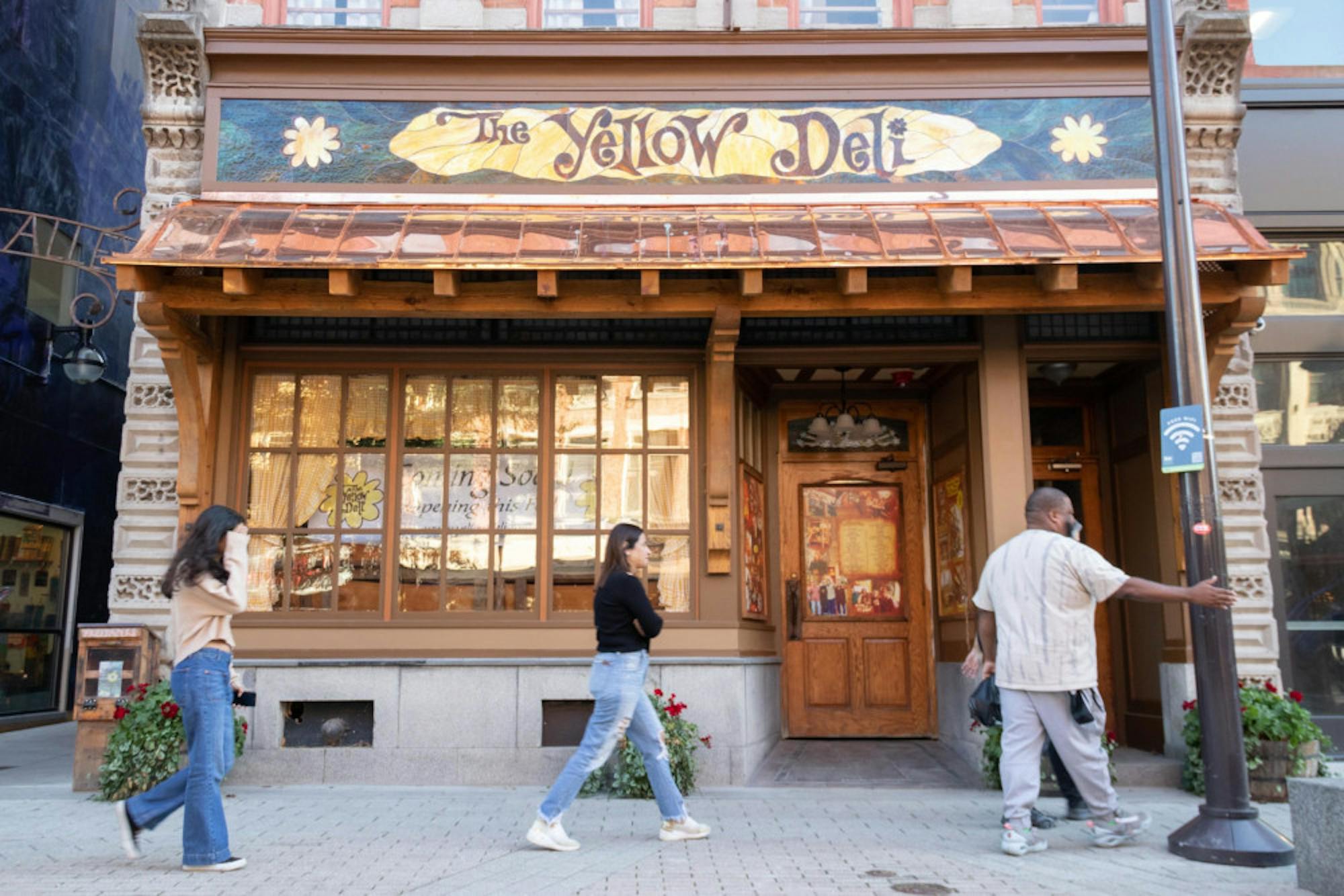
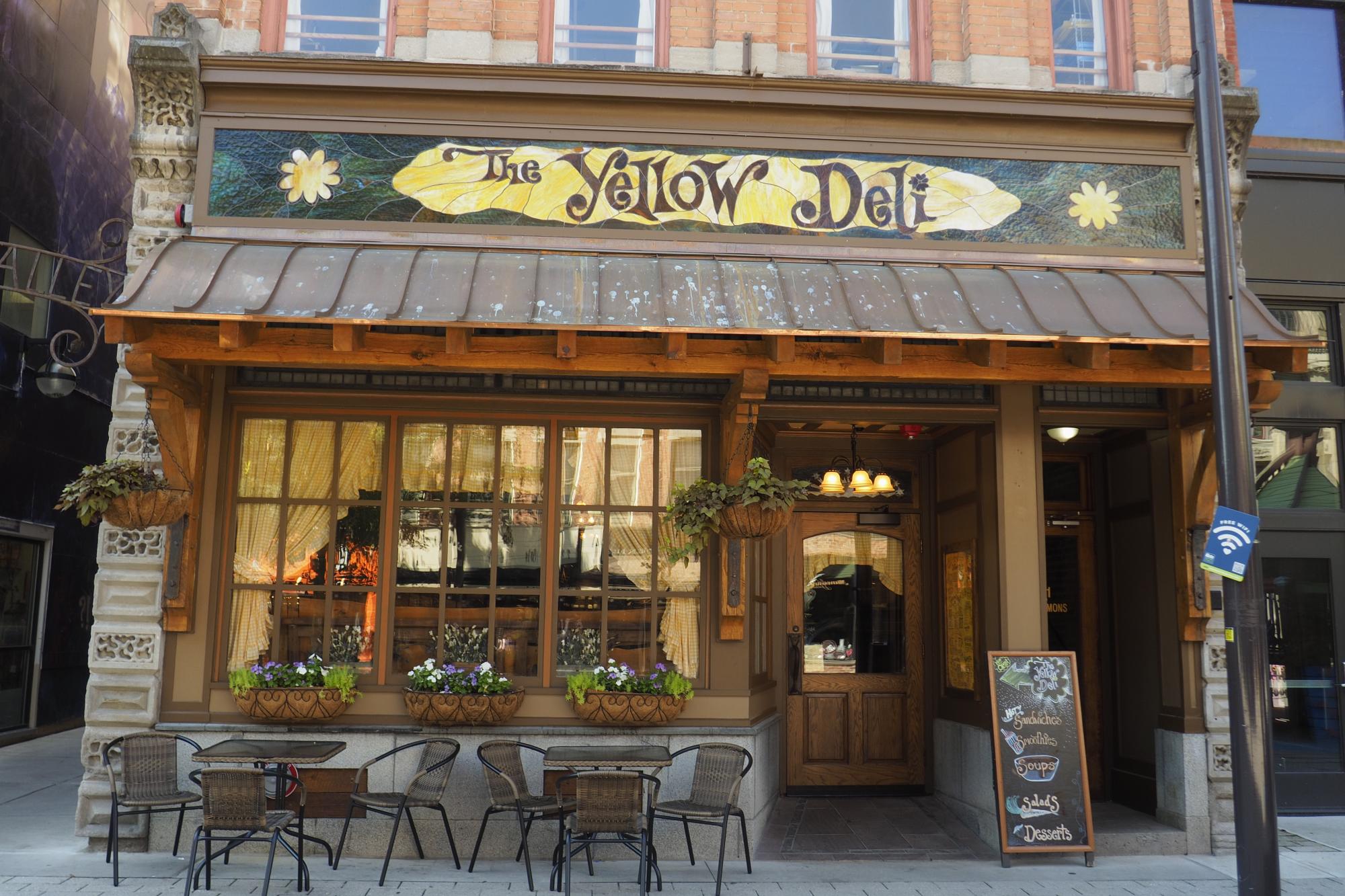
The Yellow Deli is a global chain of restaurants known for its rustic, wood-clad interiors and high-quality handmade food, but it serves as the primary public face and economic engine for the Twelve Tribes, a messianic communal religio...
The Yellow Deli is a global chain of restaurants known for its rustic, wood-clad interiors and high-quality handmade food, but it serves as the primary public face and economic engine for the Twelve Tribes, a messianic communal religious movement. While often framed as a "conspiracy" due to the group’s insular nature, the connection is a documented organizational structure where business profits and member labor sustain a controversial intentional community.
Contents
The Origins of the Yellow Deli and the Twelve Tribes
To understand the connection between the charming eateries and the underlying organization, one must look back to 1972 in Chattanooga, Tennessee. Gene Spriggs, later known as Yoneq, and his wife Marsha opened the first Yellow Deli during the "Jesus Movement" era. What began as a small coffee shop and snack bar quickly evolved into a blueprint for a communal lifestyle. Spriggs’ teachings emphasized a return to the early Christian church's practices, specifically "having all things in common" as described in the Book of Acts.
As the community grew, it rebranded its religious identity as the Twelve Tribes (also known as the Commonwealth of Israel or the Communities). The Yellow Deli remains their most recognizable brand, though they also operate Mate Factor cafes and various construction or farming businesses. As of 2026, the group continues to operate dozens of locations across the United States, Canada, Australia, Japan, and Europe. The "conspiracy" often discussed by locals usually centers on the realization that the friendly, bearded servers are not merely employees but devoted members of a high-control religious group who live in shared housing and contribute all their earthly possessions to the community.
The Economic Model: Labor without Wages
The most significant "hidden connection" that draws scrutiny from labor advocates and government regulators is the group’s economic structure. In a standard business, employees are paid a wage, pay taxes, and have individual bank accounts. At the Yellow Deli, the staff consists almost entirely of Twelve Tribes members.
Under their communal doctrine, members do not receive salaries. Instead, the income generated by the deli covers the community's collective expenses—housing, food, clothing, and legal fees. This "Commonwealth" model allows the Yellow Deli to operate with significantly lower overhead than competitors, leading to allegations of unfair business advantages.
Legal Interpretations of Communal Labor
From a legal standpoint, the Twelve Tribes argues that their members are not "employees" but volunteers in a religious community. In the United States, the Fair Labor Standards Act (FLSA) generally requires minimum wage and overtime, but religious organizations have historically found exemptions through "ministerial exceptions" or by classifying work as a form of worship. However, this has been challenged:
- New York State Investigations: In recent years, the New York Department of Labor has investigated Twelve Tribes-linked businesses for child labor violations and wage theft.
- Volunteer Status: Critics and former members argue that the "volunteer" status is coercive, as leaving the group means leaving with zero savings, regardless of how many decades one worked at the deli.
The "Conspiracy" of Recruitment and Public Image
The term "conspiracy" is frequently applied to the Yellow Deli because of its aesthetic. The restaurants are meticulously designed to be warm, welcoming, and "organic." For many customers, the deli is a sanctuary from the sterile, corporate world. However, former members and cult watchgroups suggest this aesthetic is a deliberate "front" to soften the public image of a group that holds very rigid, fundamentalist views.
Inside the deli, customers may find "Free Papers"—brochures that discuss the community's beliefs. While these papers speak of love and unity, the underlying theology of the Twelve Tribes is highly structured and includes controversial stances on racial hierarchy, strict patriarchy, and the rejection of modern society. The "hidden connection" here is the gap between the peace-loving "hippie" vibe of the sandwich shop and the disciplined, authoritarian reality of the community that runs it.
Child Labor and Welfare Allegations
Perhaps the most serious aspect of the Yellow Deli controversy involves the role of children within the community and its businesses. The Twelve Tribes has faced decades of allegations regarding child labor and the use of corporal punishment.
In the deli environment, children are often seen helping with tasks. The group views this as "apprenticeship" or "homeschooling," teaching children the value of work. However, multiple investigative reports have documented children performing industrial-scale labor in the group’s manufacturing wings or long hours in the cafes.
The "Rod" and Disciplinary Practices
The group’s internal teachings, written largely by Gene Spriggs, mandate the use of a "rod" (often a thin wooden dowel) for disciplining children for even minor infractions. This practice has led to significant legal trouble:
- Germany (2013): In a high-profile raid, German authorities took 40 children into protective custody after undercover footage showed systemic physical discipline. This eventually led to the group’s decline in that region.
- United States: While corporal punishment is more broadly protected under parental rights in the U.S., the group remains under constant surveillance by social services in states like Vermont and Colorado due to testimonies from "escapees."
Comparative Overview of Global Controversies
The following table outlines the types of scrutiny the Yellow Deli and Twelve Tribes have faced across different jurisdictions as of 2026.
| Location | Primary Concern | Status/Action Taken |
|---|---|---|
| United States (Colorado) | Fire Safety & Land Use | Investigations following the 2021 Marshall Fire; ongoing land use disputes. |
| United States (New York) | Child Labor | Multiple fines issued for minors working in industrial environments (e.g., Common Sense Wholesalers). |
| Germany | Physical Discipline | Criminal convictions for leaders; mass removal of children to foster care. |
| Australia | Labor Rights | Fair Work Commission inquiries into "unpaid" communal labor structures. |
| France | Sectarian Activity | Classified as a "secte" (cult) by government monitoring agencies (MIVILUDES). |
The Marshall Fire and Public Suspicion
In recent history, specifically following the 2021 Marshall Fire in Boulder County, Colorado, the "Yellow Deli conspiracy" took on a new life online. The fire, which was the most destructive in Colorado history, was partially traced to a property owned by the Twelve Tribes.
For years, the "hidden connection" between the group's land-clearing practices and the fire's ignition point was a subject of intense law enforcement investigation. While the final reports in 2023 attributed the fire to two sources—one being a power line and the other a fire on the Twelve Tribes property—prosecutors ultimately did not file criminal charges, citing a lack of evidence of "reckless" intent. Despite this, the event solidified the group's reputation in the public consciousness as an entity operating under its own set of rules, detached from broader societal safety norms.
Why the Connection Matters to Consumers
For the average consumer, the "unveiling" of the connection between the Yellow Deli and the Twelve Tribes often leads to an ethical dilemma. On one hand, the food is often organic, locally sourced, and prepared with high standards of craftsmanship. On the other hand, the "cost" of that sandwich may involve:
- Labor Exploitation: Supporting a system where workers have no individual financial autonomy or retirement savings.
- Child Welfare: Funneling money into an organization that has been legally sanctioned for its treatment of minors.
- Fundamentalist Agendas: Supporting the expansion of a group that holds exclusionary views on race and gender.
The "conspiracy" is less about a secret plot to take over the world and more about a secret plot to fund a specific, controversial lifestyle through the medium of artisan sourdough and steamed sandwiches.
Frequently Asked Questions
Is the Yellow Deli a cult?
Many sociologists and "cult-watch" organizations classify the Twelve Tribes as a "high-control group" or a cult. This is based on their isolationist practices, the total financial devotion required of members, and the authoritarian leadership structure established by the late Gene Spriggs.
Do employees at the Yellow Deli get paid?
Technically, no. The workers are members of the Twelve Tribes religious community. They live in communal housing provided by the group and their basic needs are met, but they do not receive a personal paycheck, hourly wage, or benefits like 401(k)s or health insurance.
Why is it called a "conspiracy"?
The "conspiracy" label usually stems from the group's lack of transparency regarding their ownership. Many people eat at the delis for years without realizing they are supporting a fundamentalist religious movement, as the branding focuses on "folk" culture rather than religious dogma.
Is the food at the Yellow Deli safe to eat?
Yes, in terms of health department standards, the Yellow Deli typically maintains high cleanliness ratings. Their focus on agriculture and "honest work" results in high-quality food. The controversies surrounding the deli are social, legal, and ethical rather than culinary.
What should I do if I want to support the workers but not the group?
Because of the communal structure, it is impossible to tip an individual worker or ensure your money goes only to the staff. All revenue is centralized. If you have ethical concerns about the Twelve Tribes' practices, the only way to avoid supporting them is to frequent other establishments.
Final Recommendation
If you are concerned about the hidden connection between the Yellow Deli and its parent organization, the best course of action is to research local investigative reports and testimonies from former members. While the deli offers a unique atmosphere, the ethical implications of its communal labor model and history of child welfare issues are significant. Consumers should make informed decisions by weighing the quality of the product against the institutional practices of the Twelve Tribes.
Image Gallery