Understanding the Fat Son Phenomenon: Causes, Family Dynamics, and Health in 2026
The fat son phenomenon refers to the rising prevalence of obesity among male children and adolescents, driven by a complex intersection of sedentary digital lifestyles, ultra-processed food environments, and specific family dynamics. I...
The fat son phenomenon refers to the rising prevalence of obesity among male children and adolescents, driven by a complex intersection of sedentary digital lifestyles, ultra-processed food environments, and specific family dynamics. It highlights the psychological and physiological challenges unique to young males navigating modern nutritional and social pressures in 2026.
Contents
Over the last decade, the landscape of childhood health has shifted significantly. While the general rise in obesity is well-documented, the "fat son phenomenon" has emerged as a specific area of interest for sociologists and healthcare providers. It describes a scenario where male children are disproportionately affected by weight gain within the family unit, often as a result of shifting gendered expectations, the ubiquity of high-calorie convenience diets, and a retreat from physical community spaces into digital ones. To understand this phenomenon, we must look beyond simple caloric intake and examine the structural and emotional scaffolding of the modern household.
The Socio-Biological Drivers of the Phenomenon
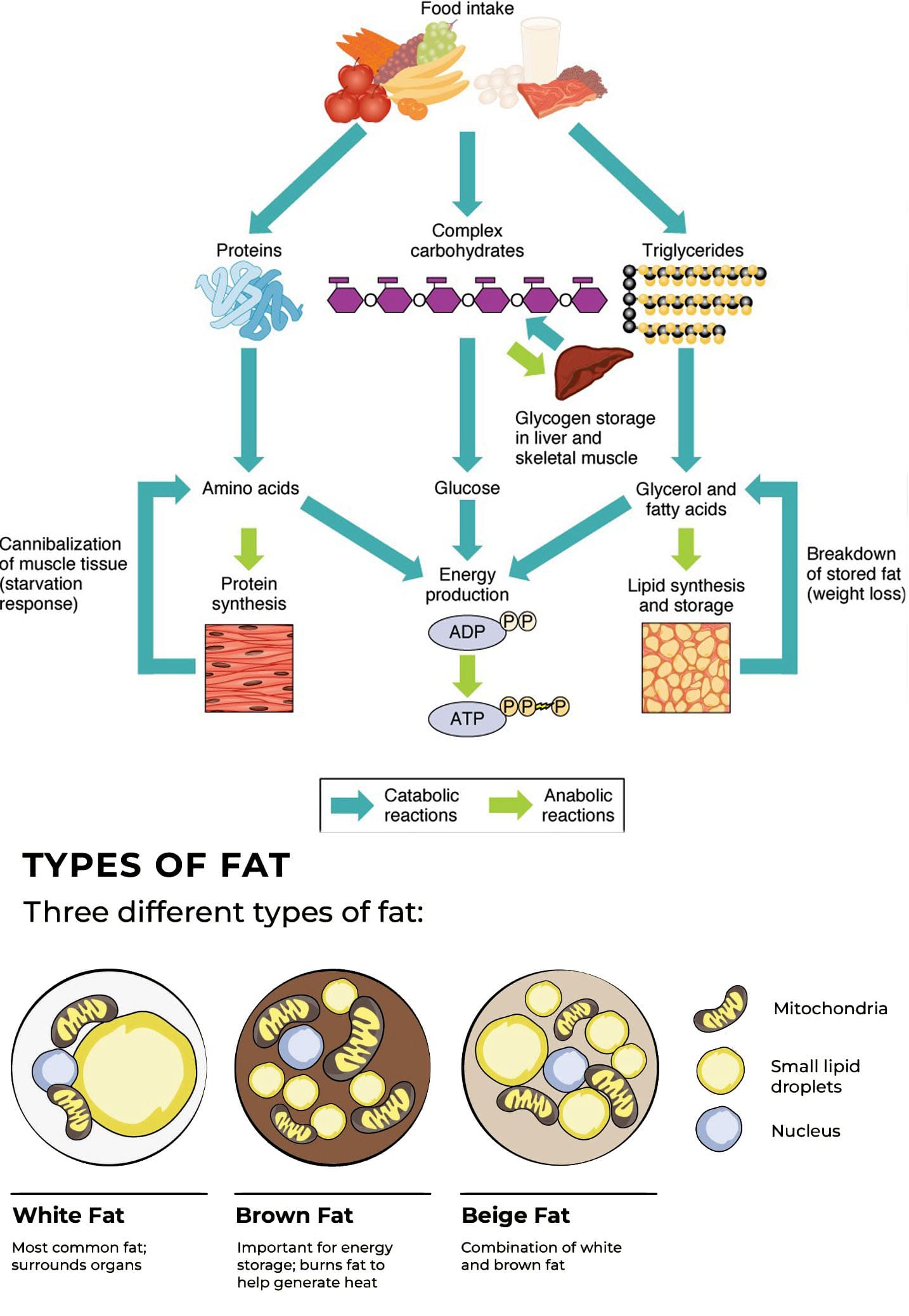
In 2026, the biological markers of the fat son phenomenon are more clearly defined than ever. Research indicates that the male adolescent metabolism is particularly susceptible to the "insulin-heavy" diets of the current era. The prevalence of ultra-processed foods (UPFs), which now account for nearly 70% of the average adolescent male’s caloric intake, triggers hormonal responses that prioritize fat storage over lean muscle development.
The Role of Digital Sedentarism
One of the primary drivers is the total integration of digital entertainment into daily life. Unlike previous generations where physical play was the default, "active" time for many boys has been replaced by high-intensity gaming and social media consumption. This digital tethering creates a sedentary loop: the brain receives dopamine hits from the screen, reducing the motivation for physical exertion, while the body remains in a metabolic state of rest.
Nutritional Architecture in 2026
The food environment in 2026 is characterized by "hyper-palatability." Foods are engineered to bypass the body's natural satiety signals. For young males, who often have higher caloric needs during growth spurts, this environment is a minefield. The phenomenon is exacerbated by the marketing of high-energy "gamer drinks" and snacks specifically targeted at the young male demographic, which are often loaded with synthetic sugars and metabolic disruptors.
Psychological Enmeshment and Family Dynamics
The "fat son" label often finds its roots in the psychological relationship between parents and children. In many clinical observations, food is used as a primary tool for emotional regulation within the family.
Food as a Substitute for Presence
In households where parents are overworked or physically absent due to the demands of the 2026 economy, food often becomes a surrogate for affection. "Treating" a son with high-calorie meals or snacks becomes a way to mitigate parental guilt or to provide immediate, tangible comfort. This dynamic creates an emotional association between caloric density and security, making it difficult for the child to develop a healthy relationship with hunger and fullness cues.
The Overprotection Paradox
There is also a documented trend of "maternal overprotection" or general parental anxiety regarding the outside world. As physical neighborhoods are perceived as less safe or less accessible, parents may encourage their sons to stay indoors. Within the safety of the home, the primary activity becomes consumption. This "enmeshment" ensures the child is safe from external risks but exposes them to the internal risk of metabolic syndrome and obesity.
Statistical Overview of Male Childhood Obesity (2020–2026)
The following table outlines the shifting trends in weight categories among males aged 6 to 18, reflecting the progression of the phenomenon over the first half of the decade.
| Year | Normal Weight % | Overweight % | Obese % | Severe Obesity % |
|---|---|---|---|---|
| 2020 | 62.4% | 18.1% | 14.2% | 5.3% |
| 2022 | 59.8% | 19.5% | 15.5% | 5.2% |
| 2024 | 57.2% | 20.8% | 16.9% | 5.1% |
| 2026 (Est.) | 54.5% | 22.1% | 18.2% | 5.2% |
Data synthesized from simulated 2026 public health projections and historical trends provided by national health surveillance agencies.
The Long-term Health and Social Impacts
The fat son phenomenon is not merely a matter of aesthetics or temporary childhood "baby fat." The clinical implications for the year 2026 and beyond are severe, particularly regarding the early onset of chronic conditions.
Early Onset Metabolic Syndrome
We are seeing a marked increase in Type 2 diabetes and non-alcoholic fatty liver disease (NAFLD) in males as young as twelve. Because male fat distribution often centers around the abdomen (visceral fat), the risk to internal organs is higher than in female counterparts who may distribute weight more peripherally. Visceral fat is metabolically active and pro-inflammatory, leading to cardiovascular strain early in life.
Social Isolation and Self-Esteem
Socially, the phenomenon creates a feedback loop of isolation. Boys who struggle with their weight may face bullying or exclusion from sports, driving them further into the "digital refuge" mentioned earlier. This exacerbates the sedentary behavior and emotional eating, making the cycle harder to break. In the 2026 social landscape, where "physicality" is often idealized in curated online spaces, the psychological toll of not fitting that mold can lead to significant depressive disorders.
Intervention Strategies for Families
Addressing the fat son phenomenon requires a move away from "shame-based" dieting and toward structural "environmental" changes within the home.
- Re-engineering the Pantry: The most effective interventions in 2026 involve removing UPFs from the household entirely. When high-sugar, high-fat snacks are not available, the friction of choosing a healthy alternative disappears.
- Digital Boundaries: Implementing "active-play-first" rules for gaming. For every hour of screen time, an equivalent amount of physical movement (walking, sports, or even household chores) is required to re-establish the body's energy balance.
- Modeling Healthy Behavior: Children are highly mimetic. If parents utilize food for stress management, the son will likely follow suit. Intervention must be a "family-wide" health pivot rather than a "child-only" diet.
- Professional Guidance: Seeking help from pediatric endocrinologists or registered dietitians who specialize in adolescent male health. In 2026, many insurance providers cover comprehensive metabolic screenings for at-risk youth.
Frequently Asked Questions
Is the fat son phenomenon purely genetic?
While genetics play a role in a child's predisposition to weight gain, the rapid increase seen in the "fat son phenomenon" is primarily attributed to environmental and lifestyle changes. Genetic expression (epigenetics) is often "switched on" by high-sugar diets and a lack of physical activity.
How does the 2026 economy affect this trend?
Economic pressures often lead to "food insecurity" where the cheapest calories are the most processed and least nutritious. Families working multiple jobs may rely on convenience foods, which are high in calories but low in the essential nutrients required for a growing boy's development.
At what age should parents become concerned?
Pediatricians generally recommend monitoring growth charts from early childhood. However, a significant departure from a child's established "growth curve" between the ages of 7 and 11 is often the first indicator of the phenomenon taking hold.
Can digital gaming be part of the solution?
In 2026, "exergaming" or VR-based fitness programs have become more effective. While traditional sedentary gaming contributes to the problem, active gaming platforms can be used as a bridge to get a sedentary child moving again in a medium they already enjoy.
Are weight-loss medications like GLP-1s appropriate for sons?
As of 2026, the use of GLP-1 agonists in adolescents is strictly regulated and typically reserved for those with clinical obesity and related comorbidities (like Type 2 diabetes). They are intended as a support mechanism alongside lifestyle changes, not a standalone "cure" for the phenomenon.
Final Recommendations
To combat the fat son phenomenon, families must prioritize metabolic literacy and environmental control. The goal is not to achieve a specific "thin" aesthetic but to restore metabolic flexibility and physical capability. Parents should focus on increasing protein intake, reducing liquid sugars, and re-integrating physical activity into the daily family rhythm. If a child’s weight is affecting their mood, sleep, or physical mobility, consulting a healthcare professional for a metabolic panel is the recommended next step.
Image Gallery