Essential Appliance Repair in San Diego for Homeowners: 2026 Comprehensive Guide
Homeowners in San Diego can maintain their property’s value and functionality by partnering with licensed appliance repair technicians who understand the specific environmental challenges of Southern California. In 2026, efficient serv...
Homeowners in San Diego can maintain their property’s value and functionality by partnering with licensed appliance repair technicians who understand the specific environmental challenges of Southern California. In 2026, efficient service involves verifying California state licensing, understanding local labor rates, and prioritizing technicians who specialize in high-efficiency, smart-home integrated systems.
Contents
The appliance landscape in San Diego is unique, shaped by coastal environmental factors and stringent California energy regulations. Whether you are managing a luxury kitchen in La Jolla or a family home in Chula Vista, understanding the nuances of appliance maintenance and repair is critical for avoiding premature replacements and high utility bills.
Understanding the San Diego Service Environment
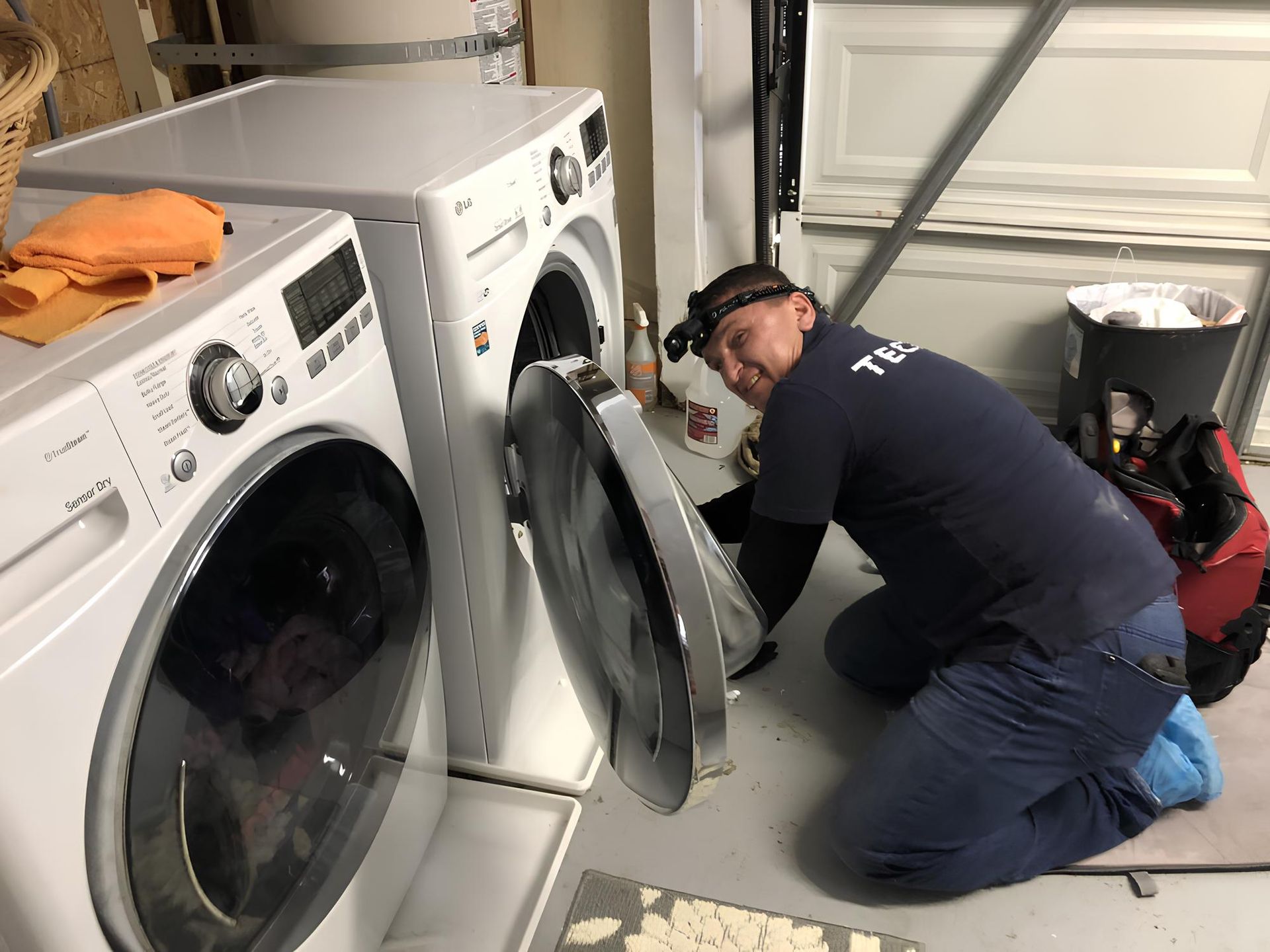
San Diego's climate plays a significant role in the lifespan and failure points of household appliances. For homeowners living within five miles of the coast, salt air corrosion is a primary concern. The moisture and salt content in the air can lead to the oxidation of electrical contacts and the deterioration of exterior finishes on laundry units often kept in garages or outdoor enclosures.
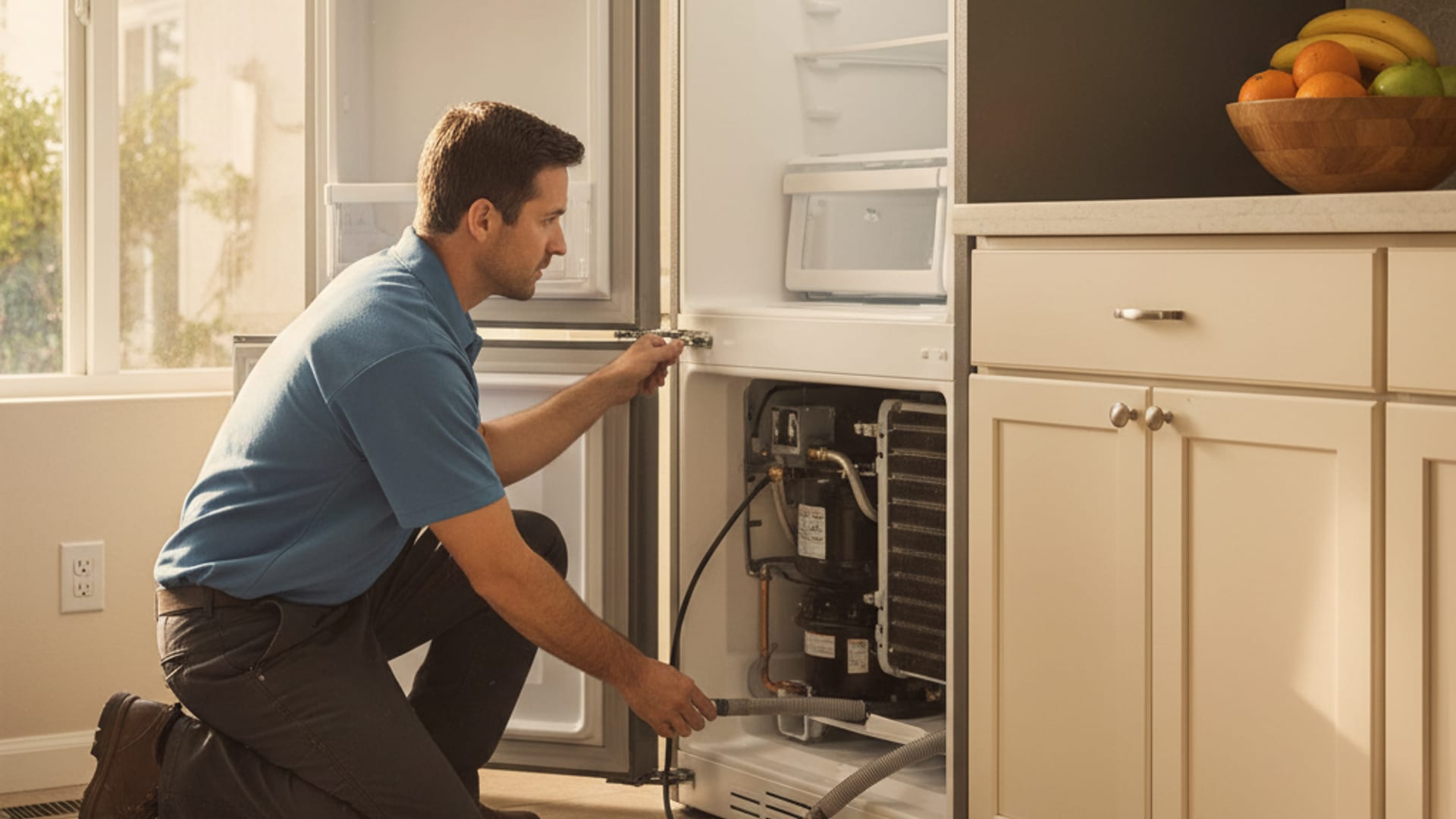
Inland areas, such as Escondido or Poway, face different challenges. Higher average temperatures mean that refrigeration systems—including refrigerators, freezers, and wine coolers—must work significantly harder to maintain internal temperatures. This increased load often leads to premature failure of the condenser fan motor or the compressor. In 2026, many newer units utilize R-600a refrigerant, which is more environmentally friendly but requires specialized equipment and training for repairs.
Furthermore, San Diego’s water profile includes high mineral content. Hard water is a leading cause of scale buildup in dishwashers and washing machines. This buildup restricts water flow and can cause "burnout" in heating elements. Local experts recommend the use of water softeners or frequent descaling cycles to mitigate these San Diego-specific operational risks.
Licensing and Regulatory Requirements in California
In California, appliance repair is a regulated industry. Homeowners must ensure that any service provider they hire is registered with the Bureau of Household Goods and Services (BHGS), which operates under the Department of Consumer Affairs.
A valid BHGS registration ensures that the company has met specific state standards and provides a layer of protection for the consumer. In 2026, verifying a license is straightforward through the California Department of Consumer Affairs license search portal. Engaging an unlicensed technician may seem cost-effective initially but can void manufacturer warranties and leave the homeowner with no recourse if the repair is performed incorrectly or causes property damage.
Beyond state registration, San Diego homeowners should look for:
- Liability Insurance: Coverage for accidental damage to your home during the repair process.
- Workers' Compensation: Protects the homeowner from liability if a technician is injured on-site.
- EPA Section 608 Certification: Required for any technician handling refrigerants in air conditioners or refrigerators.
Cost Analysis of Appliance Repair in San Diego
Repair costs in San Diego tend to be higher than the national average, reflecting the region's higher cost of living and the technical expertise required for modern, high-end appliances. In 2026, most reputable San Diego repair firms utilize a "flat-rate" pricing model based on industry-standard labor guides, rather than charging by the hour.
Typical Service Fees
The "Service Call" or "Diagnostic Fee" is the initial cost for a technician to visit your home and identify the problem. In the San Diego metro area, these fees typically range from $90 to $150. Most companies will waive this fee if you proceed with the suggested repair.
Parts and Labor Breakdown
Labor rates are influenced by the complexity of the appliance. For example, repairing a built-in Sub-Zero refrigerator or a Miele dishwasher requires specialized tools and training, commanding a higher premium than a standard top-load washer.
| Appliance Type | Common Repair | Estimated Total Cost (2026) | Turnaround Time |
|---|---|---|---|
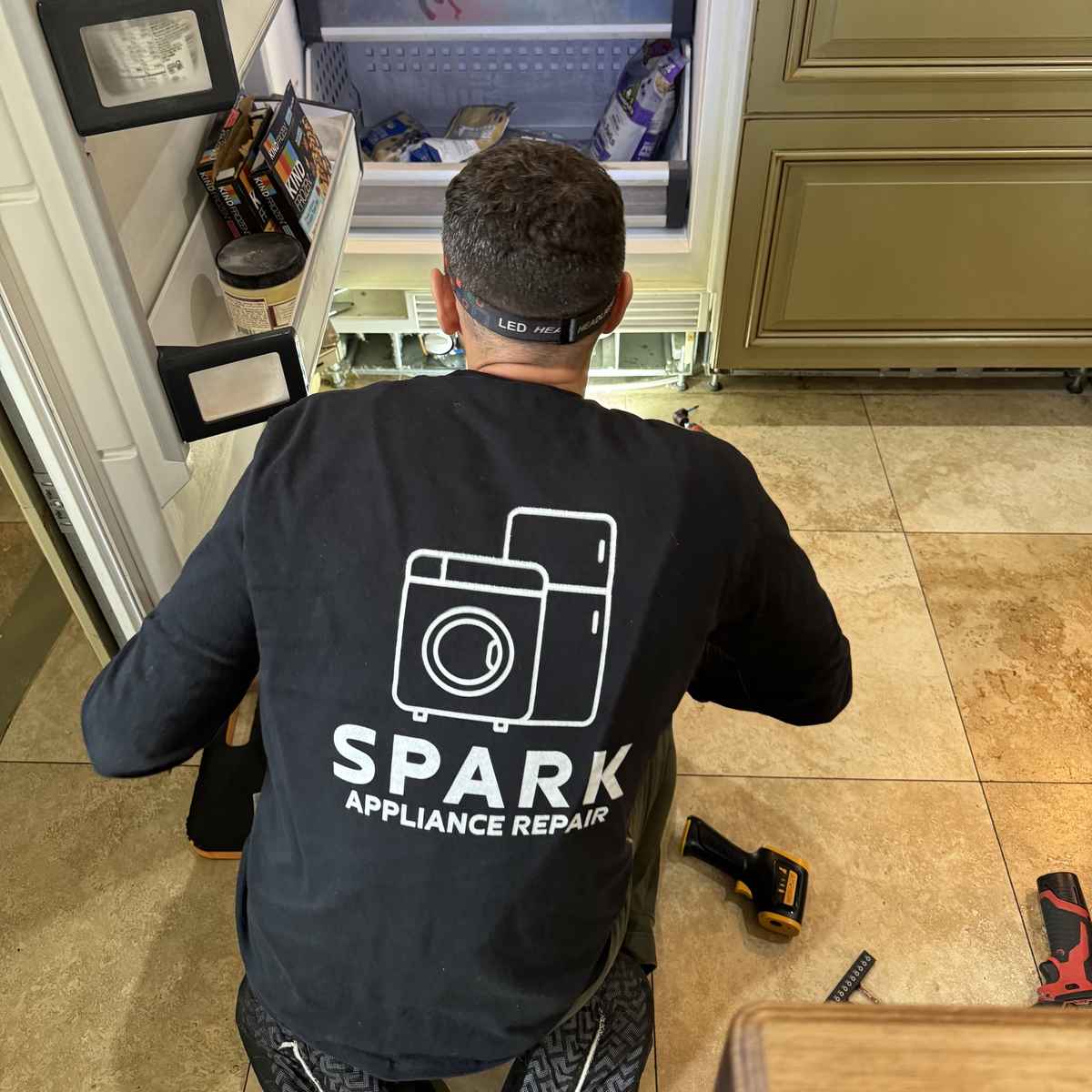
| Refrigerator | Compressor Replacement | $700 – $1,200 | 2–4 Days |
| Dishwasher | Drain Pump Replacement | $250 – $450 | Same/Next Day |
| Washing Machine | Control Board Replacement | $350 – $600 | 1–3 Days |
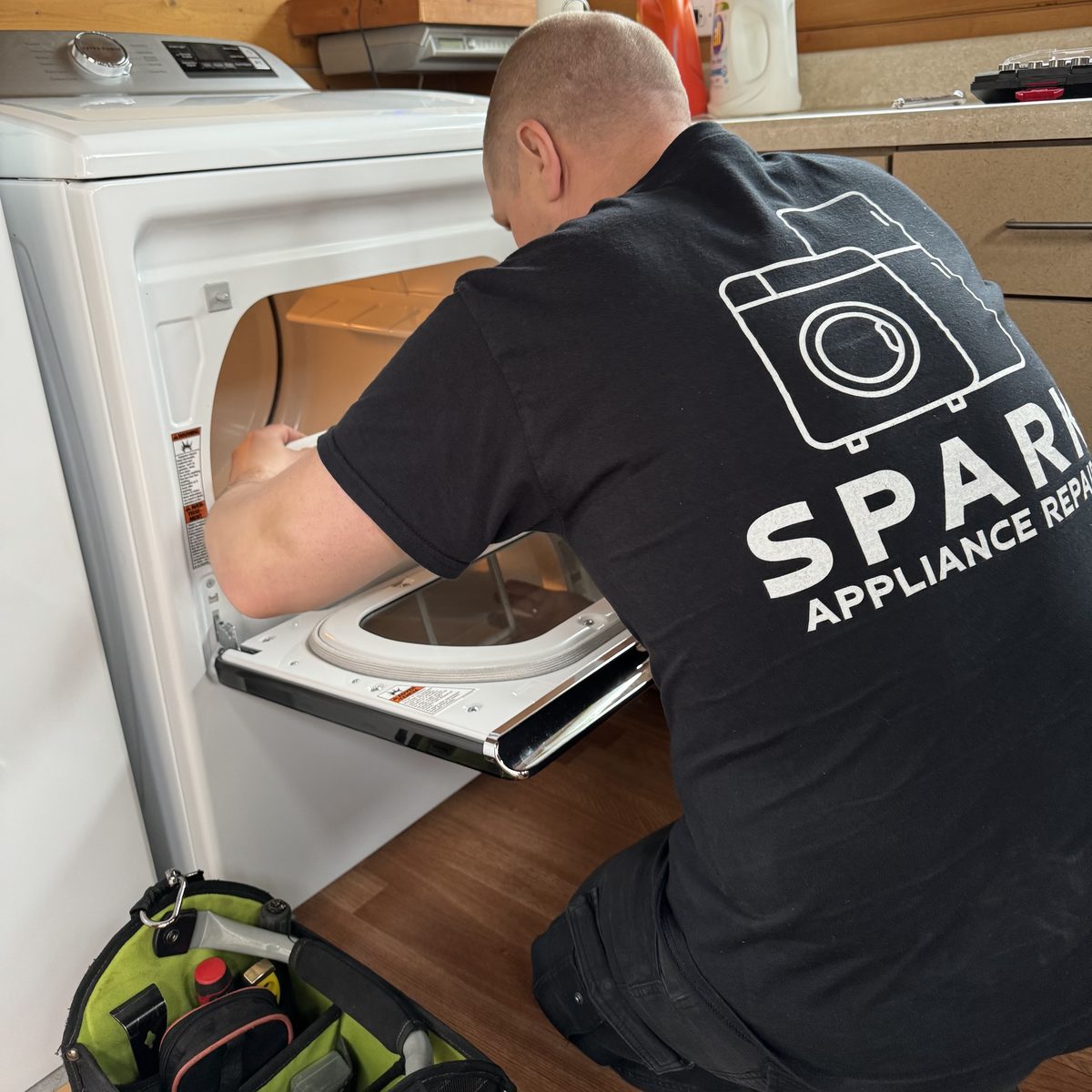
| Dryer | Heating Element Repair | $200 – $350 | Same Day |
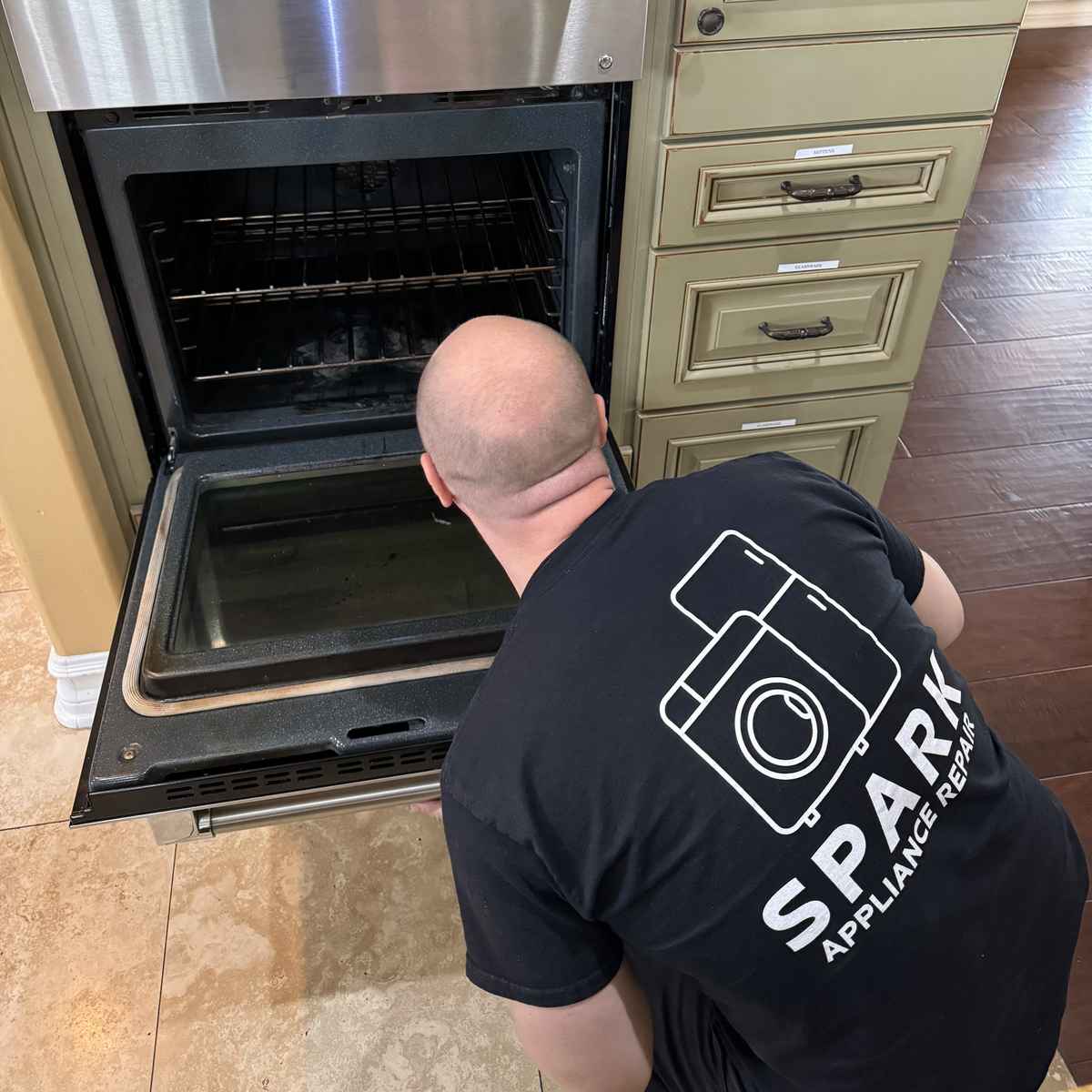
| Oven/Range | Igniter Replacement | $220 – $400 | Same Day |
The "Repair vs. Replace" Decision Framework
A common dilemma for San Diego homeowners is whether to invest in a repair or purchase a new unit. As of 2026, the "50% Rule" remains the most reliable guideline: if a repair costs more than 50% of the price of a new, comparable appliance, and the unit is more than halfway through its expected lifespan, replacement is generally the more economical choice.
Expected Lifespans of Modern Appliances
- Refrigerators: 10–14 years
- Dishwashers: 8–10 years
- Washers/Dryers: 10–12 years
- Gas Ranges: 15 years
- Microwaves: 7–9 years
Homeowners should also consider energy efficiency. Newer models compliant with 2026 Energy Star standards may offer significant savings on San Diego Gas & Electric (SDG&E) bills, which are among the highest in the nation. If an old appliance is inefficient, the long-term energy savings of a new unit might justify the replacement even if the repair is relatively inexpensive.
High-End and Specialized Appliance Considerations
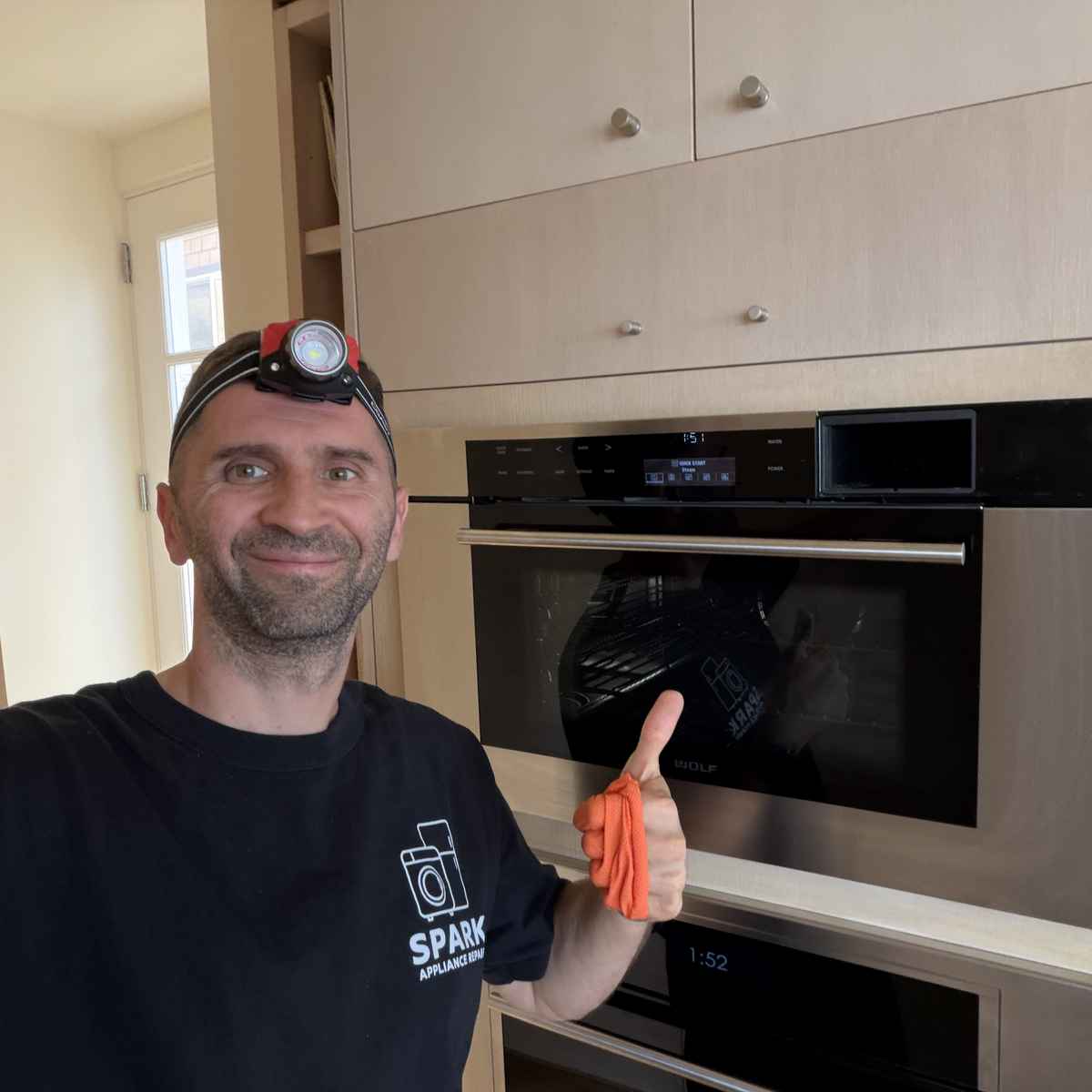
San Diego has a high concentration of luxury homes, particularly in areas like Del Mar, Rancho Santa Fe, and Coronado. These homes often feature professional-grade appliances such as Wolf ranges, Viking ovens, and Thermador refrigeration.
Repairing these units requires "Factory Authorized" technicians. These professionals have direct access to proprietary diagnostic software and genuine OEM (Original Equipment Manufacturer) parts. Using generic parts in a luxury appliance can degrade performance and significantly lower the resale value of the kitchen. When booking a repair in San Diego, homeowners should explicitly ask if the technician has specific experience with their brand and if they use OEM parts.
Troubleshooting Common Issues Before Calling a Pro
Before scheduling a service call, homeowners can perform several basic checks that often resolve "malfunctions" which are actually simple operational errors.
- Power Cycles: Modern appliances are essentially specialized computers. Unplugging a unit for 60 seconds (or flipping the circuit breaker) can often reset a "frozen" control board.
- Filter Maintenance: A dishwasher that won't drain or a refrigerator that isn't cooling properly is often caused by a clogged filter. In San Diego, check the "air gap" on your kitchen sink for dishwasher drainage issues.
- Sensor Obstructions: Ensure that items inside the refrigerator are not blocking the thermistor (temperature sensor) or the air vents.
- Gas Supply: If a gas range isn't lighting, verify that the gas shut-off valve hasn't been bumped and that the burner caps are perfectly seated.
Selecting the Right San Diego Repair Service
The quality of a repair is only as good as the technician performing it. Homeowners should prioritize companies that offer a warranty on both parts and labor. In 2026, a standard warranty is 90 days for labor and one year for parts.
Avoid "aggregator" websites that sell your lead to the highest bidder. Instead, look for locally owned and operated businesses with a physical presence in San Diego County. Local companies are more likely to stand by their work and understand the specific logistical challenges of the area, such as navigating the traffic patterns of the I-5 or I-15 corridors to meet appointment windows.
FAQ
How long does a typical appliance repair take in San Diego? Most common repairs are completed within 1 to 2 hours once the technician is on-site. However, the total duration depends on part availability. While many firms stock common items like fuses and pumps, specialized control boards or compressors may need to be shipped from distributors in Los Angeles or Ontario, adding 24 to 48 hours to the timeline.
Is it worth repairing an appliance that is 10 years old? It depends on the appliance type and the repair cost. For a high-end gas range, a 10-year-old unit is often only halfway through its life. For a dishwasher or microwave, 10 years is near the end of its functional lifespan, and replacement is usually more practical.
Does SDG&E offer rebates for appliance repairs? SDG&E generally does not offer rebates for repairs, but they do offer significant incentives for replacing old, inefficient appliances with new Energy Star-certified models. In 2026, these rebates often focus on heat pump technology for dryers and water heaters.
What is a "sealed system" repair? A sealed system repair involves the components that circulate refrigerant, such as the compressor, evaporator, and condenser coils. These repairs are the most complex and expensive because they require a technician with EPA certification to recover and recharge refrigerant gases.
How can I prevent salt air damage to my appliances? For appliances located in semi-outdoor areas or near the coast, regular cleaning is essential. Wipe down exterior surfaces with a damp cloth to remove salt deposits and ensure that refrigerator coils are vacuumed every six months to prevent the salt-laden dust from insulating the heat-exchange surfaces.
Practical Recommendation
When an appliance fails, your first step should be to locate your model and serial number, usually found on a sticker inside the door or on the frame. Check the California Bureau of Household Goods and Services website to verify the license of any repair company you consider. For the best results, choose a local San Diego provider that offers a written warranty and specializes in your specific brand, ensuring they have the diagnostic tools necessary for a first-time fix.
Image Gallery