What Is the Original Stanley Cup Trophy? The History of the Dominion Hockey Challenge Cup
The original Stanley Cup trophy, officially known as the Dominion Hockey Challenge Cup, is a silver-plated punch bowl purchased in 1892 by Lord Stanley of Preston, the then-Governor General of Canada. Unlike the massive, tiered trophy...
The original Stanley Cup trophy, officially known as the Dominion Hockey Challenge Cup, is a silver-plated punch bowl purchased in 1892 by Lord Stanley of Preston, the then-Governor General of Canada. Unlike the massive, tiered trophy seen on the ice today, the original is a modest bowl that serves as the historical foundation for professional hockey's ultimate prize.
Contents
The Origins of the Dominion Hockey Challenge Cup
The story of the original Stanley Cup begins not with a professional league, but with a vice-regal gift. In 1892, Frederick Arthur Stanley, the 16th Earl of Derby and Governor General of Canada, became enamored with the growing sport of ice hockey. His children were active players, and Lord Stanley decided to commission a trophy that would serve as a "challenge cup" for the best amateur hockey team in Canada.
Lord Stanley purchased the bowl from G.R. Collis and Company in London, England. At the time, the purchase price was 10 guineas, which was approximately $48.67 in U.S. currency at the time. In 2026 terms, that amount represents a modest investment that grew into one of the most culturally significant artifacts in global sports history. The bowl itself is relatively small compared to its modern successor, measuring approximately 18.5 centimeters (7.28 inches) in height and 29 centimeters (11.42 inches) in diameter.
When the bowl arrived in Canada, it bore the inscription "From Stanley of Preston" on one side and "Dominion Hockey Challenge Cup" on the reverse. Lord Stanley stipulated that the cup would be a trophy to be passed from champion to champion, rather than kept permanently by a single winner. This "challenge" format meant that any team could challenge the reigning holders for the right to possess the bowl.
Physical Characteristics of the Original Bowl
The original Stanley Cup is distinct from the "Presentation Cup" used in modern celebrations. To understand what the original trophy is, one must look at the metallurgy and craftsmanship of the late 19th century.
Material and Composition
The original bowl is made of silver-plated nickel. While it appears as solid silver, the plating was a common practice for high-end decorative items in the 1890s. Over decades of use, the silver plating began to wear thin, and the bowl suffered significant structural stress. By the mid-20th century, the metal had become brittle, and the repetitive engraving of team names had weakened its integrity.
Original Inscriptions
The earliest engravings were not on the bands we see today, but on the bowl itself. The Montreal Hockey Club, the first winners in 1893, had their name etched directly onto the exterior of the silver. As more teams won the challenge, the space on the bowl quickly vanished. This led to the eventual addition of base rings and the "stovepipe" structure that characterizes the trophy’s evolution.
The Three Versions of the Stanley Cup
As of 2026, there are actually three distinct versions of the Stanley Cup that fans and historians recognize. Understanding the "original" requires distinguishing it from its replicas.
| Version | Status | Location | Purpose |
|---|---|---|---|
| The Original Bowl | Retired (1963) | Hockey Hall of Fame Vault | Historical preservation; too fragile for use. |
| The Presentation Cup | Active | On the Road / Ice | Handed to the champions; used for celebrations. |
| The Permanent Cup | Active | Hockey Hall of Fame Great Hall | Static display for visitors when the Presentation Cup is traveling. |
The Retirement of the Original Bowl (1963)
By the 1960s, the original 1892 bowl was in a state of advanced deterioration. It had been dropped, kicked, and subjected to decades of champagne and celebratory use. In 1963, NHL President Clarence Campbell determined that the original bowl was too precious—and too fragile—to remain in active rotation.
A precise replica of the original bowl was created to top the Presentation Cup, while the 1892 bowl was moved into the Lord Stanley Vault at the Hockey Hall of Fame in Toronto. This move ensured that the foundational piece of the trophy would be preserved in a climate-controlled environment, protected from the physical rigors of post-game celebrations.
The Evolution from Bowl to "Stovepipe"
A common point of confusion for those asking "what is the original Stanley Cup" is why the modern trophy is so much larger. The original was just the bowl. The size increase happened organically as the tradition of engraving every winning player's name took root.
Initially, teams added their names to the bowl itself. When they ran out of room, they began adding silver rings to the base. By the 1940s, the trophy had become a long, thin cylinder known as the "Stovepipe Cup." This version was unwieldy and visually unbalanced.
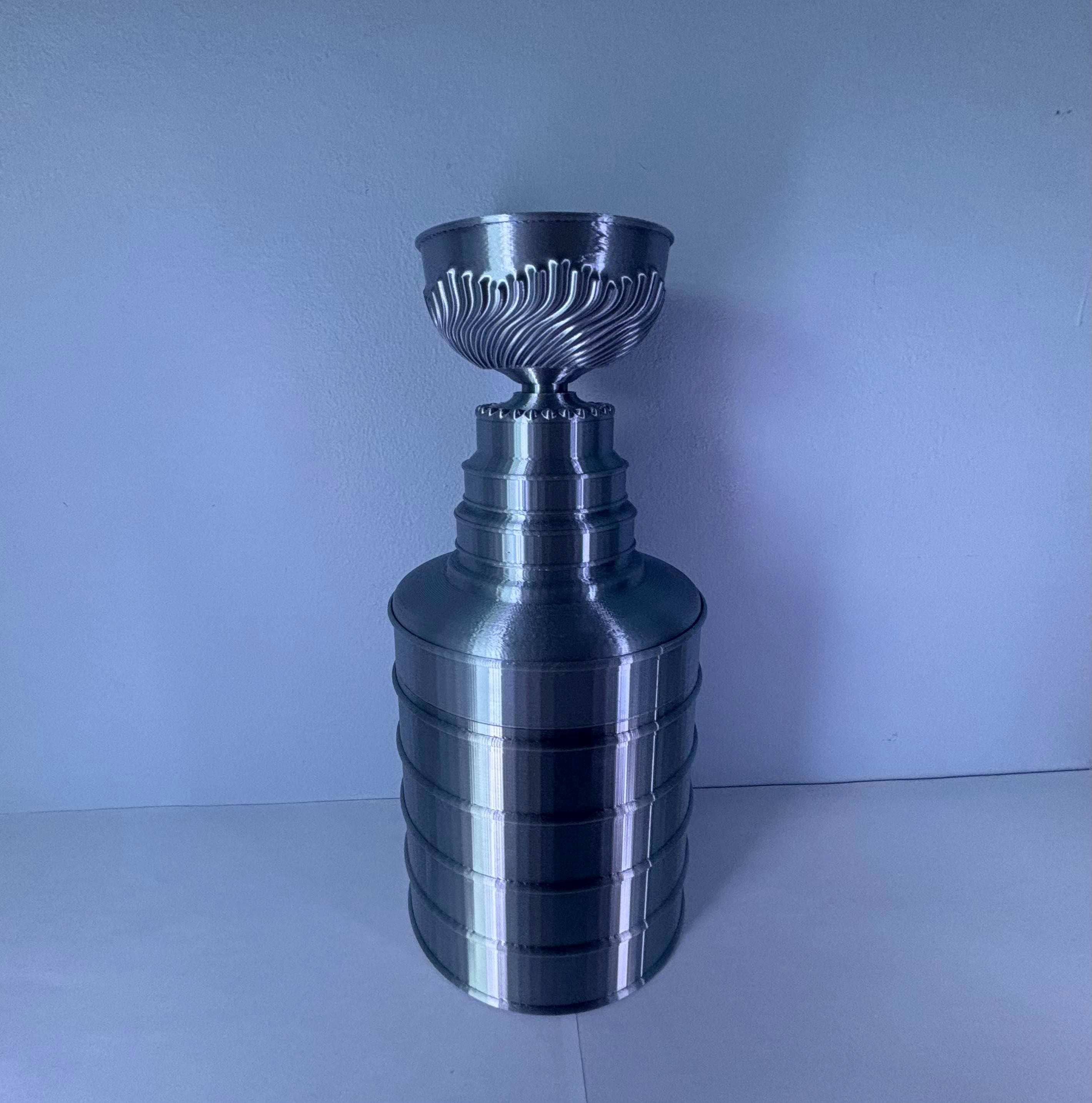
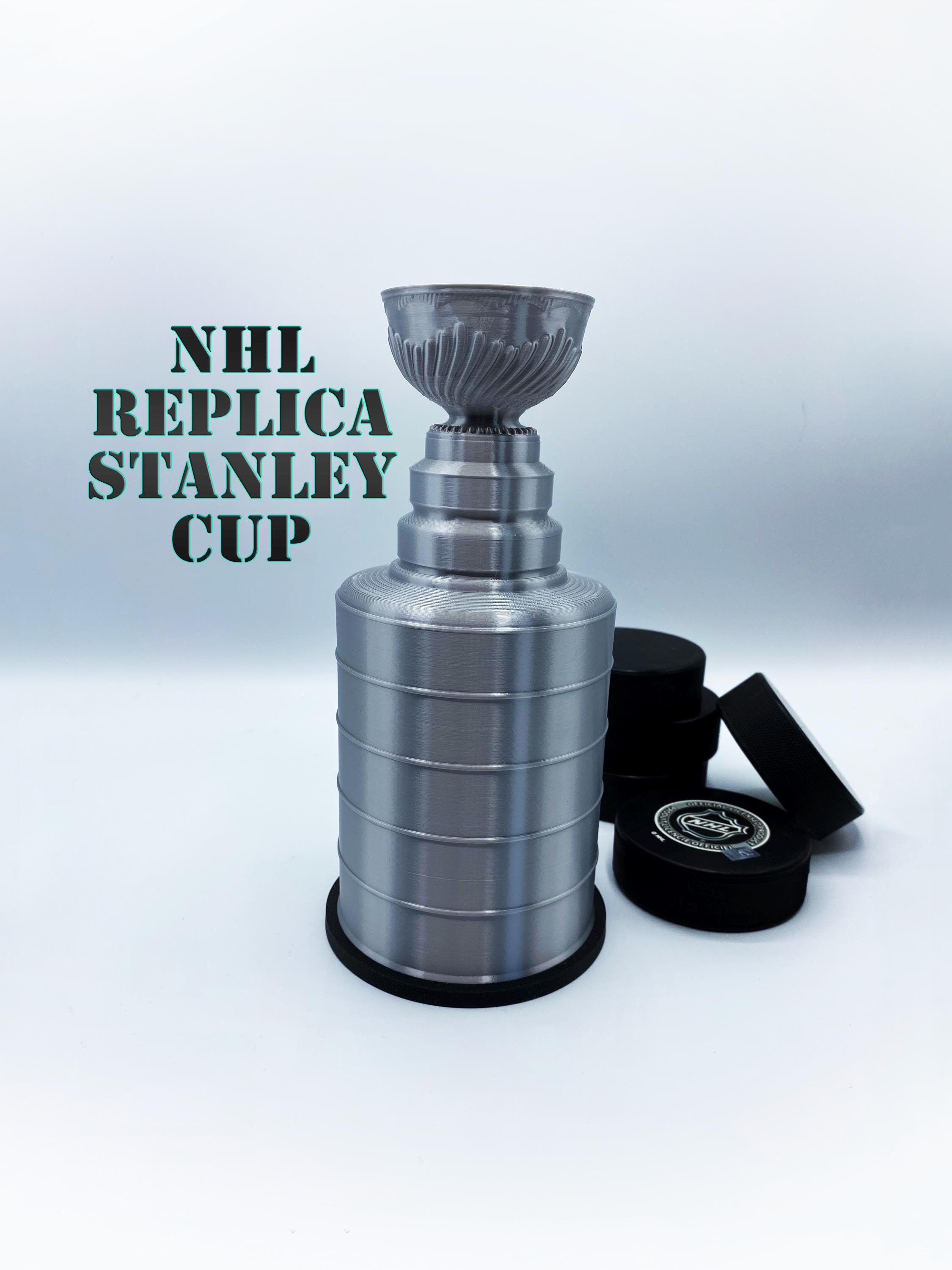
In 1948, the NHL redesigned the base into a five-band tiered structure, creating the iconic "cigar" or "bell" shape that persists today. Each of the five large bands can hold 13 winning teams. When a band is full, the oldest band is removed and retired to the Hockey Hall of Fame, and a new, blank band is added to the bottom. This ensures the trophy maintains a consistent height of approximately 35 inches while continuing to document the history of the game.
The "Challenge Era" vs. The "NHL Era"
When discussing the original trophy, it is important to distinguish between the eras of competition. The original Stanley Cup was not always the exclusive property of the National Hockey League.
- The Challenge Era (1893–1914): During this time, the original bowl was a trophy for all of Canada. Any amateur league champion could challenge the current holder. This led to multiple defenses in a single season.
- The Pro-Am Era (1915–1926): After the rise of professional leagues like the PCHA (Pacific Coast Hockey Association), the Cup became a trophy for a series between the champions of different professional leagues.
- The NHL Exclusive Era (1927–Present): Following the collapse of the Western Hockey League in 1926, the NHL took de facto control of the trophy. In 1947, a formal agreement was reached with the Cup's trustees, granting the NHL the rights to the Stanley Cup as long as the league remains the top-tier professional hockey organization.
Preservation and Modern Status in 2026
As of 2026, the original 1892 bowl remains the most significant artifact in the Hockey Hall of Fame’s collection. It is stored in a secure, humidity-controlled vault designed to prevent the oxidation of the silver plating. While the "Presentation Cup" travels more than 300 days a year, visiting players' hometowns and making public appearances, the original bowl never leaves the building.
The Hall of Fame curators perform regular inspections of the original bowl to monitor for "metal fatigue." Small cracks that formed during the early 20th century are stabilized with modern conservation techniques. For fans visiting Toronto, seeing the original bowl provides a sense of the sport's humble beginnings compared to the multi-billion-dollar industry the NHL has become.
Frequently Asked Questions
Is the Stanley Cup at the Hockey Hall of Fame the real one?
There are two "real" ones at the Hall of Fame depending on the definition. The Original 1892 Bowl is in the vault. The Permanent Cup (a 1993 replica) is on display in the Great Hall. The Presentation Cup (the one players hoist) is also considered "the real one" and is only at the Hall when not on tour with the winning team.
How much did the original Stanley Cup cost?
In 1892, Lord Stanley paid 10 guineas, or roughly $48.67. While this seems small, it was a significant sum for a decorative bowl at the time. Its value in 2026 is considered "priceless" due to its historical status, though its scrap metal value would be negligible.
Why does the Stanley Cup have rings?
Rings were added because the original bowl ran out of space for names. Every player, coach, and staff member of a winning team is entitled to have their name engraved. The tiered rings allow the trophy to keep a record of its history without the bowl itself being destroyed by constant etching.
Can I touch the original bowl?
No. The original 1892 bowl is kept behind glass in the vault and is handled only by white-gloved curators. Even the Presentation Cup has strict protocols, though players and fans are often allowed to touch or kiss it during public appearances.
Has the original bowl ever been stolen?
While the Stanley Cup has been involved in several mishaps—including being left in a snowbank and thrown into a swimming pool—the original 1892 bowl has never been stolen. However, it was once "kicked" into the Rideau Canal in 1905 by members of the Ottawa Silver Seven (it was retrieved the next morning).
Recommendation for Hockey Fans
If you are a student of the game or a dedicated fan, a visit to the Hockey Hall of Fame in Toronto is the only way to truly appreciate the original Stanley Cup. While the Presentation Cup is the one that captures the cameras on championship night, the original 1892 bowl in the Lord Stanley Vault offers a direct physical connection to the roots of the sport. Viewing the original allows you to see the actual hand-etched names of the 19th-century pioneers who defined the game long before the era of professional expansion.
Image Gallery