Navigating Farm Credit Home Loan Rates: What Rural Borrowers Need to Know
Farm credit home loan rates reflect the unique financing mechanisms of the cooperative Farm Credit System, offering competitive terms for rural properties, working farms, and country homes that traditional commercial banks often declin...
Farm credit home loan rates reflect the unique financing mechanisms of the cooperative Farm Credit System, offering competitive terms for rural properties, working farms, and country homes that traditional commercial banks often decline.
Contents
Navigating the financial landscape of rural real estate requires an understanding of how specialized lending institutions operate. Unlike standard residential mortgages governed by conventional secondary market guidelines, loans secured through the cooperative Farm Credit System are tailored to the unique economic realities of rural properties, agricultural acreage, and country living. Whether you are purchasing a historic farmhouse with surrounding acreage, building a custom home on a large rural tract, or financing a working farm, understanding how farm credit home loan rates function is critical to securing favorable long-term financing.
Because the Farm Credit System functions as a government-sponsored enterprise (GSE) cooperative rather than a traditional retail bank, its pricing models, funding sources, and borrower requirements differ significantly from standard commercial lenders. Recognizing these distinctions helps prospective rural homeowners identify whether a Farm Credit association matches their financial profile and long-term land ownership goals.
Understanding the Farm Credit System and Rural Lending
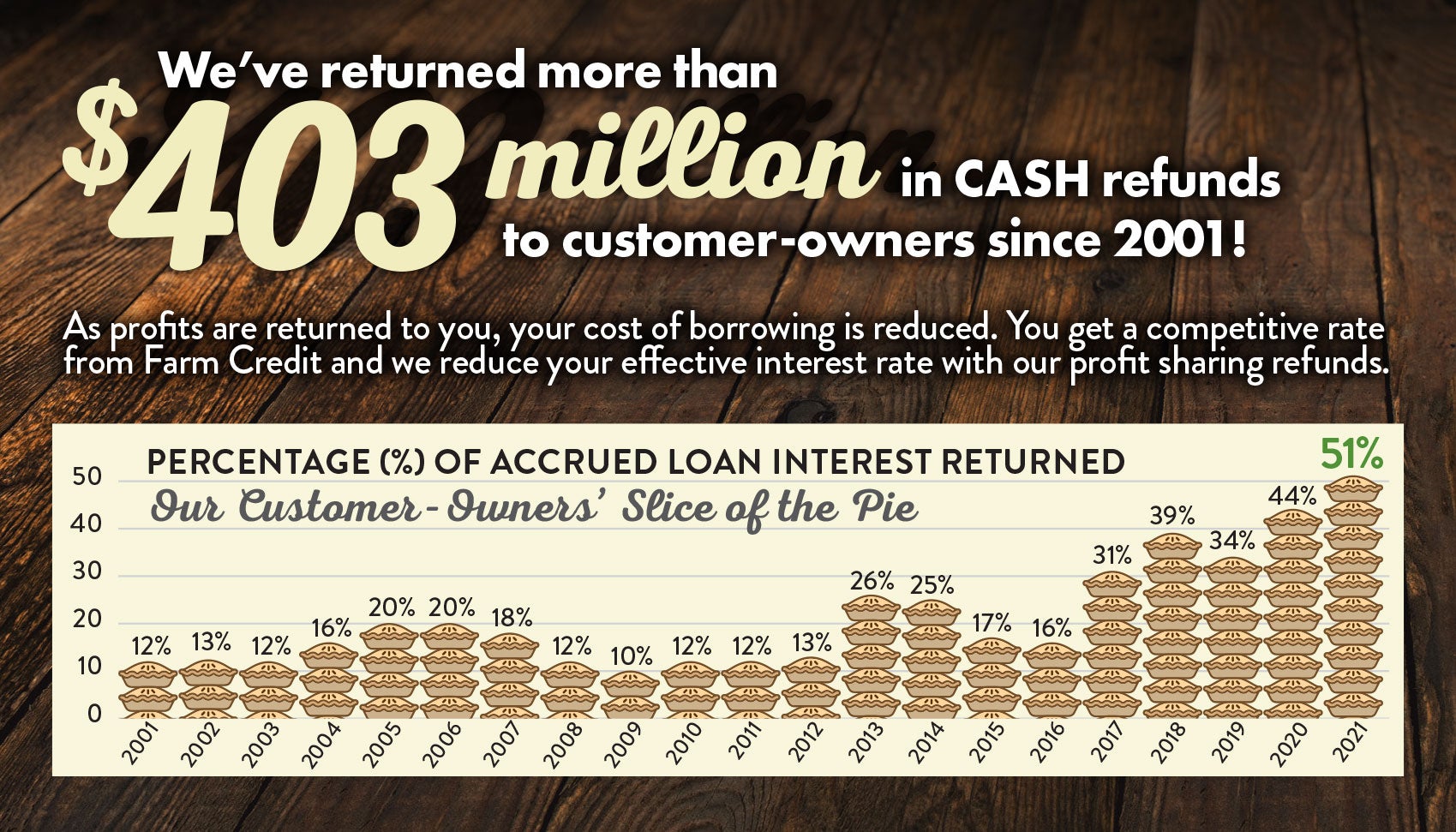
The Farm Credit System (FCS) was established by Congress in 1916 through the Federal Farm Loan Act to create a dependable source of credit for American agriculture and rural communities. As a nationwide network of borrower-owned lending institutions, the FCS operates as a cooperative. Borrowers are not merely customers; when they secure a loan through a local Farm Credit association, they typically become members and owners of that cooperative, which can translate into potential patronage dividends that effectively lower the net cost of borrowing over time.
Unlike commercial banks that rely primarily on short-term consumer deposits to fund mortgages, Farm Credit institutions raise capital by issuing debt securities in the national and international money markets. Because these debt obligations are backed by the financial strength of the cooperative network rather than Federal Deposit Insurance Corporation (FDIC) deposits, pricing structures are tied directly to the cost of funds in the capital markets and the specific risk profiles of rural real estate.
Securing a mortgage in a rural area often presents unique valuation and underwriting challenges. Conventional lenders frequently struggle to appraise properties that include large amounts of acreage, outbuildings, barns, or agricultural zoning. Traditional secondary market guidelines established by Fannie Mae and Freddie Mac often place strict limits on acreage amounts, income-producing potential, and the presence of agricultural infrastructure. Farm Credit lenders specialize in these exact property types, offering specialized financing structures where conventional lenders decline to tread.
Factors Influencing Farm Credit Home Loan Rates
Loan rates offered by Farm Credit associations fluctuate based on a combination of macroeconomic trends, cooperative-specific financial strategies, and the intrinsic characteristics of the property being financed. Understanding these variables provides clarity on why specific rate quotes vary significantly between borrowers and institutions.
Cost of Funds and Market Conditions
Like all fixed and adjustable-rate mortgages, Farm Credit rates respond to broader economic indicators, including federal monetary policy, inflation expectations, and yields on United States Treasury securities. Because Farm Credit institutions issue bonds to fund their lending portfolios, their cost of funds rises and falls with bond market yields. When market interest rates trend upward, Farm Credit home loan rates adjust accordingly.
Property Use and Acreage Proportions
The physical composition of the property heavily influences pricing. Farm Credit associations categorize loans based on whether the property is a purely residential country home, a part-time hobby farm, or a full-scale commercial agricultural operation. Generally, properties with significant agricultural production capacity or large acreages may carry different risk adjustments compared to a standard residential dwelling situated on five rural acres.
Down Payment and Loan-to-Value (LTV) Ratios
The amount of equity a borrower brings to the transaction remains a primary determinant of interest rate pricing. Lower loan-to-value (LTV) ratios—achieved through larger down payments—reduce the lender's risk exposure, frequently unlocking more favorable interest rate tiers. Farm Credit lenders evaluate the appraised value of the land, the primary dwelling, and any income-producing agricultural assets separately and in aggregate.
Borrower Credit Profile and Financial Strength
Underwriting standards within the Farm Credit System evaluate standard consumer credit metrics, including credit scores, debt-to-income (DTI) ratios, and liquid reserves. However, they also place substantial emphasis on balance sheet strength, operational experience (for agricultural properties), and diversified income sources. Borrowers with robust off-farm income combined with agricultural assets often secure highly competitive rates.
Fixed-Rate vs. Adjustable-Rate Farm Credit Mortgages
When evaluating financing options through a Farm Credit association, borrowers encounter various rate structures designed to accommodate different financial strategies and risk tolerances. Selecting the correct structure requires weighing current market conditions against long-term ownership plans.
| Loan Structure | Primary Characteristic | Best Suited For | Key Consideration |
|---|---|---|---|
| Fixed-Rate Mortgage | Interest rate remains constant for the entire loan term (e.g., 15 or 30 years). | Borrowers planning long-term residency who desire predictable monthly payments. | Protection against rising market rates, though initial rates may be slightly higher than short-term adjustments. |
| Adjustable-Rate Mortgage (ARM) | Rate is fixed for an initial period (e.g., 5, 7, or 10 years) and adjusts periodically thereafter. | Borrowers intending to sell, refinance, or pay off the principal before the adjustment period begins. | Lower initial interest rates carry the risk of higher monthly payments if market rates rise. |
| Variable-Rate Cooperative Loan | Rates fluctuate periodically based on the cooperative’s cost of funds and board decisions. | Agricultural producers and commercial operators managing cash-flow cycles. | Offers high flexibility but exposes the borrower to immediate interest rate volatility. |
Comparing Farm Credit Associations to Commercial Banks
Deciding whether to apply for a rural home loan through the Farm Credit System or a traditional commercial bank or credit union involves weighing several operational and financial differences.
| Feature | Farm Credit System Associations | Commercial Banks & Credit Unions |
|---|---|---|
| Primary Funding Source | National and international debt securities (bond markets). | Consumer deposits (checking/savings accounts) and secondary market sales. |
| Acreage Limits | High tolerance or no strict acreage limits; specialized in large tracts and working lands. | Often restricted by secondary market guidelines (e.g., limits on acreage or income-producing outbuildings). |
| Cooperative Structure | Borrower-owned cooperatives; potential for patronage refunds reducing net interest costs. | Traditional shareholder-owned corporations or member-owned credit unions. |
| Appraisal Expertise | Specialized rural appraisers familiar with timber, water rights, and agricultural zoning. | Generalist residential appraisers who may struggle with unique rural comparables. |
| Geographic Focus | Strictly mandated to serve rural communities and agricultural sectors. | Broad focus encompassing urban, suburban, and rural consumer markets. |
The Application and Underwriting Process
Applying for a home loan through a Farm Credit association follows a structured pathway designed to evaluate both the borrower's personal creditworthiness and the unique characteristics of the rural real estate. Knowing what to expect during this process ensures a smoother transaction.
Step 1: Initial Consultation and Pre-Qualification
Borrowers begin by contacting a local Farm Credit association serving their specific geographic region. Loan officers discuss the intended use of the property, verify geographic eligibility requirements, and review preliminary financial documents to provide an estimate of borrowing capacity.
Step 2: Formal Loan Application and Documentation
Once a property is identified or under contract, the formal application process begins. Borrowers must submit comprehensive financial verification documents, which typically include:
- Personal tax returns for the past two to three years.
- Current W-2s, 1099s, or proof of agricultural operational income.
- Detailed personal financial statements outlining assets and liabilities.
- Purchase agreements, construction blueprints, or land surveys.
Step 3: Specialized Property Appraisal
Unlike urban home purchases, rural appraisals require specialized knowledge. Farm Credit assigns qualified appraisers who assess the market value of the residential dwelling, the underlying land, timber, mineral rights, irrigation systems, and agricultural outbuildings. Accurate valuation is critical, as loan-to-value limits apply strictly to the verified appraised worth.
Step 4: Underwriting and Board Review
Underwriters analyze the comprehensive file, ensuring compliance with cooperative lending regulations and credit risk policies. For very large loans or complex agricultural-residential combinations, final approval may require review by regional loan committees.
Step 5: Closing and Cooperative Membership
Upon final approval, closing documents are executed. Borrowers finalize their down payment, sign promissory notes and security instruments, and officially become member-owners of the cooperative association.
Potential Benefits of the Cooperative Model
One of the most distinctive features of borrowing through the Farm Credit System is the potential for patronage dividends. Because Farm Credit associations operate as cooperatives rather than profit-driven public corporations, earnings are often distributed back to member-borrowers based on the volume of their loan business.
When a local association experiences a financially strong fiscal year, the board of directors may declare a patronage refund. This payout can take the form of cash or allocated surplus, effectively lowering the overall net cost of borrowing for the member. While patronage refunds are never guaranteed and depend entirely on the financial performance of the specific association, they represent a unique financial advantage unavailable through standard commercial banking institutions.
Furthermore, Farm Credit loan officers often possess deep, localized knowledge of rural economies, regional weather patterns affecting agricultural income, and local land values. This expertise can prove invaluable when structuring financing for complex properties that combine residential living with small-scale farming, equestrian facilities, or timber management.
Potential Limitations and Challenges
Despite their advantages, Farm Credit home loan rates and products may not be the optimal choice for every homebuyer. Prospective borrowers should carefully consider several operational limitations before committing to an application:
- Geographic Restrictions: Farm Credit associations operate under strict congressional charters that limit their lending authority to designated rural territories and agricultural sectors. If a property is located within an urban center or a densely populated suburban municipality, it may fall outside their statutory mandate.
- Membership and Equity Requirements: Depending on the specific association, borrowers may be required to purchase a nominal amount of cooperative stock or equity as a condition of loan origination.
- Variable Rate Exposure: Borrowers utilizing variable-rate cooperative products must be prepared for potential payment adjustments if market conditions shift, requiring careful cash-flow management.
- Underwriting Rigor for Agricultural Income: If the home loan is tied to a working farm or agricultural enterprise, underwriters examine business plans, production history, and commodity market exposure with high scrutiny, which can extend processing timelines.
Frequently Asked Questions
What qualifies as a "rural" property under Farm Credit guidelines?
Farm Credit associations evaluate properties based on their location outside major metropolitan areas, zoning classifications, and connection to agricultural or rural communities. Generally, properties located in towns with populations under a certain threshold, or those featuring acreage and rural characteristics, easily qualify. Each regional association maintains specific geographic boundaries and eligibility maps.
Are Farm Credit home loan rates higher or lower than traditional bank rates?
Farm Credit interest rates are generally competitive with, and often mirror, conventional mortgage rates. However, because they fund operations through the bond market, their pricing responds directly to wholesale debt yields. In some cases, the potential for annual patronage dividends can reduce the effective interest rate below what commercial banks offer.
Can I finance vacant land and home construction together through Farm Credit?
Yes. Farm Credit lenders frequently offer single-close construction-to-permanent loans for rural properties. These programs allow borrowers to finance the purchase of raw land, the construction of the home and outbuildings, and the eventual long-term mortgage under a single loan structure, minimizing closing costs and administrative complexity.
Do I have to be a farmer to get a Farm Credit home loan?
No. While the system was originally created for agricultural producers, modern Farm Credit associations offer specialized residential loan programs for rural homeowners, country property buyers, and suburban commuters who simply wish to live in the countryside, provided the property meets geographic and acreage criteria.
What is a patronage dividend, and how does it affect my loan?
A patronage dividend is a portion of the cooperative’s net earnings returned to member-borrowers. When distributed, these dividends effectively reduce the net interest expense paid on the loan over the course of the year. While popular among borrowers, patronage is distributed at the discretion of each local association's board of directors and is never guaranteed.
Next Actions for Prospective Rural Borrowers
Securing financing for a rural home or acreage requires aligning your property goals with the right lending institution. Begin by identifying the specific Farm Credit association that operates within your target county or region. Review their current rate sheets, lending minimums, and specific geographic parameters. Consult with a specialized loan officer to discuss your down payment capacity, property characteristics, and long-term land ownership objectives. By preparing your financial documentation and understanding how cooperative lending works, you can position yourself to secure favorable financing for your rural property.
Image Gallery