When Does Nurse Jackie Relapse: Understanding the Character's Addiction Arc
Nurse Jackie Peyton’s struggle with substance use is central to the television series Nurse Jackie, and her relapses occur at multiple critical turning points throughout the show’s seven seasons. Her first major on-screen relapse takes...
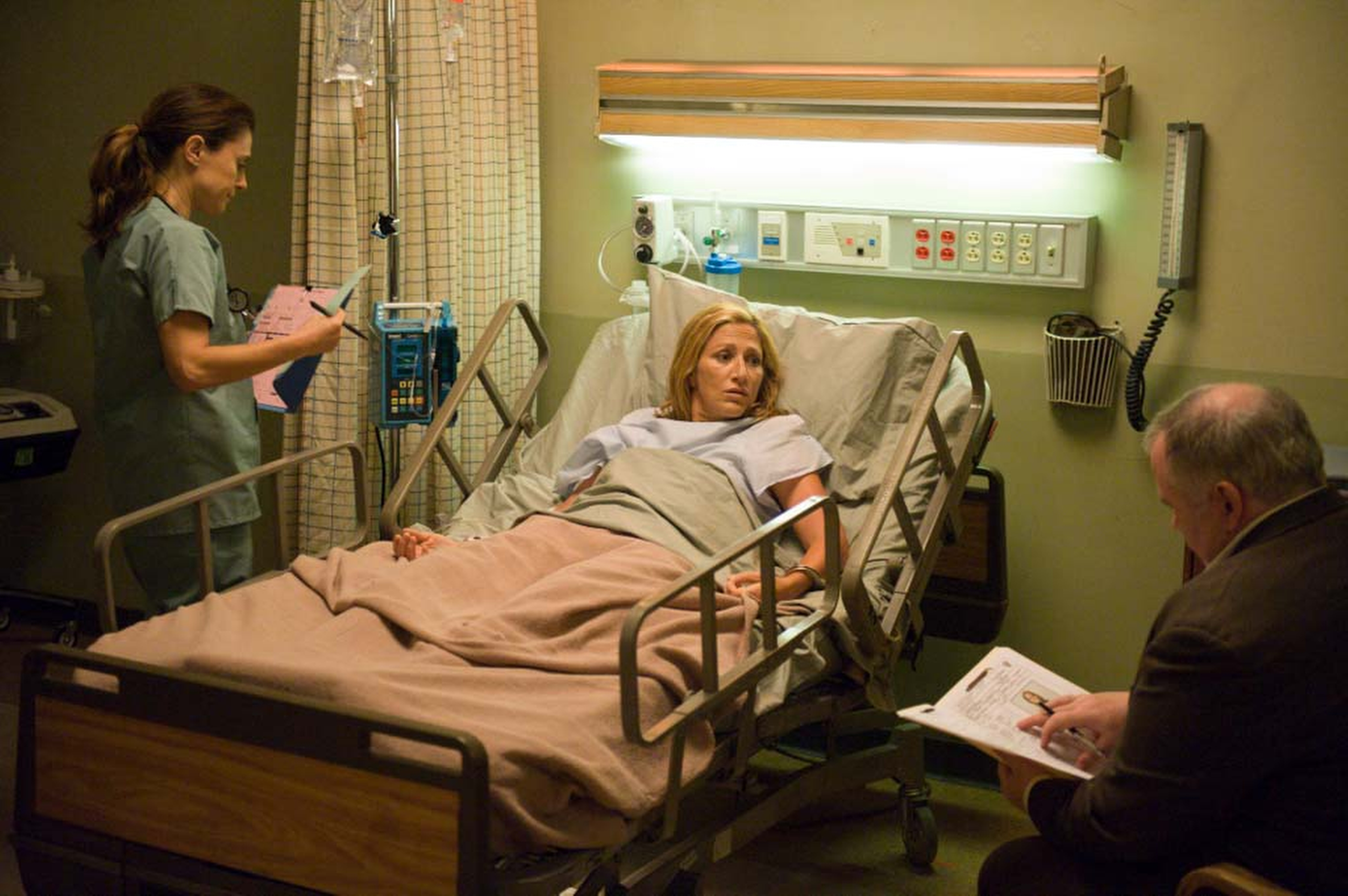
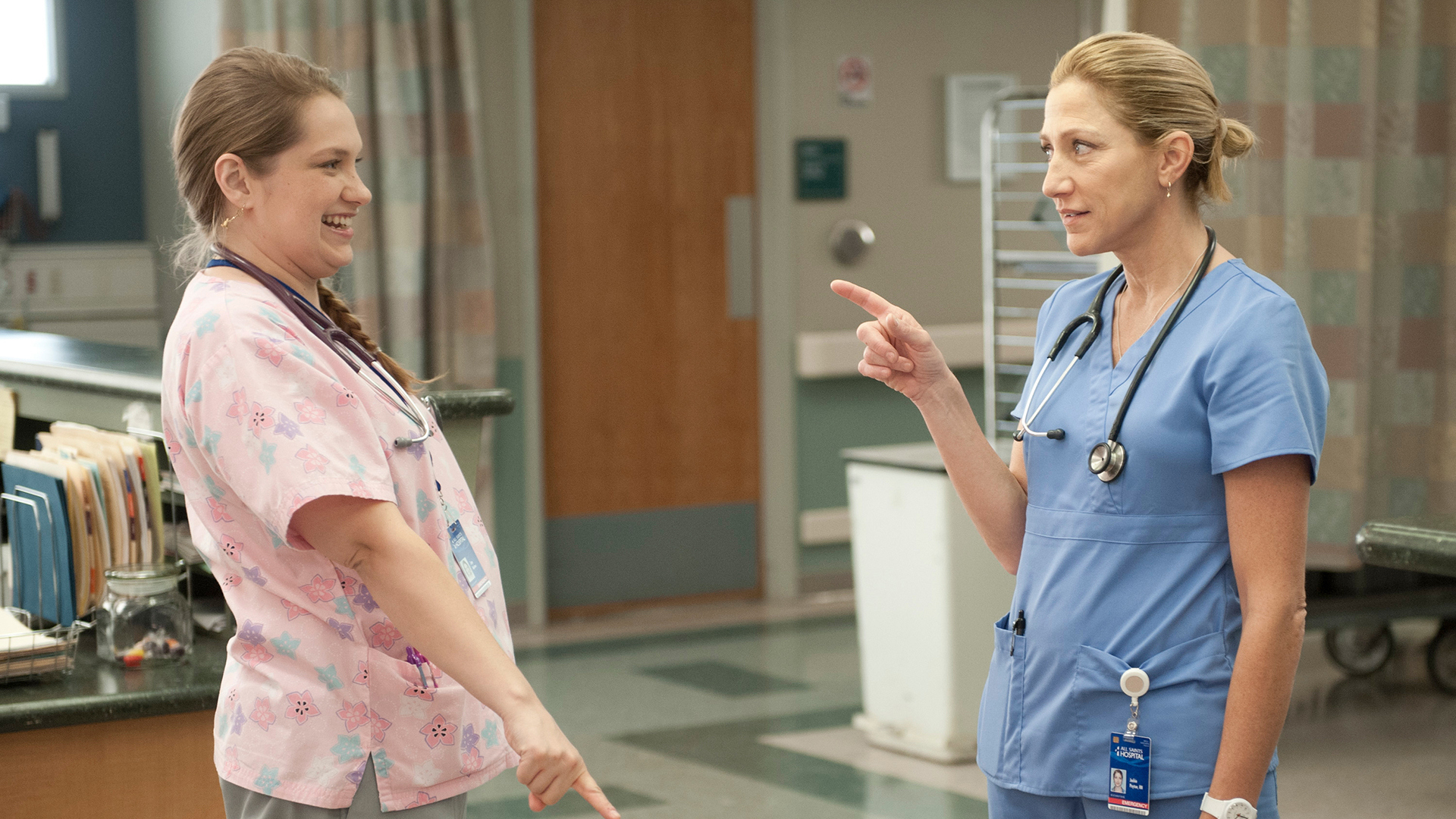
Nurse Jackie Peyton’s struggle with substance use is central to the television series Nurse Jackie, and her relapses occur at multiple critical turning points throughout the show’s seven seasons. Her first major on-screen relapse takes place at the end of Season 3, when she caves under extreme workplace pressure and personal stress, marking the beginning of a persistent cycle of deception, recovery attempts, and subsequent slips that define her character trajectory.
Contents
Examining the trajectory of Jackie Peyton’s addiction requires looking closely at the anatomy of addiction portrayed in modern television drama. The series, which aired on Showtime from 2009 to 2015, broke conventional television molds by focusing on an antiheroine whose professional competence as an emergency room nurse existed in sharp contrast to her chaotic, secretive personal life and chemical dependency. Understanding when and why Jackie relapses illuminates the broader themes of the show, illustrating how chronic stress, professional burnout, and deep-seated denial contribute to the persistence of substance use disorders.
The Foundation of Addiction: Introduction to Jackie’s Double Life
From the very first episode of Nurse Jackie, viewers are introduced to a protagonist who relies on prescription drugs—specifically painkillers like Adderall, Percocet, and Vicodin—to manage chronic back pain and navigate the high-stakes, high-stress environment of All Saints Hospital in New York City. This foundation establishes her addiction not as a sudden plot twist, but as a daily managing mechanism. Jackie uses substances to numb physical injuries, endure grueling 12-hour shifts, and emotionally distance herself from the trauma she witnesses daily in the emergency department.
Her ability to maintain this routine depends heavily on compartmentalization. She hides pills in her locker, switches prescription labels, and manipulates colleagues, including her close friend Dr. O'Hara and pharmacist Kevin (who later becomes her husband), to secure her supply. However, this delicate balancing act is unsustainable. The psychological toll of maintaining constant deception creates a pressure cooker environment, making relapse an inevitable narrative and psychological milestone rather than a singular isolated event.
Season 3 Finale: The First Major On-Screen Relapse
While Jackie’s entire life is steeped in active addiction from the start, the narrative explicitly forces her into recovery and subsequent relapse milestones as the series progresses. The definitive structural turning point occurs at the end of Season 3.
Throughout Season 3, Jackie’s lies catch up with her. Her marriage to Kevin fractures as her infidelity with pharmacist Eddie Walzer is exposed, and the web of professional misconduct threatens to unravel. Confronted with the complete collapse of her personal life, Jackie finally enters a rehabilitation facility.
However, her stay in rehab is marked by resistance. She attempts to manage the process on her terms rather than surrendering to the requirements of recovery. Immediately upon leaving the facility, the stress of facing a hostile domestic reality—where Kevin demands a separation and custody battles loom—triggers her vulnerability. In the final moments of the Season 3 finale, Jackie relapses, acquiring and consuming pills. This moment shatters the brief hope of sobriety established in rehab and sets a darker tone for the subsequent seasons, demonstrating that physical withdrawal is only a fraction of the recovery battle.
The Cycle Continues: Relapses in Later Seasons
As the series moves into Seasons 4, 5, and 6, Jackie’s relationship with sobriety becomes a recurring cycle of secret use, discovery, brief clean spells, and renewed relapse. Each relapse is precipitated by distinct psychological and environmental triggers, aligning with clinical understandings of addiction relapse dynamics.
Key Triggers for Jackie’s Subsequent Slips
- Professional Disruption: Threats to her nursing license or demotions at the hospital cause acute anxiety, driving her back to chemical coping mechanisms.
- Relationship Instability: Breakups, custody disputes with Kevin, and her volatile romance with Frank Verelli strain her emotional resilience.
- Guilt and Shame: The emotional weight of past deceptions often creates a self-fulfilling prophecy where feeling like a failure leads her to use the very substances that caused the failure.
In Season 5 and Season 6, Jackie attempts various forms of harm reduction and community support, attending Narcotics Anonymous (NA) meetings while still occasionally lapsing in secret. Her sponsor, Antoinette, and colleagues like Zoey Barkow often oscillate between suspicion and trust, creating an isolating environment where Jackie feels she must hide her struggles to preserve her identity as a healer.
The Climax of Addiction: Season 7 and the Series Finale
The culmination of Jackie’s addiction narrative occurs in Season 7, the final season of the series. After losing her nursing license, working hard to regain it, and facing the permanent dissolution of her old life structures, Jackie experiences a complex interplay of sobriety and deep vulnerability.
The tragic climax of the series occurs in the final episode of Season 7. After successfully fighting to get her nursing license reinstated, Jackie celebrates by consuming drugs in the emergency room bathroom during a party celebrating her professional resurrection. This final relapse blurs the lines between celebration, euphoria, and self-destruction. The series ends ambiguously on the floor of the emergency room, leaving her fate open to interpretation but firmly emphasizing that addiction is a chronic, relapsing condition that resists simple, neat resolutions.
| Season / Episode Milestone | Nature of the Addiction Event | Primary Narrative Trigger | Clinical Context / Behavior |
|---|---|---|---|
| Season 1 - Season 2 | Active, Maintained Addiction | Chronic back pain, high-stress ER environment | Compartmentalization, pill swapping, lying to family and colleagues |
| Season 3 Finale | First Major Formal Relapse | Marital breakdown, exposure of affair, impending divorce | Immediate return to use post-rehab due to overwhelming domestic stress |
| Season 4 - Season 5 | Intermittent Slips & Secret Use | Professional scrutiny, loss of trust, custody battles | Attending NA meetings while maintaining secret stashes; hiding slips |
| Season 7 Finale | Final Tragic Relapse | Reinstatement of nursing license, intense emotional peak | Using in the workplace during a moment of high triumph and vulnerability |
Frequently Asked Questions
Does Nurse Jackie ever stay sober permanently during the show?
No, Jackie does not achieve permanent, stable sobriety during the course of the seven seasons. While she has periods where she attends meetings, stays clean for weeks or months, and attempts genuine recovery, her journey is characterized by relapse. The show portrays addiction as a chronic illness rather than a moral failing that can be cured by a single willpower-driven decision.
Why does Jackie keep relapsing throughout the series?
Jackie relapses because she relies on substances as her primary mechanism for emotional regulation, stress management, and physical pain control. Whenever she encounters acute emotional distress—such as marital failure, professional disgrace, or intense anxiety—her default behavioral pattern is to seek chemical relief rather than utilizing healthy coping strategies or leaning on her support network.
What substances is Nurse Jackie addicted to?
Jackie primarily abuses prescription opioids and central nervous system stimulants. Throughout the series, she consumes drugs such as Percocet, Vicodin, Oxycontin, and Adderall. Her position as an emergency room nurse gives her professional access to medication dispensing systems, making her access to these substances a constant operational hazard.
How does her addiction affect her nursing career?
Her addiction severely compromises her professional ethics. She frequently works while impaired, steals medication from hospital stock, forges medical records, lies to attending physicians, and puts patients at risk. While she is clinically brilliant and deeply compassionate toward patients, her chemical dependency repeatedly jeopardizes her nursing license and leads to disciplinary hearings, terminations, and legal scrutiny.
Does Jackie lose her family because of her addiction?
Yes, the progressive nature of her addiction destroys her primary family relationships. Her husband, Kevin, eventually divorces her and gains primary custody of their daughters, Grace and Fiona, due to her chronic dishonesty and drug use. While she maintains a complex, strained relationship with her children, her addiction creates an emotional distance that defines her domestic life.
Conclusion and Next Actions
Examining when Nurse Jackie relapses provides insight into how television has historically handled complex psychological conditions like substance use disorder. Her narrative does not offer a sanitized, comforting recovery arc; instead, it presents a raw, unflinching look at the cyclic nature of addiction. For viewers or researchers exploring addiction dynamics through media, understanding these milestones underscores the importance of comprehensive, long-term support structures over simple willpower. If you or someone you know is struggling with substance use, professional medical intervention, evidence-based treatment programs, and confidential support helplines—such as the Substance Abuse and Mental Health Services Administration (SAMHSA) National Helpline—offer accessible paths toward sustainable recovery.
Image Gallery