Exploring the History and Status of Mark Wahlberg’s Wahlburgers in Michigan
Wahlburgers, the casual-dining burger restaurant chain founded by actors Mark and Donnie Wahlberg alongside their brother Chef Paul Wahlberg, once operated a high-profile franchise location in Michigan. Situated inside the GM Renaissan...
Wahlburgers, the casual-dining burger restaurant chain founded by actors Mark and Donnie Wahlberg alongside their brother Chef Paul Wahlberg, once operated a high-profile franchise location in Michigan. Situated inside the GM Renaissance Center in downtown Detroit, the restaurant served as a significant attraction for fans of the celebrity brothers and the accompanying reality television series before permanently closing its doors.
Contents
The Origins and Concept of Wahlburgers
The Wahlburgers brand was built on a foundation of family heritage, comfort food, and pop-culture cross-promotion. Originating in Hingham, Massachusetts, in 2011, the concept gained widespread national recognition largely due to the A&E reality television series Wahlburgers, which chronicled the family's business ventures, sibling dynamics, and expansion efforts.
The restaurant model blends a fast-casual counter service experience with a full-service sit-down bar and dining room. The menu emphasizes chef-driven items curated by Paul Wahlberg, including custom-blend beef burgers, crispy haddock sandwiches, vegetarian options, loaded house-made potato tots, and specialty adult milkshakes. Signature items often reference family nicknames or milestones, creating a themed dining experience that appeals equally to casual diners and dedicated fans of the Wahlberg family's entertainment portfolio.
The Michigan Location: Detroit's GM Renaissance Center
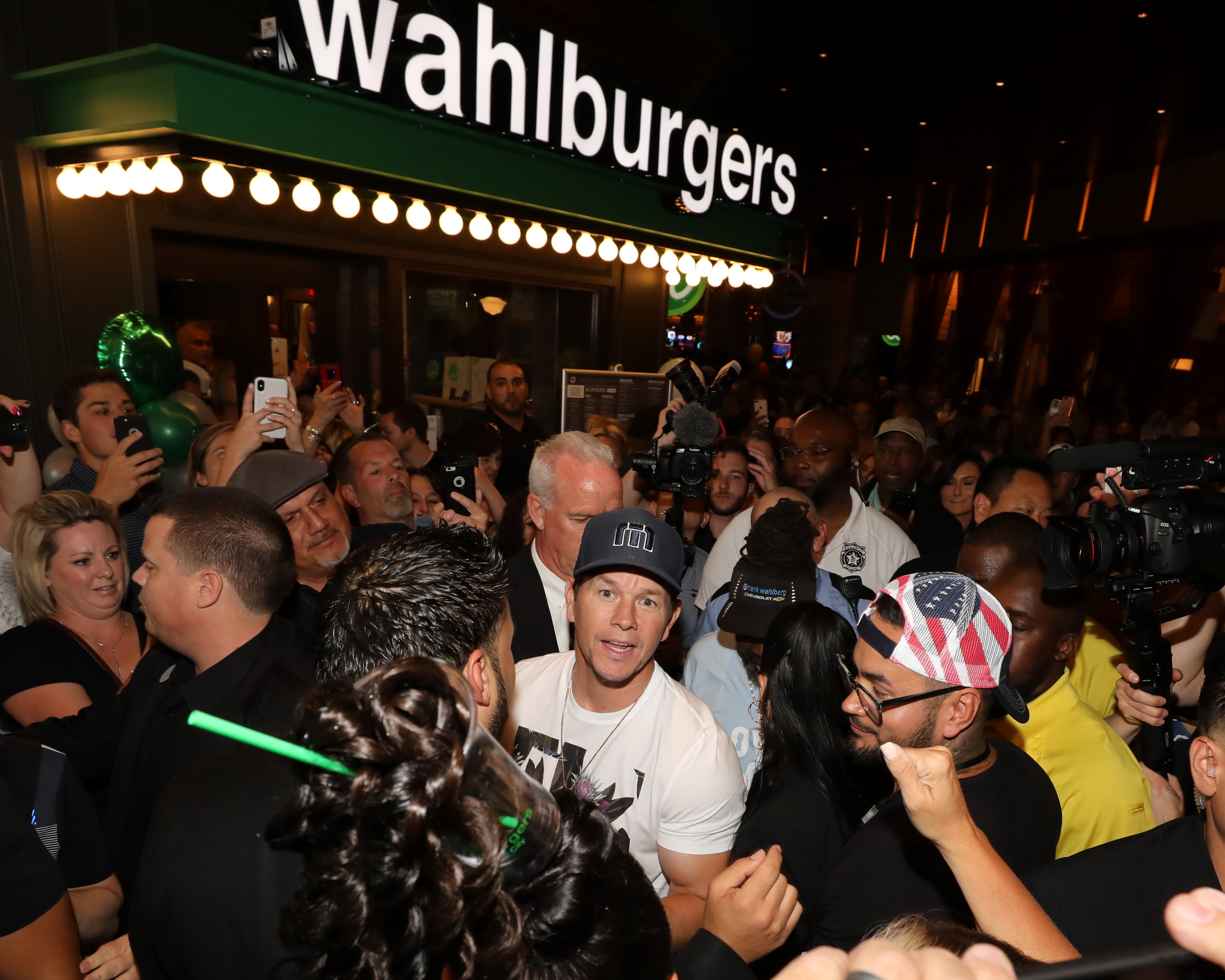
The most prominent chapter of the brand's presence in Michigan was established in Detroit. In May 2017, Wahlburgers opened a sprawling, multi-level location inside the General Motors Renaissance Center, a central hub for business, tourism, and dining in downtown Detroit.
Location Strategy and Local Impact
Placing the restaurant within the Renaissance Center positioned the brand to capture heavy foot traffic from downtown office workers, convention attendees, tourists visiting the Detroit International Riverfront, and patrons attending events at nearby sports and entertainment venues. The opening drew massive crowds, frequently featuring appearances by Mark or Donnie Wahlberg, which generated intense initial local media coverage and sustained early interest.
Operational Challenges and Realities
Despite high-profile launches, celebrity-backed restaurant franchises often face complex operational hurdles after the initial novelty fades. The Detroit Wahlburgers encountered several distinct challenges common to large-scale urban hospitality venues:
- Foot Traffic Dependency: The location relied heavily on corporate office occupancy within the Renaissance Center and steady tourism. Fluctuations in downtown workforce presence and convention schedules directly impacted daily revenue.
- Overhead Costs: Operating a large-scale, multi-level restaurant within a major corporate skyscraper involves substantial lease, maintenance, and staffing expenditures.
- Market Competition: Downtown Detroit’s culinary scene experienced rapid growth and diversification, offering consumers numerous independent and locally owned gourmet burger alternatives.
Comparison of Celebrity-Backed Dining Concepts vs. Traditional Restaurants
Analyzing how celebrity-backed chains like Wahlburgers operate compared to traditional independent restaurants helps contextualize their business lifecycles and operational structures.
| Feature | Celebrity-Backed Chains (e.g., Wahlburgers) | Traditional Independent Restaurants |
|---|---|---|
| Initial Brand Awareness | High, driven by media exposure and celebrity status. | Low to moderate; requires organic local marketing. |
| Funding & Corporate Structure | Typically structured through franchise agreements and venture backing. | Often independently financed through private loans or local investors. |
| Menu Development | Standardized menus overseen by corporate executive chefs. | Flexible menus tailored to immediate local sourcing and chef creativity. |
| Customer Retention | Relies on brand loyalty, merchandise sales, and pop-culture connection. | Relies on consistent food quality, community ties, and repeat local patrons. |
The Closure of the Detroit Franchise
In late 2021, the Detroit Wahlburgers location inside the GM Renaissance Center permanently closed its doors. While the closure marked the end of the brand's physical brick-and-mortar footprint in Michigan, it aligned with broader shifts in the hospitality industry during that period, including changing commercial real estate dynamics in downtown urban centers and strategic portfolio adjustments by the parent corporation.
The closure did not mark a complete departure from the state for the broader Wahlburgers business ecosystem, as retail partnerships—such as the distribution of branded Wahlburgers beef blends, sauces, and grocery items—continued to make products available to Michigan consumers through regional supermarket chains.
Frequently Asked Questions
Is there still an open Wahlburgers restaurant in Michigan?
No, the standalone brick-and-mortar Wahlburgers restaurant located in the GM Renaissance Center in Detroit permanently closed in 2021. There are currently no active restaurant locations operating within the state of Michigan.
Can I still buy Wahlburgers products in Michigan grocery stores?
Yes, retail grocery products associated with the brand, including signature barbecue sauces, marinades, and fresh burger patties, are frequently stocked in select grocery store chains across Michigan, independent of the closed restaurant location.
Who owns and operates the Wahlburgers chain?
Wahlburgers was founded by brothers Mark, Donnie, and Paul Wahlberg. The company operates through a combination of corporate-owned locations and franchise agreements with various hospitality management groups.
Why did the Detroit Renaissance Center Wahlburgers close?
While official corporate statements often attribute such closures to lease expirations and strategic business restructuring, urban hospitality venues of that scale frequently face margin pressures from fluctuating downtown foot traffic, corporate remote-work trends, and high overhead costs.
Next Actions and Recommendations
For consumers interested in the brand, checking official corporate announcements and grocery store locators remains the most reliable way to purchase retail food lines. Those seeking the physical restaurant experience must look to operating locations in other states or potential future franchise expansions announced by the parent organization.
Image Gallery