Understanding the Role and Historical Significance of a House Speaker Emerita
The term "House Speaker Emerita" is an honorary and unofficial title traditionally bestowed upon a former Speaker of the United States House of Representatives upon stepping down from formal leadership. This designation highlights a se...
The term "House Speaker Emerita" is an honorary and unofficial title traditionally bestowed upon a former Speaker of the United States House of Representatives upon stepping down from formal leadership. This designation highlights a senior lawmaker's enduring influence, institutional knowledge, and ongoing legislative leadership within the lower chamber of the United States Congress, bridging active governance and historical legacy.
Contents
Defining the Honorific: What Does "Speaker Emerita" Mean?
In parliamentary and legislative contexts, the suffix "emerita" (or "emeritus" for men) is derived from Latin, signifying someone who has retired from active professional service with honor. Within the United States House of Representatives, the title applies specifically to a former Speaker who retains her seat as a member of Congress after relinquishing the gavel.
The title is not explicitly defined in the United States Constitution or the official rulebook of the House of Representatives. Instead, it functions as a formal courtesy and an institutional acknowledgment of leadership tenure. When a Speaker transitions from leading the entire chamber to serving simply as a representative of her home district, the designation reflects continued prestige, caucus deference, and a distinct advisory role.
The Distinction Between Speaker, Former Speaker, and Emerita
- Speaker of the House: The constitutional officer who presides over the chamber, manages the legislative agenda, and stands second in the presidential line of succession.
- Former Speaker: Any individual who has previously held the office of the Speaker but may have retired from Congress entirely or returned to the backbenches without formal honorific recognition.
- Speaker Emerita: A specific, bestowed designation used primarily when a former Speaker remains a sitting Member of Congress, symbolizing institutional memory and continued moral or strategic authority within her political party.
The Historical Context and Precedent in the House
The use of "Speaker Emerita" became prominent in modern American politics to recognize leadership milestones within the House of Representatives. Historically, Speakers of the House either retired from politics entirely upon losing the majority or leaving leadership, or they occasionally remained in Congress without a specialized honorific title.
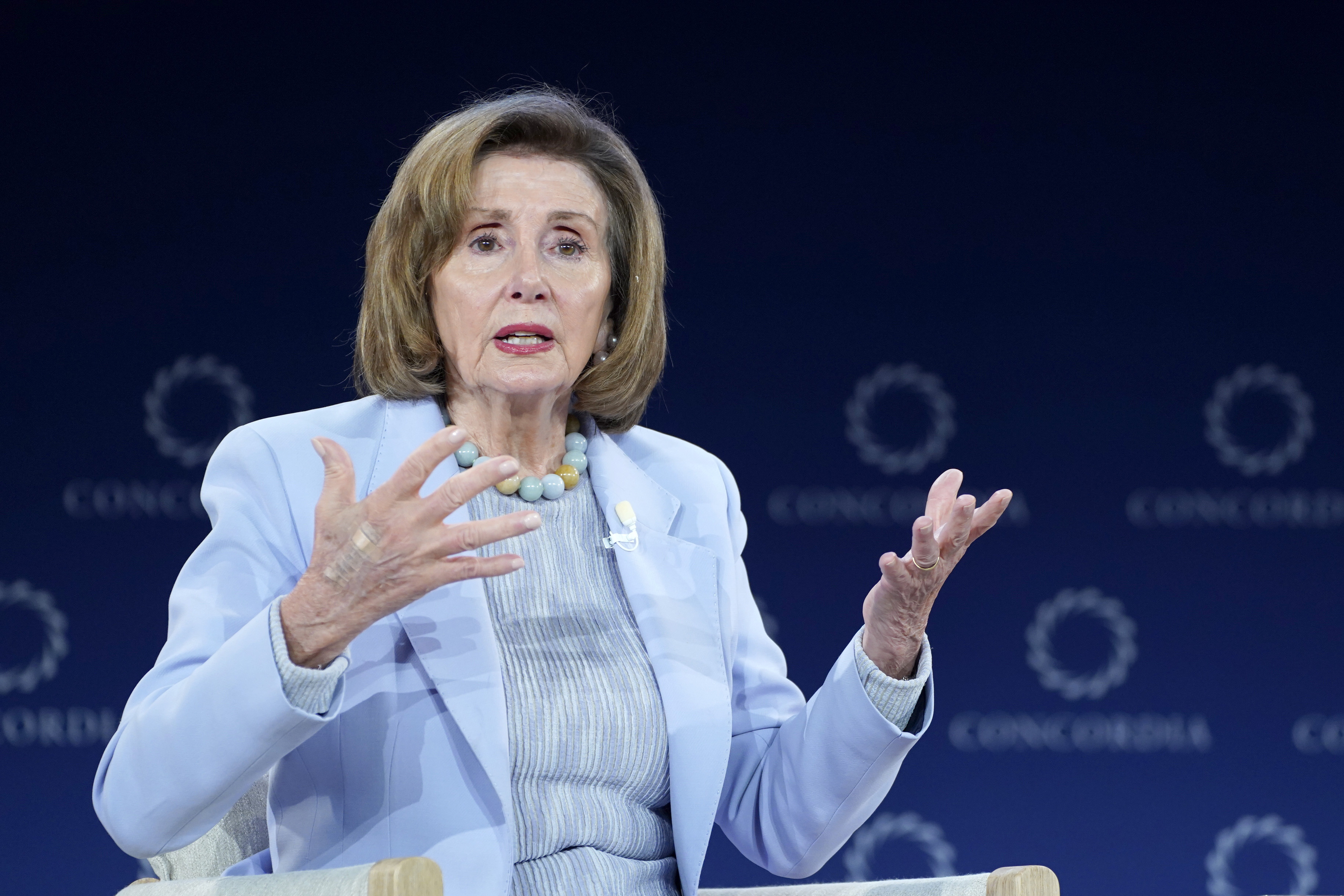
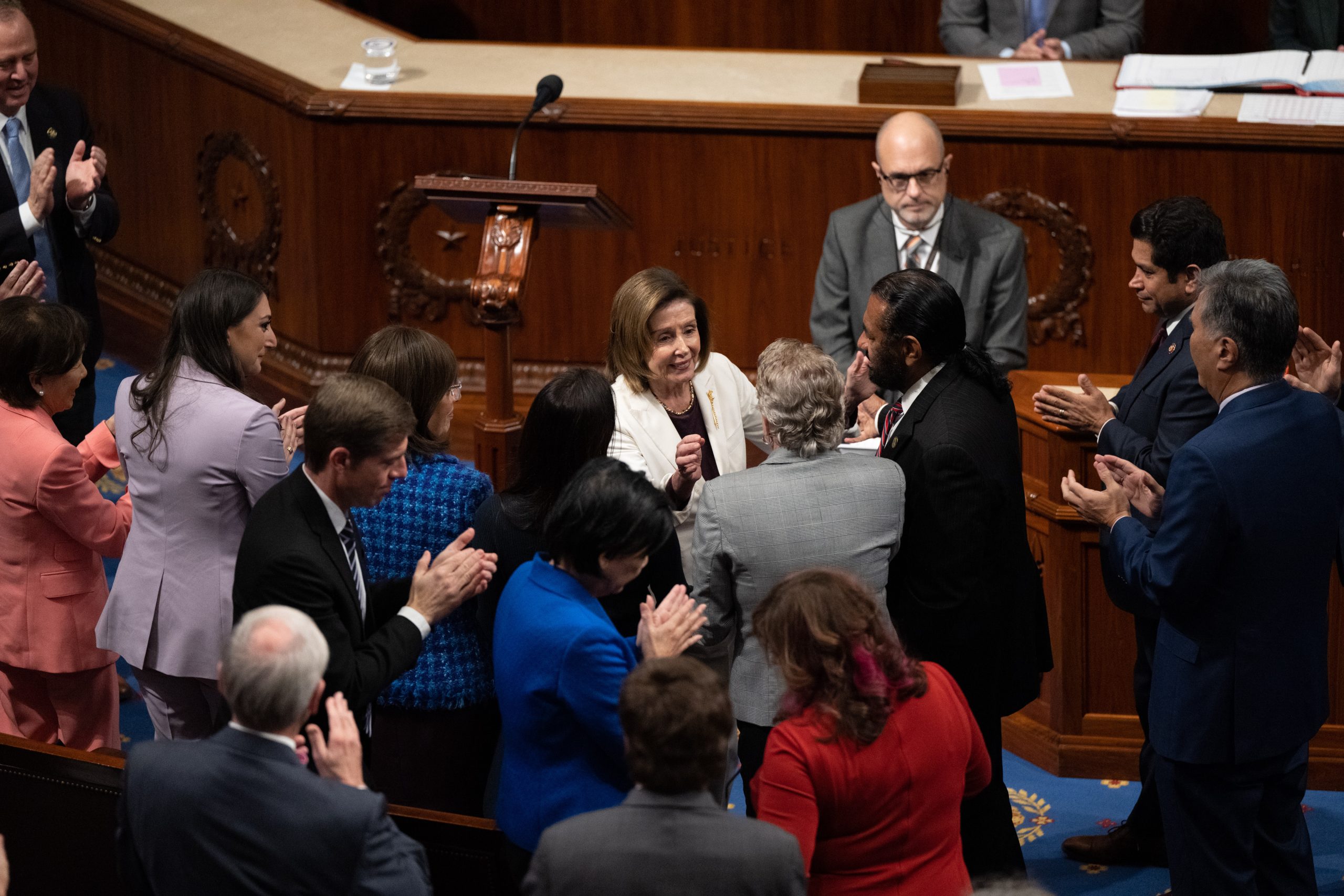
When Nancy Pelosi became the first woman elected as Speaker of the House in 2007, and subsequently served two distinct tenures (2007–2011 and 2019–2023), her transition from the speakership to a rank-and-file member in 2023 established a modern precedent for the "Speaker Emerita" designation. Rather than seeking leadership positions within the new Democratic minority, she chose to remain in the House representing California's 11th congressional district, allowing a new generation of leadership to take the helm while retaining an advisory presence.
Powers, Privileges, and Responsibilities
While the title of House Speaker Emerita carries immense symbolic weight and informal influence, it does not confer the constitutional powers associated with an active Speaker. Understanding the operational scope requires examining what the role does and does not include.
| Status / Power | Active Speaker of the House | House Speaker Emerita | Rank-and-File Member |
|---|---|---|---|
| Constitutional Succession | Second in line (after the Vice President) | No constitutional succession role | No constitutional succession role |
| Presiding Over the House | Presides over floor sessions and votes | Does not preside over official floor votes | Votes on legislation and serves on committees |
| Agenda Setting | Determines the primary legislative calendar | Influences caucus strategy informally | Participates in committee-level debates |
| Office and Staff Allocation | Receives official leadership suite and resources | Retains specialized office accommodations and staff | Standard congressional office and staff limits |
Advisory and Strategic Influence
An incumbent Speaker Emerita typically exercises influence through informal channels. Because of decades spent fundraising, negotiating landmark legislation, and unifying a diverse caucus, a Speaker Emerita often acts as a mentor to newer members, a trusted counselor to current leadership, and a key strategist during high-stakes budget negotiations or debt-ceiling standoffs.
Committee Participation and Legislative Focus
Unlike active Speakers—who traditionally focus on global chamber management rather than granular committee work—a Speaker Emerita often returns to focused legislative advocacy or selective committee assignments, leveraging her profound understanding of procedural rules to advance specific policy goals.
The Transition of Power and Institutional Continuity
The emergence of the Speaker Emerita role reflects an evolution in how political parties manage generational transitions. In past eras, departures from leadership were often abrupt or contentious. The formal adoption of the "emerita" status provides a graceful bridge, ensuring that decades of institutional expertise are not abruptly lost when a party leadership team changes.
- Mentorship of Successors: A Speaker Emerita provides continuity, helping new leadership navigate complex parliamentary rules, committee dynamics, and procedural hurdles.
- Fundraising and Party Support: Former leaders typically remain among the most prolific fundraisers for their respective national campaign committees, traveling the country to support congressional candidates.
- Symbolic Representation: Internationally and domestically, a Speaker Emerita often represents the legislative branch at state funerals, foreign delegations, and bipartisan commemorations.
Frequently Asked Questions
Is "House Speaker Emerita" an official constitutional title?
No. The United States Constitution recognizes only the active "Speaker of the House." "Speaker Emerita" is an honorary designation used by caucus members and the media to recognize a former female Speaker who continues to serve as a member of Congress.
Does a Speaker Emerita retain the power to set the legislative agenda?
No. Setting the legislative agenda, scheduling floor votes, and presiding over the House are strictly the responsibilities of the active Speaker and the majority party leadership. A Speaker Emerita operates without official presiding authority.
What are the office and resource privileges of a Speaker Emerita?
While standard members of Congress operate under strict office budget and staffing caps, party rules and administrative resolutions often allocate specialized office space and transition resources to former Speakers to support their ongoing public duties and institutional responsibilities.
Can a Speaker Emerita become Speaker again?
Yes. There is no constitutional barrier preventing a former Speaker or Speaker Emerita from being nominated and elected as Speaker of the House again, provided they are chosen by a majority vote of the members of the House of Representatives.
How does the title differ from "Speaker Emeritus"?
The terms are identical in function, differing only by grammatical gender. "Emerita" is used for a female former Speaker, while "Emeritus" is used for a male former Speaker.
Conclusion and Next Actions
The designation of House Speaker Emerita represents a unique intersection of parliamentary tradition, institutional memory, and modern political transition. For researchers, students of political science, and citizens tracking legislative affairs, recognizing this role clarifies how power, influence, and mentorship operate within the United States Congress long after an individual has laid down the official gavel. To explore further, examine official congressional procedure manuals, historical records of the U.S. House of Representatives, or congressional biographical directories detailing leadership lineages.
Image Gallery