Breathe Easy Mold Remediation: Professional Strategies for Healthier Indoor Air
Professional mold remediation is a systematic process designed to identify, contain, and eliminate fungal growth while restoring indoor air quality to safe levels. By utilizing high-efficiency particulate air (HEPA) filtration, negativ...
Professional mold remediation is a systematic process designed to identify, contain, and eliminate fungal growth while restoring indoor air quality to safe levels. By utilizing high-efficiency particulate air (HEPA) filtration, negative air pressure, and antimicrobial treatments, "breathe easy" remediation protocols ensure that harmful spores and mycotoxins are permanently removed rather than spread throughout a property.
Contents
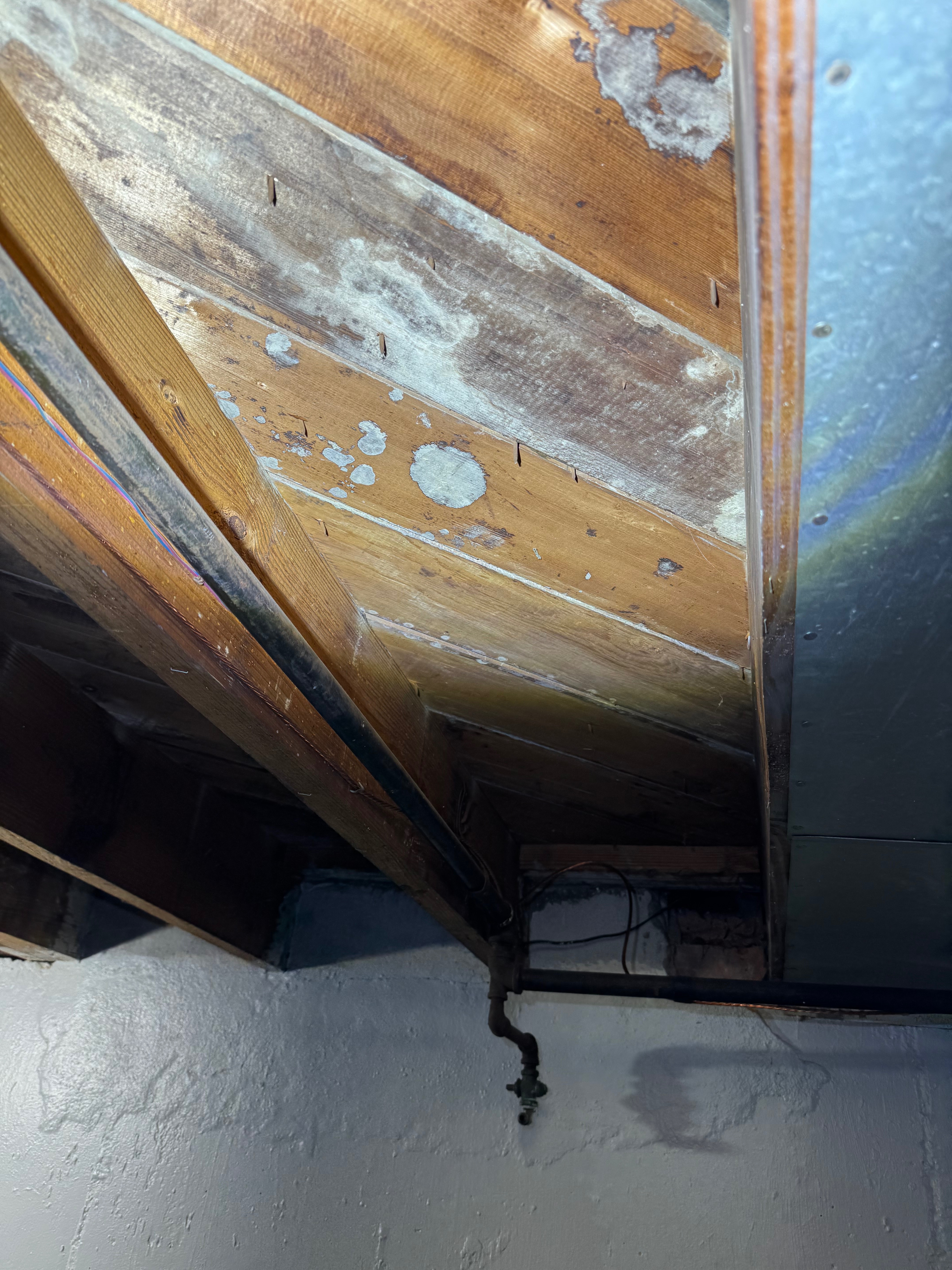
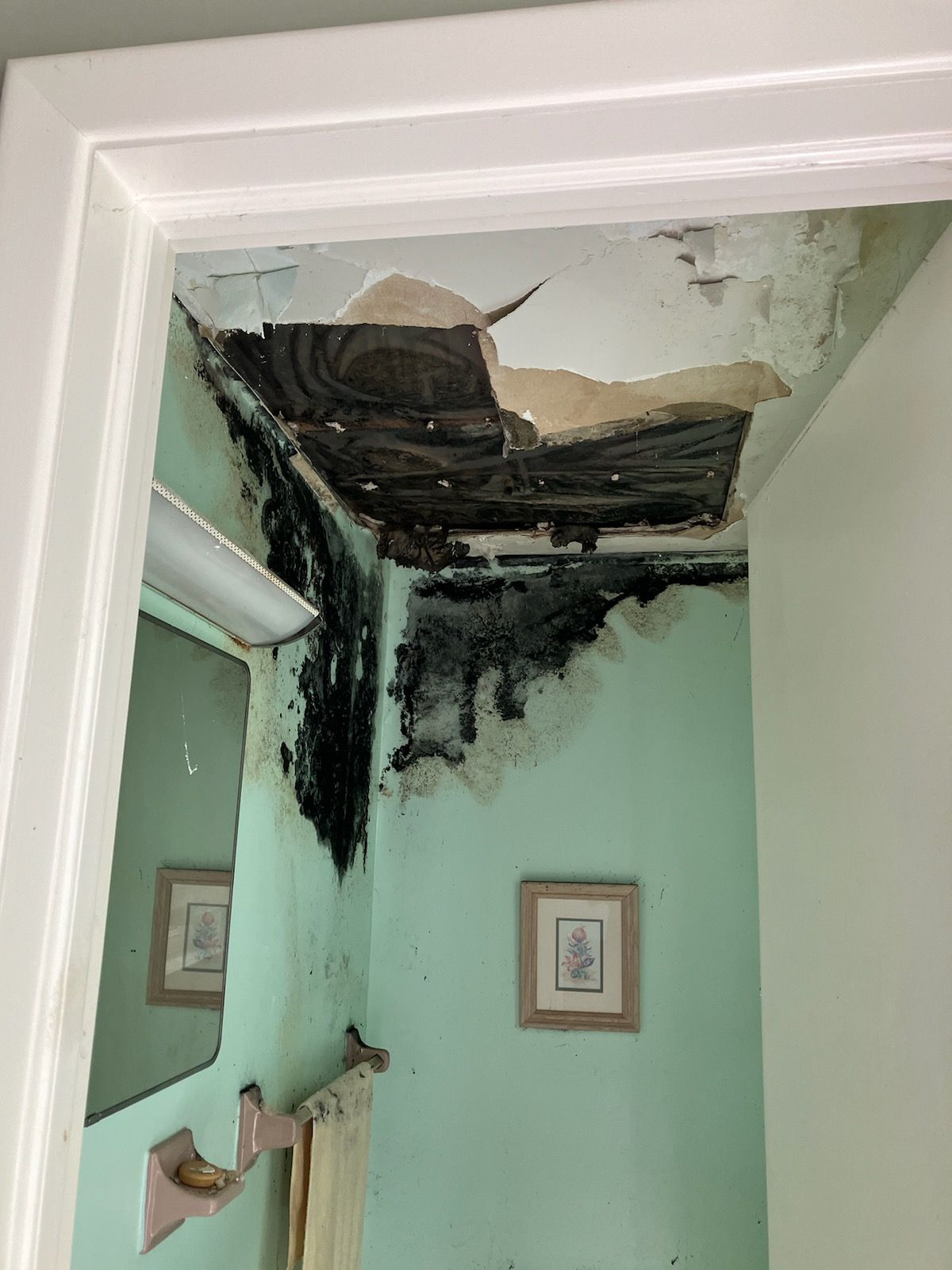
Mold growth is more than an aesthetic issue or a structural threat; it is a significant environmental health hazard. When moisture meets organic material—such as drywall, wood, or insulation—mold colonies can establish themselves within 24 to 48 hours. For property owners in 2026, achieving a "breathe easy" environment requires a transition from surface-level cleaning to comprehensive environmental management. This guide outlines the technical requirements, procedural steps, and safety standards essential for professional mold remediation.
The Science of Mold and Respiratory Health
To understand the necessity of professional remediation, one must first understand the biological behavior of mold. Fungi reproduce by releasing microscopic spores into the air. In an outdoor environment, these spores are diluted and play a vital role in decomposition. However, in the confined space of a home or office, spore concentrations can reach levels that trigger allergic reactions, asthma attacks, and more severe respiratory conditions.
As of 2026, environmental health research continues to emphasize the impact of Volatile Organic Compounds (VOCs) produced by mold, often referred to as microbial VOCs (mVOCs). These are the source of the "musty" odor associated with damp spaces. Prolonged exposure to these compounds and mycotoxins—toxic substances produced by certain fungal species like Stachybotrys chartarum—can lead to chronic inflammation and neurological symptoms. A "breathe easy" approach prioritizes the complete removal of these contaminants rather than simply killing the mold and leaving the allergenic dead spores behind.
The Professional Remediation Process: A Step-by-Step Breakdown
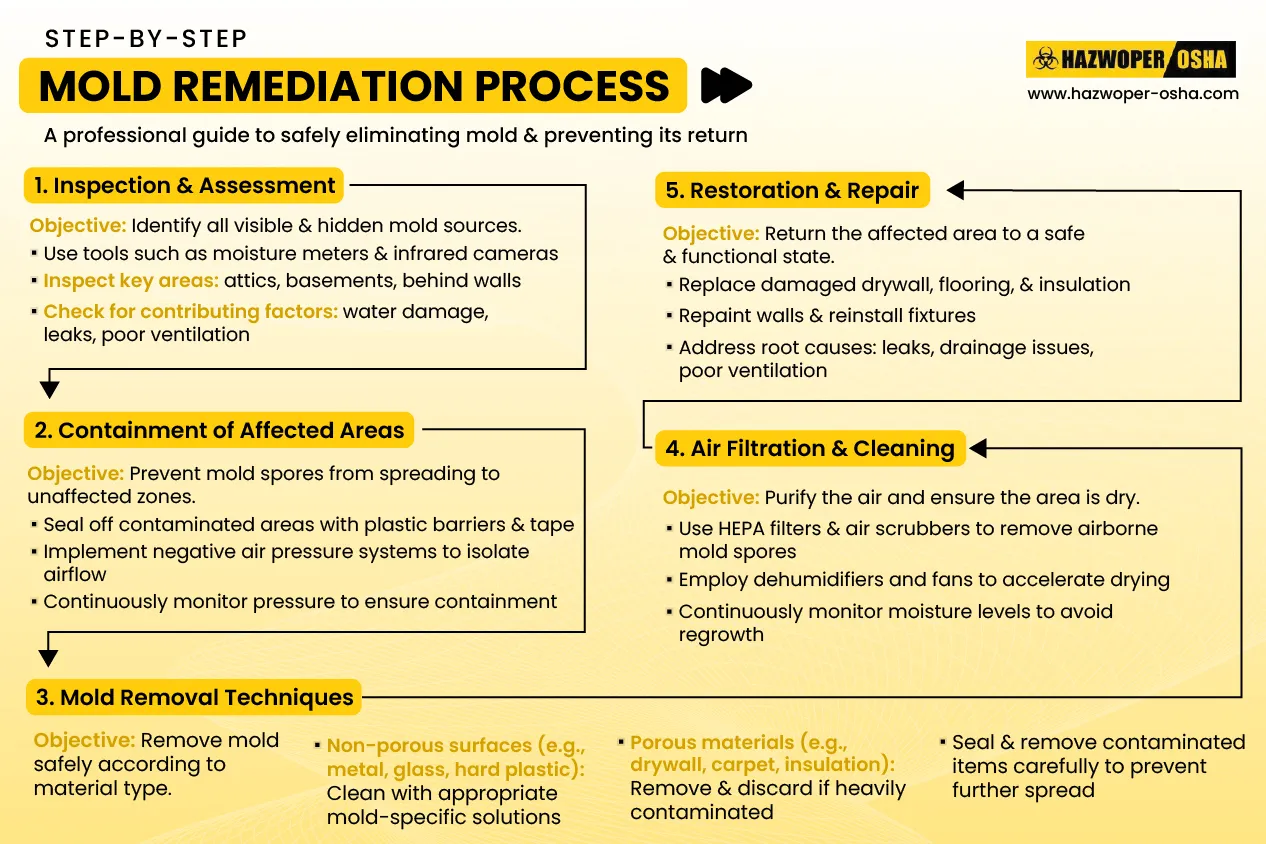
Professional remediation follows strict industry standards, primarily the IICRC S520 Standard for Professional Mold Remediation. This document provides the framework for ensuring that the remediation is performed safely and effectively.
1. Comprehensive Inspection and Moisture Mapping
The first step in any "breathe easy" protocol is identifying the source of moisture. Mold cannot survive without water. Technicians use advanced diagnostic tools, including:
- Infrared Thermography: Thermal imaging cameras detect temperature differences in walls, often revealing hidden leaks or condensation points that are invisible to the naked eye.
- Moisture Meters: These devices measure the moisture content of various building materials, helping to define the "boundary" of the affected area.
- Hygrometers: These measure relative humidity. If indoor humidity levels consistently exceed 60%, the risk of secondary mold growth remains high.
2. Engineering Controls and Containment
To prevent the cross-contamination of clean areas, professionals establish physical barriers. This usually involves 6-mil polyethylene sheeting secured with tension poles. More importantly, the use of Negative Air Pressure is mandatory. By using high-volume air scrubbers to exhaust air out of the containment zone, a vacuum effect is created. This ensures that any spores disturbed during the cleanup are pulled into HEPA filters rather than drifting into other rooms.
3. Air Filtration and HEPA Scrubbing
The "breathe easy" namesake comes from the rigorous air purification used during the project. Air scrubbers fitted with HEPA filters—which capture 99.97% of particles down to 0.3 microns—are kept running throughout the process. This continuously "washes" the air, removing spores, dust, and debris. In 2026, many remediation services also utilize integrated air quality sensors that provide real-time data on particulate counts within the containment area.
4. Controlled Removal of Impacted Materials
Materials are classified into three categories:
- Porous: Drywall, insulation, and carpeting. These usually cannot be fully cleaned if mold has penetrated the fibers and must be removed and discarded.
- Semi-Porous: Solid wood and concrete. These can often be saved through specialized cleaning techniques like media blasting or sanding.
- Non-Porous: Metal, glass, and hard plastics. These can be effectively sanitized and reused.
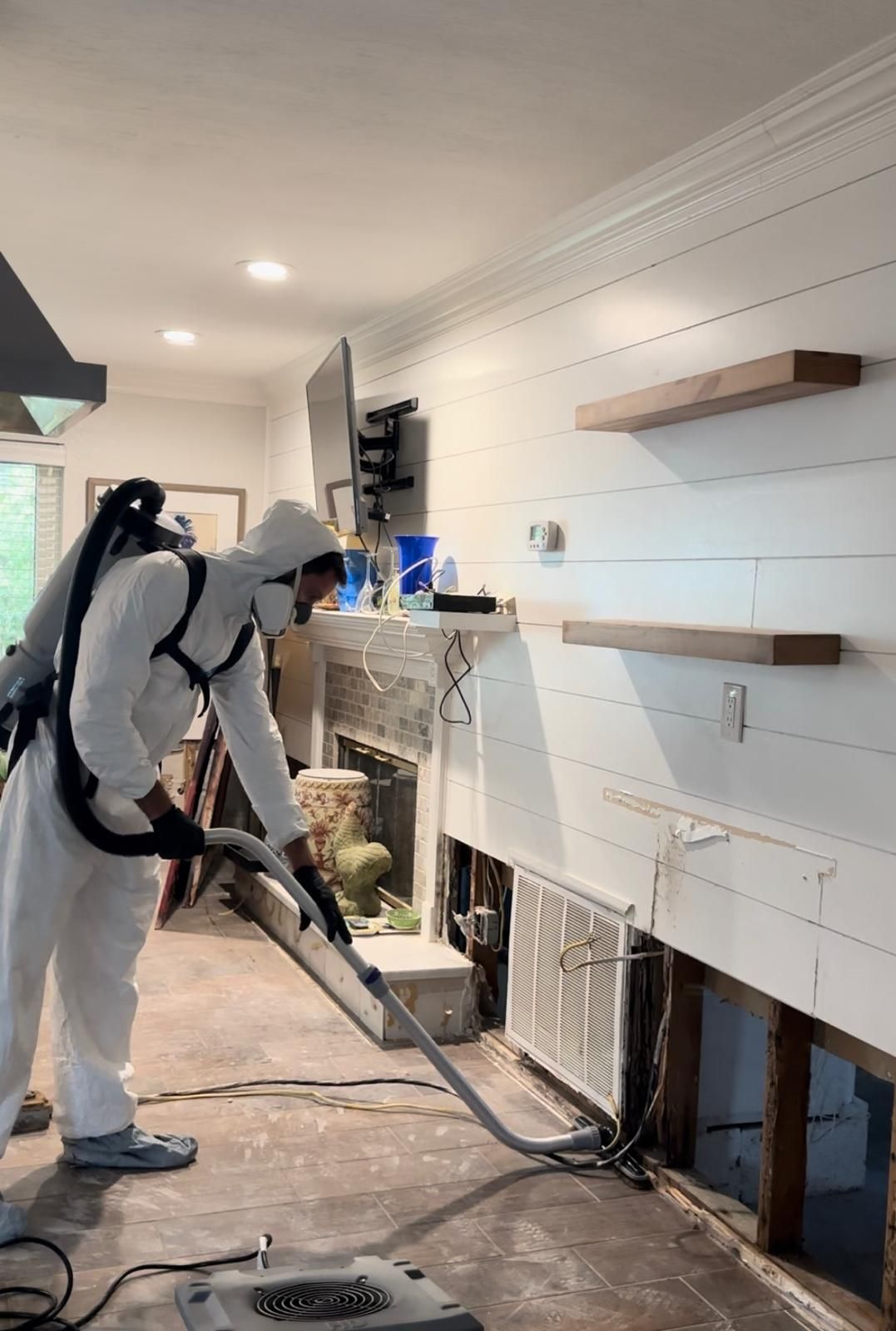
Professionals use "HEPA vacuuming" and "damp wiping" techniques to ensure that no dust remains. It is a common mistake to use a standard household vacuum, which often lacks the filtration necessary to trap spores, effectively acting as a "spore canon" that redistributes the mold.
5. Cleaning and Antimicrobial Treatment
Once the physical mold is removed, the remaining structural elements are cleaned using EPA-registered antimicrobial solutions. In recent years, there has been a shift toward botanical-based disinfectants, such as those derived from thymol (oil of thyme), which offer high efficacy with lower chemical toxicity for the occupants.
| Remediation Factor | DIY Approach | Professional "Breathe Easy" Standard |
|---|---|---|
| Containment | Often none; may use plastic sheets only. | Negative pressure zones with HEPA exhaust. |
| Filtration | Standard HVAC or shop-vac filters. | Industrial HEPA air scrubbers (99.97% efficiency). |
| Diagnostic Tools | Visual inspection only. | Infrared cameras, moisture meters, and air sampling. |
| Safety Gear | Basic mask and gloves. | Full-face respirators (N95/P100) and Tyvek suits. |
| Verification | "If it looks clean, it is clean." | Independent Post-Remediation Verification (PRV). |
| Source Control | Often overlooked. | Mandatory moisture source identification and repair. |
Post-Remediation Verification (PRV)
The project is not considered complete until it has passed Post-Remediation Verification, also known as "clearance testing." To ensure an unbiased result, this testing should ideally be performed by a third-party environmental consultant rather than the remediation company itself.
A successful PRV involves:
- Visual Inspection: Ensuring no visible mold or dust remains.
- Moisture Testing: Confirming that the underlying moisture issue has been resolved and materials are dry (typically below 15% moisture content for wood).
- Air Sampling: Comparing indoor spore counts to outdoor "baseline" counts. For a space to be cleared, indoor levels should be significantly lower and the types of mold present should mirror the natural outdoor environment.
Cost Considerations for 2026
The cost of mold remediation varies significantly based on the square footage of the affected area and the accessibility of the mold (e.g., attic vs. crawlspace). As of 2026, homeowners can expect the following general pricing structures:
- Small Localized Areas (Bathroom or Under-Sink): $500 – $1,500.
- Attic or Crawlspace Remediation: $2,500 – $6,000, depending on insulation removal needs.
- Whole-House Remediation: $10,000 – $30,000+, often involving significant demolition and reconstruction.
It is important to review insurance policies carefully. Many standard homeowners' insurance policies have a "mold limit" (often $5,000 or $10,000) or require a specific endorsement for mold coverage. If the mold is the result of a "sudden and accidental" water discharge (like a pipe burst), coverage is more likely than if it resulted from long-term seepage or high humidity.
Frequently Asked Questions
Can I just use bleach to kill the mold?
No, bleach is generally not recommended for mold on porous surfaces like drywall or wood. Bleach contains a high percentage of water; while the chlorine may kill surface mold, the water soaks into the material, potentially feeding the roots (hyphae) and causing the mold to return. Furthermore, bleach does not remove the allergenic properties of the mold spores. Professional remediation focuses on physical removal rather than just "killing" the organism.
How long does the "breathe easy" remediation process take?
A typical remediation project takes between 3 to 7 days. The first day is usually dedicated to setup and containment, followed by 1-2 days of removal and cleaning. The remaining time is required for the air scrubbers to run (often 24-48 hours) to ensure the air is fully scrubbed before clearance testing is conducted.
Is it safe to stay in the house during remediation?
In many cases, yes, provided the containment is properly established and the HVAC system is not compromised. However, if the mold is widespread or located in a primary living area (like the kitchen or only bathroom), or if an occupant has severe respiratory issues or a compromised immune system, temporary relocation is advised.
Does "breathe easy" remediation include duct cleaning?
If mold spores have been pulled into the HVAC system, duct cleaning becomes a critical component of the remediation plan. Without cleaning the ducts, the system will redistribute spores the moment it is turned back on. Professionals will use specialized brushes and HEPA-filtered vacuums to clean the ductwork and may apply an antimicrobial sealant to the interior surfaces.
Why does the mold keep coming back after I clean it?
Mold returns because the underlying moisture source has not been addressed. Whether it is a slow pipe leak, high indoor humidity, or poor drainage around the foundation, mold will always reappear if the environment remains damp. Professional remediation includes a "moisture correction" phase to ensure the environment is no longer hospitable to fungal growth.
Professional Advice Limitation
The information provided in this article is for educational purposes and should not replace the advice of a qualified environmental professional or medical doctor. Mold exposure can cause serious health complications; if you suspect mold-related illness, consult a healthcare provider immediately. Always ensure that any remediation contractor you hire is licensed, bonded, and insured according to your local jurisdictional requirements.
Final Recommendation
If you discover mold in your property, do not wait for it to spread. Early intervention is the key to minimizing both repair costs and health risks. To truly "breathe easy," prioritize hiring a firm that adheres to the IICRC S520 standards and utilizes professional-grade containment and HEPA filtration. Once the remediation is complete, maintain your indoor relative humidity between 30% and 50% to prevent future growth and ensure your home remains a healthy environment for years to come.
Image Gallery