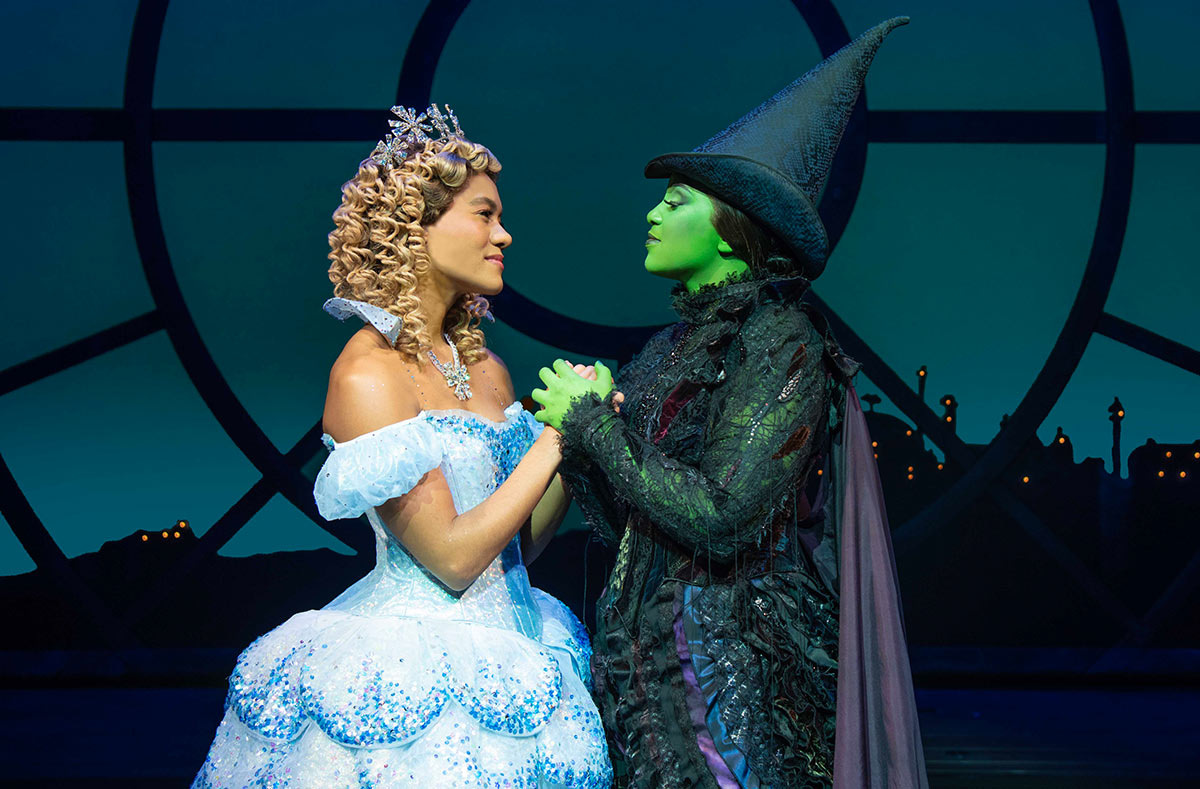
The Wicked Stage Show Run Time Explained
The Wicked stage show has a standard running time of approximately 2 hours and 45 minutes, which includes a single 15-minute intermission. Planning for this duration ensures that audience members can appropriately manage their evening...
The Wicked stage show has a standard running time of approximately 2 hours and 45 minutes, which includes a single 15-minute intermission. Planning for this duration ensures that audience members can appropriately manage their evening or matinee schedules, arrange transportation, and coordinate dining arrangements around the performance.
Contents
Understanding the exact schedule and structural timing of a theatrical production like Wicked is essential for anyone attending a live performance. Whether you are seeing the musical on Broadway in New York City, visiting London's West End, or attending a regional touring production, knowing how long the show lasts helps eliminate logistical stress. Live theater relies on precise timing, and being familiar with act lengths, intermission durations, and curtain calls ensures a seamless theatergoing experience.
Standard Duration and Performance Structure
The musical Wicked, with music and lyrics by Stephen Schwartz and a book by Winnie Holzman, follows a traditional two-act structure. The total elapsed time from the moment the conductor raises the baton for the overture until the final bows conclude is typically 165 minutes.
The breakdown of the performance schedule is predictable across most professional productions:
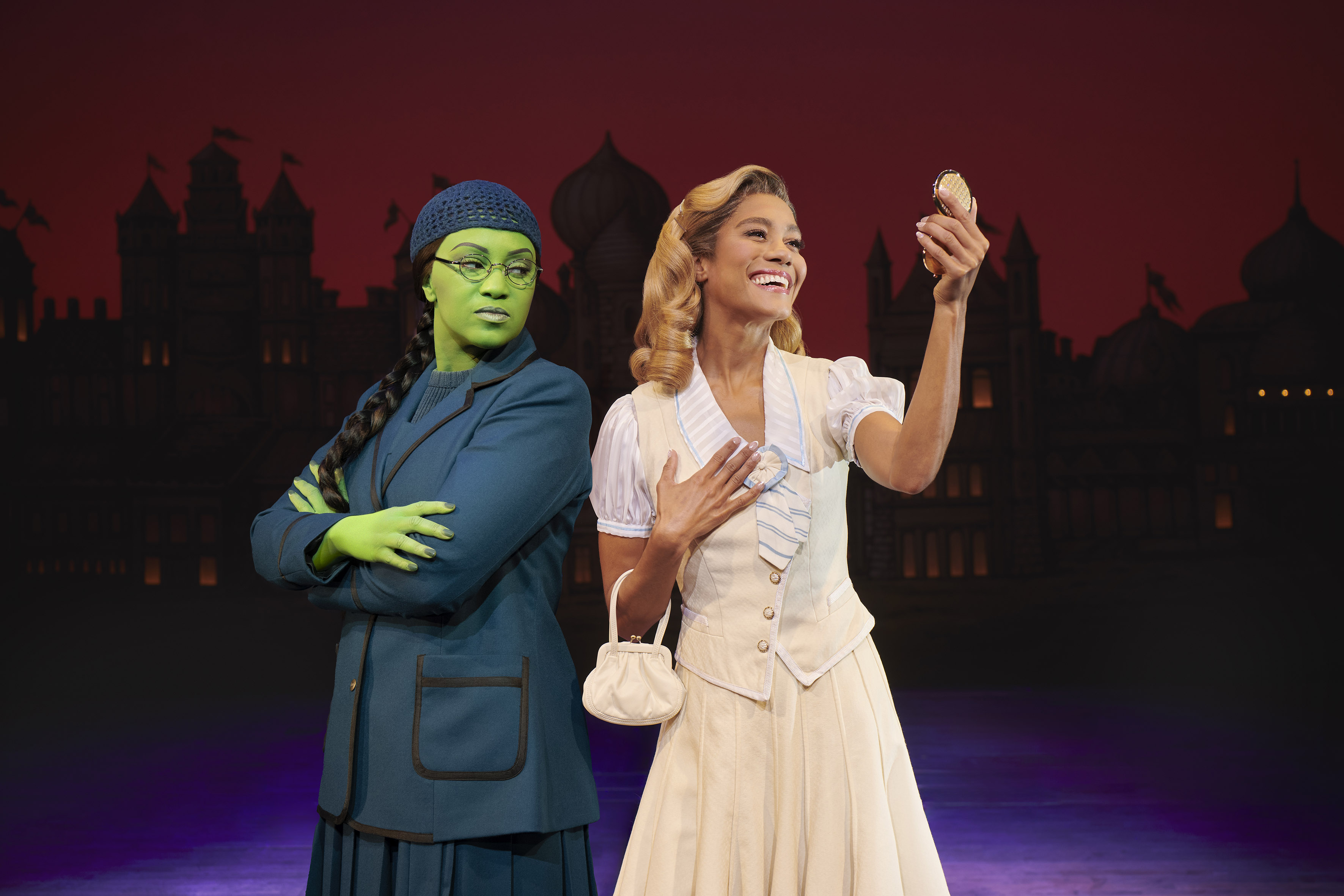
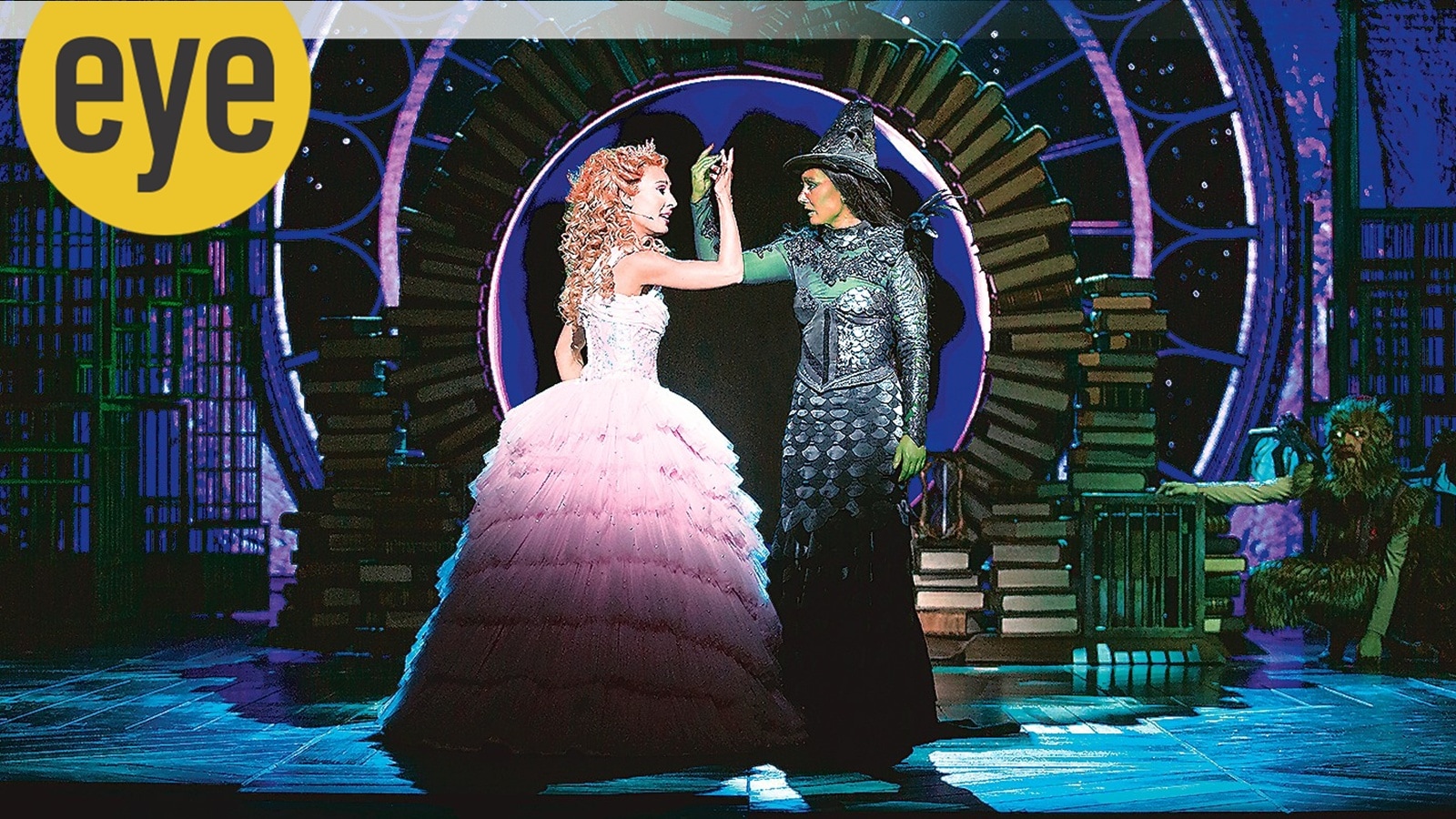
- Act I: Approximately 90 minutes. This portion of the show covers Elphaba and Glinda's meeting at Shiz University, their journey to the Emerald City, and the dramatic events leading up to the song "Defying Gravity."
- Intermission: Exactly 15 minutes. This break allows patrons to use restroom facilities, purchase refreshments or merchandise, and stretch their legs.
- Act II: Approximately 60 to 65 minutes. The second act covers the political fallout in Oz, the divergence of the characters' paths, and the resolution of the story.
Including the transition time between acts, the total time inside the theater hovers right around two hours and forty-five minutes. However, patrons should always account for variables such as curtain rise delays and the time it takes to exit a crowded auditorium.
Factors That Can Influence the Run Time
While the standard duration of Wicked is tightly managed by the stage management team and the cast, several factors can cause minor variations in the schedule. Live theater is an organic medium, and unexpected pauses can occur during any performance.
Technical holds represent the most common cause of a delayed run time. If a fly system, automated scenery piece, or a complex lighting cue experiences a mechanical glitch, the stage manager may call a brief hold to ensure performer safety. These pauses usually last only a few minutes, but they will extend the overall length of the evening.
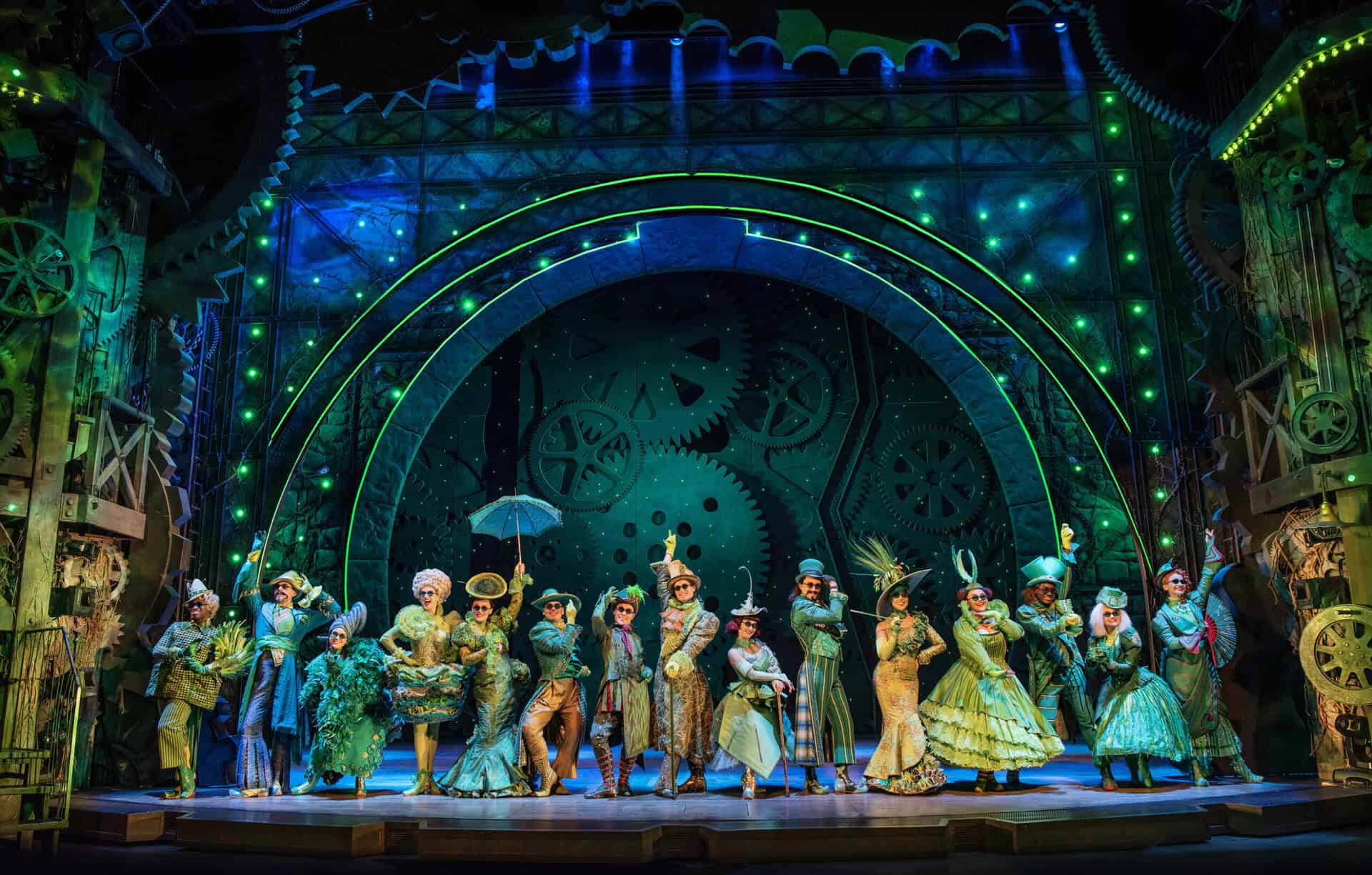
Additionally, audience reaction plays a role in performance timing. In major theatrical hubs like Broadway or the West End, audience applause after major musical numbers—such as "The Wizard and I," "Popular," or "Defying Gravity"—frequently stops the show for extended periods. When an audience responds with sustained cheering and a standing ovation, the orchestra must hold its place until the noise subsides, which can add two to five minutes to the overall running time.
Scheduling Your Evening: Arrival, Intermission, and Departure
Planning an evening around Wicked requires more than just knowing the length of the show. Proper time management begins well before the curtain rises and extends long after the final bow.
Theaters typically open their doors to the public 30 to 45 minutes before the scheduled curtain time. Arriving early is critical, as late seating policies in major theaters are strictly enforced. Latecomers are often held in the lobby until a suitable break in the performance—sometimes not until the intermission—to avoid disrupting the actors and the audience.
Typical Timeline for a 7:00 PM Performance
| Time | Event / Milestone |
|---|---|
| 6:15 PM – 6:30 PM | Theater doors open; security screening and ticket scanning. |
| 6:45 PM | Recommended latest arrival time to find seats without rushing. |
| 7:00 PM | Scheduled curtain time (Act I begins). |
| 8:30 PM | Act I concludes; 15-minute intermission begins. |
| 8:45 PM | Act II begins. |
| 9:50 PM | Show concludes (including curtain call and bows). |
| 10:00 PM | Exit theater, access coat check, and retrieve belongings. |
Matinee performances follow the same internal timeline, usually starting at 1:00 PM, 2:00 PM, or 2:30 PM depending on the venue and day of the week.
Special Considerations for Touring Productions and International Runs
If you are attending a touring production of Wicked rather than a resident Broadway or West End staging, the running time remains virtually identical. The creative team mandates strict adherence to the script and score to maintain production integrity across global iterations.
However, international productions performed in languages other than English may experience microscopic timing shifts due to the cadence of translated lyrics and dialogue, though these differences rarely exceed a minute or two. Furthermore, venue size dictates the speed of the audience exit process. Larger performing arts centers with multiple tiers and exits may require an extra ten minutes to clear the building compared to more intimate Broadway houses like the Gershwin Theatre.
Frequently Asked Questions
Is there an intermission during Wicked?
Yes, Wicked features a single 15-minute intermission situated right between Act I and Act II. This break occurs immediately following the climactic song "Defying Gravity" at the end of the first act.
Can I leave the theater during the intermission?
Yes, audience members are free to leave the seating area during the intermission to visit the lobby, restrooms, or concession stands. You must retain your ticket stub or digital pass to re-enter the seating chamber when the lights flicker signaling the start of Act II.
What happens if I arrive late to the performance?
Theaters enforce strict late-seating policies to maintain the atmosphere of the show. If you arrive after the curtain rises, front-of-house staff will direct you to a holding area in the lobby. You will be seated in the auditorium only during an appropriate pause or scene change designated by the stage manager.
Are children able to sit through the entire run time?
While Wicked is generally recommended for ages 8 and up, parents should consider whether younger children can comfortably remain seated for a nearly three-hour experience with only one break. Booster seats are often available at the theater on a first-come, first-served basis.
Does the running time change for matinee shows?
No, the actual duration of the performance remains the same for both matinee and evening shows. The only difference is the time of day, meaning matinee audiences will exit into daylight or late afternoon rather than evening.
Practical Next Actions for Theatergoers
To ensure an enjoyable and stress-free theater experience, confirm your specific performance time on your ticket or booking confirmation before heading to the venue. Build a buffer into your travel schedule to account for local traffic or public transit delays, aiming to arrive at least 30 minutes before the scheduled start. Make dining reservations well in advance if you plan to eat near the theater district, ensuring you have enough time to enjoy your meal without watching the clock before the performance begins.
Image Gallery