Understanding NWL Life Insurance Options: A Comprehensive Guide
National Western Life (NWL)—which became part of Prosperity Life Group following its acquisition by Prosperity Life Insurance Group in 2024—provides a distinct suite of permanent and accumulation-focused life insurance products designe...
National Western Life (NWL)—which became part of Prosperity Life Group following its acquisition by Prosperity Life Insurance Group in 2024—provides a distinct suite of permanent and accumulation-focused life insurance products designed to help policyholders build cash value while securing death benefit protection. Navigating these options requires a clear understanding of how permanent life insurance mechanics, indexing strategies, and underwriting guidelines function within their portfolio.
Contents
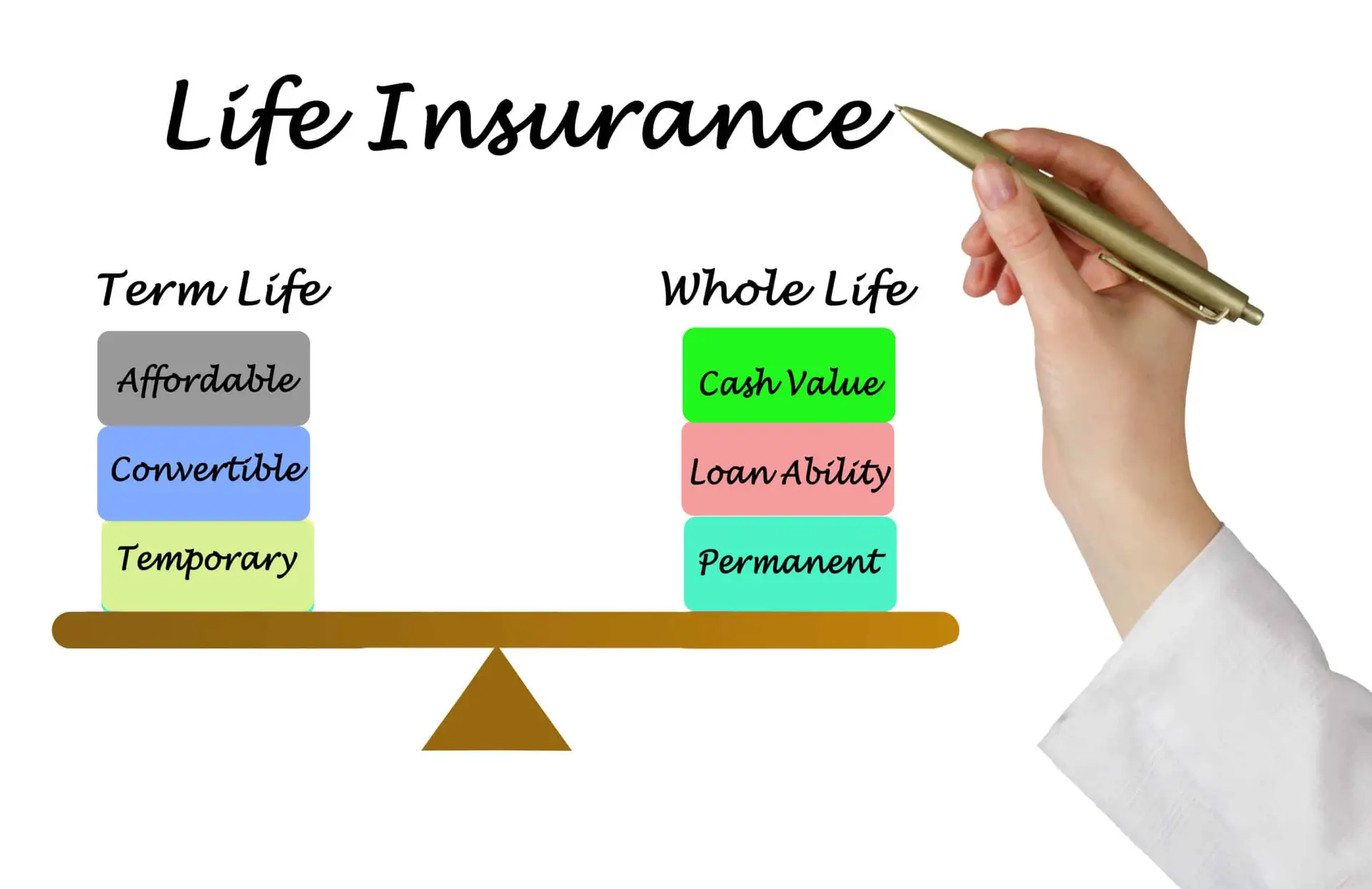
Life insurance policies issued through National Western Life generally fall under permanent categories such as whole life and indexed universal life (IUL). Unlike term insurance, which provides temporary coverage for a specific number of years, NWL products are structured to build tax-deferred cash value over the lifetime of the insured. This cash value can often be accessed through policy loans or withdrawals, offering financial flexibility for retirement planning, estate management, or unexpected expenses. However, these benefits come with complex structures, including administrative fees, surrender charges, and caps or participation rates on indexed accounts. Evaluating these choices effectively demands a careful look at product specifications, financial goals, and long-term costs.
Overview of National Western Life Insurance
National Western Life Insurance Company has a long-standing market presence focused primarily on annuities and permanent life insurance. Following its integration into Prosperity Life Group, the company's product lines continue to serve individuals seeking alternatives to traditional term insurance. Understanding NWL's positioning requires examining how its products balance wealth accumulation with insurance protection.
Most consumers look to NWL for permanent solutions rather than basic income replacement. Permanent life insurance acts as both a death benefit vehicle and a financial asset. The primary advantage lies in the cash value component, which grows tax-deferred. Policyholders can leverage this growth over decades.
However, these products are not uniform. NWL structures its policies to appeal to risk-conscious savers who want exposure to market-linked gains without the risk of direct equity loss. This dual focus means that understanding an NWL policy requires looking beyond the monthly premium to examine crediting methods, historical performance caps, and internal insurance costs.
Core Categories of NWL Life Insurance Products
The portfolio features distinct policy types tailored to different financial objectives. The two primary categories typically encountered are whole life insurance and indexed universal life insurance. Each serves a specific purpose depending on the policyholder's risk tolerance and need for flexibility.
Whole Life Insurance
Whole life insurance from NWL provides guaranteed death benefits, fixed premium payments, and a guaranteed rate of cash value accumulation.
- Predictability: Premiums never increase, and the cash value grows according to a fixed schedule set at issue.
- Dividends: Depending on the specific contract and company performance, policyholders may be eligible for non-guaranteed dividends, which can be used to purchase paid-up additions, reduce premiums, or take as cash.
- Suitability: This option suits individuals who prioritize absolute certainty over growth potential and want a policy that remains fully paid up or stable over decades without active management.
Indexed Universal Life (IUL) Insurance
Indexed universal life insurance offers greater flexibility and growth potential tied to the performance of external financial indices, such as the S&P 500, without directly investing in the stock market.
- Cash Value Crediting: Interest credited to the cash value is determined by the movement of the chosen index, subject to specified caps, floors, and participation rates.
- Downside Protection: A guaranteed floor (often 0%) ensures that if the index posts a negative return, the policy's cash value does not lose money due to market downturns.
- Flexibility: Policyholders can often adjust their premium payments and death benefit amounts within contractual limits, adapting the policy as their financial circumstances change.
Key Mechanics of NWL Indexed Universal Life Policies
For those considering an NWL indexed universal life product, understanding the mechanics of index crediting is essential. The performance of an IUL policy depends on several structural variables that dictate how gains are calculated and applied to the cash value.
- NWL IUL Cash Value Mechanics
- External Index (e.g., S&P 500) Positive Return
- Subject to Cap & Participation Rate
- Interest Credited to Policy Cash Value (Tax-Deferred)
- Subject to Cap & Participation Rate
- External Index Negative Return
- Floor Protects Cash Value (0% Loss from Market)
- Deduction of Policy Fees & Cost of Insurance (COI)
- Floor Protects Cash Value (0% Loss from Market)
- External Index (e.g., S&P 500) Positive Return
Caps, Floors, and Participation Rates
- Caps: The maximum interest rate the insurance company will credit to the policy's cash value during a specific segment period, regardless of how high the index climbs.
- Floors: The minimum interest rate credited—typically 0%—protecting the policy from negative index returns.
- Participation Rates: The percentage of the index's growth that the insurance company uses to calculate the interest credited. If an index gains 10% and the participation rate is 80%, the credited rate is 8%.
Cost of Insurance (COI) and Fees
Unlike whole life, where costs are bundled into a fixed premium, universal life policies explicitly deduct monthly charges from the cash value. These include the cost of insurance, administrative fees, and any rider charges. As the insured ages, the COI increases, which can deplete cash value if index performance is poor or if premium contributions are insufficient.
Comparing NWL Life Insurance Options
Choosing the right policy requires a side-by-side comparison of structural features, risk profiles, and management requirements.
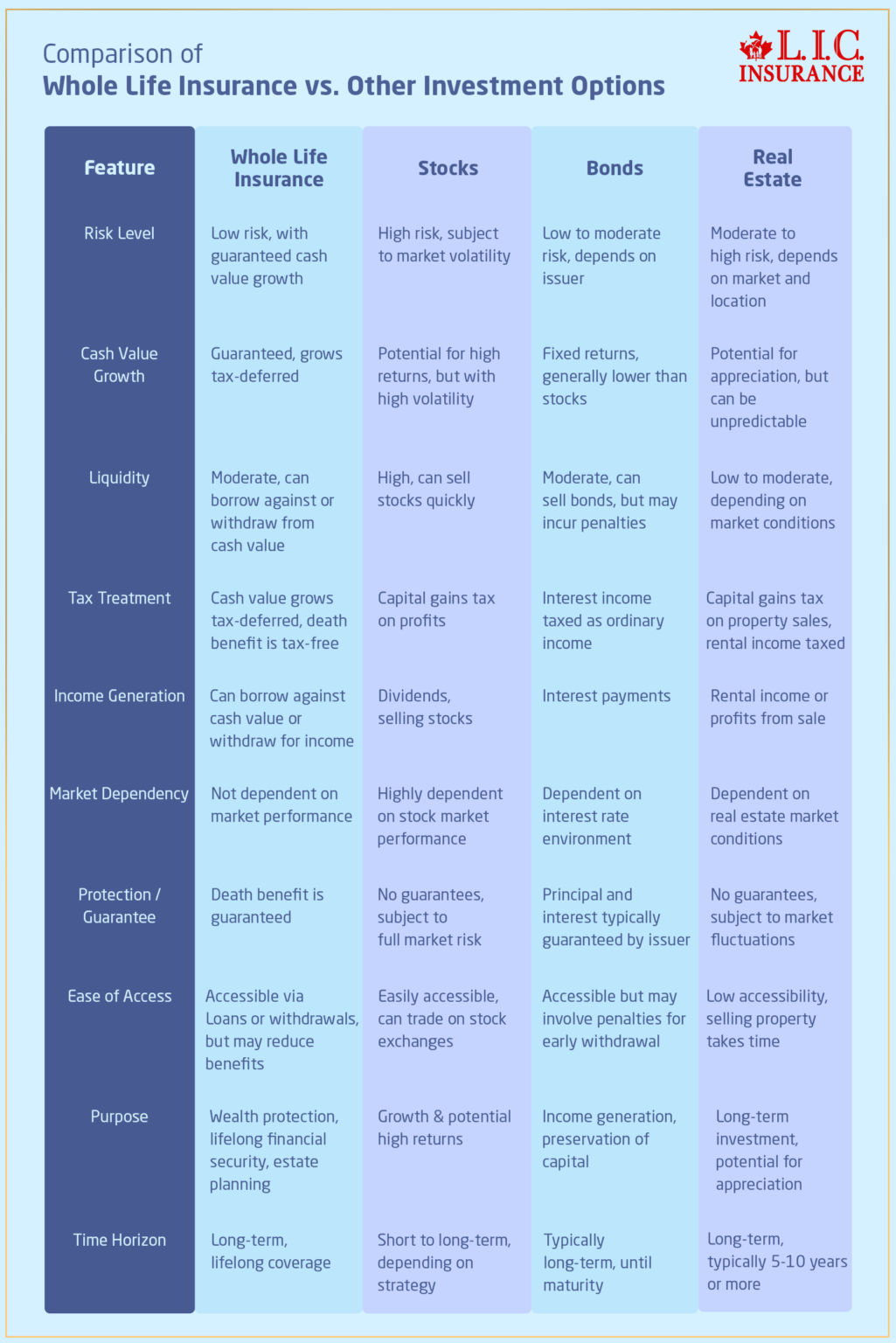
| Feature | NWL Whole Life | NWL Indexed Universal Life (IUL) |
|---|---|---|
| Premium Structure | Fixed and level for life | Flexible within contractual limits |
| Cash Value Growth | Fixed, guaranteed interest rate | Tied to external index performance with a 0% floor |
| Risk Exposure | Low; terms and guarantees are contractual | Moderate; subject to caps, fees, and index volatility |
| Management Required | Low; set-and-forget structure | Moderate to high; requires monitoring cash value and fees |
| Primary Objective | Guaranteed legacy and stable savings | Accumulation potential with downside protection |
Underwriting and Eligibility Requirements
Securing an NWL life insurance policy involves an underwriting process designed to assess mortality risk and financial insurability. Understanding what insurers look for can streamline the application process.
Medical Underwriting
Most permanent policies require a formal underwriting assessment, which may include:
- A detailed health questionnaire covering personal and family medical history.
- A paramedical exam involving blood and urine collection, height, weight, and blood pressure measurements.
- Attending Physician Statements (APS) requested from primary care doctors if medical history indicates chronic conditions.
Financial Underwriting
For higher face amounts, NWL evaluates financial justification to ensure the death benefit aligns with the applicant's income, net worth, and estate planning needs. This prevents over-insuring and ensures the policy serves a legitimate financial purpose.
Common Mistakes to Avoid
Navigating permanent life insurance involves several pitfalls that can undermine the long-term value of an NWL policy.
- Underfunding the Policy: Treating an IUL policy like a term policy by paying the absolute minimum premium can deplete cash value over time, especially as the cost of insurance rises in later years.
- Ignoring Annual Statements: Failing to review annual policy statements can leave policyholders unaware of changing fee structures, declining cash values, or underperforming index segments.
- Overestimating Index Returns: Assuming historical maximum index caps will always apply or projecting unrealistic, compounding returns without factoring in volatility and caps.
- Surrendering Prematurely: Canceling the policy within the first 10 to 15 years often triggers steep surrender charges that can wipe out accumulated cash value.
Frequently Asked Questions
What happens to existing National Western Life policies after the Prosperity Life Group acquisition?
Existing policies remain legally binding contracts governed by the original terms, conditions, and guarantees issued at inception. The acquisition by Prosperity Life Group impacts corporate ownership and administrative operations, but policyholder rights, premium structures, and benefit guarantees are fully protected under state insurance regulations.
Can I access the cash value of an NWL life insurance policy while I am alive?
Yes. Policyholders can access cash value through policy loans or partial withdrawals. Loans accrue interest charged by the insurer, and any outstanding loan balance plus accrued interest will be deducted from the death benefit when the insured passes away. Withdrawals may also reduce the total death benefit and can have tax implications if not structured correctly.
Are the gains from an NWL indexed universal life policy taxable?
The cash value growth inside an NWL IUL policy grows tax-deferred, meaning you do not pay income tax on credited interest annually. Additionally, policy loans and withdrawals up to the cost basis (total premiums paid) are generally income-tax-free, provided the policy remains in force and does not lapse into a modified endowment contract (MEC) status.
How do surrender charges work on NWL permanent policies?
Surrender charges are fees assessed by the insurance company if you cancel the policy or withdraw cash in excess of penalty-free limits during the early years of the contract—typically the first 10 to 15 years. These charges decline incrementally each year until they reach zero, after which the full cash value is accessible without penalty.
What is the difference between a cap and a participation rate in an IUL policy?
A cap is the absolute maximum interest rate the insurer will credit to your account during a crediting period, regardless of how high the underlying index surges. A participation rate determines what percentage of the index's actual gain is used in the crediting calculation. For example, if the index gains 10% with an 80% participation rate, your credited growth is 8%, subject to any applicable caps.
Next Actions and Recommendations
Before committing to an NWL life insurance policy, consult with an independent financial advisor or insurance professional who is not tied exclusively to a single carrier. Request a detailed, in-person ledger illustration that demonstrates how the policy performs under both optimistic and conservative interest rate scenarios. Examine the internal fees, historical cap rates, and projected cash value trajectories over a 20- to 30-year horizon to ensure the product aligns with your long-term financial strategy.
Image Gallery