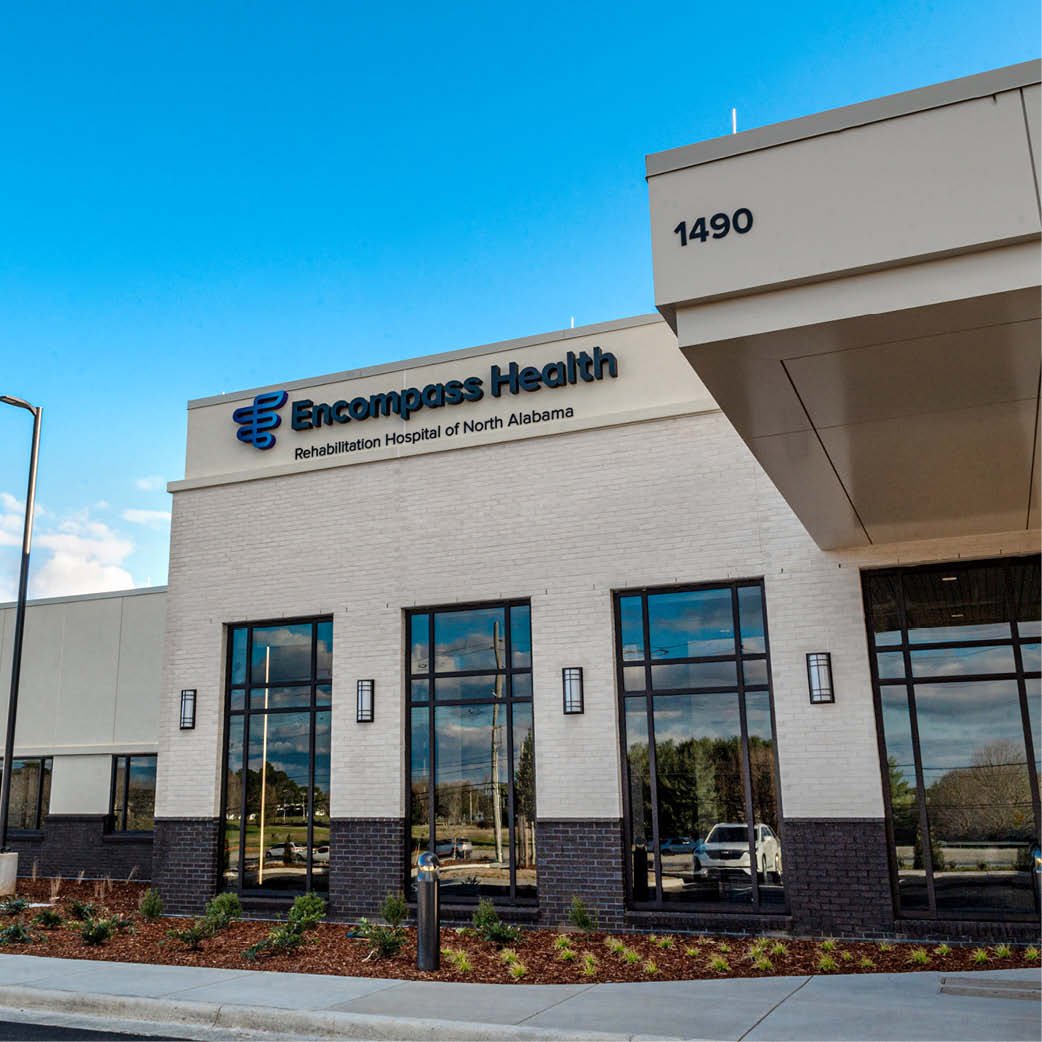
Navigating Rehab Centers in Alabama: Options, Levels of Care, and Selection Guide
Finding the right treatment facility involves understanding available care levels, assessing state and private insurance options, and evaluating facility accreditations across inpatient and outpatient programs. Navigating the landscape...
Finding the right treatment facility involves understanding available care levels, assessing state and private insurance options, and evaluating facility accreditations across inpatient and outpatient programs.
Contents
Navigating the landscape of recovery services can feel overwhelming for individuals and families facing substance use disorders. In Alabama, a diverse network of state-funded facilities, non-profit community mental health centers, and private residential treatment options provides clinical care across various recovery stages. Understanding how these facilities operate, what levels of care they offer, and how to verify their credentials is vital for making an informed choice.
This guide explores the structural framework of addiction treatment in Alabama, detailing the distinctions between inpatient and outpatient care, the state resources available through the Alabama Department of Mental Health, payment considerations, and key criteria to evaluate when selecting a provider.
Understanding the Continuum of Care in Alabama
Substance use treatment is not a one-size-fits-all proposition. Clinical guidelines established by the American Society of Addiction Medicine (ASAM) outline a continuum of care, ensuring individuals enter the treatment environment that matches their medical, psychological, and social needs. In Alabama, facilities generally structure their programs across several distinct tiers.
Medical Detoxification
The first step for many individuals dependent on substances such as alcohol, opioids, or benzodiazepines is medically supervised detoxification. Withdrawal symptoms can range from uncomfortable to life-threatening, making clinical monitoring necessary. Alabama features specialized detox units within hospital settings and residential facilities where medical staff administer medications to manage withdrawal safely. Detox alone, however, is rarely sufficient for long-term recovery and typically serves as a bridge to inpatient or outpatient rehabilitation.
Inpatient and Residential Treatment
Inpatient and residential rehab centers provide immersive, 24-hour structured environments.
- Inpatient Hospitalization: Offers intensive medical and psychiatric oversight, best suited for individuals with severe co-occurring mental health conditions or acute medical complications.
- Residential Treatment: Provides a therapeutic community setting where individuals live on-site for 30, 60, or 90 days (or longer). The focus rests on group therapy, individual counseling, behavioral modification, and relapse prevention strategies.
Outpatient Programs
For individuals with stable living environments and strong support systems, outpatient care offers flexibility.
- Partial Hospitalization Programs (PHP): Represent the highest level of outpatient care, requiring commitments of 20 or more hours per week, often running five days a week for several hours a day.
- Intensive Outpatient Programs (IOP): Typically require 9 to 19 hours of programming per week, allowing participants to maintain employment or family responsibilities while attending structured therapy sessions several days a week.
- Standard Outpatient Services: Involve weekly or bi-weekly therapy sessions and medication management.
| Care Level | Time Commitment | Primary Focus | Best Suited For |
|---|---|---|---|
| Medical Detox | 24/7 monitoring (typically 3–7 days) | Safe physical stabilization and withdrawal management | Individuals at risk of severe or dangerous withdrawal symptoms |
| Residential / Inpatient | 24/7 live-in structure (30–90+ days) | Behavioral therapy, coping skills, relapse prevention | Severe substance use disorders or unstable home environments |
| Partial Hospitalization (PHP) | 20+ hours per week | Intensive clinical care with evening return home | Step-down from residential care or high clinical need without 24/7 housing |
| Intensive Outpatient (IOP) | 9–19 hours per week | Group and individual therapy alongside daily life integration | Mild-to-moderate addiction with supportive living environments |
| Standard Outpatient | 1–3 hours per week | Maintenance, ongoing counseling, and monitoring | Individuals in early-to-late recovery needing light accountability |
State Resources and Publicly Funded Care
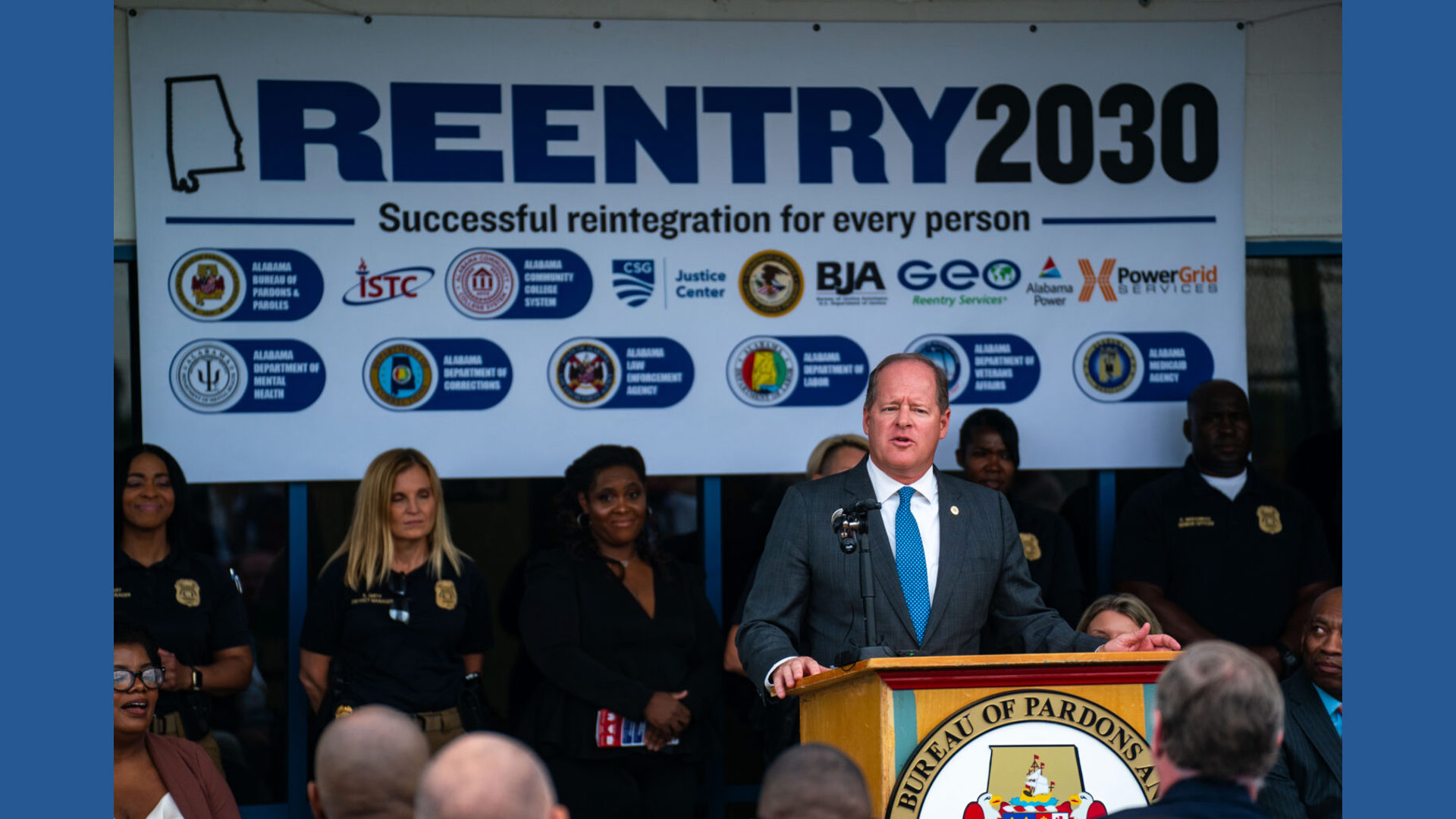
For residents lacking private health insurance or financial resources, Alabama provides public pathways to addiction treatment through the Alabama Department of Mental Health (ADMH). The ADMH Division of Mental Health and Substance Abuse Services oversees a network of community mental health centers and contracted providers across the state's various mental health regions.
Accessing State-Funded Services
Publicly funded rehab centers in Alabama prioritize specific populations, including pregnant women, individuals who inject drugs, and parents with dependent children. To access these services, individuals typically contact their local community mental health center or regional authority for an initial clinical assessment.
While state-funded programs reduce financial barriers, demand often exceeds capacity, leading to waiting lists for residential beds. Prospective clients should inquire about priority admission criteria during their initial screening.
Evaluating Private Rehab Centers in Alabama
Private treatment facilities offer a wider array of amenities, specialized therapies, and lower client-to-staff ratios compared to public facilities. When researching private rehab centers in Alabama, families should examine several critical factors to ensure quality and safety.
Licensing and Accreditation
Legitimate treatment facilities must hold active licenses issued by the Alabama Department of Public Health or the Alabama Department of Mental Health. Additionally, look for national accreditations from independent bodies such as:
- The Joint Commission
- CARF International (Commission on Accreditation of Rehabilitation Facilities)
These credentials indicate that the facility adheres to rigorous safety, clinical, and administrative standards.
Evidence-Based Practices vs. Alternative Therapies
Effective treatment relies on evidence-based practices—interventions backed by scientific research demonstrating efficacy in treating substance use disorders. Core modalities include:
- Cognitive Behavioral Therapy (CBT): Helps individuals identify and modify dysfunctional thought patterns and behaviors.
- Dialectical Behavior Therapy (DBT): Focuses on emotional regulation and distress tolerance.
- Medication-Assisted Treatment (MAT): Combines FDA-approved medications (such as buprenorphine, methadone, or naltrexone) with counseling for opioid and alcohol use disorders.
While holistic offerings like yoga, art therapy, and equine therapy provide valuable supplementary benefits, they should complement, not replace, clinical evidence-based care.
Financial Considerations and Insurance Coverage
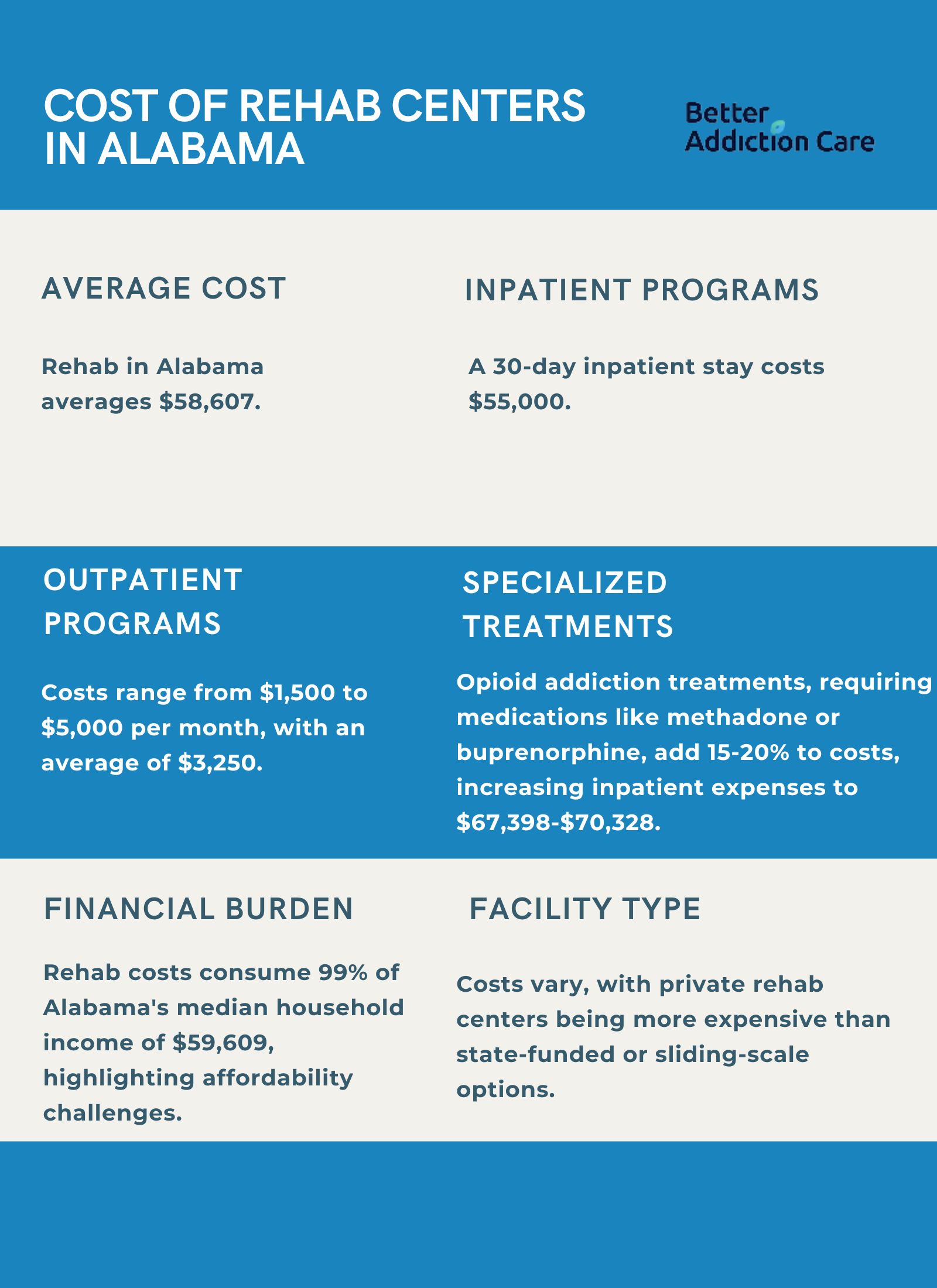
Understanding the financial structure of treatment prevents unexpected burdens. The cost of rehab varies widely depending on the level of care, location, duration, and amenities.
Insurance and the Mental Health Parity Act
Under the federal Mental Health Parity and Addiction Equity Act, group health plans and health insurance issuers must ensure that financial requirements and treatment limitations for mental health and substance use services are no more restrictive than those applied to medical and surgical benefits.
Most major private insurance providers (such as Blue Cross Blue Shield of Alabama) cover various levels of addiction treatment, though pre-authorization is frequently required. Families should contact their insurance provider's behavioral health services department to verify in-network status, deductibles, copays, and lifetime maximums.
Financing and Sliding Scales
For out-of-pocket costs, many private centers offer financing plans, loans through specialized healthcare lenders, or sliding-scale fees based on household income. Publicly funded facilities adjust costs according to the individual's ability to pay.
Frequently Asked Questions
What types of payment are accepted at Alabama rehab centers?
Payment methods depend on whether the facility is public or private. Private centers accept private health insurance, major credit cards, self-pay cash options, and third-party healthcare financing. State-funded community mental health centers utilize sliding-scale fees, Medicaid, and state block grants, though eligibility requirements apply.
Are family members allowed to participate in treatment?
Yes. Most reputable facilities incorporate family therapy and educational programs into their treatment models. Family involvement helps mend relationships, educates loved ones on addiction as a chronic medical condition, and establishes a supportive home environment for post-treatment recovery.
What should I pack for residential rehab in Alabama?
Facilities provide packing guidelines upon admission, but standard items include comfortable, casual clothing appropriate for the season, athletic wear, approved personal hygiene products (typically alcohol-free), and necessary prescription medications in their original pharmacy containers. Items restricted across most facilities include weapons, mood-altering substances, outside electronics with cameras, and explicit clothing.
How do I know if a rehab center is licensed in Alabama?
You can verify a facility's licensing status by checking directly with the Alabama Department of Public Health (ADPH) Bureau of Health Related Services or the Alabama Department of Mental Health (ADMH). These regulatory bodies maintain public directories of certified and licensed substance use treatment providers.
What happens after completing a rehab program?
Aftercare planning begins upon admission. A robust discharge plan typically includes step-down care (such as transitioning from residential to intensive outpatient), participation in community support groups (like Alcoholics Anonymous or Narcotics Anonymous), ongoing individual therapy, and alumni support networks to reduce the risk of relapse.
Next Steps and Action Plan
Choosing a rehab center in Alabama requires a structured approach to ensure the selected program aligns with clinical needs and personal circumstances.
- Conduct a Clinical Assessment: Consult with a primary care physician, licensed professional counselor, or addiction specialist to determine the appropriate level of care (detox, residential, or outpatient).
- Verify Insurance Benefits: Call the phone number on the back of your insurance card to identify in-network facilities and understand coverage limits.
- Tour and Question Facilities: Contact prospective centers directly. Ask about staff credentials, staff-to-client ratios, medical oversight during detox, and specialized programming for co-occurring mental health conditions.
- Prepare for Admission: Gather required documents, insurance cards, medical records, and approved personal items to facilitate a smooth intake process.
Medical Disclaimer: The information provided in this article is for educational purposes only and should not be construed as professional medical, legal, or financial advice. Individuals seeking treatment for substance use disorders should consult with qualified healthcare professionals to determine the appropriate clinical course of action.
Image Gallery