How to Choose a Durham Birth Injury Lawyer
Choosing a Durham birth injury lawyer requires evaluating attorneys based on their medical malpractice trial experience, access to specialized medical experts, understanding of North Carolina's legal statutes, and a demonstrated track...
Choosing a Durham birth injury lawyer requires evaluating attorneys based on their medical malpractice trial experience, access to specialized medical experts, understanding of North Carolina's legal statutes, and a demonstrated track record of managing complex pediatric injury claims.
Contents
Navigating the aftermath of a birth-related medical complication is an overwhelming experience for any family. When a child suffers a permanent physical or neurological injury due to potential medical negligence during labor, delivery, or postnatal care, the financial, emotional, and physical toll can last a lifetime. Finding the right legal representation is one of the most critical steps a family can take to secure accountability and financial resources for ongoing care. Because birth injury litigation involves intricate intersections of law and advanced medicine, standard personal injury attorneys may lack the necessary focus. Selecting a qualified attorney in Durham, North Carolina, demands a systematic evaluation of specific professional credentials, courtroom readiness, and medical literacy.
Understanding Birth Injury Law in North Carolina
Before beginning the search for an attorney, families must understand the legal landscape governing medical malpractice claims in North Carolina. Birth injury lawsuits fall under the broader legal umbrella of medical malpractice. These claims assert that a healthcare provider—such as an obstetrician, nurse, midwife, or hospital—deviated from the accepted standard of care, directly resulting in harm to the infant or mother.
North Carolina enforces strict procedural requirements for medical malpractice litigation. Under state law, a plaintiff's attorney must review the case with a qualified medical expert before filing a lawsuit. This expert must be willing to testify that the care provided failed to meet the appropriate medical standard. Furthermore, North Carolina operates under a statute of limitations, which dictates the strict time frame within which a lawsuit must be filed. For minors, special rules may apply, but acting promptly is vital to preserve medical records, secure witness testimony, and build a robust evidentiary foundation.
Key Qualifications to Look for in a Durham Birth Injury Lawyer
Not all attorneys possess the specialized knowledge required to litigate a complex birth trauma case successfully. When evaluating candidates, families should look beyond general advertising and examine specific professional benchmarks.
Medical Comprehension and Expert Networks
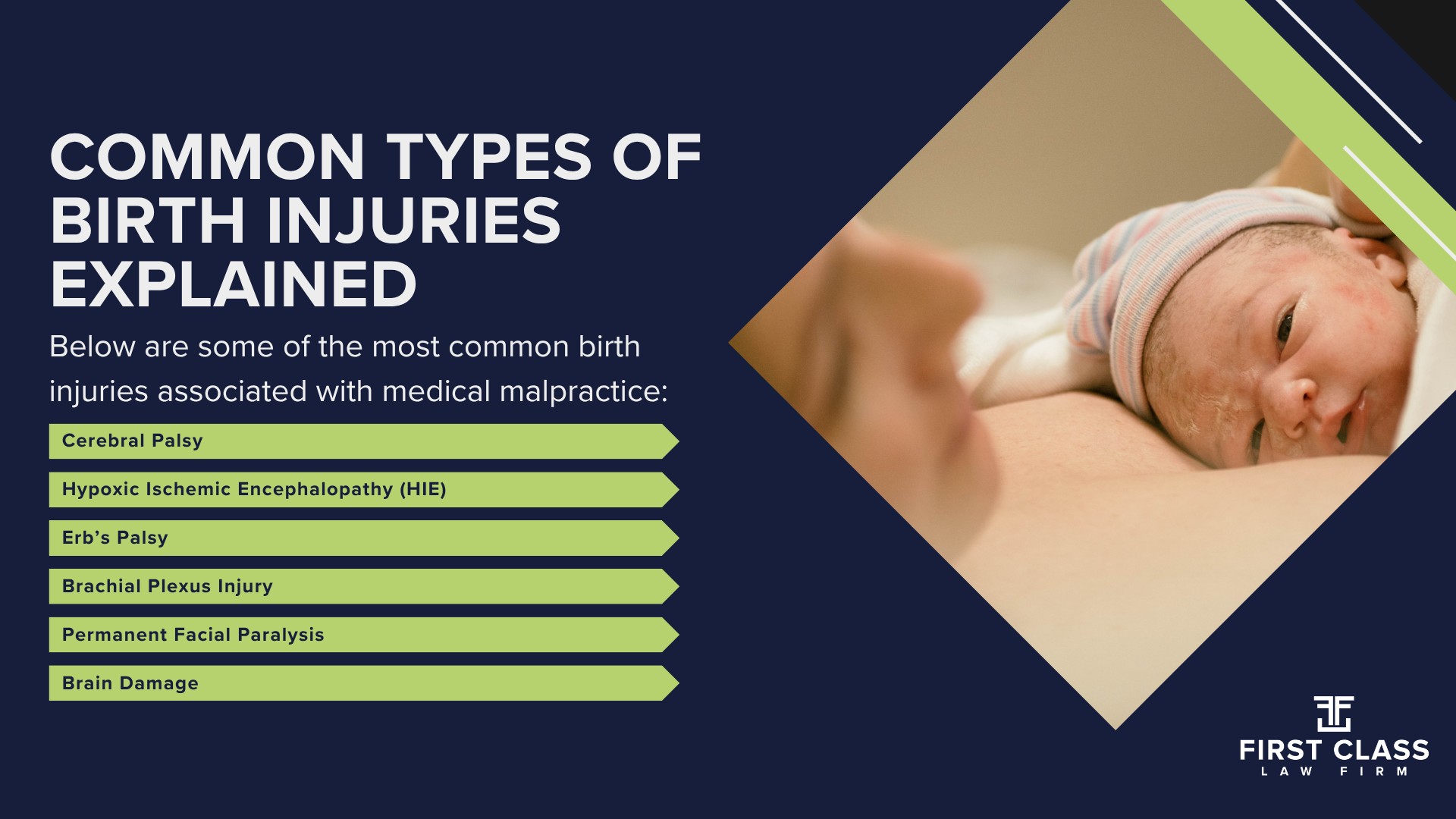
A proficient birth injury lawyer must be fluent in medical terminology, fetal monitoring strips, hypoxic-ischemic encephalopathy (HIE), cerebral palsy causation, shoulder dystocia mechanics, and neonatal intensive care unit protocols. More importantly, top-tier attorneys maintain established relationships with board-certified obstetricians, neonatologists, pediatric neurologists, and life-care planners who can review medical charts and serve as expert witnesses at trial.
Trial Experience Versus Settlement Mills
Many law firms advertise heavily for personal injury cases with the intention of quickly settling out of court. Birth injury cases, however, are aggressively defended by hospital insurance carriers and large medical malpractice defense syndicates. Families must inquire about an attorney’s actual courtroom trial experience. Insurance companies frequently offer low settlement amounts unless they know the opposing counsel is fully prepared, financially equipped, and willing to take a complex medical case all the way to a jury verdict.
Financial Resources for Case Development
Litigating a birth injury claim is exceptionally expensive. Expert witness retainers, medical record reviews, deposition costs, and life-care plan formulations can easily cost tens of thousands of dollars before a trial even begins. Reputable law firms operate on a contingency fee basis and possess the financial stability to independently fund these substantial upfront costs without placing any financial burden on the injured child's family.
| Evaluation Criterion | What to Look For | Red Flags to Avoid |
|---|---|---|
| Medical Literacy | Deep understanding of obstetrics, neonatal care, and permanent disabilities. | Confusion regarding basic terms like APGAR scores or fetal distress. |
| Expert Network | Established, nationwide relationships with respected medical specialists. | Reluctance to consult independent medical experts early in the evaluation. |
| Fee Structure | Clear contingency fee agreement with transparent expense policies. | Hidden administrative fees or demands for upfront hourly retainers. |
| Trial Readiness | Proven history of taking complex medical malpractice cases to verdict. | Pressure to accept quick, low settlements without full injury assessment. |
The Selection Process: Step-by-Step
Finding and vetting the right advocate involves a structured sequence of research, consultation, and comparison. Taking a methodical approach ensures that families find an attorney who is both legally skilled and genuinely empathetic to their situation.
1. Research and Compile a Shortlist
Begin by identifying attorneys or law firms in Durham and the broader Research Triangle region that explicitly focus on medical malpractice and birth trauma rather than general traffic accidents or slip-and-fall claims. Review state bar standing to ensure the attorney is in good standing with the North Carolina State Bar and has no history of disciplinary actions.
2. Conduct Initial Consultations
Most specialized birth injury attorneys offer a free initial consultation. Use this meeting to ask targeted questions about their experience. Inquire directly about previous outcomes in birth trauma cases, how many medical malpractice cases they have tried to a jury, and who specifically within the firm will manage day-to-day communication.
3. Evaluate Communication and Empathy
A birth injury lawsuit can span several years. Throughout this journey, the attorney-client relationship must be built on trust, transparency, and responsive communication. Assess whether the lawyer listens attentively, explains complex legal concepts in understandable terms, and demonstrates genuine compassion for the family's long-term well-being.
Common Mistakes to Avoid When Hiring Counsel
Families navigating a traumatic medical event are often vulnerable to aggressive marketing or well-meaning advice from unqualified sources. Avoiding common pitfalls during the selection process protects the integrity of the legal claim.
- Hiring General Personal Injury Lawyers: Choosing an attorney whose primary experience is automobile accidents can severely disadvantage a birth injury claim. Medical malpractice defense teams routinely outmaneuver lawyers who lack specialized medical knowledge.
- Failing to Verify Track Records: Accepting advertising claims at face value without verifying past verdicts, settlements, or peer review ratings can lead to partnering with an inexperienced advocate.
- Ignoring Fee Disclosures: Not reading the fine print of the contingency fee agreement can result in unexpected deductions from the final settlement or verdict amount. Always ensure expenses are clearly defined before signing representation documents.
- Waiting Too Long to Inquire: Delaying the search can cause crucial evidence to be misplaced, memories to fade, or statutory deadlines to expire, permanently barring the family from seeking justice.
Practical Next Actions
If you suspect that your child's birth injury was caused by preventable medical error in Durham or surrounding counties, taking immediate, organized steps is essential. Request and secure complete copies of all prenatal, labor, delivery, and neonatal medical records from the delivering hospital. Document all ongoing medical treatments, therapy schedules, and daily challenges. Schedule consultations with at least two specialized medical malpractice attorneys to compare perspectives, evaluate expert networks, and determine the most viable path forward for your child's future care.
Image Gallery