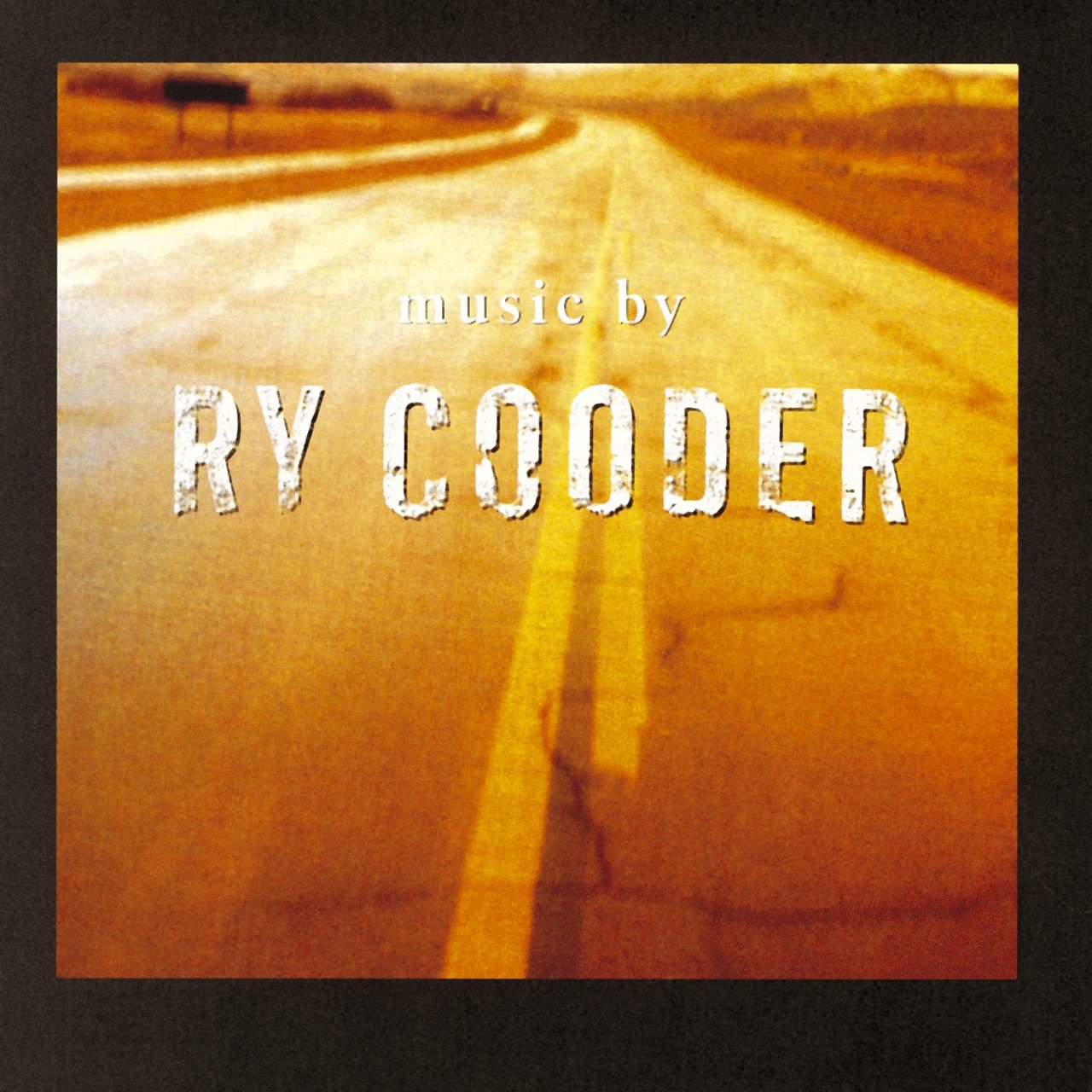
Ry Cooder Albums Ranked: Navigating a Master’s Journey Through Roots Music
Evaluating Ry Cooder’s discography requires navigating a vast landscape of American roots, slide-guitar mastery, international collaborations, and cinematic soundscapes. His finest works balance traditional authenticity with modern arr...
Evaluating Ry Cooder’s discography requires navigating a vast landscape of American roots, slide-guitar mastery, international collaborations, and cinematic soundscapes. His finest works balance traditional authenticity with modern arranging, highlighted by records like Bop Till You Drop, Chicken Skin Music, and his legendary film scores such as Paris, Texas.
Contents
Introduction: The Art of Reinterpreting American Roots
Ruyter Rong Cooder, known universally as Ry Cooder, occupies a singular space in modern music history. Rather than chasing pop charts, Cooder spent decades acting as an ethnomusicologist with a slide guitar, resurrecting forgotten blues, gospel, folk, Tejano, Hawaiian slack-key, and global traditional music. When critics and fans attempt to rank Ry Cooder albums, they are not merely grading songs; they are evaluating how successfully Cooder captured cultural histories, reinvented historical blueprints, and pioneered sonic textures.
From his early 1970s solo debut through his groundbreaking international collaborations in the 1990s and his politically charged later-career trilogy with Nick Lowe, Cooder’s catalog is defined by virtuosic fretboard work, impeccable taste in sidemen (including keyboardist Jim Keltner, accordionist Flaco Jiménez, and vocalist/guitarist David Lindley), and a resistance to commercial formulas. Below is a comprehensive breakdown and ranking of his essential releases, tracing the evolution of a guitar genius who transformed archiving into high art.
The Masterpieces: Essential Cooder Records
At the pinnacle of Cooder's catalog sit albums where every element—song selection, arrangement, personnel, and atmosphere—converges flawlessly. These are the releases that defined his artistic identity and expanded the vocabulary of the slide guitar.
1. Chicken Skin Music (1976)
Often considered the crown jewel of Cooder’s catalog, Chicken Skin Music is a masterclass in cultural fusion. The album takes its name from Hawaiian pidgin for goosebumps, a sensation inspired by Cooder hearing slack-key guitar master Gabby Pahinui. Cooder combines traditional Hawaiian music with Tex-Mex accordion, courtesy of the legendary Flaco Jiménez, and American rhythm and blues.
- Key Strengths: The juxtaposition of Jiménez’s soaring conjunct-style accordion with Cooder’s slide work on tracks like "The Bourgeois Blues" and "Goodnight Irene" creates an entirely new genre of roots music.
- Technical Achievement: Cooder’s bottleneck guitar acts as a bridge between disparate traditions, treating conjunto and Hawaiian slack-key with the same reverence as Delta blues.
2. Paris, Texas (1985 Soundtrack)
While technically a soundtrack to Wim Wenders’ acclaimed film, Paris, Texas stands as one of Cooder’s most profound artistic statements. The album features Cooder interpreting Blind Willie Johnson’s "Dark Was the Night, Cold Was the Ground" into a haunting instrumental theme that sets the emotional tone for the cinematic masterpiece.
- Key Strengths: Sparse, evocative, and deeply atmospheric. Cooder relies almost entirely on slide guitar and ambient textures to evoke the vast, lonely expanse of the American Southwest.
- Impact: It redefined how roots instrumentation could be utilized in modern cinema, proving that silence and space are just as powerful as intricate arrangements.
3. Bop Till You Drop (1979)
Historically significant as the first major-label pop/rock album recorded entirely on digital equipment (using a 32-channel digital dash), Bop Till You Drop is also a tour de force of R&B, doo-wop, and gospel covers.
- Key Strengths: The rhythm section featuring Jim Keltner on drums and Tim Drummond on bass lays down an impossibly tight pocket. Cooder’s blistering take on Elvis Presley’s "Don't Be Cruel" and Blind Blake’s "Police Dog Blues" showcase his vocal growth and peerless rhythm guitar style.
- Technical Note: Despite initial audiophile debates over early digital recording warmth, the mix remains remarkably crisp, clean, and punchy.
The Innovators: Genre-Defining Explorations
Following his masterpiece tier are albums that pushed stylistic boundaries, introduced new regional sounds to mainstream listeners, or elevated cover songs into definitive interpretations.
4. Ry Cooder (1970)
Cooder’s self-titled debut established his modus operandi: taking obscure, century-old American folk and blues tunes and breathing new life into them with top-tier musicianship. Featuring contributions from Van Dyke Parks and Richie Hayward, the record sets a high standard for acoustic slide playing.
- Notable Tracks: "Alimony," "Available Space," and his reworking of Blind Willie McTell’s "Statesboro Blues."
- Significance: It announced a unique voice in American music—one deeply rooted in the past yet executed with contemporary rock-era precision.
5. Into the Purple Valley (1972)
Cooder’s second album leaned even further into Depression-era dust-bowl folk, gospel, and blues. With striking cover art depicting a desolate landscape, the record features heavy arrangements of brass, mandolin, and pump organ.
- Standout Moments: His rendition of Woody Guthrie’s "Vigilante Man" and the haunting gospel track "Great Dream of Heaven."
- Tone: Darker and more reflective than his debut, establishing Cooder as an acute observer of American hardship and working-class struggles.
6. Boomer's Story (1972)
Released the same year as Into the Purple Valley, Boomer's Story features a slightly more relaxed, porch-jam atmosphere while maintaining deep historical curiosity. The album ranges from Randy Newman compositions ("Maria") to traditional blues ("Crow Black Chicken") and features a memorable guest appearance by Randy Newman on piano.
The Collaborative Epochs: World Music and Late-Career Resurgence
Cooder’s career took a monumental turn in the late 1980s and 1990s as he shifted from interpreting American roots to championing international masters. This era culminated in global phenomena and vital late-career songwriting.
7. Buena Vista Social Club (1997)
While technically credited to various artists, Cooder produced, arranged, and played on this global blockbuster that rescued legendary Cuban musicians from obscurity. The album won a Grammy Award and became one of the best-selling world music albums of all time.
- Significance: Cooder stepped back as a soloist to act as a curator, allowing artists like Compay Segundo, Ibrahim Ferrer, and Rubén González to shine. His slide guitar blends seamlessly with traditional son cubano.
8. The Prodigal Son (2018)
After a lengthy hiatus from releasing solo studio material, Cooder returned with The Prodigal Son, the first installment in a trilogy focusing on modern morality, religious hypocrisy, and American decay.
- Key Strengths: Produced alongside his son, drummer Joachim Cooder, the album blends vintage gospel numbers (like Blind Willie Johnson’s "Everybody Ought to Treat a Stranger Once") with pointed satirical originals such as "Shrinking Man."
- Modern Relevance: Demonstrates that Cooder’s vocal delivery, weathered with age, had become an ideal vehicle for bruised Americana.
Comparative Analysis of Major Ry Cooder Eras
To understand how Cooder’s sound evolved across decades, the following table breaks down his discography by eras, primary stylistic influences, and key personnel.
| Era | Representative Albums | Primary Musical Focus | Key Collaborators / Instrumentation | | :--- | :--- | :--- | :--- | :--- | | Early Roots (1970–1974) | Ry Cooder, Into the Purple Valley, Paradise and Lunch | Delta blues, Dust-Bowl folk, early R&B | Van Dyke Parks, Milt Holland, acoustic slide, mandolin | | Genre Fusion (1976–1982) | Chicken Skin Music, Bop Till You Drop, The Slide Area | Tex-Mex, Hawaiian slack-key, digital R&B | Flaco Jiménez, Jim Keltner, David Lindley, electric bottleneck | | Cinematic Era (1982–1993) | Paris, Texas, Crossroads, Geronimo: An American Legend | Atmospheric soundscapes, blues modernization | Jon Hassell, Jim Keltner, cinematic orchestration | | Global Collaboration (1992–2007) | Buena Vista Social Club, Talking Timbuktu, Mambo Sinuendo | Cuban son, Malian roots, cinematic collaborations | Ali Farka Touré, Compay Segundo, Manuel "Puntillita" Licea | | Late Trilogy (2018–2022) | The Prodigal Son, Get Rhythm, The Traveler | Satirical Americana, gospel, working-class blues | Joachim Cooder, Nick Lowe, acoustic arrangements |
Frequently Asked Questions
What is Ry Cooder’s most famous album?
Commercially and globally, Buena Vista Social Club (1997) is by far his most famous release. Though it is a collaborative project featuring veteran Cuban artists rather than a traditional solo singer-songwriter record, Cooder spearheaded its production, arrangement, and musical direction, bringing traditional Cuban son to millions of new listeners worldwide.
What tuning does Ry Cooder use on his guitar?
Cooder is famous for playing slide guitar in standard tuning, as well as open G and open D tunings. Unlike many slide players who rely exclusively on open tunings, his ability to execute fluid bottleneck runs in standard tuning allows him to seamlessly switch between rhythm chord work and searing lead lines without changing instruments.
Is Paris, Texas considered a standard album or a soundtrack?
It functions as both. While it serves as the original motion picture soundtrack for Wim Wenders' 1984 film, the instrumental compositions, particularly Cooder's haunting rendition of "Dark Was the Night, Cold Was the Ground," are routinely praised by critics as core entries in his primary artistic discography.
Which Ry Cooder album should a beginner start with?
For listeners new to his work, Chicken Skin Music (1976) offers the most vibrant entry point, showcasing his unique blend of genres, humor, and virtuosic slide playing. If you prefer straight-ahead American blues and R&B grooves, Bop Till You Drop (1979) is an accessible, impeccably produced alternative.
Conclusion and Next Actions
Ry Cooder’s catalog rewards deep, chronological listening, but jump-starting your exploration with Chicken Skin Music or the cinematic soundscapes of Paris, Texas offers an immediate window into his genius. To take the next step, listen to his collaborative masterclass Talking Timbuktu with Ali Farka Touré to hear how American blues mirrors West African guitar traditions, or explore his recent trilogy for a masterclass in modern American roots storytelling.
Image Gallery