The Tesla Plaid Reliability Story: Performance vs. Longevity
The Tesla Plaid reliability story is a narrative of cutting-edge engineering meeting the practical realities of extreme performance. While the powertrain—specifically the tri-motor setup and carbon-sleeved rotors—has proven remarkably...
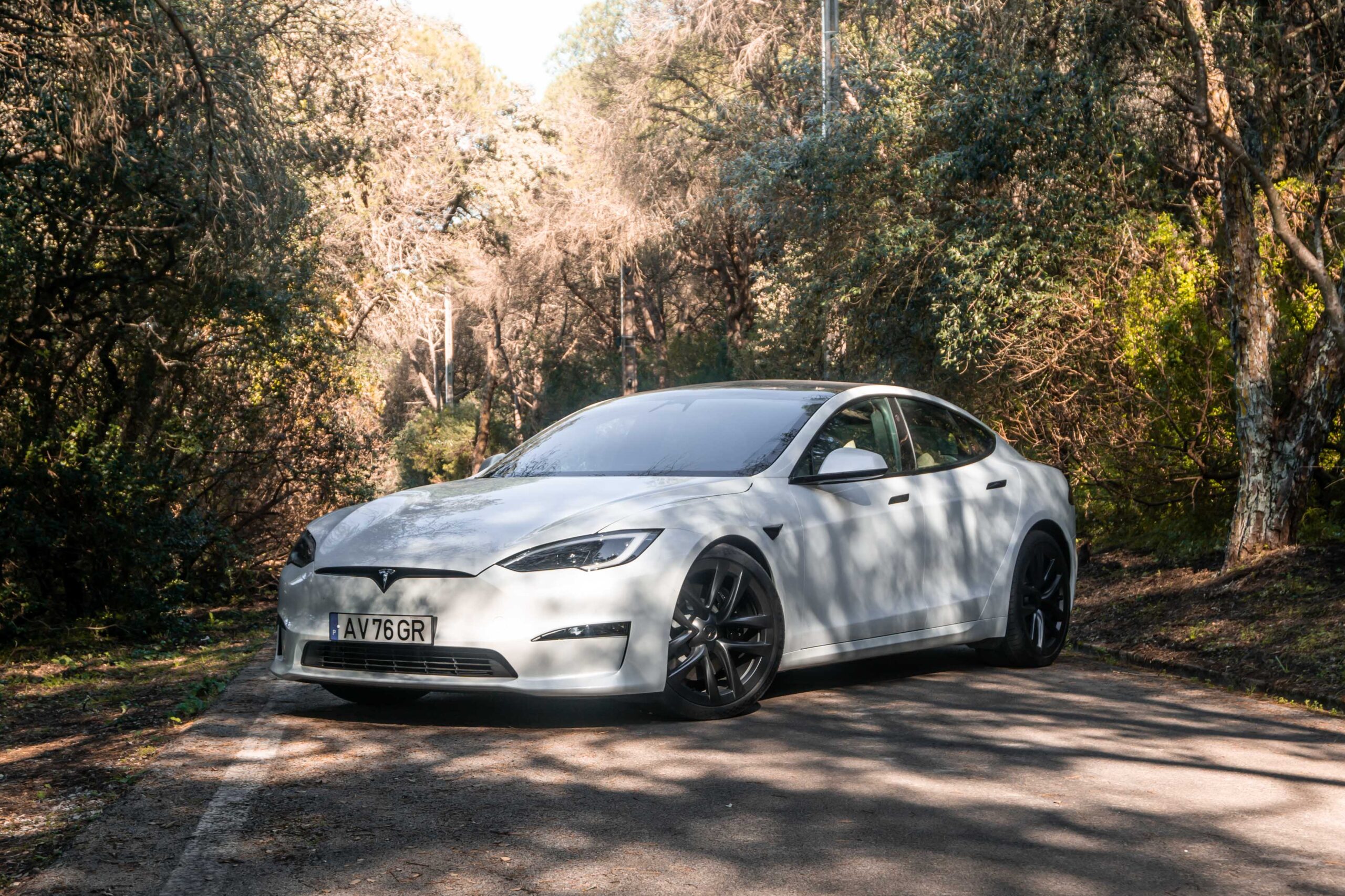
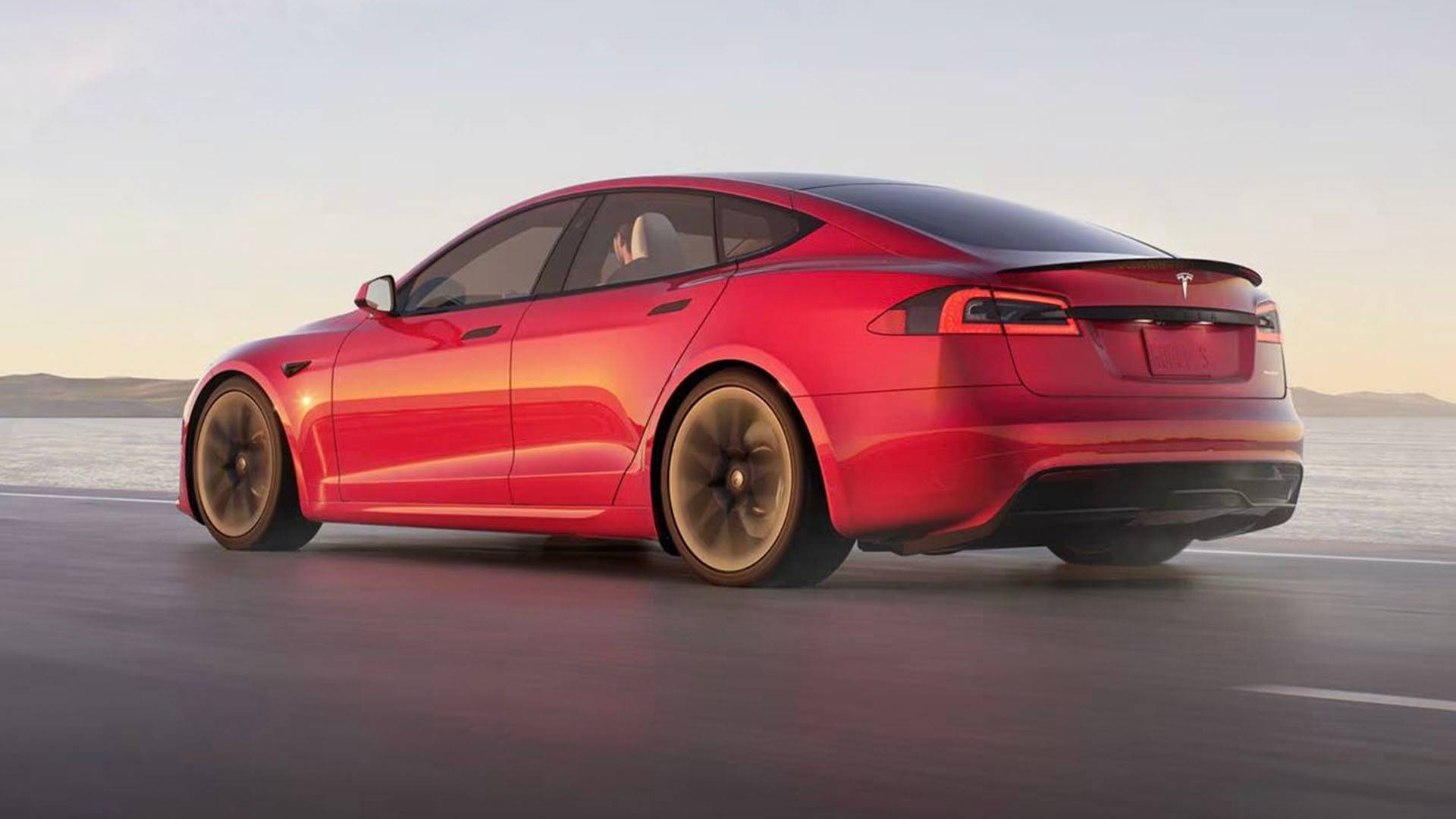
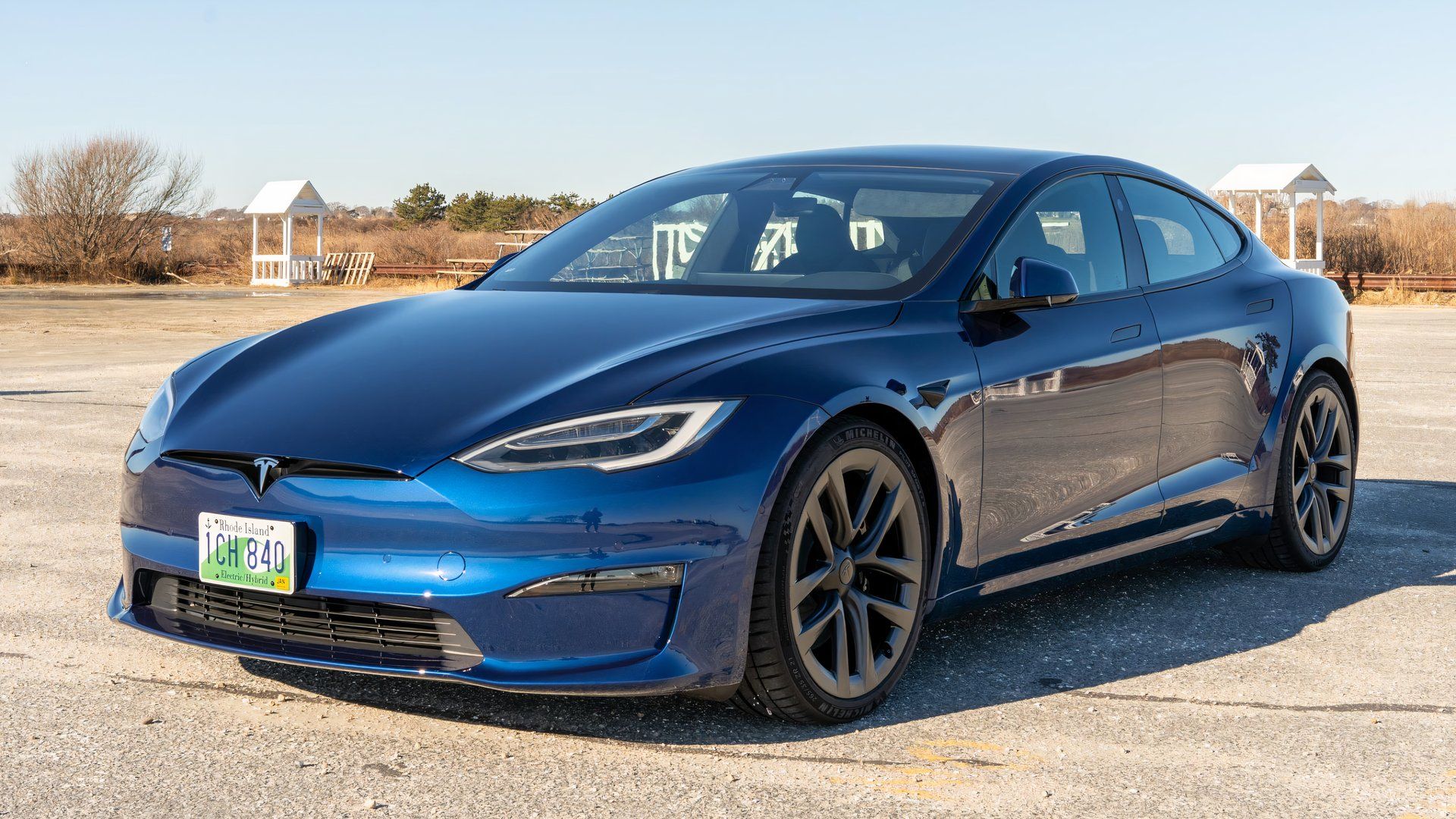
The Tesla Plaid reliability story is a narrative of cutting-edge engineering meeting the practical realities of extreme performance. While the powertrain—specifically the tri-motor setup and carbon-sleeved rotors—has proven remarkably robust since its 2021 debut, early models faced significant challenges with interior component durability, half-shaft vibrations, and braking systems. By 2026, the platform has matured through iterative hardware updates and refined manufacturing processes.
Contents
The Engineering Foundation of the Plaid Platform
To understand the reliability of the Tesla Model S and Model X Plaid, one must first look at the "Palladium" platform. Launched in mid-2021, this was not merely a battery upgrade but a complete reimagining of the flagship Tesla architecture. The centerpiece of this story is the tri-motor powertrain, capable of delivering 1,020 horsepower.
The most significant technical innovation affecting long-term reliability was the introduction of carbon-sleeved rotors. In traditional high-performance electric motors, the centrifugal forces at high RPMs (up to 20,000 RPM in the Plaid) can cause the copper rotor to expand, leading to catastrophic failure or reduced efficiency. Tesla’s solution—wrapping the rotors in a high-tension carbon sleeve—allows for tighter gaps between the rotor and stator, improving thermal efficiency and mechanical integrity. From a reliability standpoint, these motors have shown fewer "burnout" incidents compared to the older Performance Ludicrous motors, even when subjected to repeated high-load launches.
However, extreme power places immense stress on the mechanical components downstream of the motor. The drive units are cooled via a sophisticated thermal management system that shares a loop with the battery and cabin. While highly efficient, the complexity of this manifold—often referred to as the "Octovalve" evolution—means that a single sensor failure can impact the vehicle's ability to maintain peak performance or charge at optimal speeds.
Known Issues and the Evolution of the "Plaid Shudder"
One cannot discuss the Tesla Plaid reliability story without addressing the "shudder." Early owners of the Model S and Model X Plaid (2021–2023) frequently reported a distinct vibration or shudder during hard acceleration, particularly when the adaptive air suspension was set to "Low" or "Cheetah" mode.
The Half-Shaft Dilemma
The root cause was identified as the angle of the half-shafts (the axles connecting the drive unit to the wheels). Because the Plaid delivers instant, massive torque, any slight misalignment in the CV joints is magnified. When the car is lowered for aerodynamics, the steep angle of the half-shafts leads to premature wear of the internal bearings.
Tesla addressed this through several iterations:
- Software Adjustments: Modifying how the suspension adjusts during acceleration to minimize extreme angles.
- Hardware Revisions: Strengthening the half-shaft boots and internal grease specifications to handle higher heat and friction.
- Service Bulletins: By 2024, Tesla had revised the part numbers for these components, and vehicles produced in 2025 and 2026 feature reinforced drive axles as standard.
The Interior and "Yoke" Durability
Another chapter in the reliability story concerns the controversial yoke steering wheel. Early versions (2021–2022) suffered from "peeling" issues, where the vegan leather material would delaminate after only a few thousand miles. Tesla’s response was a material change in late 2023, followed by the reintroduction of a standard round wheel option. For those buying or maintaining Plaids in 2026, the second-generation yoke material has proven significantly more resistant to skin oils and temperature fluctuations.
Battery Longevity and Thermal Management
Despite the headline-grabbing 0-60 mph times, the core of the Plaid’s reliability is the 100 kWh battery pack. Utilizing the 18650 cell form factor (extensively refined since the original Model S), the Palladium pack features improved chemistry and cooling channels.
Data from high-mileage Plaid fleets as of 2026 suggests that battery degradation is surprisingly low, often tracking at less than 8% after 100,000 miles. This is attributed to the "Conditioning" feature, which uses the heat pumps to bring the battery to the perfect temperature before both Supercharging and high-performance driving. By preventing localized hotspots within the pack, Tesla has mitigated the chemical stress that typically degrades high-performance EVs.
However, the 12V (or 16V) system was a historical weak point. Older Teslas used lead-acid batteries that failed frequently. The Plaid moved to a Lithium-Ion accessory battery, which matches the lifespan of the main drive pack. This change alone eliminated one of the most common "reliability" complaints—the car failing to start or "wake up" due to a dead accessory battery.
Braking and Safety: The Track Package Requirement
A critical point in the reliability narrative involves the stock braking system. The original Plaid was released with brakes that many enthusiasts felt were undersized for a 4,800-pound car capable of 200 mph. Under extreme use, the steel rotors were prone to warping, and the pads would glaze, leading to "brake fade."
Tesla’s solution was the Carbon Ceramic Track Package, introduced in 2023. This $15,000–$20,000 upgrade replaced the steel rotors with carbon-silicon carbide discs and high-performance calipers. While the steel brakes are perfectly reliable for daily commuting, any Plaid reliability story must distinguish between "street reliability" and "track durability." For the latter, the Track Package is considered a mandatory requirement to ensure the braking system does not become a failure point.
Comparison of Reliability Factors (2021 vs. 2026)
The following table outlines the technical improvements made to the Plaid platform over its first five years of production.
| Component | Early Models (2021-2022) | Mature Models (2025-2026) | Reliability Impact |
|---|---|---|---|
| Half-Shafts | Standard geometry; prone to vibration | Reinforced joints; optimized angles | High reduction in shudder complaints |
| Steering Yoke | First-gen material; prone to peeling | Revitalized "V2" material or round wheel | Improved tactile longevity |
| Accessory Battery | Early Li-Ion (firmware bugs) | Refined 16V Li-Ion system | Eliminated "dead car" syndrome |
| Braking System | Standard Steel (fade-prone) | Optional Ceramic / Improved Steel pads | Better thermal management |
| Autopilot Hardware | Hardware 3.0 / Early 4.0 | Hardware 4.0+ (AI-5 ready) | Higher sensor reliability and redundancy |
| Thermal Pump | Gen 1 Octovalve | Gen 3 Integrated Thermal Manifold | Fewer coolant leak points |
Cost of Ownership and Maintenance Realities
Maintaining a Plaid in 2026 is different from maintaining a standard Model 3 or Model Y. The primary "reliability" cost is actually consumables. Because of the staggering torque, tire life is significantly shorter than on a standard vehicle. Owners typically report needing new tires every 12,000 to 15,000 miles, especially if they frequently use "Drag Strip Mode."
Furthermore, the Plaid utilizes an advanced Adaptive Air Suspension. While this provides a superior ride, the air bellows and compressors are wear items. By year five (2026), some early-production Plaids are beginning to require suspension refreshes. Unlike traditional coils, an air suspension leak can render the car undrivable, making it a critical point for long-term reliability monitoring.
The Tesla Official Service Manual now provides detailed intervals for the Plaid, including desiccant bag replacements for the AC and brake fluid testing for moisture every two years—both crucial for preventing long-term corrosion in the high-performance braking and cooling systems.
Comparative Reliability: Plaid vs. Competitors
When compared to its primary rivals—the Porsche Taycan Turbo GT and the Lucid Air Sapphire—the Plaid sits in a unique position. The Porsche offers arguably better build quality and "repeatability" on the track, but it has faced its own share of software-related recalls and battery cell issues (see NHTSA Recall Database).
The Lucid Air Sapphire offers more range and similar performance but lacks the decade-long Supercharging infrastructure and service data that Tesla has accumulated. The Tesla Plaid’s reliability "win" comes from its software maturity. By 2026, Tesla’s fleet-wide data collection has allowed them to push OTA (Over-The-Air) updates that preemptively limit motor torque if sensors detect heat-related anomalies, effectively "saving the car from the driver."
Frequently Asked Questions
Do the tires on the Tesla Plaid wear out faster than normal?
Yes, significantly. The Tesla Plaid produces over 1,000 lb-ft of torque at the motors. Even with sophisticated traction control, the sheer force required to move a 4,800-pound vehicle from 0-60 mph in under 2 seconds causes rapid tread wear. Owners should expect to replace tires 30-50% more often than they would on a standard luxury sedan.
Is the yoke steering wheel reliable now?
As of 2026, the peeling issues that plagued 2021 and 2022 models have been largely resolved. Tesla updated the material composition to a more durable synthetic blend. Additionally, the option to choose a traditional round steering wheel at the time of purchase has reduced the number of users putting "stress" on the yoke design.
Does the Plaid require special brakes?
For daily driving, the standard steel brakes are reliable and sufficient. However, if you plan on driving the car at high speeds (above 100 mph) repeatedly or taking it to a race track, the Carbon Ceramic Track Package is highly recommended. The standard brakes can overheat, leading to a temporary loss of stopping power, which is a safety concern rather than a mechanical failure.
Has the "shudder" issue been fixed in newer models?
Most reports of the acceleration shudder have been addressed in models produced from 2024 onwards. Tesla implemented reinforced half-shafts and updated the air suspension software to ensure the drivetrain remains in a more neutral alignment during high-torque events.
How long will the Plaid battery last?
Current data suggests the 100 kWh Palladium battery pack is designed for a lifespan of 200,000 to 300,000 miles. Because of the advanced thermal management and the efficiency of the 18650 cells, degradation is typically minimal, though high-frequency Supercharging can slightly accelerate this process.
Final Recommendation for Owners and Buyers
The Tesla Plaid reliability story is one of rapid iteration. If you are looking at a 2021 or 2022 model, it is vital to check the service history for half-shaft replacements and yoke replacements. For those looking at 2024 through 2026 models, the platform is significantly more "bulletproof," benefiting from years of field data and hardware refinements.
To maintain maximum reliability, Plaid owners should prioritize:
- Alignment Checks: Given the high torque, keeping the wheels perfectly aligned prevents premature suspension and tire wear.
- Coolant System Inspections: The complex thermal loop is the lifeblood of the tri-motor system.
- Software Updates: Never skip updates, as they often contain critical "invisible" fixes for motor and battery management.
Image Gallery