Why NASA Tweetup Events Matter to the Public
NASA Tweetup events, now officially known as NASA Socials, matter to the public because they transform passive observers into active participants in space exploration. By providing behind-the-scenes access to facilities and experts, th...
NASA Tweetup events, now officially known as NASA Socials, matter to the public because they transform passive observers into active participants in space exploration. By providing behind-the-scenes access to facilities and experts, these events democratize science communication, foster community among enthusiasts, and humanize the complex engineering required to reach the stars.
Contents
The Evolution from NASA Tweetups to NASA Socials
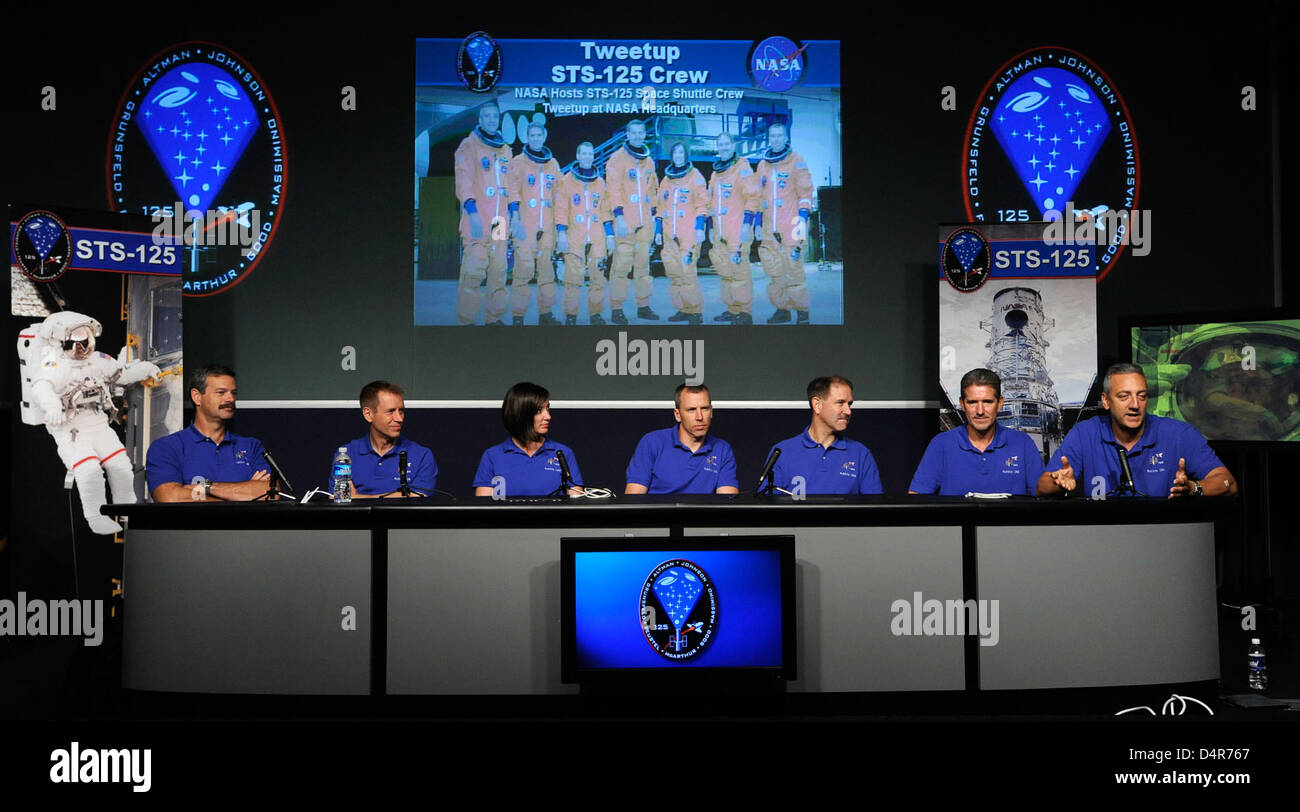
The concept of a "Tweetup"—a physical meeting of people who interact via the social media platform Twitter (now X)—was revolutionized by NASA in 2009. The inaugural NASA Tweetup took place at the Jet Propulsion Laboratory (JPL) in Pasadena, California. At the time, the agency sought a way to leverage the growing influence of microblogging to reach audiences that traditional media might bypass.
By 2012, the program evolved into NASA Social. This name change reflected the diversifying landscape of digital communication, acknowledging that public engagement had moved beyond a single platform to include Facebook, Instagram, YouTube, and eventually TikTok and Mastodon. Despite the name change, the core mission remained consistent: to provide social media influencers and everyday citizens the same access traditionally reserved for the credentialed news media.
In 2026, the NASA Social program remains a cornerstone of the agency’s outreach strategy. As we witness the progression of the Artemis program and the continued commercialization of Low Earth Orbit (LEO), these events serve as the primary bridge between government-funded research and the taxpayers who support it.
Democratizing Access to the "Final Frontier"
Historically, the inner workings of a space agency were shielded from the public by high security fences and a specialized press corps. Information was disseminated through formal press releases and televised briefings. NASA Socials fundamentally changed this dynamic by opening the gates to "regular" people—teachers, artists, programmers, and hobbyists.
Breaking the "Ivory Tower" Barrier
When a schoolteacher from a rural district or a digital artist from a major city is invited to the Kennedy Space Center to watch a launch from the press site, the psychological barrier between "the experts" and "the public" begins to dissolve. This democratization matters because it reaffirms that NASA is a public agency. It belongs to the people.
Authentic Storytelling
Unlike professional journalists who are trained to maintain an objective, often detached tone, NASA Social participants bring raw emotion to their coverage. When an attendee posts a video of their hands shaking as a Falcon Heavy or an SLS rocket clears the tower, that authenticity resonates with their followers. This human connection makes space exploration feel attainable and relevant to the average citizen’s life.
The Multiplier Effect: Turning Followers into Ambassadors
One of the most significant reasons these events matter is the Multiplier Effect. When NASA invites 50 or 100 people to a Social event, they are not just talking to those individuals. They are reaching every single person in those individuals' social networks.
Peer-to-Peer Authority
Research in communications suggests that people are more likely to trust information shared by someone they know or follow personally than information from a government entity. By educating a small group of highly engaged citizens, NASA creates a network of "citizen ambassadors" who can explain complex topics—like the logistics of lunar Gateway docking or the search for biosignatures on Europa—in terms their specific communities understand.
Niche Audience Penetration
Traditional media often focuses on the "big picture" of a launch. In contrast, NASA Social participants often find interest in the minutiae. A fashion blogger might focus on the materials used in the next-generation Axiom space suits, while a software developer might tweet extensively about the coding languages used in the Orion spacecraft. This allows NASA’s mission to permeate diverse subcultures that would otherwise ignore a standard news broadcast.
| Feature | Traditional Media Coverage | NASA Social (Tweetup) Coverage |
|---|---|---|
| Primary Goal | Objective reporting of facts/news. | Personal experience and engagement. |
| Tone | Formal and detached. | Enthusiastic, subjective, and relatable. |
| Reach | Broad, general audience. | Targeted, niche, and community-based. |
| Access Level | Standard press briefings. | Immersive behind-the-scenes tours. |
| Duration | Brief news cycles. | Long-form "story" arcs (pre-event to post-event). |
Humanizing the Workforce Behind the Missions
For much of the public, NASA is a monolithic entity or a collection of "hidden figures" in white lab coats. NASA Socials put faces to the names. Participants get to interview the thermal engineers, the software testers, and the logistics managers who make missions possible.
Seeing the Passion
When the public sees a NASA engineer tear up while talking about a mission they have worked on for fifteen years, it changes the perception of science. It ceases to be a cold, calculated endeavor and becomes a labor of love and human perseverance.
Promoting STEM Diversity
NASA intentionally selects a diverse group of participants for its Socials. When followers see people of different backgrounds, genders, and ethnicities standing in front of a Mars rover, it reinforces the message that there is a place for everyone in STEM (Science, Technology, Engineering, and Mathematics). This is crucial for inspiring the next generation of scientists who are currently in primary or secondary school.
The Economic and Civic Importance
Beyond the "cool factor," NASA Tweetup events serve a vital civic function. NASA is funded by public tax dollars, and the agency has a mandate to communicate its activities to the public.
- Accountability: These events provide a level of transparency. Participants see the hardware being built and the facilities being maintained. They can ask questions about budgets, timelines, and mission goals.
- Economic Justification: By explaining the "spinoff" technologies that come from space exploration—such as advancements in medical imaging, water purification, and telecommunications—Social participants help their audiences understand the direct economic benefits of space funding.
- Global Influence: Space exploration is a form of "soft power." When NASA Social participants from international backgrounds share their experiences, they strengthen the global perception of scientific collaboration and peaceful exploration.
How the Public Can Participate in 2026
Attending a NASA Social is a competitive but accessible process. As of 2026, the application process remains standardized but highly selective based on the specific goals of the mission being highlighted.
Eligibility and Requirements
Participants must generally have an active social media presence on platforms like X, Facebook, Instagram, LinkedIn, or Threads. While a high follower count can be beneficial, NASA often prioritizes engagement rates and the uniqueness of the audience over raw numbers.
- Application Windows: These typically open two to three months before a major event (like a launch or a mission arrival).
- Security Clearance: Because many events take place on active federal installations, applicants must pass a basic security background check.
- Self-Funding: It is important to note that NASA does not pay for travel or lodging. Participants attend at their own expense, which ensures that the program remains a low-cost initiative for the taxpayer.
What to Expect at an Event
A typical NASA Social spans one to two days. It includes:
- Tours: Access to the Vehicle Assembly Building (VAB), launch pads, or clean rooms where satellites are assembled.
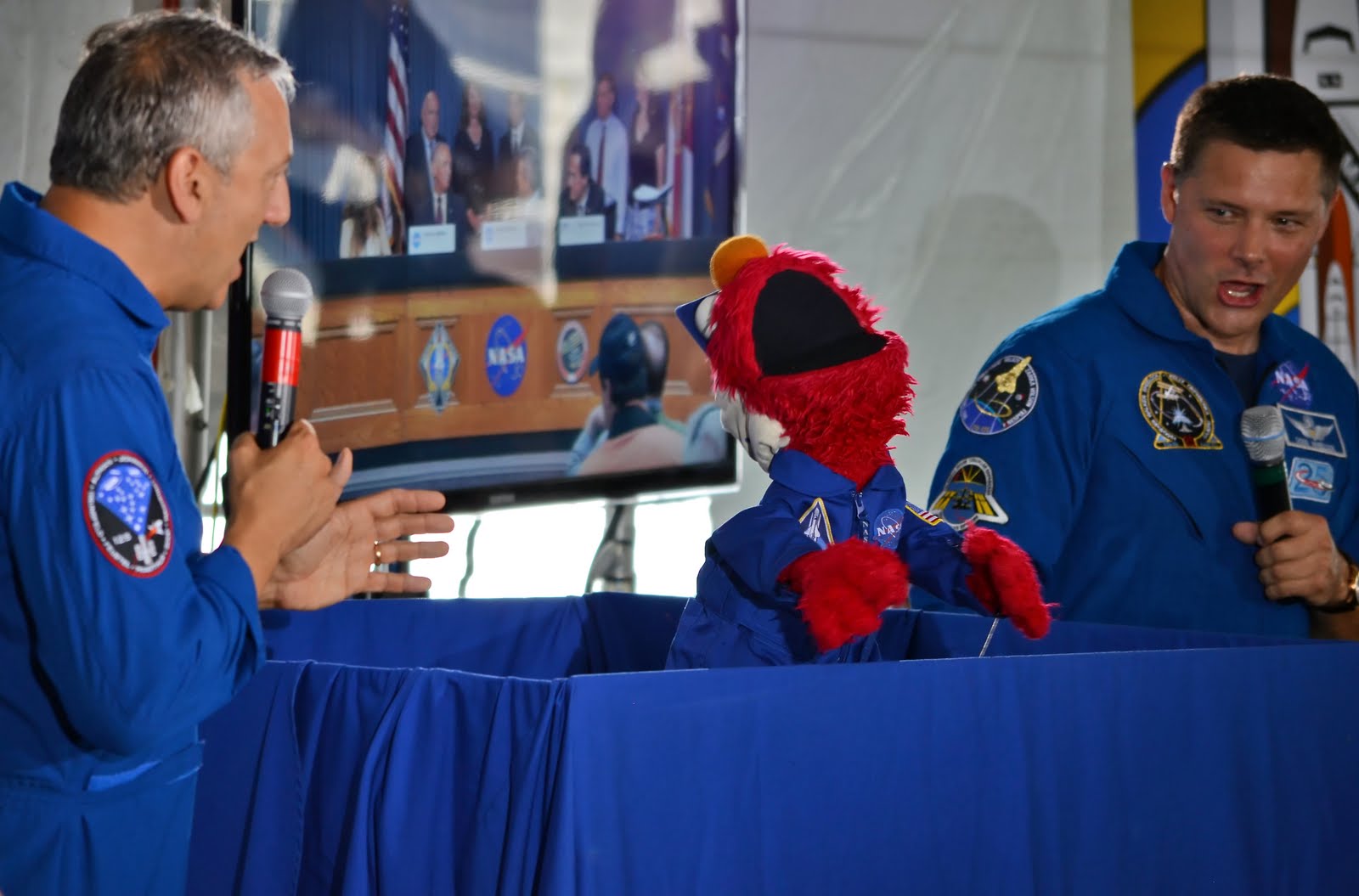
- Expert Q&A: Private sessions with astronauts, mission directors, and lead engineers.
- Media Credentials: The ability to set up remote cameras or work from the press site during major milestones.
Common Obstacles and Troubleshooting for Applicants
The most common reason for rejection is not a lack of followers, but a failure to demonstrate how the applicant will "add value" to the conversation. NASA is looking for storytellers, not just tourists.
- Mistake: Generic Applications. If an applicant simply says "I love space," they likely won't be selected. They need to explain who their audience is and how they plan to share the experience.
- Mistake: Inactive Accounts. NASA reviewers check recent activity. If an account hasn't posted in three months, it is seen as a poor vehicle for real-time engagement.
- Security Issues: Non-U.S. citizens can attend many events, but the application deadline for foreign nationals is usually much earlier to allow for Department of State processing.
FAQs: Understanding NASA Social Impact
What is the difference between a NASA Tweetup and a NASA Social?
The term "Tweetup" was used from 2009 to 2011 when the events were focused exclusively on Twitter users. In 2012, the name was changed to "NASA Social" to include users of all social media platforms. The format and goals remain virtually the same: providing in-depth access to social media creators.
Does NASA pay for attendees to travel to these events?
No. All attendees are responsible for their own travel, lodging, and meal expenses. NASA provides the access and the programming, but the participants provide the resources to get there. This ensures that participants are genuinely interested and that public funds are not used for personal travel.
Can anyone apply, or do you need a certain number of followers?
Anyone who is active on social media can apply. While having a large following helps, NASA frequently selects "micro-influencers" who have small but highly engaged audiences in specific fields, such as education, technology, or the arts.
Are NASA Socials only for rocket launches?
While launches are the most popular events, NASA Socials are held for many reasons, including the arrival of a spacecraft at a planet, the release of first images from a telescope (like the James Webb Space Telescope), or "State of NASA" addresses by the Administrator.
How has the program changed in 2026 compared to its early years?
In 2026, there is a much heavier emphasis on short-form video (Reels, TikToks) and immersive technology. NASA now provides specific "content creation" windows where participants can capture high-quality audio and video specifically formatted for mobile devices, reflecting the shift in how the public consumes information.
Practical Recommendation: Starting Your Journey
If you want to experience why these events matter firsthand, the best next step is to follow the @NASASocial accounts on major platforms and sign up for the NASA newsletter. Begin documenting your own interest in space exploration now; creating a track record of science communication is the most effective way to improve your chances of being selected for a future event. Whether you are an attendee or a follower of an attendee, these events serve as a vital reminder that the exploration of space is a collective human journey, funded by the public and intended for the benefit of all.
Image Gallery