How Much Does It Cost to Snowboard in Big Bear? A Complete Budget Breakdown
Snowboarding in Big Bear, located in the San Bernardino Mountains of Southern California, offers some of the most accessible alpine riding in the region. Planning a trip to the area—home to two primary resort properties under the same...
Snowboarding in Big Bear, located in the San Bernardino Mountains of Southern California, offers some of the most accessible alpine riding in the region. Planning a trip to the area—home to two primary resort properties under the same operational umbrella, Bear Mountain and Snow Summit—requires understanding how various expenses accumulate. Total costs typically range from $150 to over $400 per person per day, depending heavily on whether you need equipment rentals, lift tickets, lessons, lodging, or transportation.
Contents
Managing your expenses effectively starts with breaking down individual cost centers. Because Big Bear Mountain Resort utilizes dynamic pricing models, buying tickets early or securing multi-day or seasonal passes alters the financial baseline dramatically. This guide covers every financial aspect of planning a snowboarding excursion to Big Bear, providing realistic expectations and practical budgeting strategies.
Understanding Lift Ticket Pricing Models
Lift tickets represent the core operational expense of any snowboarding trip. Big Bear Mountain Resort employs dynamic, date-based pricing. This means tickets purchased for peak holiday weekends, such as Martin Luther King Jr. Day or Presidents' Day, cost substantially more than mid-week non-holiday visits.
Purchasing single-day window tickets on the day of your arrival generally yields the highest rates. Conversely, buying online well in advance can secure modest discounts. For frequent visitors, multi-resort passes like the Ikon Pass or regional alternatives provide significant savings over the course of a winter season.
- Peak Days vs. Value Days: Weekends and holidays command top-tier pricing. Mid-week days (Monday through Thursday, excluding peak holiday periods) feature the lowest daily rates.
- Age Brackets: Concession rates apply to children, young adults, and seniors, though definitions of these brackets vary by resort policy.
- Online Advance Purchase: Buying tickets digitally prior to arrival is mandatory for securing the lowest available web rates and guarantees access on sold-out weekends.
Equipment Rentals and Demo Packages
If you do not own your own gear, renting a snowboard, boots, and bindings is a necessary expenditure. Both Bear Mountain and Snow Summit feature rental shops on-site, alongside numerous independent rental options located in the surrounding town of Big Bear Lake and along the commuter routes up the mountain.
Resort rentals offer the convenience of on-mountain drop-off and adjustments, while off-mountain shops often feature slightly lower daily rates and less congested pickup lines. When budgeting, you must decide between standard rental packages and high-end demo packages.
- Standard Rentals: Designed for beginners and intermediate riders, these packages include a board, standard strap-in bindings, and soft boots.
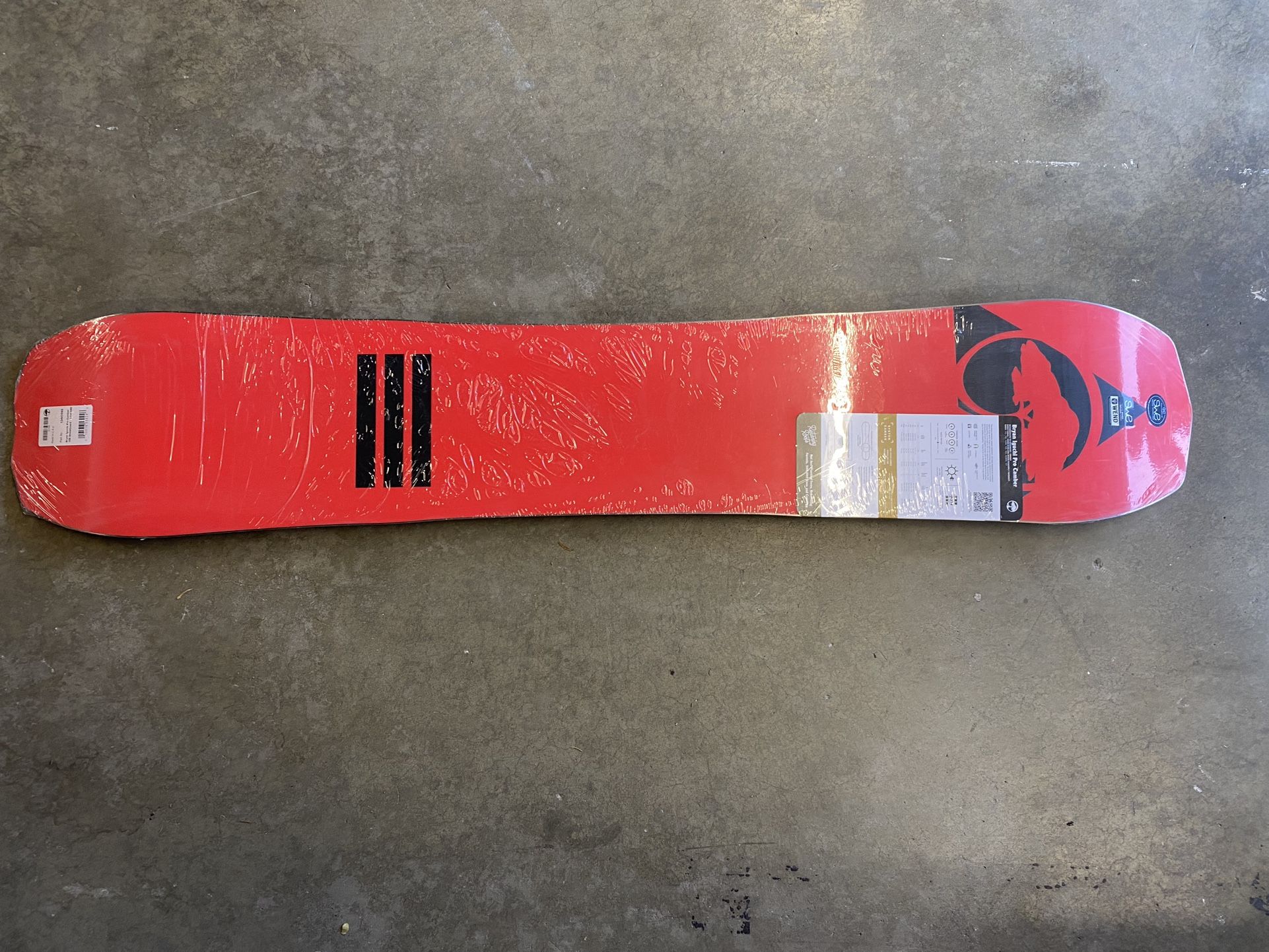
- Demo Packages: Ideal for advanced riders looking to test specific board shapes, flex profiles, or rocker-camber combinations. Demos feature higher-end, current-season equipment.
- Helmet Rentals: Helmets are rarely included in basic equipment rental bundles and carry a separate daily rental fee if you do not bring your own safety gear.
Lessons and Coaching for All Skill Levels
Investing in professional instruction is essential for first-time snowboarders or those looking to refine their carving and freestyle technique. Big Bear offers group lessons, private coaching, and specialized children’s programs.
Group lessons provide a cost-effective introduction to snowboarding basics, covering equipment handling, balance, stopping, and turning on beginner terrain (often including lift access and equipment rentals in a bundled "beginner package"). Private lessons, while more expensive, offer personalized one-on-one attention that accelerates skill acquisition.
- First-Timer Bundles: Many resorts offer all-inclusive packages combining a beginner lift ticket, rental equipment, and a group lesson. These bundles represent the best value for absolute novices.
- Group Lesson Dynamics: Classes group riders by age and skill level. Instructors focus on mountain safety rules, terrain etiquette, and fundamental mechanics.
- Advanced Coaching: Freestyle clinics are available for riders wanting to progress into terrain parks like Bear Mountain's famous Red Bull Initial Park or urban features.
Lodging and Accommodation Expenses
Staying overnight in Big Bear Lake transforms a day trip into a complete weekend vacation, significantly altering your overall budget. Accommodation options range widely based on style, proximity to the ski slopes, and seasonal demand.
Independent motels, cozy cabins, boutique hotels, and large vacation rental homes cater to different group sizes and budgets. Properties located within walking distance of Snow Summit or Bear Mountain command a premium, whereas rentals further down the valley or near the lakefront offer more budget-friendly alternatives.
- Vacation Home Rentals: Ideal for families and groups splitting costs, though cleaning fees and booking surcharges apply.
- Hotels and Lodges: Convenient for couples or solo travelers, often including breakfast or proximity to resort shuttle routes.
- Peak Season Surges: Lodging rates peak during heavy snowfall years and major holiday weekends, requiring advance reservations weeks or months ahead.
Food, Beverage, and On-Mountain Dining
Fueling up for a day of physical exertion on the slopes adds recurring daily costs. On-mountain cafeterias, food courts, and base-area grills offer convenient dining options, but convenience comes at standard resort-markup prices.
Bringing your own snacks, hydration packs, and packed lunches can drastically reduce food expenditures. Many riders choose to pack a cooler and tailgate in the parking lots or eat in their lodging before heading out for afternoon sessions.
- Base Lodge Meals: Burgers, fries, chili, and grab-and-go items typically cost between $15 and $25 per meal.
- On-Mountain Bars and Cafes: Apres-ski beverages and sit-down meals at resort lounges add considerable expense to the daily tally.
- Grocery Shopping: Big Bear Lake features standard grocery stores where visitors can stock up on breakfast items and lunch supplies before hitting the lifts.
Transportation, Parking, and Mountain Transit
Getting to Big Bear requires navigating mountain roads, which introduces transportation and infrastructure costs. Depending on your starting point in Southern California, you must factor in fuel consumption or vehicle maintenance.
- Chain Controls: California Department of Transportation (Caltrans) regulations frequently require vehicles traveling up mountain passes (Highway 18 or Highway 330) to carry snow chains during or after winter storms. Purchasing or renting chains beforehand is mandatory, as buying them at the base of the mountain during a storm incurs inflated markups.
- Parking Fees: Parking policies vary by lot and resort, with some designated lots offering free parking while others require paid reservations or premium proximity fees.
- Mountain Shuttles: Free local shuttle services often connect major lodging areas and parking lots directly to the resort base areas, reducing the hassle of on-site parking.
Estimated Daily Cost Breakdown Table
The following table outlines a realistic estimation of expenses for a single-day snowboarding trip to Big Bear for one adult. Costs reflect standard mid-season pricing and vary based on personal choices.
| Expense Category | Budget-Conscious Approach | Moderate / Standard Approach | Premium / Peak Approach |
|---|---|---|---|
| Lift Ticket | $70 (Mid-week advance buy) | $120 (Standard weekend rate) | $180+ (Peak holiday window ticket) |
| Equipment Rental | $0 (Own gear) | $55 (Standard resort rental) | $85 (High-end demo package) |
| Food & Beverage | $15 (Packed lunch & snacks) | $35 (Resort cafeteria meal) | $75+ (Sit-down dining & drinks) |
| Parking & Transit | $0 (Free lot / Carpool) | $0-$20 (Standard resort lot) | $40+ (Preferred parking) |
| Total Estimated Daily Cost | $85 | $210 - $230 | $380+ |
Frequently Asked Questions
Is it cheaper to rent gear on the mountain or in town?
Renting equipment from off-mountain shops located in the town of Big Bear Lake or along the commuter highways is generally less expensive than renting directly at the resort base lodges. However, on-mountain rentals provide the distinct advantage of immediate exchanges, adjustments, or storage if your equipment requires tuning or resizing during your day on the snow.
Are there any free snowboarding areas in Big Bear?
While you cannot access serviced chairlifts without a valid lift ticket or pass, certain public sledding and snowplay areas exist around the national forest. However, snowboarding requires designated mountain infrastructure, and attempting to ride unauthorized slopes without lift access is both unsafe and prohibited by local regulations.
How can I save money on Big Bear lift tickets?
The most reliable way to save money on lift tickets is to purchase them well in advance through the official resort website. Avoiding peak weekend and holiday dates in favor of mid-week riding yields the steepest discounts. Additionally, investing in multi-resort passes prior to the winter season amortizes the cost significantly if you plan to snowboard multiple days per year.
Do I need snow chains for my car to get to Big Bear?
Yes, legally you must carry tire chains in your vehicle when driving through mountain passes in California during winter weather advisory periods. California Highway Patrol checkpoints enforce chain controls (R1, R2, R3 conditions) depending on snowfall severity. Failing to carry chains can result in fines or being turned around before reaching the resort.
What is the cheapest time of year to snowboard in Big Bear?
Early season (December before the Christmas holidays) and late season (March and April) often feature discounted lodging rates and promotional ticket packages, provided natural or man-made snow conditions remain adequate for riding.
Practical Next Actions for Your Trip
To ensure a smooth and cost-effective snowboarding trip to Big Bear, begin by checking the official Bear Mountain and Snow Summit websites for live snow reports, weather updates, and active ticket pricing calendars. Secure your lodging and advance lift tickets at least two to three weeks prior to your intended travel dates, especially if you plan to visit over weekends or school holidays. Finally, check regional weather forecasts and Caltrans road conditions 48 hours before departure to determine if vehicle chain requirements will be in effect.
Image Gallery