Films That Portray Dictatorships in Cinema: History, Propaganda, and Resistance
Films that portray dictatorships in cinema serve as powerful cultural mirrors, documenting the mechanics of authoritarian rule, state-sponsored propaganda, systemic censorship, and individual resistance. These cinematic works range fro...
Films that portray dictatorships in cinema serve as powerful cultural mirrors, documenting the mechanics of authoritarian rule, state-sponsored propaganda, systemic censorship, and individual resistance. These cinematic works range from satirical masterpieces created during the height of actual authoritarian regimes to historical post-mortems that analyze how democracies slide into autocracy, offering audiences a critical lens through which to examine political power.
Contents
The Evolution of Dictator Cinema: From Propaganda to Subversion
The cinematic portrayal of authoritarian regimes has transformed dramatically since the early decades of the twentieth century. When dictatorial regimes first emerged in Europe and Latin America, film was immediately recognized by autocrats as a potent propaganda instrument.
State-sponsored cinema during the 1930s and 1940s in countries like Nazi Germany and the Soviet Union utilized grand spectacles, heroic framing of supreme leaders, and emotional manipulation to enforce ideological conformity. Leni Riefenstahl’s Triumph of the Will (1935) remains the quintessential artifact of state propaganda, meticulously staging the Nazi party congress to project absolute order and charismatic authority.
Conversely, filmmakers working under or in direct response to authoritarianism developed subversive visual languages. Satire became an early weapon of defiance. Charlie Chaplin’s The Great Dictator (1940), released while the United States was still officially at peace, used brilliant comedic impersonation to mock Adolf Hitler and Benito Mussolini, proving that laughter could strip autocrats of their manufactured aura of invincibility.
As decades progressed, cinematic traditions in Latin America, Eastern Europe, and East Asia birthed distinct movements—such as Cinema Novo in Brazil or the Polish School—that disguised political critiques behind allegory, historical distance, or surrealism to bypass harsh state censors.
Key Subgenres and Narrative Approaches
Directors tackling authoritarianism generally rely on distinct narrative strategies depending on their artistic goals and the political climate in which they operate. Understanding these approaches helps viewers decode the underlying political messages embedded within the frame.
1. Direct Historical Reconstruction and Biopics
These films examine real-life authoritarian regimes, detailing the rise, reign, or fall of specific dictators. They rely heavily on archival research, historical documentation, and testimonies.
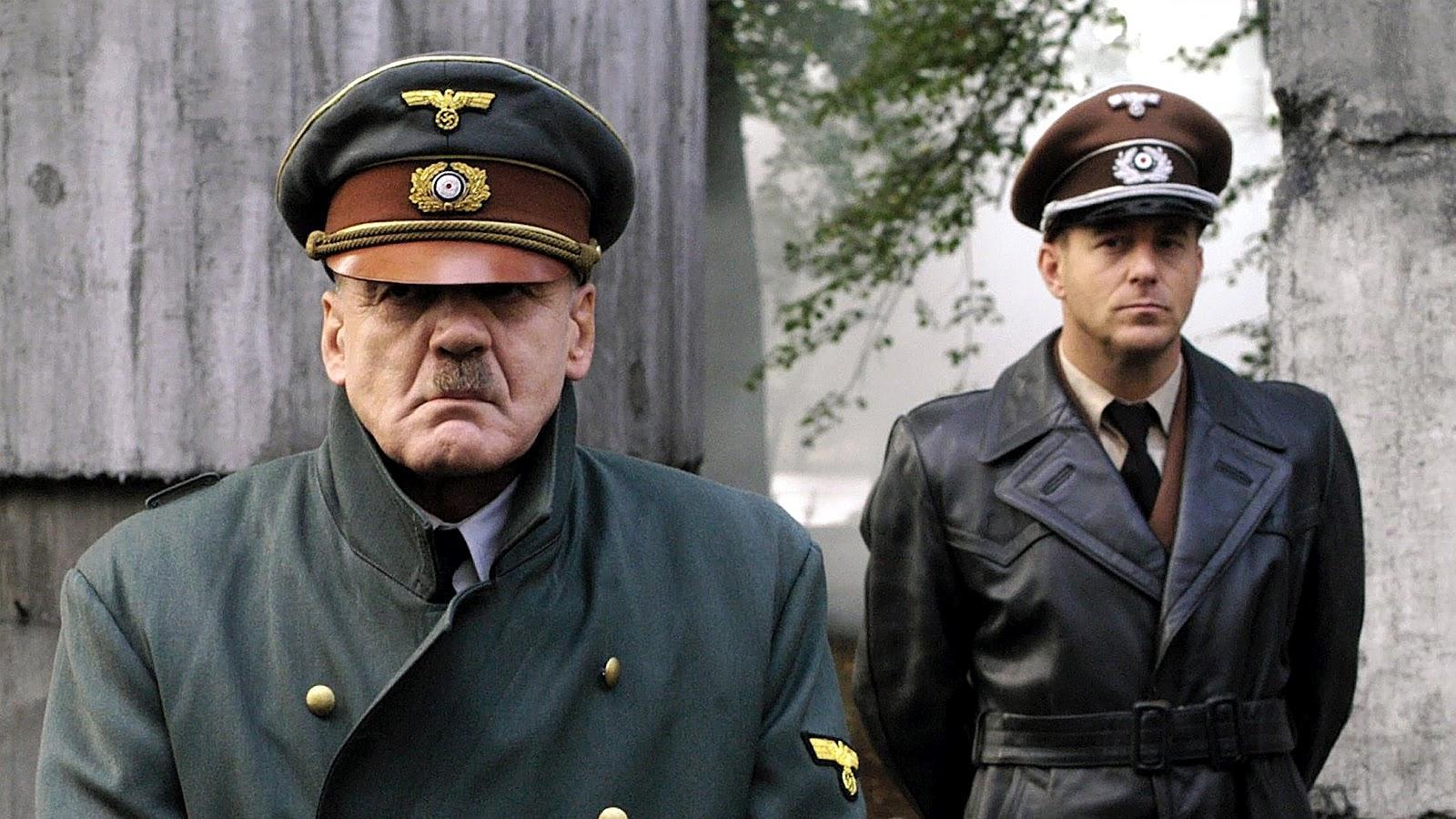
- Examples: The Baader Meinhof Complex (2008), The Last King of Scotland (2006), and Downfall (Der Untergang, 2004).
- Focus: The psychological claustrophobia of inner circles, the institutionalization of terror, and the moral corruption of collaborators.
2. Allegorical and Dystopian Sci-Fi
When direct criticism of a contemporary regime is legally impossible or physically dangerous, filmmakers project authoritarian mechanics into futuristic or fictional societies.
- Examples: Metropolis (1927), V for Vendetta (2005), and The Zone of Interest (2023).
- Focus: Surveillance capitalism, the banality of evil, environmental collapse managed by police states, and the erosion of privacy.
3. Satire and Dark Comedy
Humor disarms authoritarian pretensions. By reducing supreme leaders to petty, insecure bureaucrats or eccentric narcissists, satire exposes the absurdities underpinning totalitarian power structures.
- Examples: The Death of Stalin (2017) and The Dictator (2012).
- Focus: Paranoia among elites, sycophancy, bureaucratic inertia, and the cult of personality.
Comparative Overview of Notable Dictorship Films
| Film Title | Director | Setting / Subject | Primary Cinematic Technique |
|---|---|---|---|
| The Great Dictator (1940) | Charlie Chaplin | Satirical Tomania / Fascism | Slapstick satire and direct political address |
| The Battle of Algiers (1966) | Gillo Pontecorvo | Algerian War / French Colonial Rule | Docudrama realism and documentary-style cinematography |
| The White Ribbon (2009) | Michael Haneke | Pre-WWI German Village | Austere monochrome framing and psychological foreshadowing |
| No (2012) | Pablo Larraín | 1988 Chilean Plebiscite | Use of authentic 38mm video tape to blend archival footage |
Censorship, Distribution, and Production Hurdles
Making a film about a dictatorship often exposes the production team to immense political, financial, and physical risks. Directors frequently operate in exile, secure clandestine funding, or employ coded screenplays to protect cast and crew members from state retaliation.
Navigating State Censors
In countries governed by authoritarian regimes, screenplays must pass through strict state censorship boards before receiving production licenses. Filmmakers resort to allegory and historical displacement. For example, Romanian New Wave cinema frequently set narratives in the final, decaying days of the Nicolae Ceaușescu regime only after the regime had fallen, but Eastern European directors during the Cold War utilized fairy-tale elements and cryptic symbolism to pass scripts past cultural commissars.
Financing and Distribution Barriers
International co-productions often provide the financial lifeline necessary to bring sensitive political projects to the screen. European film funds, human rights organizations, and independent streaming platforms have become crucial avenues for distribution.
However, films that critique powerful modern states still face economic retaliation, localized bans, or pressure on international film festivals to drop controversial screenings.
The Role of Archive and Realism in Political Cinema
A defining characteristic of cinema portraying dictatorships is its engagement with truth and documentation. Directors face the challenge of representing historical trauma without sensationalism or inadvertently glorifying the perpetrators of state violence.
Films like Gillo Pontecorvo’s The Battle of Algiers utilize grainy, newsreel-style cinematography and non-professional actors to blur the line between fiction and documentary. This aesthetic choice forces viewers to confront the gritty reality of urban guerrilla warfare, torture, and state repression.
Similarly, Latin American directors working in the wake of the Operation Condor military dictatorships—such as Patricio Guzmán with his landmark documentary The Battle of Chile (1975–1979)—risked their lives to smuggle footage out of their countries, ensuring that historical memory survived state erasure.
Frequently Asked Questions
Why do filmmakers use satire to portray serious dictatorships?
Satire strips authoritarian leaders of their carefully cultivated aura of omnipotence. By exposing their insecurities, petty squabbles, and intellectual limitations through comedy, filmmakers empower audiences to view tyrants not as untouchable gods, but as fragile, vulnerable individuals propped up by systemic fear.
How do fictional dystopian films relate to real-world dictatorships?
Fictional dystopias isolate specific mechanisms of control—such as mass surveillance, historical revisionism, and forced language restriction—and push them to logical extremes. This allows viewers to recognize early warning signs of democratic erosion within their own political landscapes without the baggage of partisan debate.
What are some classic films about Latin American military dictatorships?
Notable works include The Official Story (La historia oficial, 1985) from Argentina, which examines the stolen children of political prisoners, and Missing (1982), directed by Costa-Gavras, which investigates the US-backed coup in Chile.
Are films about dictatorships subject to modern censorship?
Yes. Many contemporary films addressing authoritarianism, corruption, or human rights abuses are routinely banned or heavily edited in countries with restrictive media laws. Additionally, global streaming platforms occasionally remove specific titles from regional libraries to comply with local government demands.
How can viewers distinguish between propaganda and critique in political cinema?
Viewers should analyze the framing of the protagonist and antagonist. Propaganda typically deifies leadership, dehumanizes opposition groups, and presents state violence as an unfortunate but necessary moral good. Critique focuses on institutional accountability, human rights abuses, the psychological cost of conformity, and the resilience of ordinary citizens.
Next Actions for Film Enthusiasts
To deepen your understanding of how cinema engages with authoritarian governance, start by curating a watchlist that pairs historical documentaries with fictional dramatizations from the same era. Research the production history of films produced under duress to understand the personal sacrifices made by directors and actors.
Engage with regional cinema movements outside of Hollywood, particularly from Latin America, Eastern Europe, and East Asia, where filmmakers have direct, lived experience navigating the complexities of state control.
Image Gallery