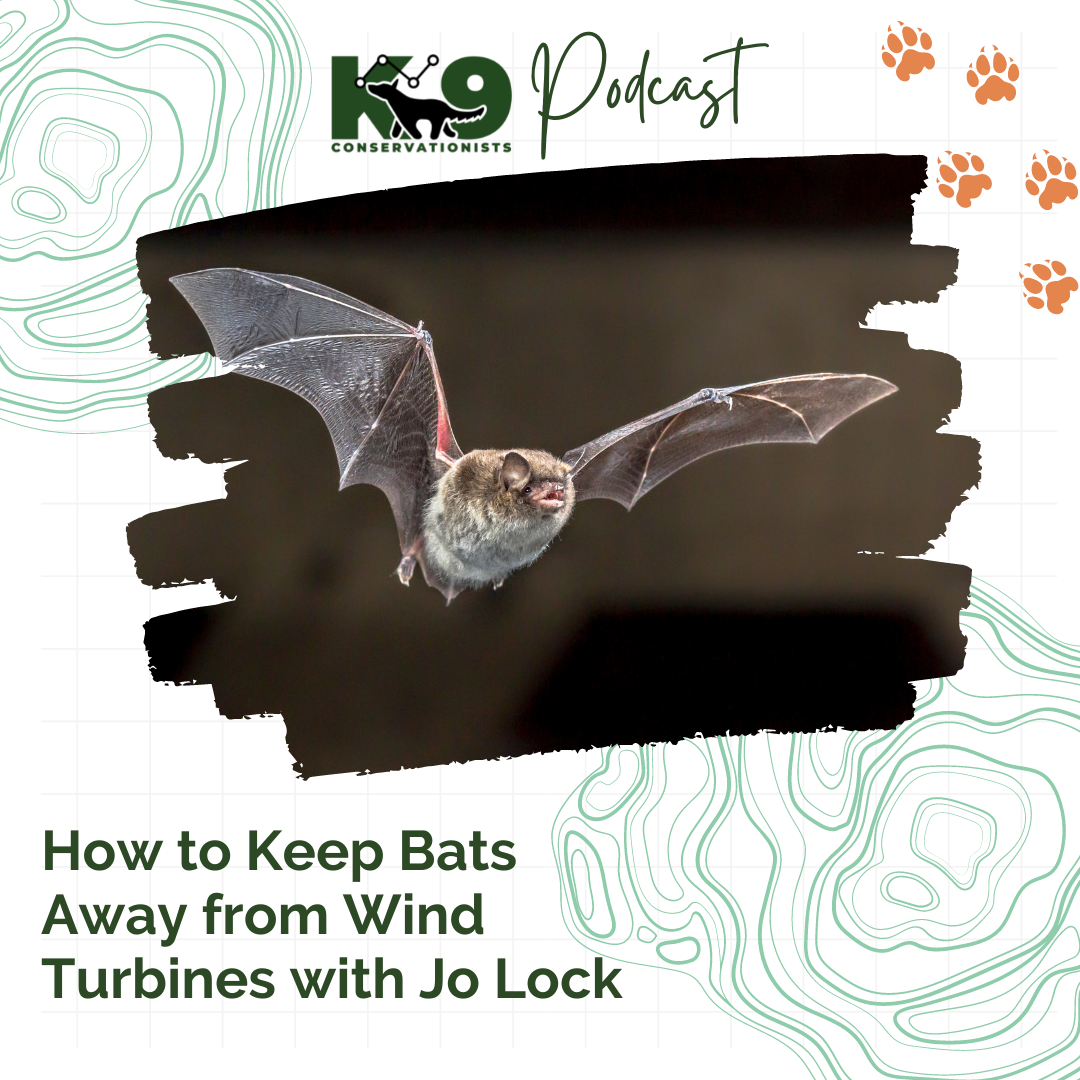
How to Get Rid of a Bat Outside: A Step-by-Step Guide
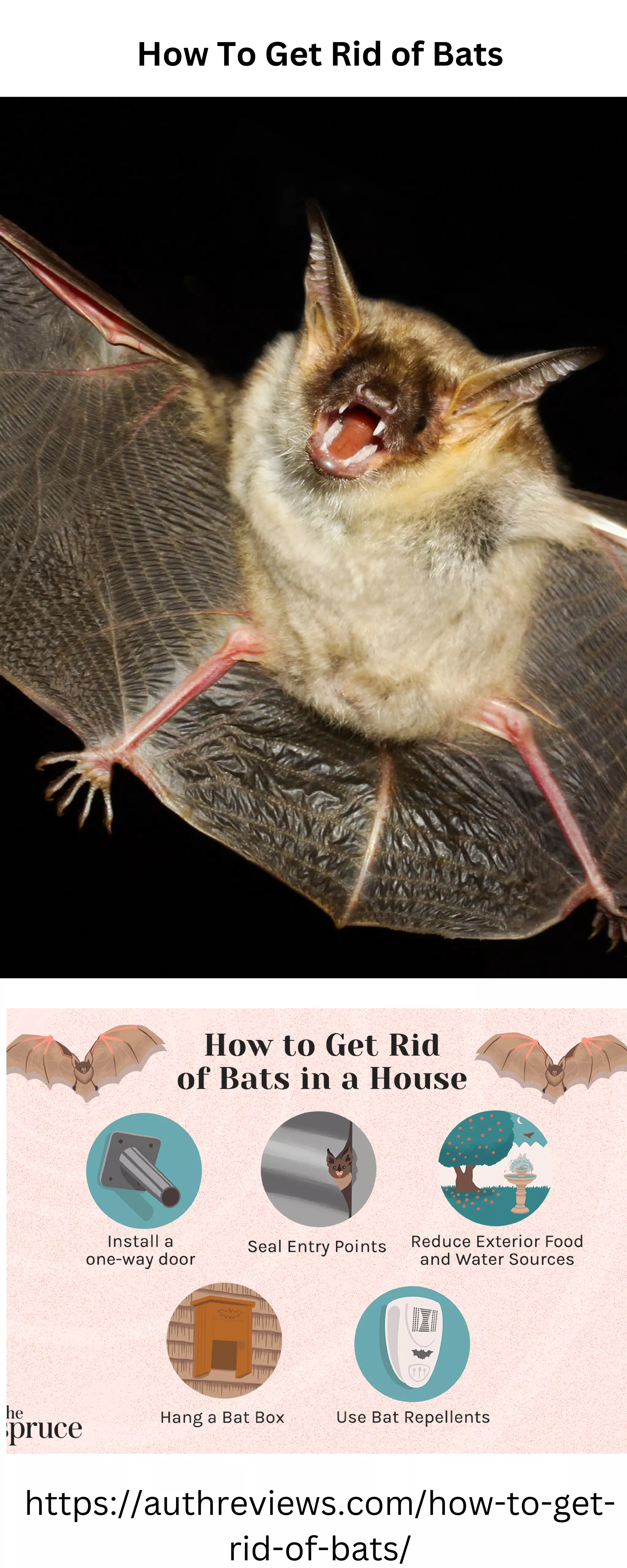
Encountering a bat outdoors can cause unnecessary panic, but these nocturnal mammals are vital components of local ecosystems that rarely seek human contact. When a single bat or a small group takes up temporary residence on your porch...
Encountering a bat outdoors can cause unnecessary panic, but these nocturnal mammals are vital components of local ecosystems that rarely seek human contact. When a single bat or a small group takes up temporary residence on your porch, patio, or exterior wall, your primary objective should be encouraging the animal to move along safely without resorting to harmful measures.
Contents
Understanding Bat Behavior and Legal Protection
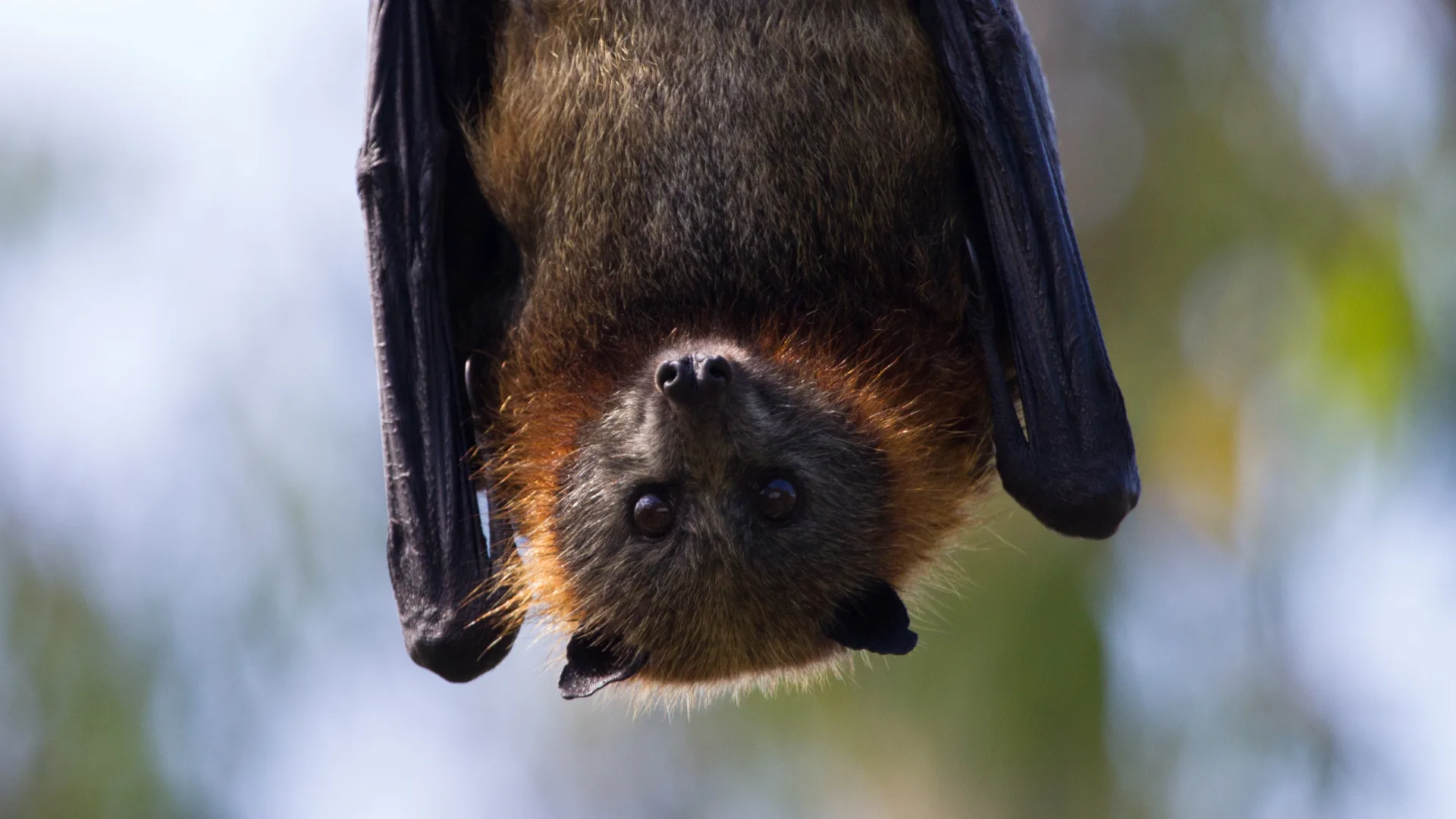
Before attempting any intervention, it is essential to understand why bats choose outdoor resting spots and the legal frameworks governing wildlife management. Bats are not aggressive by nature. When you spot a bat resting on a brick wall, under an eave, or behind a shutter during the day, it is typically in a state of torpor—a temporary hibernation-like state that conserves energy until nightfall.
In many jurisdictions, bats are protected by state and federal wildlife laws. For instance, in the United States, several species are protected under the Endangered Species Act, and it is illegal to kill, harm, or intentionally displace maternity colonies during sensitive breeding seasons. Non-lethal exclusion and passive deterrence are universally recommended by wildlife agencies, including the Bat Conservation International and state departments of natural resources. Attempting to poison or trap bats physically often violates wildlife protection regulations and increases the risk of accidental human contact, which escalates rabies exposure risks.
Step-by-Step Guide to Encouraging an Outdoor Bat to Leave
When a solitary bat is roosting on an exterior surface of your home, it will usually depart on its own once night falls. However, if the bat is in an area where it poses a nuisance or a minor safety risk, you can follow a systematic, humane procedure to encourage it to move.
Step 1: Assess the Situation and Confirm Location
Locate the bat precisely and verify whether it is a single transient animal or part of a larger roost. A transient bat will typically hang from a rough vertical surface for a few hours and leave after dusk. If you notice multiple bats entering a specific gap in your soffit, fascia, or roofline, you are dealing with a structural roost rather than a simple outdoor resting spot, which requires a specialized exclusion process rather than outdoor discouragement.
Step 2: Establish a Safety Perimeter
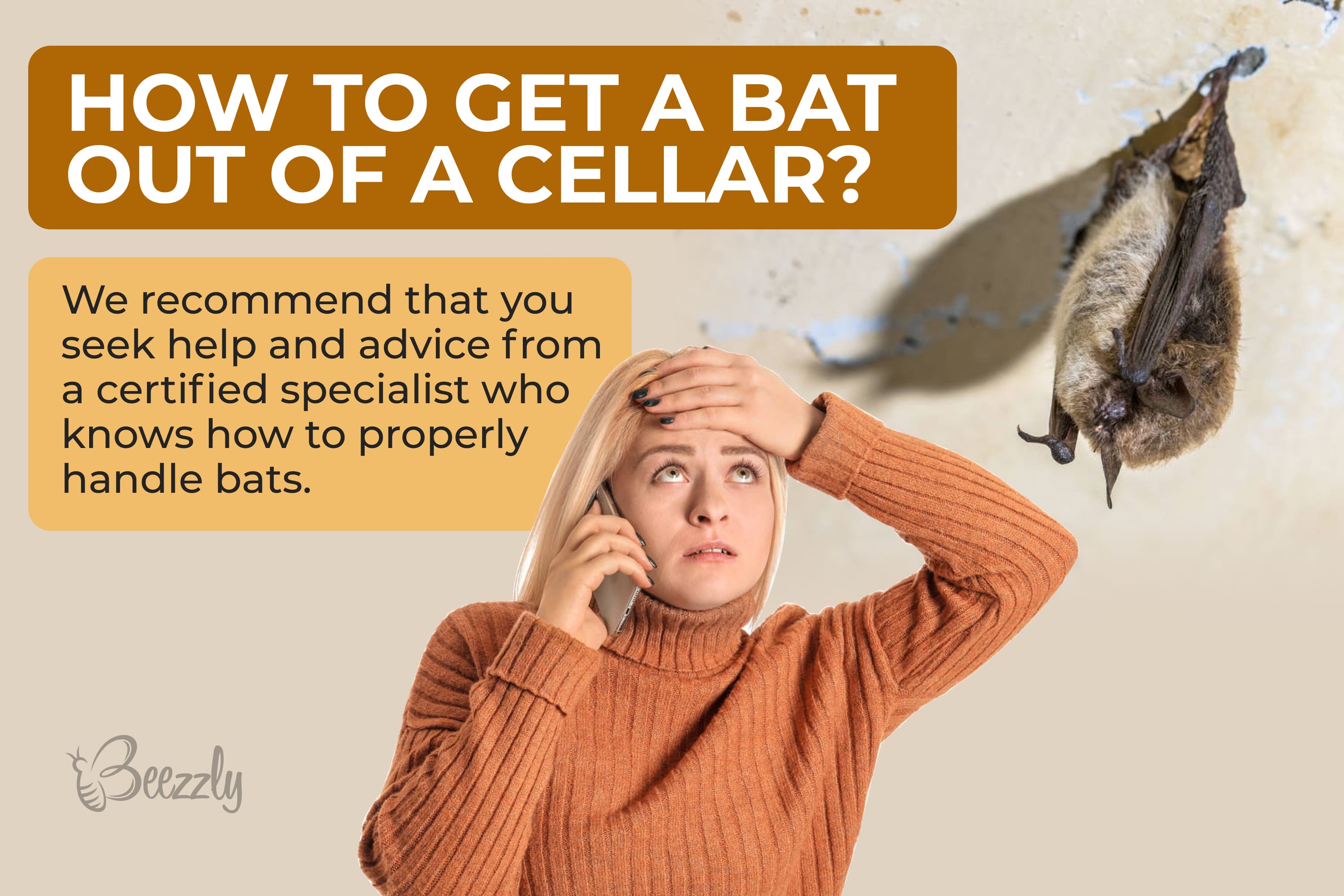
Keep children, pets, and uninstructed adults away from the area. Because bats are wild animals, handling them without thick leather gloves is dangerous. If a pet or person comes into direct physical contact with a bat, or if a bat is found in a room with a sleeping person or unattended child, local public health departments must be notified immediately for potential rabies evaluation.
Step 3: Wait Until Dusk
Do not attempt to disturb or move a roosting bat during daylight hours. During the day, bats are vulnerable and disoriented. Forcing a bat into flight during daylight exposes it to daytime predators like hawks, crows, and domestic cats, and dramatically increases the likelihood of a defensive bite if it lands on the ground. Wait until the sun has fully set and natural darkness encourages nocturnal activity.
Step 4: Use Gentle Passive Deterrence
Once night has fallen, if the bat has not flown away on its own, you can encourage movement using gentle, non-harmful stimuli.
- Bright Light: Directing a bright flashlight or floodlight toward the resting spot can make the roosting location uncomfortable, prompting the bat to seek a darker area. Never shine a light directly into the eyes of a grounded bat from inches away.
- Ambient Disturbance: Maintaining mild human activity or playing soft, low-volume music near (not directly against) the roost can signal that the location is no longer secure.
- Air Movement: Some homeowners use a fan placed at a safe distance to create a gentle breeze across the resting surface.
Step 5: Seal Temporary Roosting Gaps (After Departure)
Once the bat flies off to forage for insects, immediately inspect the landing spot. If the bat was tucked behind loose trim, outdoor furniture, or a decorative shutter, modify the environment so it cannot return the following morning. Seal minor gaps with exterior-grade caulk or fine galvanized hardware cloth if structural adjustments are necessary. Do not seal any gaps while bats are inside the structure, as this traps animals inside and leads to indoor intrusions or unpleasant odors from decaying carcasses.
Comparison of Outdoor Bat Deterrence Methods
| Deterrence Method | Effectiveness | Safety Level | Legal Compliance | Best Used For |
|---|---|---|---|---|
| Natural Departure (Waiting) | High | Maximum | Fully Compliant | Solitary bats resting during daylight |
| Indirect Lighting | Moderate | High | Fully Compliant | Encouraging movement after dusk |
| Environmental Disturbance | Low to Moderate | High | Fully Compliant | Deterring repeat roosting on porches |
| Chemical Repellents | Very Low | Variable | Dependent on Product | Generally ineffective outdoors; not recommended |
| Pesticides / Poisoning | Illegal / Ineffective | Hazardous | Non-Compliant | Never recommended |
Addressing Common Myths and Ineffective Solutions
Homeowners frequently turn to commercial quick-fixes advertised online or in hardware stores, many of which fail to deliver results and may violate wildlife guidelines.
Ultrasonic Repellers
Many electronic devices emit high-frequency sound waves marketed to repel bats, rodents, and insects. Independent wildlife research consistently shows that ultrasonic devices have negligible or zero long-term impact on bats. Bats quickly habituate to ambient noise frequencies, rendering these gadgets an unnecessary expense.
Chemical Sprays and Mothballs
Naphthalene flakes and commercial bat repellents are sometimes marketed for outdoor use. However, using mothballs outdoors is ineffective because the active chemical vapors dissipate rapidly in open air rather than concentrating in an enclosed space. Furthermore, applying registered pesticides or repellents in ways not specified on the product label violates environmental regulations and fails to resolve the underlying attraction.
Sticky Traps
The use of glue boards or sticky traps for wildlife control is strongly discouraged by animal welfare organizations and state wildlife agencies. These devices cause prolonged suffering, injure non-target species such as songbirds and beneficial insects, and increase the handler's risk of being bitten by a stressed, trapped animal.
Frequently Asked Questions
How do I know if a bat outside is rabid?
You cannot visually confirm whether a bat has rabies simply by looking at it. While erratic daytime behavior, inability to fly, or finding a bat on the ground can be indicators of illness or injury, the only way to confirm rabies is through laboratory testing of brain tissue. Always assume any handling of wild mammals carries exposure risks and avoid direct contact.
Will bats damage the exterior of my house?
Unlike rodents, bats do not chew wood, strip insulation, or damage electrical wiring. Their primary impact on exterior surfaces is the accumulation of guano (droppings) and urine beneath their roosting spots. Guano can stain siding, corrode paint, and support the growth of fungal spores if allowed to accumulate in large quantities over extended periods.
Can I spray water on a bat to make it fly away?
Spraying a roosting bat with water is strongly discouraged. Doing so causes unnecessary stress, can injure or chill the animal during cooler weather, and makes it clumsy and disoriented, increasing the chances that it will drop to the ground where it becomes vulnerable to pets and humans.
What should I do if a bat enters my living space from the outside?
If a bat wanders indoors through an open door or window, close interior doors to confine the bat to a single room, leave exterior windows and doors wide open, turn off interior lights, and wait for the bat to navigate back outside. If it fails to leave, contact local animal control or a licensed wildlife professional for safe removal.
When is the bat maternity season, and why does it matter?
Bat maternity season generally runs from late spring through mid-to-late summer (typically May through August depending on geographic region). During this window, female bats gather in colonies to give birth and raise flightless pups. Disturbing an outdoor roost or sealing gaps during this period can trap dependent young, leading to mortality and severe legal penalties under wildlife protection laws.
Summary and Next Actions
Getting rid of a bat outside requires patience and a hands-off approach. In most cases, letting the animal rest undisturbed until nightfall will result in its natural departure. If the bat lingers or repeatedly returns to an undesirable exterior location, apply gentle deterrents after dark, such as indirect lighting, and modify the landing surface once the animal has flown away to forage. For recurring structural issues or suspected colony roosts inside walls and attics, consult a licensed nuisance wildlife control operator who specializes in humane, legal bat exclusion techniques.
Image Gallery