Understanding the 2022 Nissan Leaf SV Range: What You Need to Know
The 2022 Nissan Leaf SV offers an EPA-estimated driving range of up to 149 miles on a single charge when equipped with its standard 40 kWh battery pack. This mid-tier trim level bridges the gap between the base S model and the long-ran...
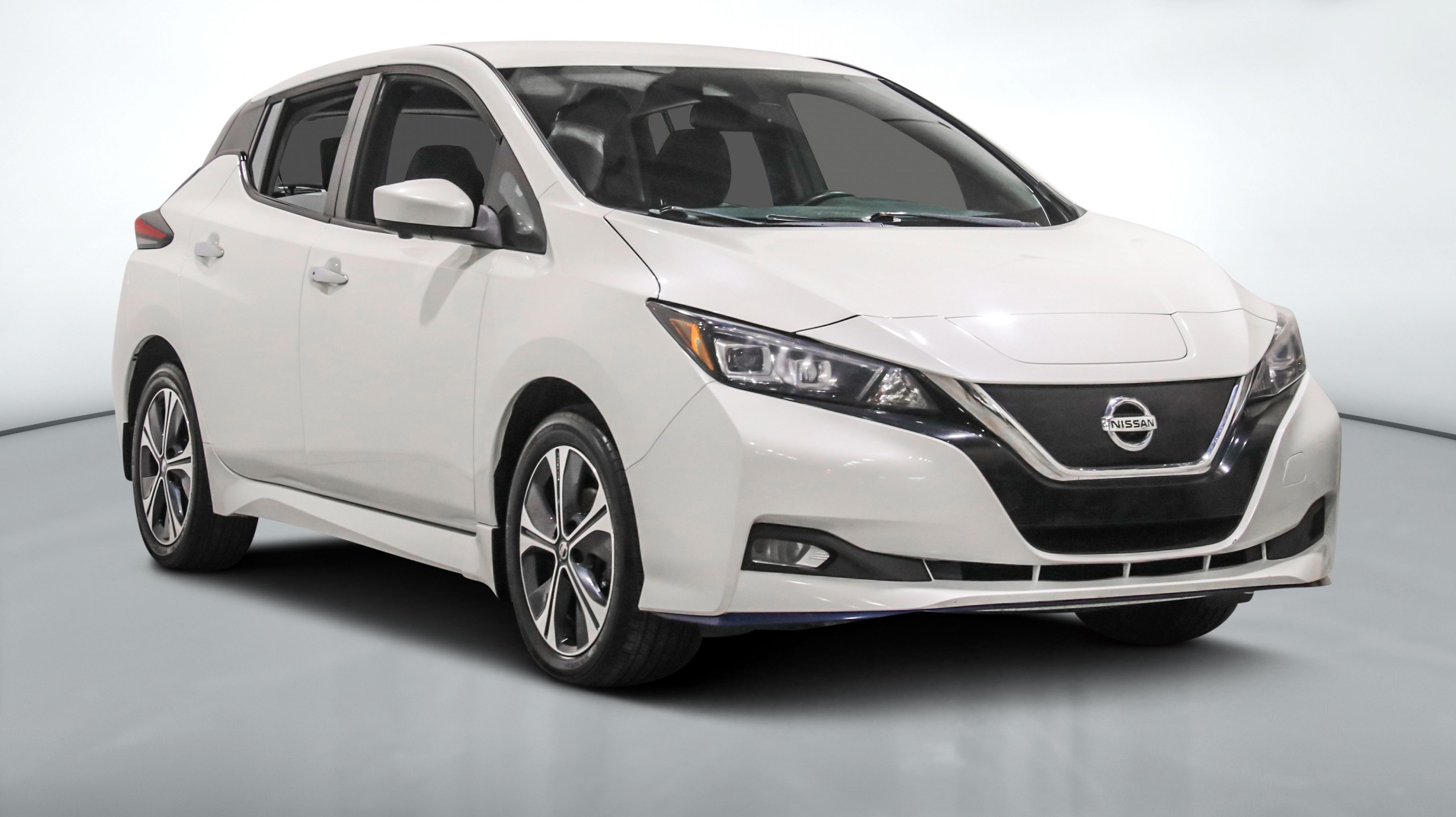
The 2022 Nissan Leaf SV offers an EPA-estimated driving range of up to 149 miles on a single charge when equipped with its standard 40 kWh battery pack. This mid-tier trim level bridges the gap between the base S model and the long-range Leaf SV PLUS, providing a balanced daily driving solution for commuters and urban drivers.
Contents
When exploring electric vehicles (EVs), understanding the real-world performance and specifications of a specific model year is vital for making an informed purchasing decision. The 2022 Nissan Leaf SV has carved out a distinct niche in the pre-owned and budget-friendly EV market. To fully comprehend what the 2022 Nissan Leaf SV range means for everyday driving, it helps to examine its battery architecture, real-world efficiency variables, charging capabilities, and how it compares to alternative trims and competing electric hatchbacks.
The Foundation: 2022 Nissan Leaf SV Battery Architecture and EPA Ratings
To understand the range of the 2022 Nissan Leaf SV, one must first look under the floorboards at its energy source. The SV trim level utilizes a 40 kilowatt-hour (kWh) lithium-ion battery pack. This is distinct from the larger 62 kWh battery pack found exclusively on the PLUS variants, such as the Leaf S PLUS, SV PLUS, and SL PLUS.
According to the United States Environmental Protection Agency (EPA) official testing protocols, the 2022 Nissan Leaf SV achieves an estimated 149 miles of total driving range. This official rating serves as a standardized baseline established under controlled laboratory environments, accounting for a mix of city and highway driving cycles.
However, prospective owners should understand that the 40 kWh battery powering the SV trim is tailored primarily for local commuting, daily errands, and regional travel rather than long-distance cross-country road tripping. Its energy density and thermal management system—which relies on passive air cooling rather than active liquid cooling—dictate how efficiently the vehicle delivers power over long distances.
Real-World Driving Range: What Affects the 2022 Nissan Leaf SV?
While the EPA rating provides a reliable benchmark, real-world driving conditions rarely match laboratory settings. Several dynamic factors heavily influence the actual distance a 2022 Nissan Leaf SV can cover before requiring a recharge.
Temperature and Climate Control
Electric vehicle battery chemistry is sensitive to ambient temperatures. In moderate weather (ranging from 65°F to 75°F), the 2022 Nissan Leaf SV regularly meets or exceeds its 149-mile estimate. However, extreme cold or intense heat introduces efficiency penalties:
- Cold Weather Impact: Sub-freezing temperatures force the vehicle to expend significant energy heating the cabin using a resistive heater (unless equipped with the optional heat pump, which improves efficiency). Additionally, cold battery chemistry increases internal resistance, reducing overall capacity. Drivers in harsh winter climates often experience a 20% to 35% reduction in range.
- Warm Weather Impact: Heavy reliance on air conditioning during peak summer heat consumes auxiliary power, slightly diminishing the total available vehicle range, though typically less severely than sub-zero cold.
Driving Style and Topography
The manner in which an EV is driven drastically affects efficiency. The 2022 Nissan Leaf SV features Nissan's e-Pedal technology, which allows drivers to accelerate, decelerate, and come to a complete stop using only the accelerator pedal. Mastering e-Pedal maximizes regenerative braking, capturing kinetic energy and feeding it back into the 40 kWh battery during stop-and-go city driving. Consequently, the Leaf SV often achieves higher efficiency ratings in urban environments with frequent stops than on high-speed interstate corridors.
Conversely, sustained high-speed driving on highways significantly increases aerodynamic drag and energy consumption. Maintaining speeds above 65 mph for extended periods will deplete the 40 kWh battery faster than city driving, often resulting in a real-world highway range closer to 120–130 miles under ideal conditions.
Comparing the 2022 Leaf Trims and Battery Options
It is easy to confuse the various trim levels and battery configurations available for the 2022 model year. The Nissan Leaf lineup relies on a combination of trim designations and battery sizes that directly dictate range performance.
| Trim Level | Battery Capacity | EPA-Estimated Range | Motor Output |
|---|---|---|---|
| Leaf S | 40 kWh | 149 miles | 147 horsepower |
| Leaf SV | 40 kWh | 149 miles | 147 horsepower |
| Leaf S PLUS | 62 kWh | 226 miles | 214 horsepower |
| Leaf SV PLUS | 62 kWh | 215 miles | 214 horsepower |
| Leaf SL PLUS | 62 kWh | 215 miles | 214 horsepower |
As outlined in the table, stepping up from the SV to the SV PLUS increases the battery capacity by more than 50%, boosting the EPA range to 215 miles. The standard SV reviewed here relies on the 149-mile 40 kWh architecture, which trades maximum distance for a lighter vehicle weight, quicker standard charging times on Level 2 equipment, and a lower overall price point.
Charging Infrastructure and Replenishing the Range
When the 2022 Nissan Leaf SV depletes its driving range, replenishing the battery depends on the type of charging equipment used. Understanding charging speeds is essential for evaluating whether a 40 kWh EV fits your daily routine.
Level 1 Charging (120-Volt Household Outlet)
The vehicle comes equipped with a portable trickle charger compatible with standard 120-volt household wall outlets. This method is exceptionally slow, adding roughly 3 to 4 miles of range per hour. Recharging a depleted 40 kWh battery from empty to 100% using Level 1 charging can take upwards of 35 to 40 hours. This option is primarily suited for top-offs or emergency scenarios.
Level 2 Charging (240-Volt Home or Public Station)
Installing a dedicated 240-volt home charging unit (or utilizing public Level 2 destination chargers) is the standard ownership experience for Leaf owners. The 2022 Nissan Leaf features an onboard charger capable of drawing up to 6.6 kW. Using a Level 2 charger, replenishing the 40 kWh battery from empty to full takes approximately 8 hours, making overnight home charging practical and seamless.
DC Fast Charging (CHAdeMO Standard)
For longer trips or quick turnarounds, the 2022 Nissan Leaf SV includes a CHAdeMO DC fast-charging port as standard equipment.
- Charging Speed: The Leaf SV supports fast charging up to 50 kW.
- Time Required: Under optimal conditions, a DC fast charger can take the 40 kWh battery from 20% to 80% state of charge in approximately 40 minutes.
- Industry Note: While most modern EVs utilize CCS or NACS (Tesla) standards, the Nissan Leaf is one of the few remaining passenger EVs utilizing the CHAdeMO standard. Drivers should verify the presence of functional CHAdeMO plugs along their planned travel routes using network mapping tools like PlugShare.
Evaluating the 2022 Nissan Leaf SV for Your Daily Needs
Deciding whether the 149-mile range of the 2022 Nissan Leaf SV is sufficient requires an honest assessment of your driving habits. Statistically, the average American driver commutes fewer than 40 miles round-trip per day, meaning a 149-mile range covers standard weekly errands and commutes with substantial safety margins.
Advantages of the 40 kWh SV Trim
- Cost Efficiency: Because batteries are the most expensive component of an electric vehicle, the smaller 40 kWh pack makes the SV trim significantly more affordable than its PLUS counterparts or many competing long-range EVs.
- Lighter Curb Weight: The lighter battery pack contributes to nimble handling and an agile driving feel in urban environments.
- Upgraded Features Over Base S: The SV trim adds valuable conveniences, including ProPILOT Assist (semi-autonomous driving aid), an 8-inch infotainment display with Apple CarPlay and Android Auto integration, an 8-way power adjustable driver's seat with lumbar support, and 17-inch aluminum-alloy wheels.
Limitations to Consider
- Road Trip Constraints: The 149-mile range combined with the 50 kW DC fast-charging limit makes long-distance travel challenging. Repeated fast charging on a single day can also trigger thermal throttling, slowing down charging speeds to protect battery health.
- CHADEMO Connector Availability: As the automotive industry transitions to CCS and NACS standards, CHAdeMO public charging infrastructure is expanding at a slower rate than competing plugs, requiring careful route planning.
Frequently Asked Questions
Can the 2022 Nissan Leaf SV be upgraded to a larger battery?
No. The vehicle's structural layout, thermal management, and drivetrain software are calibrated specifically for the 40 kWh pack in the standard SV trim or the 62 kWh pack in the SV PLUS. Retrofitting a larger battery is neither officially supported by Nissan nor economically viable.
How does battery degradation affect the 2022 Nissan Leaf SV range over time?
Like all lithium-ion batteries, the Leaf's pack experiences gradual capacity loss over years of use and thermal cycling. Nissan provides an 8-year/100,000-mile warranty covering capacity loss below nine bars out of twelve on the dashboard health meter. Regular maintenance and avoiding frequent high-temperature fast charging help preserve long-term battery health.
Does the 2022 Nissan Leaf SV have a heat pump?
The inclusion of a heat pump system varies depending on regional climate packages and optional equipment packages. Prospective buyers examining a used 2022 Leaf SV should check the window sticker or inspect the engine bay/HVAC specifications to confirm whether a heat pump is installed, as it drastically improves winter driving efficiency.
Is the 2022 Nissan Leaf SV suitable for highway commuting?
Yes, provided your daily round-trip commute stays well beneath the 149-mile threshold (accounting for a safety buffer and highway speed efficiency loss). Driving exclusively at high speeds on interstate highways will drain the battery faster than city streets, but it remains fully capable of handling standard highway commutes.
Summary Recommendation
The 2022 Nissan Leaf SV delivers a practical, well-equipped electric vehicle experience anchored by an EPA-estimated 149-mile range. It is ideally suited for urban commuters, secondary household vehicles, and drivers with reliable access to home Level 2 charging who rarely embark on extended road trips. By evaluating your daily mileage requirements and local charging infrastructure against its 40 kWh capabilities, you can determine if this proven electric hatchback aligns with your transportation needs.
Image Gallery