Understanding Why the Four Non Blondes Cover Matters in Modern Music Culture
The 1993 alternative rock hit "What's Up?" by Four Non Blondes holds a unique place in popular culture, making any major cover of the track a significant cultural touchstone. A notable modern interpretation of this track matters becaus...
The 1993 alternative rock hit "What's Up?" by Four Non Blondes holds a unique place in popular culture, making any major cover of the track a significant cultural touchstone. A notable modern interpretation of this track matters because it bridges generational divides, reinterprets a classic 90s anthem for contemporary audiences, and showcases how streaming-era artists leverage nostalgia to reinvent legacy material.
Contents
The Cultural Legacy of Four Non Blondes and "What's Up?"
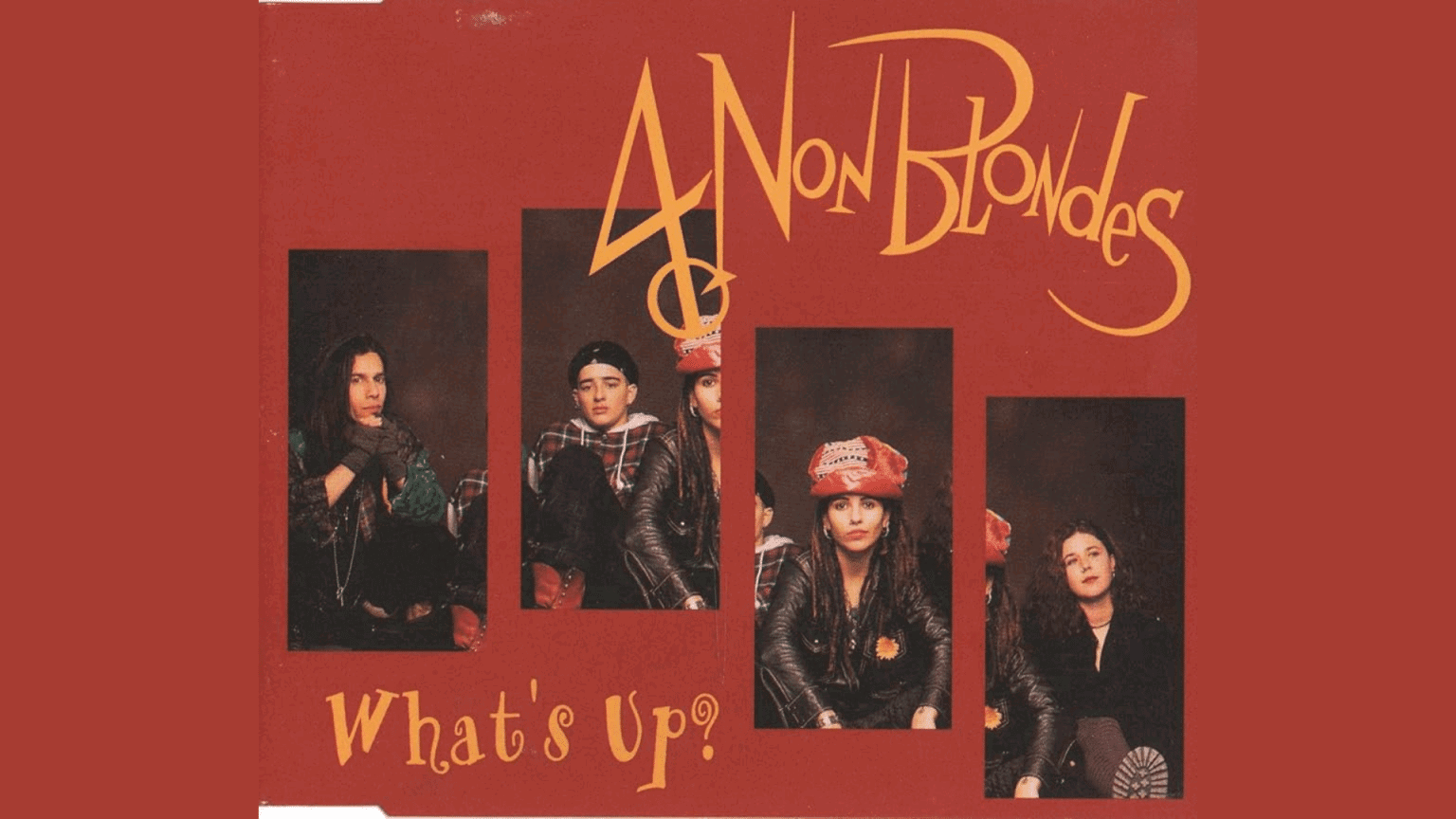
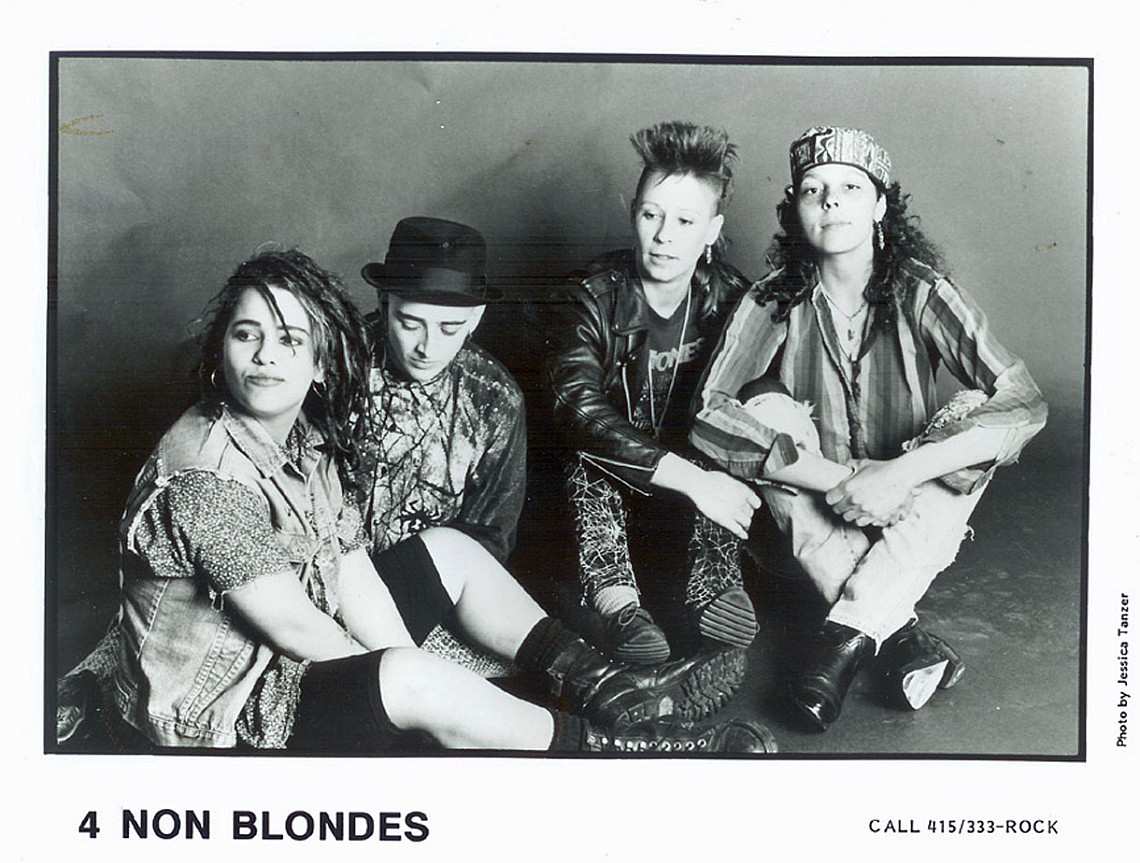
Released in 1992 on the album Bigger, Better, Faster, More!, "What's Up?" by American alternative rock band Four Non Blondes became an inescapable global anthem. Led by Linda Perry’s impassioned vocals and raw emotional delivery, the track resonated with millions through its themes of existential struggle, frustration, and a yearning for personal release.
Despite the band releasing only one full-length studio album before disbanding, "What's Up?" took on a life of its own. Over the decades, it transitioned from a standard alternative radio staple of the 1990s into an internet-era meme and a karaoke favorite. When contemporary artists choose to cover this specific track, they are not merely performing a song; they are stepping into a rich, complex cultural history. The song’s massive structural singalong chorus gives any cover version an immediate emotional hook, but it also invites intense scrutiny from purists who hold Linda Perry’s original performance in high regard.
Key Motivations Behind High-Profile Cover Versions
When major recording artists or viral internet performers decide to release a cover of "What's Up?", several artistic and commercial factors drive the decision. Understanding why these covers matter requires examining the mechanics of song interpretation in the modern music industry.
Bridging Generational Divides
Legacy tracks like "What's Up?" possess built-in recognition that spans multiple generations. Gen X listeners remember the original alternative radio era, Millennials grew up with the track as a late-night radio staple, and Gen Z frequently encounters the song through streaming algorithms, television syncs, or viral social media videos. A well-executed cover acts as a bridge, introducing younger demographics to a 90s classic while offering older fans a fresh perspective on a familiar melody.
Artistic Reinvention and Vocal Showcase
The original track relies heavily on Linda Perry's distinctive, gritty, and powerful vocal style. Covering the song presents a formidable technical challenge. Performers who take on the track often use it as a vehicle to demonstrate their own vocal range, emotional depth, and genre flexibility. Whether stripped down to an acoustic arrangement or transformed into an electronic ballad, a successful cover proves an artist's interpretive capabilities.
| Cover Approach | Primary Musical Focus | Target Audience | Typical Production Style |
|---|---|---|---|
| Acoustic / Intimate | Raw vocal delivery, lyrical vulnerability | Purists, singer-songwriter fans | Minimalist guitar or piano |
| Arena Pop / Rock | Stadium-sized dynamics, polished production | Mainstream radio, festival crowds | Layered vocals, heavy drums, synths |
| Electronic / Ambient | Atmospheric textures, rhythmic shifts | Electronic music fans, sync placements | Reverb-heavy pads, downtempo beats |
The Impact of Modern Media and Streaming Algorithms
In the contemporary music landscape, song selection for covers is heavily influenced by data analytics, streaming trends, and sync licensing opportunities in television and film.
Streaming platforms rely on nostalgic familiarity to drive engagement. When an artist releases a cover of a well-known 90s track, algorithms frequently pair it with listener data from the original song, instantly placing the new version in front of millions of targeted potential listeners. Furthermore, film and television supervisors frequently seek recognizable tracks with built-in emotional resonance for dramatic narrative moments. A reimagined version of "What's Up?" can anchor a pivotal scene in a prestige television drama, granting the covering artist significant cultural cachet and commercial visibility.
Common Pitfalls in Reinterpreting 90s Anthems
Not all covers achieve their intended artistic or commercial goals. Artists tackling iconic 90s material often face specific creative challenges that can derail a project if not handled carefully.
- Over-reliance on Nostalgia: Simply recreating the original arrangement note-for-note rarely succeeds. Listeners typically prefer either a bold, creative reinterpretation or a performance that offers genuinely distinct emotional stakes.
- Vocal Over-Singing: The original track features an intense vocal performance. Artists who attempt to out-sing Linda Perry without establishing their own unique emotional connection often produce a version that feels forced or purely technical.
- Mismatch in Genre Translation: Shifting a raw alternative rock anthem into an incompatible genre—such as overly glossy commercial pop or misaligned electronic dance music—can strip the song of the angst and sincerity that made the original endure.
Evaluating Success: What Makes a Cover Truly Matter?
For a cover of Four Non Blondes to matter beyond a temporary chart debut or viral moment, it must achieve a delicate balance between honoring the source material and asserting a distinct artistic identity. It serves as a reminder of the song's enduring compositional strength. A great melody survives shifting production trends, changing decades, and diverse vocal interpretations. When a modern artist successfully unpacks the layers of "What's Up?", they contribute to an ongoing musical conversation that honors the 1990s alternative rock explosion while keeping the music alive for future generations.
Frequently Asked Questions
Why is "What's Up?" by Four Non Blondes considered such an iconic song?
The track became iconic due to its emotionally raw lyricism, memorable acoustic-to-electric build, and Linda Perry’s powerhouse vocal performance. Its central chorus addresses universal feelings of frustration and searching for meaning, which helped it transcend its 1990s alternative origins to become a lasting pop culture touchstone.
Do artists need permission to release a cover version?
Yes. Recording and releasing a cover song requires a mechanical license, which allows an artist to record and distribute a copyrighted composition legally, provided standard statutory royalties are paid to the original songwriters and publishers. Permission from the original performing band is typically not required for a mechanical license, provided the underlying composition is not altered dramatically without authorization.
How do streaming platforms influence why artists record covers?
Streaming services thrive on familiarity and mood-based discovery algorithms. Covers of famous legacy tracks can inherit search traffic and recommendation pathways from the original recording, offering emerging or established artists an efficient way to capture listener interest.
What was the commercial success of the original Four Non Blondes song?
Released in 1993, "What's Up?" reached high chart positions globally, topping charts in several European countries and peaking at number 14 on the US Billboard Hot 100. It remains the defining signature hit of the band's career.
How can listeners distinguish between a cash-grab cover and a meaningful artistic interpretation?
A meaningful interpretation usually introduces a distinct sonic perspective, changes the emotional tone, or highlights different lyrical nuances of the composition. In contrast, uninspired covers often mimic the original arrangement closely without adding new artistic value.
Image Gallery