2018 Hyundai Elantra Sport Horsepower: A Detailed Technical Breakdown
The 2018 Hyundai Elantra Sport produces 201 horsepower at 6,000 RPM and 195 lb-ft of torque between 1,500 and 4,500 RPM. This output is generated by a 1.6-liter turbocharged GDI four-cylinder engine, providing a significant performance...
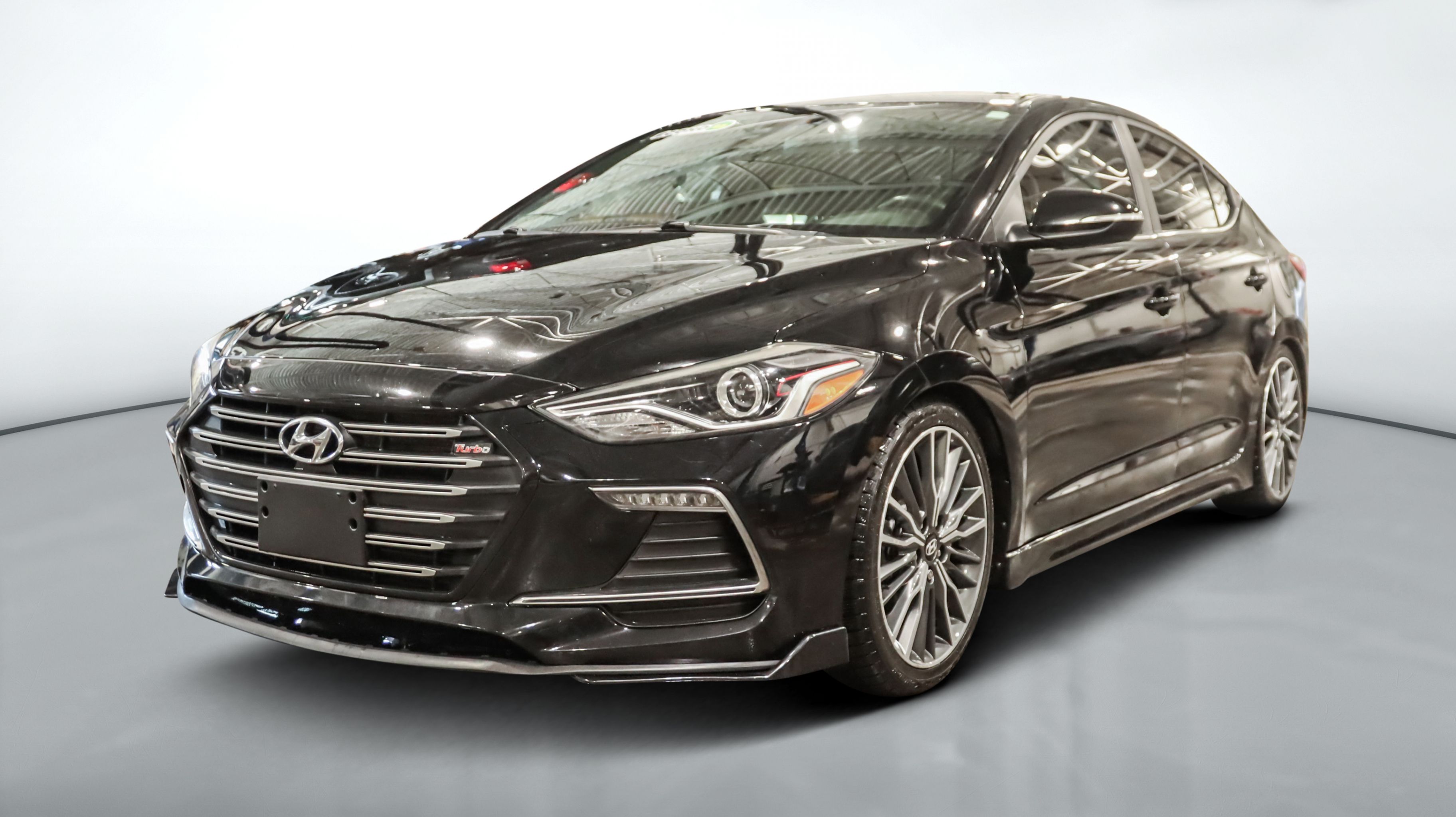
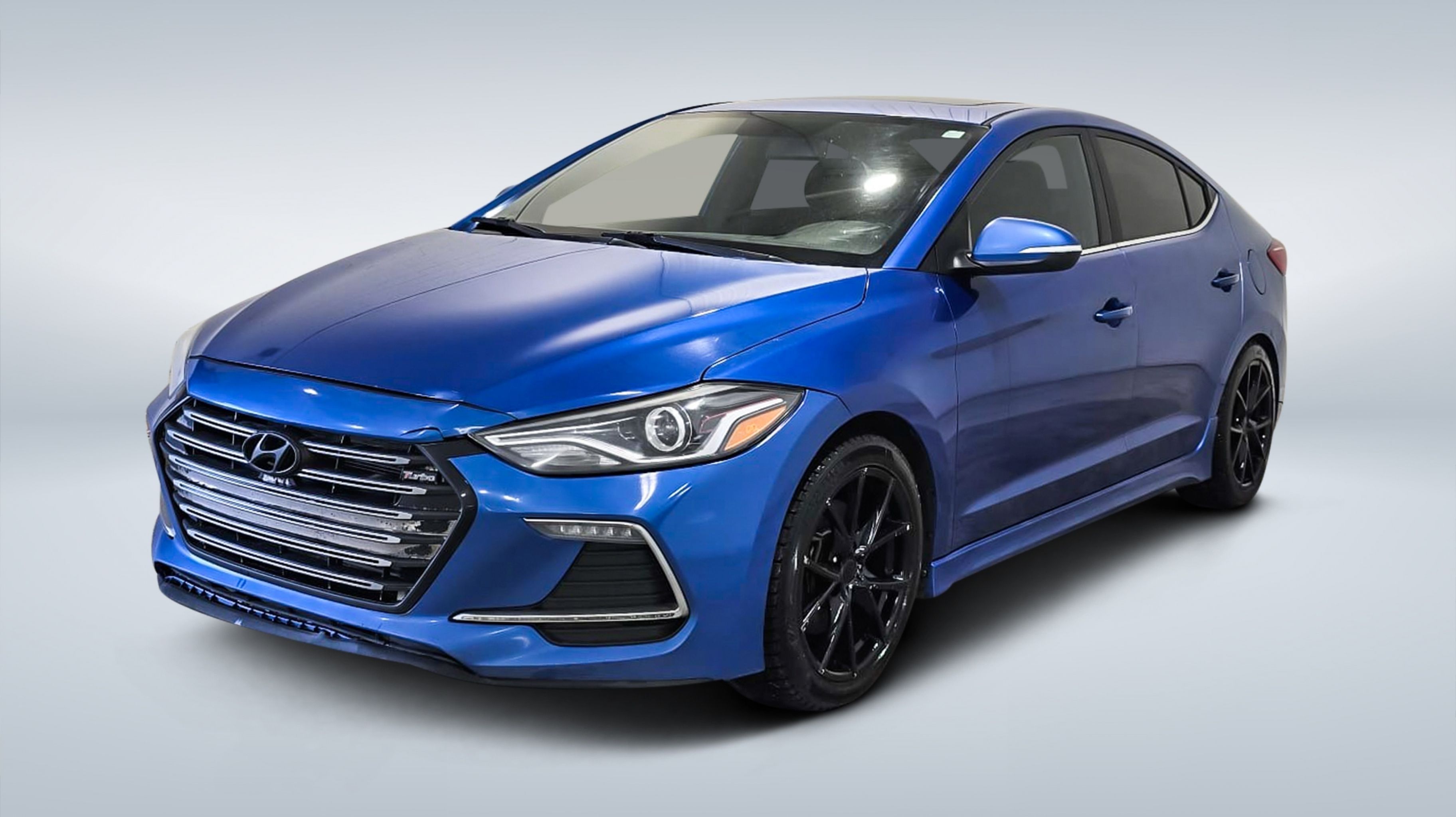
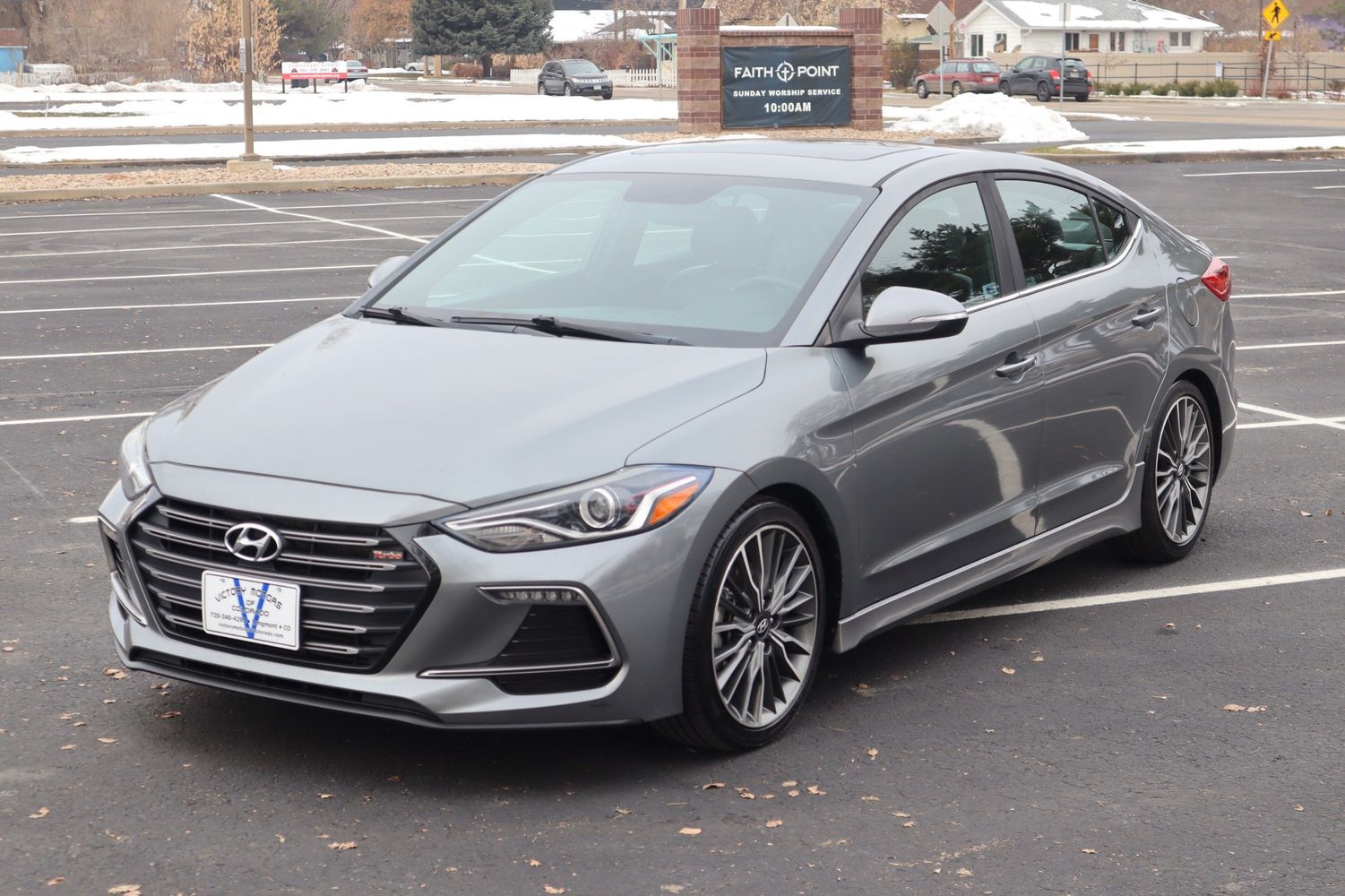
The 2018 Hyundai Elantra Sport produces 201 horsepower at 6,000 RPM and 195 lb-ft of torque between 1,500 and 4,500 RPM. This output is generated by a 1.6-liter turbocharged GDI four-cylinder engine, providing a significant performance increase over the 147 horsepower found in the standard Elantra models of that generation.
Contents
When the 2018 Hyundai Elantra Sport debuted, it represented a strategic shift for the Korean automaker, moving away from purely economy-focused commuters toward a "warm hatch" or "junior enthusiast" segment. As we look back from 2026, the 2018 Elantra Sport remains a notable benchmark for accessible performance. Understanding its horsepower requires more than just looking at a peak number; it involves analyzing how that power is delivered, the engine architecture behind it, and how it compares to the competition in the used car market today.
The Heart of the Power: The 1.6L Gamma T-GDI Engine
The horsepower in the 2018 Elantra Sport is derived from Hyundai's Gamma G4FJ engine. This 1,591cc power plant utilizes Gasoline Direct Injection (GDI) and a twin-scroll turbocharger to maximize efficiency and response. Unlike traditional single-scroll turbos, a twin-scroll design separates the exhaust pulses from the cylinders, reducing interference and allowing the turbo to spool faster. This is why the Elantra Sport achieves its peak torque of 195 lb-ft at just 1,500 RPM.
The engine features a dual overhead cam (DOHC) design with four valves per cylinder and Dual Continuously Variable Valve Timing (D-CVVT). This system allows the engine to adjust valve overlap based on RPM and load, which optimizes the air-fuel mixture across the entire rev range. By 2018, Hyundai had refined this engine significantly, addressing earlier concerns regarding carbon buildup on intake valves—a common issue in direct-injection engines—by improving the crankcase ventilation systems and oil management.
Peak Horsepower vs. Usable Torque
While 201 horsepower is the headline figure, the torque curve is what defines the driving experience of the 2018 Elantra Sport. In automotive engineering, horsepower is a calculation of work over time, whereas torque is the actual rotational force. Because the Elantra Sport delivers its maximum torque from 1,500 to 4,500 RPM, the car feels "punchy" in daily traffic.
Drivers do not need to "wring out" the engine to 6,000 RPM to feel the performance; the power is available almost immediately upon acceleration. This flat torque curve is a hallmark of modern turbocharged engines, providing a stark contrast to the naturally aspirated engines of the time, which often required high revs to find their power. However, it is important to note that horsepower begins to taper off after the 6,000 RPM peak, making shifts at the redline less productive than shifting slightly earlier to stay within the meat of the torque band.
Transmission Impact on Power Delivery
The way the 2018 Elantra Sport puts its 201 horsepower to the ground depends heavily on the transmission choice. Hyundai offered two distinct options: a 6-speed manual and a 7-speed Dual-Clutch Transmission (DCT).
The 6-Speed Manual
The manual transmission offers the most direct connection between the engine and the wheels. Enthusiasts often prefer this setup because it allows for precise control over the RPM. However, manual transmissions typically experience slightly more "boost drop" between shifts compared to a DCT. In terms of raw 0-60 MPH performance, the manual was often clocked around 6.5 to 6.8 seconds, depending on driver skill and tire conditions.
The 7-Speed EcoShift DCT
The DCT uses two separate clutches—one for odd gears and one for even gears. This allows the transmission to "pre-select" the next gear, making shifts significantly faster than a human could manage. Because the DCT maintains turbo boost pressure more effectively during gear changes, it often feels faster in a straight line than the manual version. However, early iterations of this DCT were sometimes criticized for low-speed "shudder" or hesitation, a characteristic that owners in 2026 should be aware of when maintaining high-mileage examples.
Technical Specifications and Performance Data
To understand the 2018 Elantra Sport’s position in the performance hierarchy, it is helpful to look at the raw data. The following table outlines the key specifications relevant to its power output and mechanical capabilities.
| Feature | Specification |
|---|---|
| Engine Type | 1.6L Turbocharged Inline 4-Cylinder (Gamma T-GDI) |
| Peak Horsepower | 201 hp @ 6,000 RPM |
| Peak Torque | 195 lb-ft @ 1,500 – 4,500 RPM |
| Bore x Stroke | 77.0 mm x 85.4 mm |
| Compression Ratio | 9.5:1 |
| Fuel Requirement | Regular Unleaded (87 Octane) or higher |
| Drivetrain | Front-Wheel Drive (FWD) |
| Curb Weight | ~3,042 to 3,131 lbs |
| Power-to-Weight Ratio | ~15.1 lbs per hp |
Handling the Horsepower: Chassis and Suspension
Horsepower is only effective if the chassis can manage it. Hyundai did not simply drop a bigger engine into a standard Elantra; they re-engineered the rear suspension specifically for the Sport trim. While the base Elantra used a simple coupled torsion beam axle, the 2018 Sport features an independent multi-link rear suspension.
This upgrade is crucial for maintaining tire contact with the road during hard acceleration and cornering. Without it, the 201 horsepower would likely result in significant wheel hop and a lack of composure. Furthermore, the Sport model received larger front brake rotors (12.0 inches compared to the standard 11.0 inches) and a faster steering rack ratio. These modifications ensure that the car’s stopping and turning capabilities match its upgraded straight-line speed.
Drivetrain Loss: Crank vs. Wheel Horsepower
It is a common point of confusion that the "201 horsepower" cited by Hyundai is measured at the engine's crankshaft. In the real world, some of that power is lost to friction and heat as it travels through the transmission, axles, and tires. This is known as drivetrain loss.
On a dynamometer (dyno), a stock 2018 Elantra Sport typically registers between 175 and 185 wheel horsepower (whp). The variance depends on the type of dyno used (Mustang dynos tend to read lower than Dynojets) and the ambient temperature. For a front-wheel-drive vehicle, a 10-15% loss is standard. When discussing "horsepower explained," it is vital for enthusiasts to distinguish between these manufacturer-rated figures and the actual power reaching the pavement.
Modification Potential and the 201 HP Ceiling
For owners looking to exceed the factory 201 horsepower, the 1.6L T-GDI engine has a well-documented aftermarket path. Because the engine is turbocharged, "tuning" the Electronic Control Unit (ECU) is the most effective way to increase power.
By increasing the target boost pressure of the turbo and optimizing the air-fuel ratio, a simple Stage 1 tune can often push the 2018 Elantra Sport to approximately 230–240 horsepower and over 260 lb-ft of torque. However, doing so places additional stress on the factory intercooler and clutch (especially on DCT models). In 2026, many high-mileage Elantra Sports on the used market may already have these modifications, so buyers should check for reinforced engine mounts and upgraded spark plugs, which are common supporting mods for increased horsepower.
Comparison to 2018 Competitors
In the 2018 market, the Elantra Sport was positioned as a value-oriented alternative to established icons. Its 201 horsepower put it in direct competition with:
- Honda Civic Si: 205 hp / 192 lb-ft. The Civic had a slight edge in handling but required premium fuel to hit its numbers, whereas the Elantra was rated for regular.
- Volkswagen Jetta GLI: 210 hp / 207 lb-ft. The Jetta offered more torque and a more refined interior but usually came at a higher price point.
- Ford Focus ST: 252 hp / 270 lb-ft. The Focus ST was significantly more powerful but also more expensive and less "civilized" as a daily driver.
The Elantra Sport’s 201 horsepower was the "sweet spot" for many—enough to be genuinely fun without sacrificing the 10-year/100,000-mile powertrain warranty that made Hyundai famous.
Frequently Asked Questions
Does the 2018 Elantra Sport require premium gas to reach 201 hp?
No, Hyundai officially rated the 2018 Elantra Sport's horsepower using 87-octane regular unleaded fuel. However, many owners and independent testers have noted that using 91 or 93 octane can result in smoother timing advance and slightly better performance in hot weather, as the ECU doesn't have to pull back boost to prevent engine knock.
Is the 201 hp output the same for the hatchback (Elantra GT Sport)?
Yes. The 2018 Elantra GT Sport (the hatchback variant) uses the exact same 1.6L T-GDI engine and produces identical horsepower and torque figures. The primary differences between the sedan and hatchback are the cargo capacity, wheelbase length, and slight variations in curb weight.
How does the 2018 horsepower compare to the newer Elantra N Line?
The Elantra N Line, which eventually replaced the "Sport" nomenclature, initially carried over a very similar 1.6L turbo engine with nearly identical power figures (201 hp). However, later versions shifted toward the "Smartstream" engine family, which focuses more on thermal efficiency while maintaining that 200-hp threshold.
Can the DCT handle more than the stock 201 horsepower?
The 7-speed dry-clutch DCT in the 2018 model has a torque limit of approximately 250–270 lb-ft. While it can handle mild horsepower increases, aggressive tuning that significantly bumps torque can lead to premature clutch wear. Owners seeking high-horsepower builds usually find the 6-speed manual to be a more robust platform for heavy modification.
Summary of Findings
The 2018 Hyundai Elantra Sport's 201 horsepower is a product of efficient turbocharging and direct-injection technology. While it may not compete with modern 300-hp hot hatches, its balanced power-to-weight ratio and accessible low-end torque make it a compelling choice for those seeking a spirited daily driver. Whether you are maintaining a stock version or exploring the limits of the Gamma engine, understanding the interaction between its horsepower, torque curve, and transmission is key to maximizing the vehicle's performance potential.
For those looking to purchase or maintain one in 2026, ensure the turbocharger is free of oil leaks and the GDI system is cleaned regularly to ensure that all 201 horses remain healthy and responsive.
Image Gallery