Understanding How Long the Tdap Vaccine Protects You: Duration and Booster Guidance
The Tdap vaccine provides immunity against tetanus, diphtheria, and pertussis, but its protective effect wanes over time. While the tetanus and diphtheria components typically offer protection for approximately 10 years, immunity again...
The Tdap vaccine provides immunity against tetanus, diphtheria, and pertussis, but its protective effect wanes over time. While the tetanus and diphtheria components typically offer protection for approximately 10 years, immunity against pertussis—also known as whooping cough—declines significantly within two to five years after receiving the dose, necessitating periodic monitoring and potential boosters.
Contents
The Purpose and Composition of the Tdap Vaccine
The Tdap vaccine is a combination immunization designed to protect adolescents and adults against three distinct but serious bacterial diseases. Understanding the individual components is essential for grasping why the duration of protection varies for each.
- Tetanus (T): Caused by the Clostridium tetani bacterium, this disease leads to painful muscle contractions, often starting in the jaw and neck. It is a severe condition that can interfere with the ability to breathe.
- Diphtheria (D): This infection, caused by Corynebacterium diphtheriae, can cause a thick coating to form in the back of the throat, leading to breathing difficulties, heart failure, or paralysis.
- Pertussis (ap): Often called whooping cough, this is a highly contagious respiratory disease characterized by severe, uncontrollable coughing fits. The "ap" stands for "acellular pertussis," a safer, modern formulation that replaced older whole-cell vaccines.
The vaccine functions by stimulating the immune system to create antibodies against these bacteria. However, the immune response is not static. Because the pertussis component must be formulated in a way that minimizes side effects, the memory cells it creates do not persist in the body as robustly as those for tetanus or diphtheria.
Duration of Immunity by Disease Component
It is a common misconception that the Tdap vaccine offers uniform protection for all three components for a single, fixed duration. Clinical evidence indicates a tiered degradation of immunity.
Tetanus and Diphtheria
The Tdap vaccine is highly effective at maintaining long-term immunity against tetanus and diphtheria. Public health authorities, including the Centers for Disease Control and Prevention (CDC), generally recommend a Tdap or Td (tetanus and diphtheria) booster every 10 years for adults. This 10-year cycle is based on the long-lived antibody response triggered by the toxoid components of these vaccines.
Pertussis (Whooping Cough)
The immunity provided by the acellular pertussis component is significantly shorter. Studies have consistently shown that protection against pertussis begins to decline after the first year following vaccination. By the two-to-five-year mark, vaccine-induced immunity against pertussis is notably reduced, leaving individuals more susceptible to infection. This is the primary driver for specific booster recommendations, particularly for pregnant individuals and those in close contact with infants.
Factors Influencing Vaccine Longevity
Several variables can impact how long an individual remains protected after a Tdap vaccination. While the vaccine is standardized, human biology is not.
- Age of the Recipient: Immune system efficacy naturally shifts as we age. Adolescents, who receive their routine Tdap dose around age 11 or 12, generally mount a robust response. Older adults may experience "immunosenescence," a natural decline in the immune system's ability to respond to vaccinations, which can shorten the effective duration of protection.
- Prior Vaccination History: An individual’s childhood vaccination schedule (DTaP) establishes a baseline immune memory. Those who have received the full course of childhood vaccinations typically show a more durable response to subsequent Tdap boosters than those who have not.
- Individual Immune Response: Variations in genetic markers and overall health status mean that two people receiving the exact same vaccine may have different antibody titers after the same period. Individuals with compromised immune systems may see a faster waning of immunity compared to the general population.
When to Seek a Booster: Guidelines for 2026
Given the waning nature of pertussis immunity, healthcare providers follow specific guidelines for booster administration in 2026. These recommendations focus on timing and high-risk scenarios.
Routine Adult Boosters
For the general population, the standard recommendation is to receive a Tdap booster every 10 years. This schedule is primarily to maintain immunity against tetanus, especially given the environmental risks associated with cuts or puncture wounds.
Pregnancy
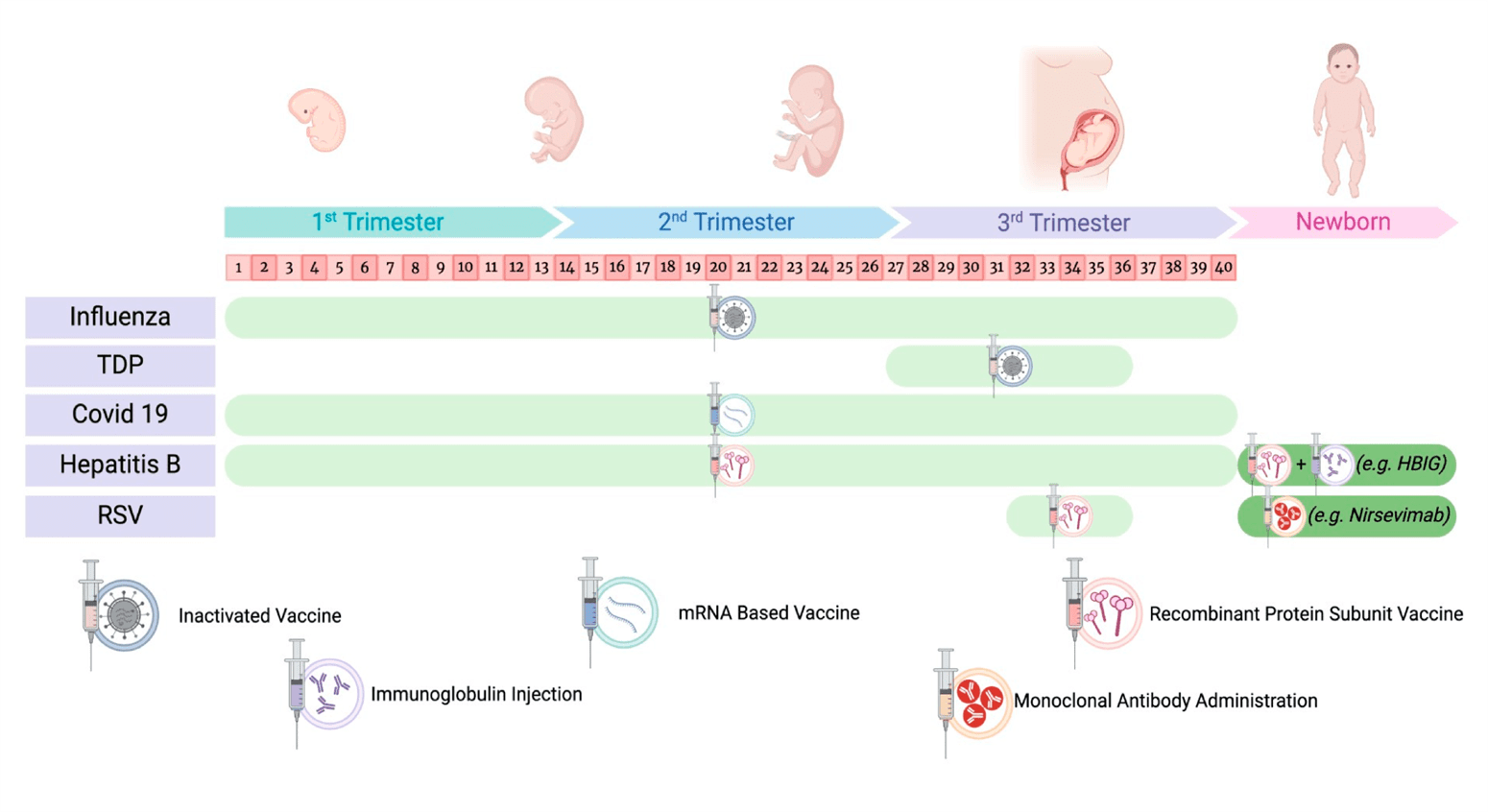
Perhaps the most critical timing for a Tdap booster is during pregnancy. Health authorities recommend that pregnant individuals receive a Tdap vaccine during every pregnancy, ideally between 27 and 36 weeks of gestation. This allows the mother to pass protective antibodies to the fetus, providing the newborn with passive immunity against pertussis during the first few months of life, before the infant is old enough to begin their own DTaP series.
Post-Exposure or Injury
If an individual experiences a severe, dirty, or contaminated wound, a clinician may recommend a Td booster even if 10 years have not passed, particularly if the last dose was given more than five years prior. This ensures that antibody levels are sufficiently high to neutralize potential tetanus toxin exposure.
Summary of Booster Frequency
| Vaccination Scenario | Recommended Frequency | Primary Rationale |
|---|---|---|
| Routine Adult (19+) | Every 10 years | Sustained tetanus/diphtheria coverage |
| Pregnancy | Every pregnancy (27-36 weeks) | Passive infant protection against pertussis |
| Severe Wound | As needed (consult provider) | Immediate antitoxin coverage |
| Healthcare Workers | As per facility requirements | Preventing transmission in high-risk zones |
Frequently Asked Questions
Does the Tdap vaccine ever provide lifelong immunity?
No. Because the bacteria that cause tetanus, diphtheria, and pertussis are still present in the environment or circulating in the population, and because immune memory for these diseases wanes, the Tdap vaccine does not offer lifelong, single-dose protection. Periodic boosters are necessary to sustain antibody levels.
Can I get a Tdap booster too often?
While it is generally safe to receive a Tdap vaccine, getting boosters too frequently (e.g., more often than once every few years) is not usually necessary unless a specific medical condition or high-risk exposure warrants it. Excessive vaccination can lead to increased localized side effects, such as arm soreness or swelling at the injection site.
If I have had whooping cough, do I still need the vaccine?
Yes. Having pertussis does not provide lifelong immunity, and the same applies to the vaccine. Furthermore, the vaccine provides essential protection against tetanus and diphtheria, which you do not receive from having had pertussis.
Is the Tdap vaccine the same as the Td vaccine?
No. The Tdap vaccine protects against tetanus, diphtheria, and pertussis. The Td vaccine protects only against tetanus and diphtheria. When you visit a clinic for a booster, ensure your provider knows you are specifically requesting or receiving the Tdap formulation if you are seeking protection against whooping cough.
Why do infants get DTaP instead of Tdap?
Infants are not physically developed enough to receive the adult Tdap formulation. They undergo a rigorous series of DTaP doses starting at two months old. The "a" in DTaP stands for a different dosage profile tailored to their developing immune systems to ensure they build the necessary baseline immunity.
Next Steps for Maintaining Your Protection
To ensure you remain protected, review your personal vaccination records or consult your state’s immunization registry. If you are uncertain about the date of your last Tdap vaccination, a general rule of thumb is that if it has been more than 10 years, you are due for a booster. Pregnant individuals should prioritize the Tdap vaccine as part of their prenatal care plan to protect their newborns.
If you have a high-risk lifestyle—such as working in landscaping, construction, or healthcare—you may want to discuss your vaccine status with a primary care physician to ensure your timing aligns with current safety standards.
Image Gallery