How Flame Color Reveals Heat: The Physics of Thermal Radiation
Flame color is a direct indicator of the temperature of a combustion reaction, governed primarily by the physics of black-body radiation and the chemical composition of the fuel being burned. As the temperature of a flame increases, th...
Flame color is a direct indicator of the temperature of a combustion reaction, governed primarily by the physics of black-body radiation and the chemical composition of the fuel being burned. As the temperature of a flame increases, the emitted light shifts along the visible spectrum from deep red to orange, yellow, white, and eventually into the blue and ultraviolet range, providing a visual gauge of heat intensity.
Contents
The Physics of Incandescence and Flame Color
To understand how flame color reveals heat, one must first look at the principle of incandescence. When matter is heated, its atoms and molecules vibrate more rapidly. At high temperatures, this thermal energy is released in the form of electromagnetic radiation. According to Wien’s Displacement Law, the peak wavelength of this emitted radiation is inversely proportional to the temperature of the object.
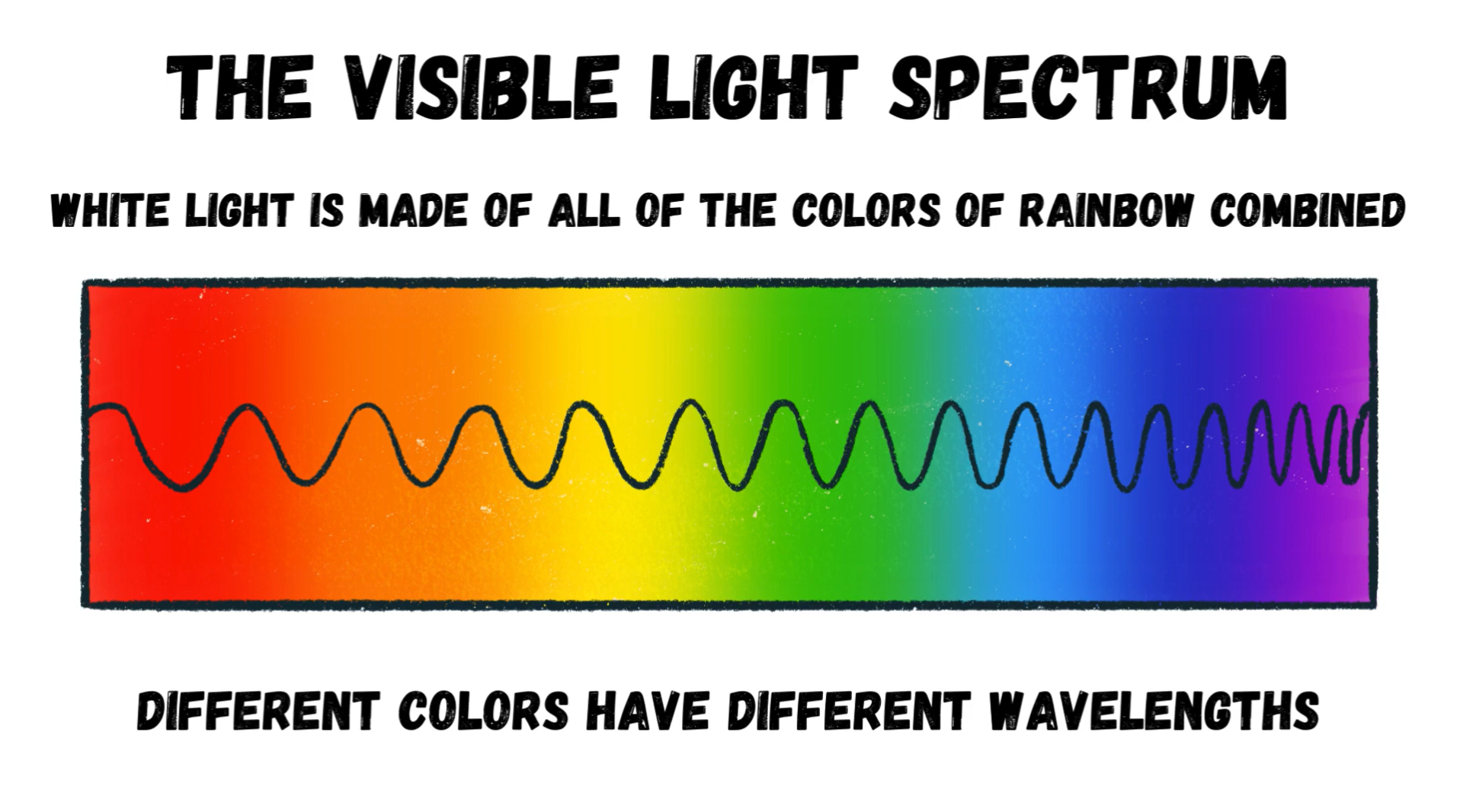
As a flame grows hotter, the peak of its emission spectrum moves toward shorter wavelengths—from the longer, lower-energy red waves toward the shorter, higher-energy blue waves. In a standard hydrocarbon flame, such as a candle or a wood fire, the primary light-emitting particles are microscopic soot (carbon) particles. These particles act like "black bodies," absorbing energy and emitting light across a broad range of the visible spectrum. The orange and yellow colors typically observed in domestic fires signify lower temperatures, while the brighter, whiter light indicates a higher concentration of thermal energy.
Combustion Chemistry and Flame Temperature
While incandescence is the primary driver of color in many fires, chemical composition plays a significant role in altering the visible outcome. The color of a flame is not solely dependent on temperature; it is also determined by the presence of specific elements that undergo electronic transitions when heated.
- Pre-mixed vs. Diffusion Flames: In a Bunsen burner, a "pre-mixed" flame occurs when oxygen is introduced before the fuel ignites. This leads to a complete combustion process, which is hotter and appears blue. A "diffusion" flame, where fuel meets oxygen only at the edge of the flame, is cooler and produces yellow light due to incomplete combustion and soot formation.
- Elemental Emission: Certain elements emit light at specific, characteristic wavelengths regardless of the general heat intensity. For example, the presence of sodium, even in trace amounts, will impart a persistent yellow-orange glow to a flame. This is a chemical emission, not a pure indicator of thermal temperature.
- Oxygenation Levels: Increasing the oxygen supply to a combustion reaction increases the rate of oxidation, which produces more heat per unit of time. This higher energy output shifts the peak emission wavelength, turning a yellow flame into a blue or invisible (ultraviolet-heavy) one.
Visual Spectrum and Temperature Correlation
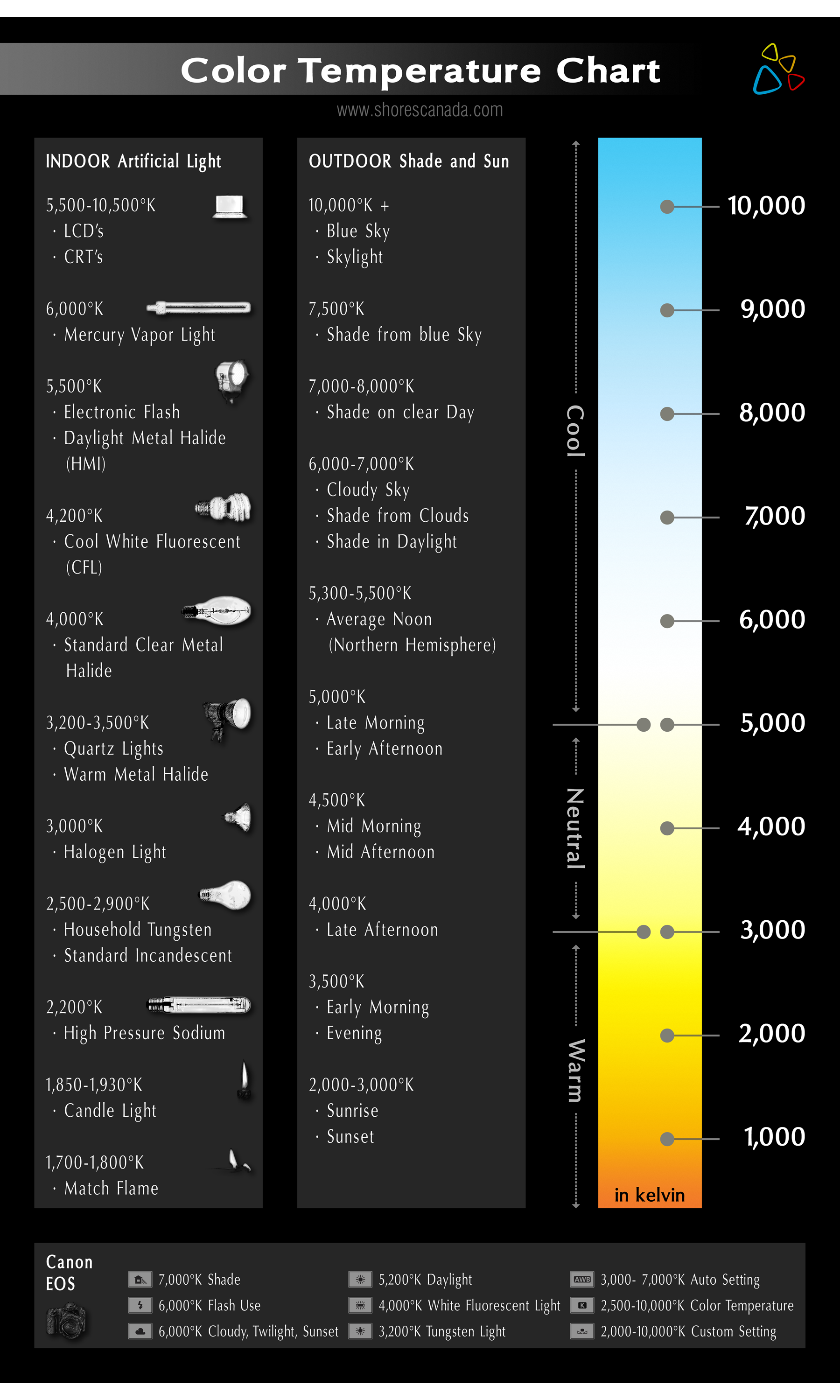
The following table outlines the general relationship between flame appearance and estimated temperature in a standard air-fed combustion environment.
| Flame Color | Estimated Temperature Range | Physical Characteristics |
|---|---|---|
| Dull Red | 500°C – 700°C | Visible only in dim light; low energy combustion. |
| Orange | 800°C – 1,100°C | Typical of wood fires and candle flames; soot-rich. |
| Yellow-White | 1,200°C – 1,400°C | Intense heat; common in fuel-rich combustion. |
| Light Blue | 1,400°C – 1,600°C | Complete combustion; very little soot formation. |
| Deep Blue/Violet | 1,600°C+ | Maximum efficiency; high oxygen-to-fuel ratio. |
Practical Applications and Safety
Understanding flame color is essential for industrial process control, laboratory safety, and fire investigation. Engineers and technicians use this knowledge to calibrate industrial burners and furnaces. If a furnace designed for high-efficiency, high-heat output begins to show a yellow or orange flame, it serves as an immediate visual diagnostic indicator that the air-to-fuel ratio is incorrect, likely resulting in incomplete combustion and lower thermal output.
In the context of fire safety, the color of a fire provides clues to its composition and hazard level. A structure fire that exhibits a bright white or blue intensity suggests high-energy fuel sources, such as accelerants or pressurized gases, which pose a different set of risks compared to the slow-burning, orange-red flames of a classic cellulose-based fire.
Common Misconceptions
A frequent error is assuming that blue flames are always "hotter" than all other colors. While true for simple hydrocarbon flames, this rule fails when exotic elements are introduced. For instance, a flame containing copper or boron might appear vibrant green regardless of the temperature. Conversely, a flame might appear invisible to the human eye but still contain enough thermal energy to cause severe burns; this is common with hydrogen-fueled fires, which burn with a high-temperature, pale blue flame that is notoriously difficult to perceive in daylight.
Frequently Asked Questions
Why does a candle flame have different colors in different parts? A candle flame displays color gradients due to the distribution of oxygen. The base, where air is most abundant, appears blue. The middle contains vaporized wax undergoing incomplete combustion, producing the iconic yellow soot glow. The very tip may appear dim or colorless as the combustion completes.
Can I accurately measure a fire’s temperature just by looking at it? No. While color provides a rough approximation, accurate temperature measurement requires pyrometry. Optical pyrometers measure the intensity of the light emitted at specific wavelengths, which provides a far more precise calculation than the human eye, which is prone to subjective interpretation and bias.
Does a blue flame always mean clean combustion? In standard hydrocarbon systems, yes. A blue flame indicates that the fuel is fully oxidizing, meaning most of the carbon is being converted into carbon dioxide rather than soot. However, blue light is not a guarantee of safety or complete combustion if other chemicals are present in the fuel stream.
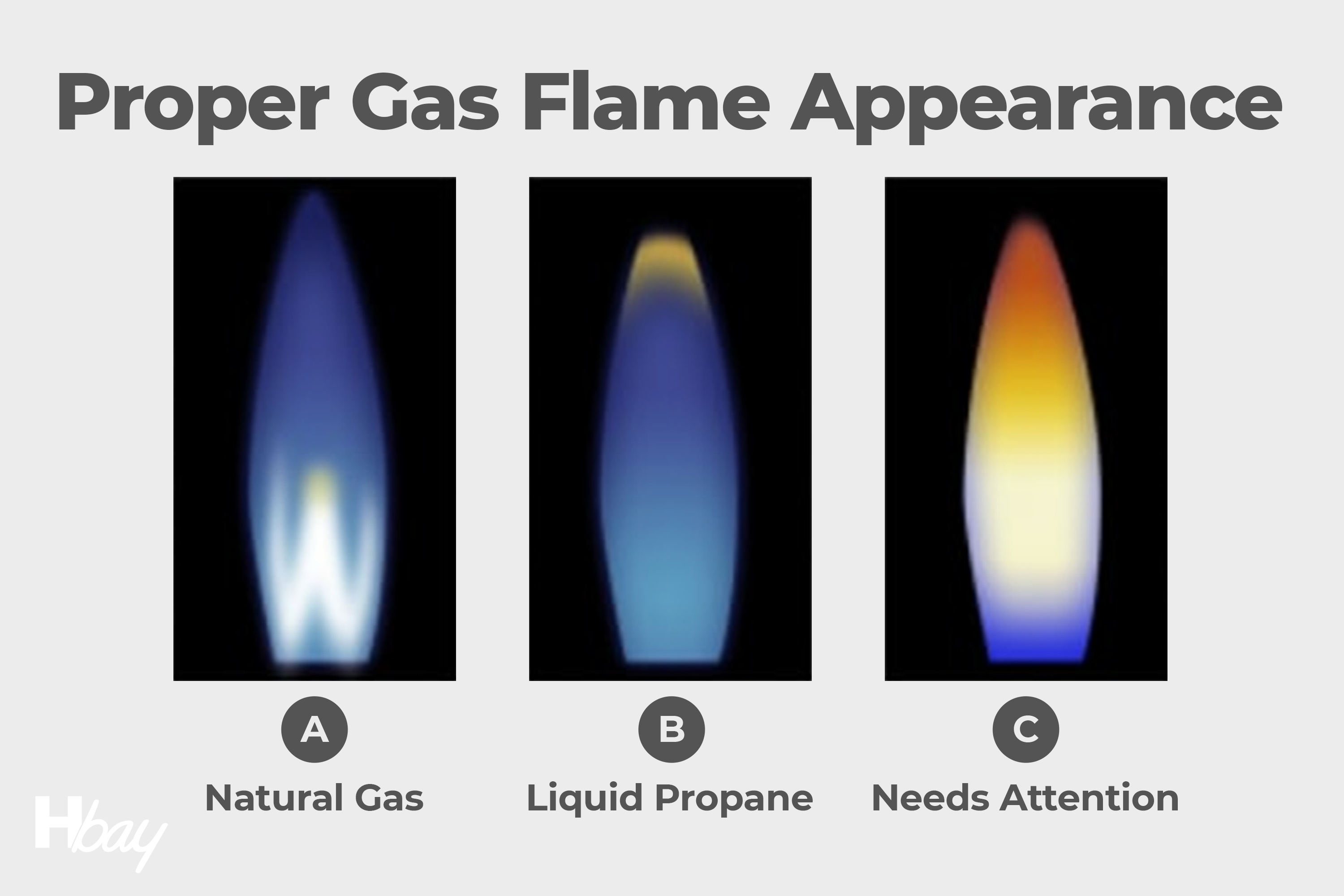
Why does my gas stove occasionally turn yellow? A yellow flame on a gas stove usually indicates a lack of oxygen reaching the burner ports or a buildup of debris. This is an indicator of inefficient combustion, which can lead to the production of carbon monoxide. It is a sign that the burner needs cleaning or professional adjustment.
Does flame color change based on the surrounding atmosphere? Yes. In a pure oxygen environment, flames burn significantly hotter and their color spectrum shifts compared to burning in standard atmospheric air (which is roughly 78% nitrogen and 21% oxygen). The nitrogen in the air acts as a heat sink, tempering the flame; removing it allows for much higher temperatures.
Next Steps for Thermal Observation
If you are assessing heat for an industrial or DIY project, do not rely on visual inspection alone. For high-temperature applications, utilize a calibrated infrared thermometer or a thermocouple to verify the exact thermal output. For gas-burning appliances, if you observe a persistent yellow tip in a system designed for blue combustion, clean the air intake and burner ports to restore efficiency and safety. If the condition persists, contact a licensed professional to inspect the fuel-air delivery system to prevent the accumulation of hazardous byproducts.
Image Gallery