Understanding Expediency: Definition, Synonyms, Dual Meanings, and Usage Rules
Expediency refers to the quality of being practical, advantageous, or convenient for achieving a specific end, often prioritizing immediate utility over long-term principle or moral considerations. Derived from the Latin expedire ("to...
Expediency refers to the quality of being practical, advantageous, or convenient for achieving a specific end, often prioritizing immediate utility over long-term principle or moral considerations. Derived from the Latin expedire ("to free the feet"), the term ranges in tone from neutral pragmatic efficiency to critical accusations of self-serving opportunism.
Contents
What Does Expediency Mean? Definition and Etymology
The noun expediency (also spelled expedience) describes the quality of being suitable, practical, or advantageous for achieving a specific outcome under immediate circumstances. In modern English, the word carries a dual nature: it can denote sensible pragmatic action in the face of constraints, or it can imply a willingness to sacrifice ethics, rules, or long-term ideals for short-term gain.
- Latin: expedire ("to free the feet / clear obstacles")
- Old French: expedient ("useful / fit")
- Middle English / Early Modern English: expediency
- Neutral/Positive: Practicality, Utility, Efficiency
- Critical/Pejorative: Moral Compromise, Opportunism
Etymologically, expediency traces back to the Latin verb expedire, formed from the prefix ex- ("out of") and pes (stem ped-, meaning "foot"). The literal meaning was to disentangle or free one's feet from a trap. Over centuries, this physical concept of removing obstacles evolved into a rhetorical concept: doing whatever clears the path to a goal.
Major English dictionaries define the term along two main lines:
- Merriam-Webster: "The quality or state of being suited to the end in view; adherence to prudent or politic procedures."
- Oxford English Dictionary: "The quality of being convenient and practical despite possibly being improper or immoral; suitability or appropriateness."
- Cambridge Dictionary: "The situation in which an action is necessary or useful, but not always fair, right, or acceptable."
Understanding which facet of the definition applies depends entirely on context. When a project manager adopts a temporary workaround to meet a deadline, expediency describes pragmatic problem-solving. When a politician abandons a stated value to secure votes, expediency describes moral compromise.
The Core Nuance: Utility vs. Moral Compromise
The defining challenge when using expediency is managing its connotative spectrum. Writers often misuse the word by applying it as a simple compliment for efficiency, unaware that readers may interpret it as a critique of character or ethics.
- CONNOTATIVE SPECTRUM OF EXPEDIENCY
- Positive / Neutral: Pragmatism & Efficiency (Solving urgent problems flexibly)
- Critical / Pejorative: Ethical Compromise & Opportunism (Sacrificing principles for short-term gain)
1. Neutral or Positive Context: Practical Pragmatism
In business, engineering, emergency management, and logistics, expediency reflects rational decision-making under resource or time constraints. Here, the focus is on utility and results.
- Example: "For reasons of operational expediency, the team deployed a software patch immediately rather than waiting for the next scheduled system update."
- Tone: Objective, analytical, practical.
2. Critical or Pejorative Context: Ethical Compromise
In political commentary, philosophy, ethics, and literary critique, expediency frequently carries a negative tone. It implies that an action was chosen because it was easy or self-serving, rather than right.
- Example: "The committee's decision was driven by political expediency rather than a genuine commitment to reform."
- Tone: Disapproving, skeptical, accusatory.
Key Synonyms of Expediency (Categorized by Tone)
Because expediency sits at the intersection of practical utility and ethical compromise, choosing the right synonym depends on whether you intend to praise efficiency, maintain neutrality, or criticize opportunism.
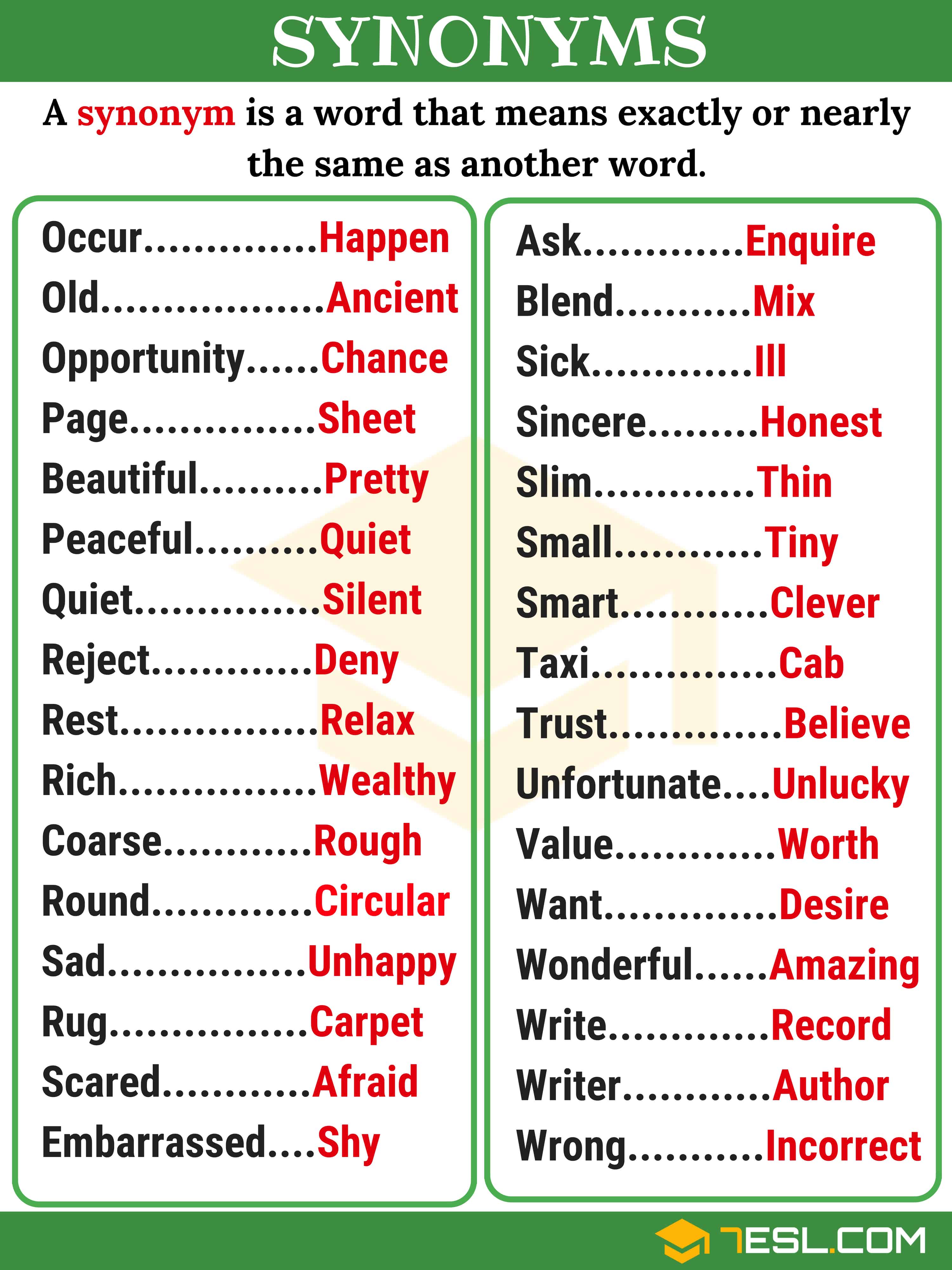
- EXPEDIENCY SYNONYMS
- Neutral / Positive
- Practicality (Focus on realistic action)
- Pragmatism (Focus on results over theory)
- Convenience (Focus on ease or comfort)
- Utility (Focus on functional value)
- Advisability (Focus on sensible decision-making)
- Critical / Pejorative
- Opportunism (Exploiting circumstances unethically)
- Self-interest (Prioritizing personal gain)
- Compromise (Surrendering core principles)
- Machiavellianism (Using ruthless calculated means)
- Neutral / Positive
Neutral to Positive Synonyms
Pragmatism
- Meaning: An approach that evaluates theories or beliefs solely by the success of their practical application.
- Nuance: Unlike expediency, pragmatism rarely carries an inherently negative moral judgment. It implies intellect and realism rather than selfishness.
- Best Used In: Corporate strategy, policy design, academic analysis.
- Example: "Her pragmatism allowed the company to survive the market downturn."
Practicality
- Meaning: The quality of being suitable for a particular purpose in real-world conditions.
- Nuance: Completely neutral. Focuses on physical, financial, or logistical feasibility without ethical judgment.
- Best Used In: Engineering, design, everyday problem-solving.
- Example: "We chose the material for its practicality and durability."
Utility
- Meaning: The state of being useful, profitable, or beneficial.
- Nuance: Highly objective and often used in economic or philosophical contexts (such as Utilitarianism).
- Best Used In: Economics, technical writing, formal arguments.
- Example: "The utility of the new transport network was immediate."
Advisability
- Meaning: The quality of being sensible, wise, or recommended under current conditions.
- Nuance: Focuses on prudent risk assessment rather than quick shortcuts.
- Best Used In: Legal advice, financial consulting, governance.
- Example: "The board questioned the advisability of expanding during a recession."
Critical to Pejorative Synonyms
Opportunism
- Meaning: The practice of taking advantage of circumstances for self-serving motives, regardless of principles or consequences to others.
- Nuance: Direct and accusing. While expediency can sometimes be neutral, opportunism is almost exclusively negative.
- Best Used In: Political journalism, moral philosophy, investigative reporting.
- Example: "The price increase was condemned as blatant corporate opportunism."
Self-Interest
- Meaning: Focus on one's own personal advantage or well-being, often to the exclusion of others.
- Nuance: Highlights motive rather than method.
- Best Used In: Ethics, political science, psychology.
- Example: "The treaty collapsed because each nation acted out of narrow self-interest."
Compromise (of Principles)
- Meaning: The acceptance of standards lower than are desirable or ethical.
- Nuance: Focuses on what was lost (integrity, standards) rather than what was gained (speed, convenience).
- Best Used In: Ethics, editorial writing, history.
- Example: "The decision represented a fatal compromise of their founding values."
Comprehensive Synonym Comparison Table
The table below contrasts expediency with its principal synonyms to help you select the exact word for your context:
| Word | Primary Connotation | Moral Implication | Key Focus | Recommended Context |
|---|---|---|---|---|
| Expediency | Dual (Neutral to Negative) | Context-dependent; often implies sacrificed values | Immediate advantage or convenience | Policy analysis, executive summaries, critique |
| Pragmatism | Positive / Neutral | Generally favorable; implies sensible realism | Effective practical results | Business strategy, leadership profiles |
| Practicality | Neutral | Completely neutral; non-moral | Feasibility and real-world application | Technical documentation, user guides |
| Utility | Neutral | Neutral / Economic | Functional value and effectiveness | Economics, data analysis, formal logic |
| Opportunism | Negative | Strong negative moral judgment | Exploiting situations for self-gain | Investigative journalism, political commentary |
| Advisability | Neutral / Positive | Prudent and cautious | Wise risk management | Legal counsel, financial risk reports |
| Convenience | Neutral | Minor negative potential (implies laziness) | Ease of effort or comfort | Customer experience, casual communications |
Expediency vs. Related Terms: Clearing Up Confusion
Several terms are frequently confused with expediency due to shared roots or overlapping contexts. Distinguishing between them prevents ambiguity in professional and technical writing.
- DISTINGUISHING RELATED TERMS
- Expediency (Convenience / advantage; may sacrifice principle)
- Expeditiousness (Pure speed and efficiency; no moral element)
- Pragmatism (Focus on working solutions; neutral tone)
- Opportunism (Selfish exploitation of situations; negative tone)
Expediency vs. Expeditiousness
- Expediency refers to suitability, convenience, or strategic advantage. It answers the question: "Is this action advantageous or convenient right now?"
- Expeditiousness (and its root, expedition) refers strictly to speed, promptness, and efficiency. It answers the question: "Is this action being completed quickly and smoothly?"
Correct: "The court acted with expeditiousness in issuing the injunction." (Speed)Correct: "The settlement was accepted out of commercial expediency to avoid prolonged litigation." (Strategic convenience)
Expediency vs. Pragmatism
While both concepts reject rigid adherence to abstract theory, their emphasis differs:
- Pragmatism seeks what works best based on evidence and practical reality. It is an intellectual orientation focused on constructive outcomes.
- Expediency seeks what is easiest or most advantageous right now. It often implies taking shortcuts or yielding to pressure.
Expediency vs. Opportunism
- Expediency can be a neutral description of choosing a practical path when circumstances demand it.
- Opportunism carries an explicit moral critique, asserting that the agent intentionally exploited a situation for selfish benefit at the expense of integrity or fairness.
Grammatical Forms and Antonyms
To use the word family correctly across formal documents, track the shift between grammatical categories:
- NOUN: Expediency (Expedience)
- ADJECTIVE: Expedient (Inexpedient)
- ADVERB: Expediently
- ANTONYM (NOUN): Inexpediency (Impracticality)
- Noun: Expediency (or expedience)
- Example: "The board emphasized the expediency of closing the deal quickly."
- Adjective: Expedient (Unfavorable opposite: inexpedient)
- Example: "It was politically expedient to sign the bill before the election."
- Example: "Launching the product without security testing would be highly inexpedient."
- Adverb: Expediently
- Example: "The crisis team resolved the access issue expediently."
- Direct Antonyms: Inexpediency, unsuitability, impracticality, principled stance, idealism, integrity.
Real-World Usage Across Professional Disciplines
1. Corporate Governance and Risk Management
In business, expediency often appears in audits, compliance documentation, and strategic reviews. It usually marks instances where standard processes were bypassed to meet operational targets.
- Model Sentence: "While bypassing the standard vendor clearance protocol achieved short-term operational expediency, it exposed the organization to unmitigated third-party compliance risks."
2. Legal and Regulatory Frameworks
In legal contexts, expediency refers to administrative efficiency or practical necessity, such as consolidating cases to prevent court backlogs.
- Model Sentence: "The judge ordered the consolidation of the claims for reasons of judicial expediency and cost containment."
3. Public Policy and Political Discourse
In political science and journalism, the term is predominantly critical. It highlights actions taken for immediate political survival or public relations gain rather than sound policy.
- Model Sentence: "Critics argued that the sudden tax cut was a measure of electoral expediency rather than a sustainable economic plan."
How to Choose the Right Word: A Decision Guide
When drafting business reports, legal briefs, or policy analyses, follow this logic flow to determine whether expediency or an alternative term best fits your intended tone and meaning:
- What is your main intent?
- Describe Speed/Promptness
- Use: EXPEDITIOUSNESS or PROMPTNESS
- Praise Practical Realism
- Use: PRAGMATISM or PRACTICALITY
- Highlight Shortcuts/Self-Interest
- Use: EXPEDIENCY or OPPORTUNISM
- Describe Speed/Promptness
If your goal is to praise fast, efficient execution without moral undertones:Choose: Expeditiousness, efficiency, or promptness.Avoid: Expediency (which may imply unprincipled shortcuts).
If your goal is to describe sensible, ground-level problem solving:Choose: Pragmatism, practicality, or advisability.Avoid: Opportunism or expediency if you want to remain strictly positive.
If your goal is to critique short-sighted, self-serving, or unprincipled decisions:Choose: Expediency, opportunism, or compromise.Note: Expediency provides a slightly more formal, analytical critique than the aggressive term opportunism.
If your goal is neutral administrative description:Choose: Procedural expediency or administrative convenience.Tip: Pair expediency with a clarifying adjective (e.g., procedural, operational, tactical) to anchor the meaning in a neutral domain.
Frequently Asked Questions
Is expediency always a negative word?
No. Expediency is not inherently negative. In technical, operational, and legal contexts, it neutrally describes practical actions taken to solve immediate problems. However, in political, ethical, and literary contexts, it frequently carries a pejorative connotation, implying that moral principles were sacrificed for quick advantage.
What is the difference between expediency and expediteness?
Expediency refers to practical advantage, suitability, or convenience (often involving a trade-off). Expeditiousness (or expediteness) refers purely to speed, promptness, and efficient execution. A process can be completed with expeditiousness without involving any moral or strategic expediency.
How do you use "political expediency" in a sentence?
"Political expediency" describes actions taken by public officials or candidate campaigns to gain a quick political advantage rather than to serve the public interest. For example: "The governor's reversal on the environmental policy was widely seen as an act of political expediency ahead of the upcoming election."
What is the opposite of expediency?
The direct linguistic antonym is inexpediency (unsuitability or inadvisability). In ethical and philosophical contexts, the true conceptual opposites are principle, integrity, idealism, and adherence to duty.
Are "expediency" and "expedience" interchangeable?
Yes. Expediency and expedience are variant spellings of the same noun with identical definitions. Expediency is far more common in modern American and British English.
Final Summary and Next Actions
Mastering the word expediency requires recognizing its position on the scale between practical problem-solving and ethical shortcutting. When drafting professional communications:
- Use expediency when analyzing strategic trade-offs, procedural bypasses, or political maneuvers where immediate convenience overrides long-term principles.
- Substitute pragmatism or practicality when you want to praise sensible execution without implying questionable ethics.
- Substitute expeditiousness when your sole focus is speed and prompt delivery.
Review your current documents, policy briefs, or editorial drafts to ensure that instances of expediency accurately reflect your intended tone and do not inadvertently accuse your team or organization of moral compromise.
Image Gallery