How to Evaluate Edges Hair Transplant Options
Evaluating edges hair transplant options requires identifying the root cause of edge loss, choosing between Follicular Unit Extraction (FUE) and Follicular Unit Transplantation (FUT), and selecting a surgeon experienced in low-angle mi...
Evaluating edges hair transplant options requires identifying the root cause of edge loss, choosing between Follicular Unit Extraction (FUE) and Follicular Unit Transplantation (FUT), and selecting a surgeon experienced in low-angle micro-grafting. Success depends on ruling out active scarring alopecia, preserving donor density, and ensuring single-hair grafts are positioned precisely at the front hairline.
Contents
Diagnostic Evaluation: Identifying the Cause of Edge Loss
Before considering surgical edge restoration, you must determine why the temporal edges and hairline receded. Hair transplantation restores missing hair follicles, but it does not stop ongoing inflammatory diseases or unaddressed mechanical strain. Operating on an unstable or actively inflamed scalp often leads to graft failure.
Medical evaluation by a board-certified dermatologist or a dedicated hair restoration surgeon is necessary to classify the hair loss into one of three primary categories:
Diagnostic Hair Loss Evaluation:
- Traction Alopecia: Good Candidate (If traction has stopped)
- Androgenetic Alopecia: Good Candidate (If loss is stabilized)
- Scarring Alopecia (CCCA / FFA): Surgical Warning (Requires biopsy & remission)
1. Traction Alopecia
Traction alopecia results from prolonged physical tension on the hair follicle, commonly caused by tight braids, weaves, ponytails, or locks. When tension is eliminated early, hair may regrow naturally. However, long-term tension causes permanent scarring and destruction of the follicle.
- Candidacy: Patients with stabilized traction alopecia are often ideal candidates for edge restoration, provided they have discontinued high-tension styling practices and possess healthy donor hair at the back of the scalp (the occipital zone).
2. Androgenetic Alopecia (Pattern Hair Loss)
In both men and women, genetic sensitivity to dihydrotestosterone (DHT) can cause hairline regression and thinning at the temporal peaks.
- Candidacy: Candidates must demonstrate a stable pattern of loss. Surgeons often recommend stabilizing active hair loss with FDA-approved non-surgical therapies—such as topical or oral minoxidil and finasteride or dutasteride—before surgically altering the frontal edges.
3. Scarring Alopecia (Cicatricial Alopecia)
Conditions such as Central Centrifugal Cicatricial Alopecia (CCCA) and Frontal Fibrosing Alopecia (FFA) involve immune-mediated inflammation that permanently destroys hair follicles and replaces them with scar tissue.
- Candidacy Caution: Performing a transplant during an active phase of scarring alopecia usually results in graft destruction. Patients suspecting cicatricial conditions require a scalp biopsy. Surgical interventions should only be evaluated after the inflammatory process has been clinically inactive for at least 12 to 24 months, as documented by a dermatologist.
Comparing Surgical Techniques for Edge Restoration
Restoring the temporal edges demands high precision because the hairline and temple points require soft, low-density transitions. The choice of surgical extraction method directly impacts recovery time, donor appearance, and graft survival rate.
Follicular Unit Extraction (FUE)
FUE involves harvesting individual follicular units (groups of 1 to 4 hairs) directly from the donor area using microscopic punches (typically 0.7 mm to 0.9 mm in diameter).
- Advantages for Edges: FUE leaves tiny, scattered micro-scars rather than a continuous linear scar. This allows patients to wear very short haircuts without visible linear scarring. FUE also allows the surgeon to select specific single-hair follicles required for a soft, natural front edge.
- Technological Variations: Manual FUE, motorized FUE, and robotic systems (such as ARTAS) are common. For tight, Afro-textured curl patterns often found in edge restoration, specialized oscillating or trumpet-shaped punches (such as the WAW punch or Trivellini system) are preferred to navigate the curved subcutaneous root structure without damaging (transecting) the follicle.
Follicular Unit Transplantation (FUT / Strip Surgery)
FUT involves surgically removing a horizontal strip of skin from the permanent donor zone at the back of the head. Technicians dissect the strip under microscopic visualization into individual follicular units.
- Advantages for Edges: FUT yields high graft survival rates because the protective tissue surrounding the follicle remains intact during microscopic dissection. It does not require shaving large areas of the donor site.
- Disadvantages for Edges: FUT leaves a linear scar along the donor region, which limits short hairstyles. While still viable, FUT is less commonly chosen for isolated edge touch-ups requiring small graft counts (500–1,200 grafts).
| Feature / Criteria | Follicular Unit Extraction (FUE) | Follicular Unit Transplantation (FUT) |
|---|---|---|
| Donor Scarring | Scattered, point-like micro-scars | Fine linear scar across the back of the head |
| Ideal Short Hair Styles | Suitable for fades and cropped cuts | Requires longer hair to conceal donor scar |
| Graft Selection Precision | High (can selectively pick single-hair units) | Moderate (depends on dissection of harvested strip) |
| Afro-Textured Hair Complexity | High (requires specialized punches to prevent transection) | Low to Moderate (microscopic dissection limits root damage) |
| Recovery Time (Donor Area) | 3 to 7 days | 10 to 14 days (stitch/staple removal required) |
| Typical Edge Yield | Ideal for small-to-moderate graft counts (500–1,500) | More economical for massive restoration (2,500+) |
Edge-Specific Surgical Artistry and Technical Design
Evaluating a surgeon’s technical execution is critical when assessing edge transplant options. The hairline and temporal edges are the most visual areas of the scalp. Unlike the crown or mid-scalp, where density is the primary goal, edge restoration relies on subtle natural angles and softness.
Natural Edge Gradient Design:
- Outermost Zone (0.5 cm - 1.0 cm)
- Single-Hair Follicles
- 10-15° Angle
- Soft Feathering
- Transition Zone (1.0 cm mark)
- 2-Hair Units
- Moderate Density
- Sharper Direction
- Core Density Zone (Behind Edge)
- 3- to 4-Hair Grafts
- Full Density
- Standard Angle
Micro-Angulation and Direction
Natural hair along the temporal edges grows flat against the skin, often pointing forward and downward at an acute angle of 10 to 15 degrees.
- Technical Execution: If recipient site incisions are created at an upright angle (e.g., 45 degrees), the transplanted hair will grow outward like a brush, making styling impossible and creating an unnatural appearance.
- Evaluation Check: Ask the surgeon to explain their recipient channel creation process and request close-up photographs showing the exit angles of past edge transplants.
Single-Hair Feathering Zone
A natural hairline never starts with thick, multi-hair follicles.
- Technical Execution: The outermost 0.5 to 1.0 centimeter of the edge must consist entirely of single-hair follicular units placed irregularly in a micro-zigzag layout (feathering).
- Evaluation Check: Multi-hair grafts (2, 3, or 4 hairs) placed directly on the front line create a harsh, unnatural edge. Confirm that the surgical team manually isolates single-hair grafts under magnification for front-row placement.
Texture and Curl Matching
For individuals with Afro-textured or wavy hair, the spatial orientation of the curved follicle beneath the skin must match the natural directional flow of the surrounding temporal hair. The surgeon must align each graft to match the natural curl pattern of the temporal points.
How to Evaluate Surgeon Credentials and Portfolios
Hair restoration is not regulated under a single universal surgical specialty. Doctors from backgrounds including general surgery, dermatology, plastic surgery, and general practice perform hair transplants. Evaluating practitioner qualifications requires systematic verification.
Professional Affiliations and Board Certifications
Look for credentials from recognized international medical associations:
- ABHRS (American Board of Hair Restoration Surgery): The only certification devoted exclusively to hair restoration surgery, requiring rigorous written and oral examinations.
- ISHRS (International Society of Hair Restoration Surgery): A global non-profit medical association. Membership indicates active engagement in the field, though patients should look for Fellow status (FISHRS) for advanced experience.
Portfolio Review Standards
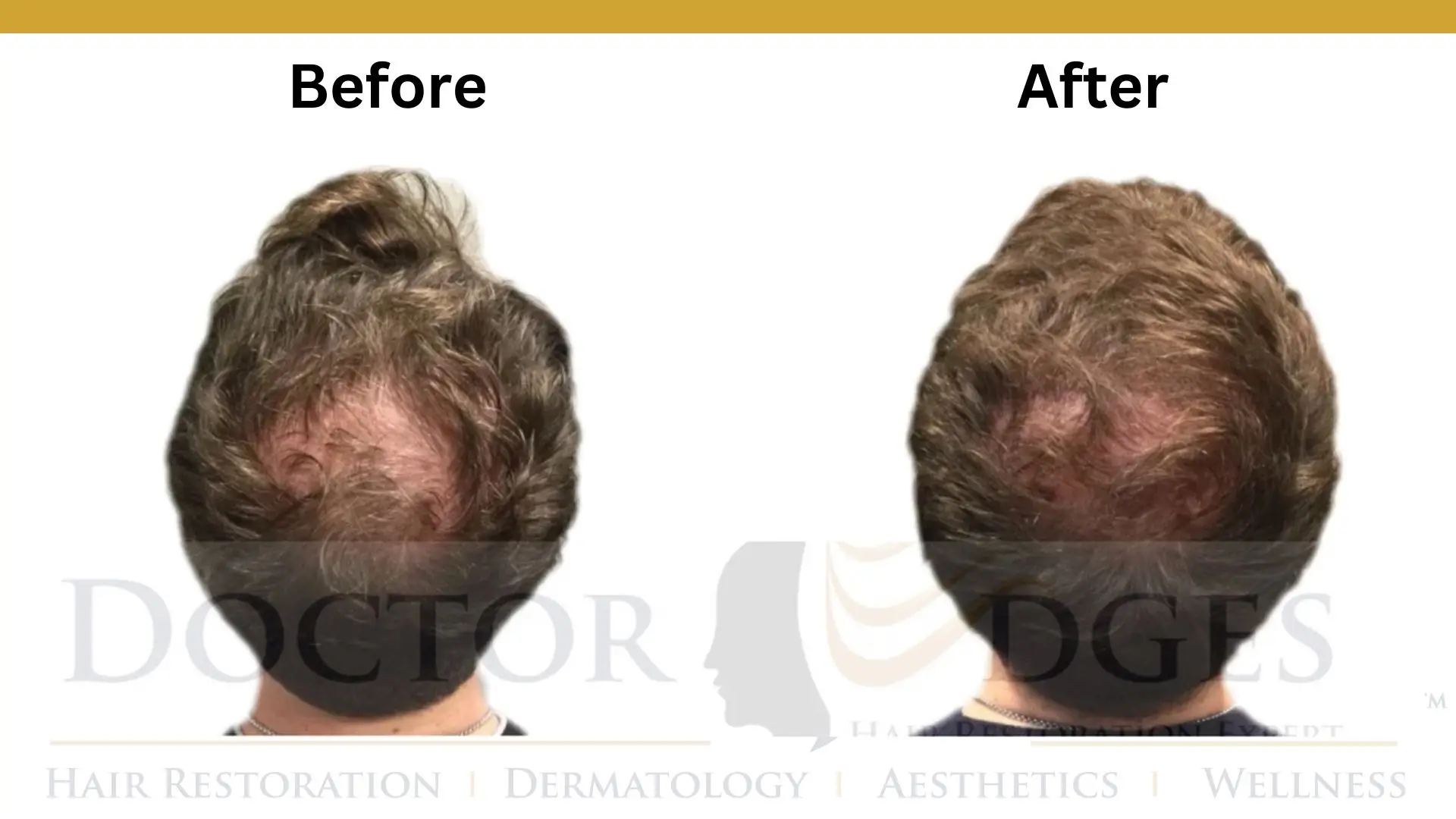
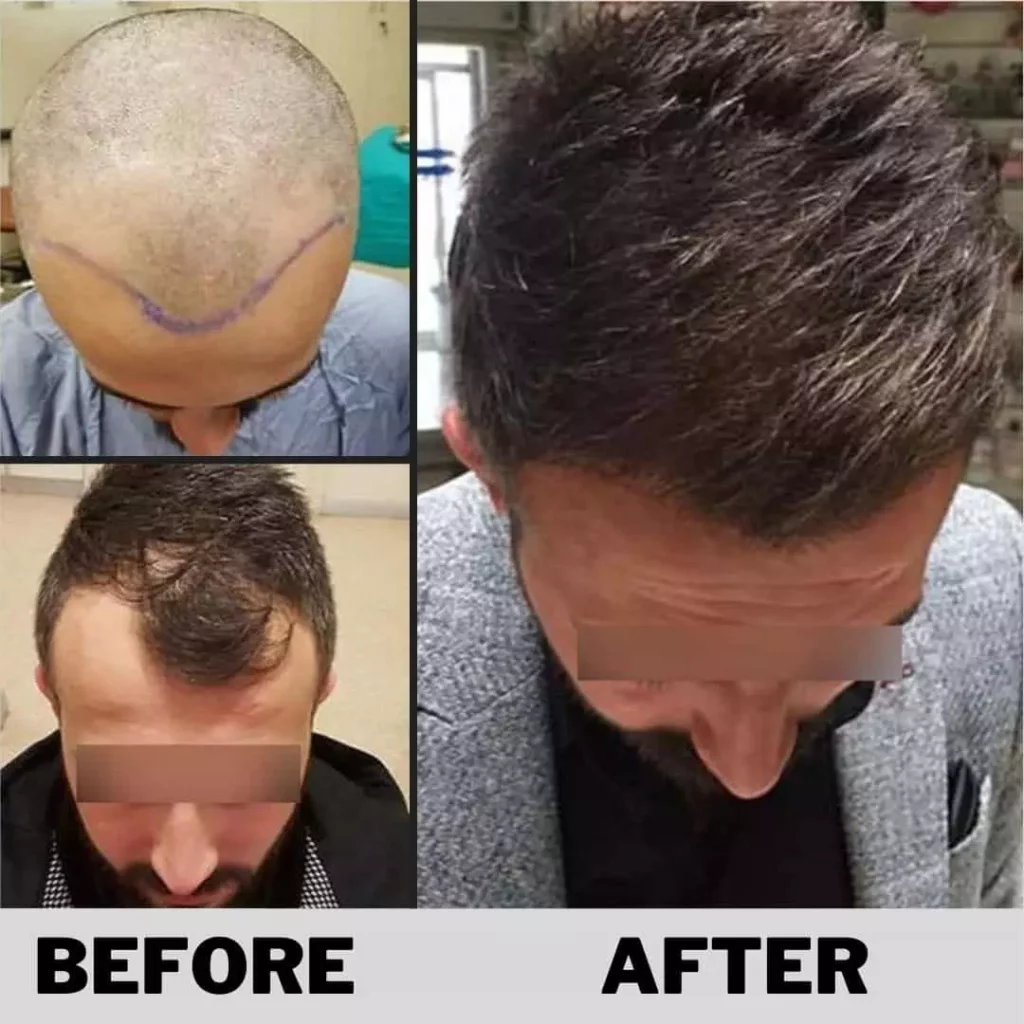
Reviewing clear, high-resolution before-and-after photographs is essential. Request case studies that meet the following parameters:
- Hair Texture Match: Review results from patients with your exact hair type (straight, wavy, curly, or coily).
- Lighting and Angles: Ensure photographs feature consistent lighting, clear macro focus, and wet/dry hair views without hair fibers, concealer makeup, or restrictive headbands.
- Macro Edge Shots: Ask for close-ups of the frontal edge taken 9 to 12 months post-procedure to verify that individual graft angles lie flat and blend with original hair.
Cost Structures and Graft Requirements
Edge transplants generally require lower overall graft counts than full-scalp restorations, but they carry a higher fee per graft due to the meticulous detail needed for delicate temporal design.
Typical Graft Count Guidelines
- Minor Temporal Touch-Up: 300 to 600 grafts total.
- Moderate Edge & Temple Point Reconstruction: 600 to 1,200 grafts total.
- Advanced Hairline & Edge Recess Restoration: 1,200 to 1,800+ grafts total.
Pricing Models
Surgeons charge either a flat rate per procedure or a fee per graft:
- Per-Graft Pricing: In the United States, Canada, and Western Europe, prices range from $4.00 to $10.00+ per graft for FUE. Highly specialized Afro-textured FUE for edges may command higher pricing due to longer procedure times.
- Flat-Fee Pricing: Some clinics charge a session rate (e.g., $4,000 to $8,000) for edge restoration up to a specified graft limit.
Note: Be cautious with clinics that charge unusually low prices (e.g., under $2.50 per graft in high-cost regions), as these operations often rely on unlicensed technicians to perform key surgical steps like extraction and channel creation.
Risks, Complications, and Red Flags
Evaluating your options involves understanding potential complications and recognizing clinical warning signs.
Evaluation Red Flags:
- High Graft Transection Rates: Causes permanent donor loss
- Operating on Active CCCA/FFA: Results in complete graft loss
- Technicians Performing Cuts: Violates medical safety standards
- High Insertion Angles (>30°): Creates unnatural, unstylable hair
Surgical Risks
- Transection Rate: When harvesting curved or fragile follicles, poor punch placement can slice through the hair root (transection), rendering the graft non-viable. A transection rate below 5% to 8% is ideal; rates above 15% indicate sub-standard technique.
- Shock Loss: Existing natural hair adjacent to the transplant site may shed temporarily due to surgical trauma. While usually temporary, permanent shock loss can occur if recipient incisions are placed too close to healthy non-miniaturized hair.
- Pitting and Cobblestones: If recipient holes are cut too deep or grafts are inserted improperly, the surrounding tissue can heal with tiny depressions (pitting) or raised bumps (cobblestones).
Red Flags During Consultation
- Failure to Use a Dermatoscope: A thorough examination requires high-magnification trichoscopy to check for scalp inflammation, scarring, and hair shaft miniaturization.
- Guaranteed 100% Survival Rates: No legitimate surgeon guarantees total graft survival; typical healthy graft yield ranges from 85% to 95%.
- Unlicensed Personnel Performing Incisions: In many jurisdictions, laws mandate that only licensed medical doctors (or qualified mid-level providers where permitted) may cut skin to create recipient channels or extract donor tissue. Ensure the surgeon performs these critical steps personally.
Step-by-Step Evaluation Checklist
Use this structured decision framework when evaluating clinics for edge restoration:
- Dermatological Assessment:
- Confirm your scalp shows no clinical signs of active lichen planopilaris, CCCA, or FFA.
- Verify hair loss stability over a minimum period of 6 to 12 months.
- Surgical Method Selection:
- Select FUE if you prefer short haircuts and require precise graft extraction.
- Confirm the clinic uses extraction punches adapted to your hair texture (e.g., manual or oscillating punches for tight curls).
- Surgeon Credential Audit:
- Check for ABHRS certification or ISHRS membership.
- Verify primary surgeon experience with isolated temporal hairline design.
- Portfolio Review:
- Inspect high-resolution before-and-after photos of patients with similar donor characteristics and edge recession patterns.
- Examine close-up photo angles to confirm micro-angulation under 15 degrees.
- Financial and Logistics Verification:
- Request a written breakdown detailing graft count estimates, per-graft fees, post-operative care inclusions, and revision policies.
Frequently Asked Questions
How long does it take to see full results after an edge hair transplant?
Transplanted hairs typically shed within 2 to 4 weeks post-surgery (a normal process called telogen effluvium). New hair growth begins around month 3 to 4. Visible cosmetic improvements usually appear by month 6, with final density and texture maturation achieved between 12 and 15 months.
Can an edge hair transplant fix traction alopecia permanently?
Yes, provided the mechanical tension that caused the hair loss has been eliminated. If high-tension hairstyles (such as tight braids or heavy extensions) are resumed after the transplant, the newly transplanted follicles can also be permanently damaged and lost.
Is an edge transplant more painful than a standard hairline transplant?
The procedural discomfort is comparable. Local anesthesia (such as lidocaine with epinephrine) numbs both the donor and temporal recipient areas completely during the procedure. Post-operative discomfort along the edges is typically mild and manageable with over-the-counter or mild prescription pain medication for 24 to 48 hours.
How many grafts are usually required to rebuild temporal edges?
Most isolated temporal edge restorations require between 500 and 1,200 total grafts. The exact number depends on the depth of the recession, desired hairline height, donor hair thickness, and whether the temple points need reconstruction alongside the frontal hairline.
Recommended Next Steps
Schedule an in-person or high-resolution video consultation with a qualified hair restoration surgeon or board-certified dermatologist specializing in hair disorders. Ask for a trichoscopic scalp examination to confirm that your donor area is stable and that no underlying inflammatory conditions exist. Request to see macro before-and-after photographs of edge restorations performed on patients with your hair texture before committing to a surgical date.
EDITORIAL CATEGORY METADATA:
Image Gallery