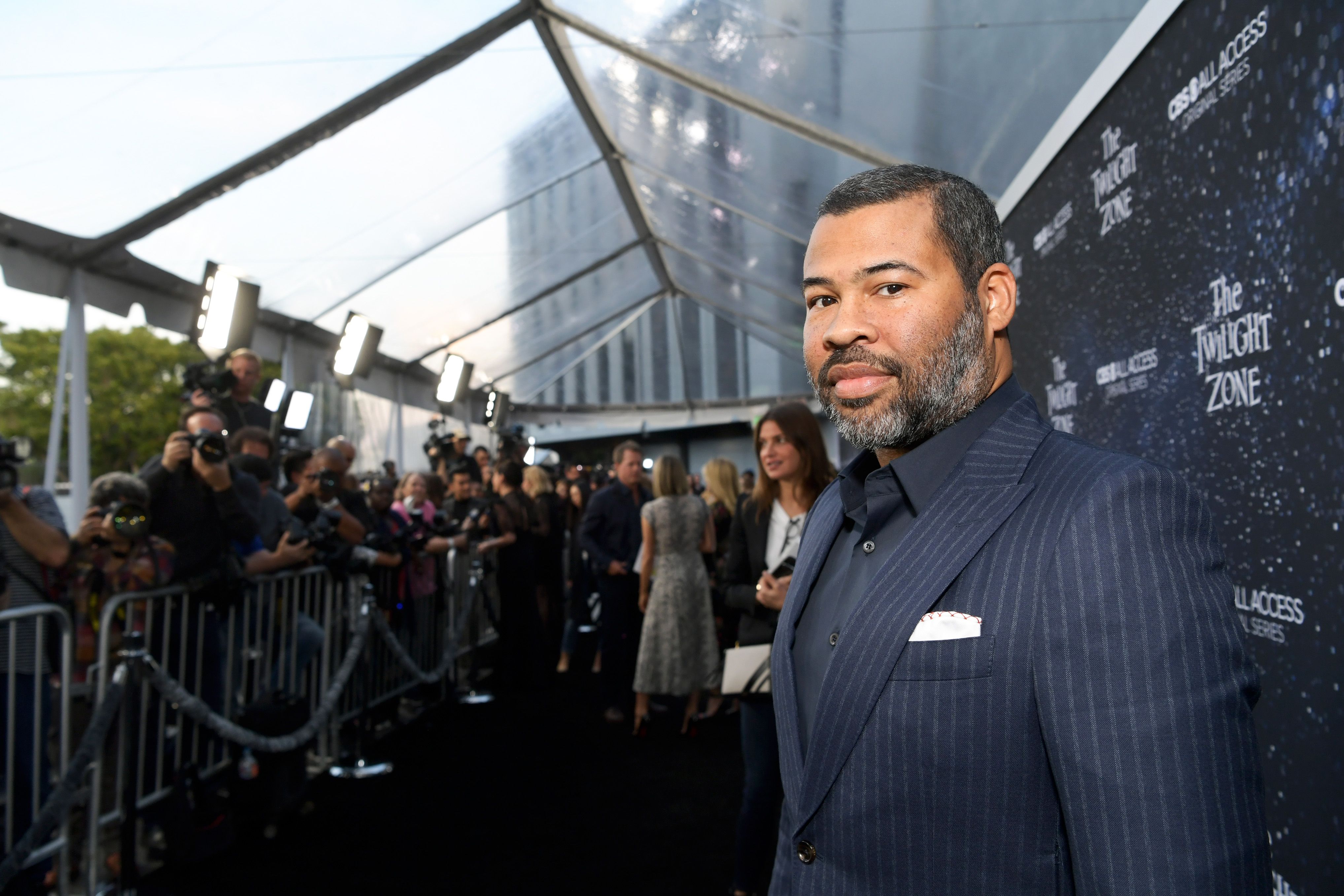
Jordan Peele’s Twilight Zone Episodes: Unpacking His Role in the Paramount+ Reboot
While Jordan Peele served as the charismatic host and executive producer of the 2019–2020 The Twilight Zone reboot, his direct writing contributions were limited to a small slice of the overall series. The 20-episode anthology was driv...
While Jordan Peele served as the charismatic host and executive producer of the 2019–2020 The Twilight Zone reboot, his direct writing contributions were limited to a small slice of the overall series. The 20-episode anthology was driven by showrunners Simon Kinberg and Marco Ramirez, alongside a wide roster of independent directors and teleplay writers.
Contents
The Distinction Between Host, Producer, and Lead Author
When CBS All Access (now Paramount+) announced the revival of The Twilight Zone in 2017, public expectation immediately centered on Jordan Peele. Coming off the critical and commercial success of his directorial debut Get Out (2017), Peele had established himself as a premier voice in modern social horror and speculative thriller storytelling. However, understanding Peele’s actual footprint on the reboot requires distinguishing between on-screen hosting, executive production, and hands-on writing or directing.
In Rod Serling’s original 1959–1964 series, Serling was not only the host and narrator but also the main creative engine, writing or co-writing 92 of the original 156 episodes. By contrast, modern television production often distributes these responsibilities across specialized teams. For the 2019 reboot, Peele stepped into the iconic host role—wearing Serling’s tailored suit and delivering moral epilogues—while his production company, Monkeypaw Productions, co-produced the series alongside Simon Kinberg’s Genre Films and CBS Television Studios.
Peele’s high-profile presence in promotional trailers led many casual viewers to assume he wrote and directed every episode. In reality, Kinberg and Marco Ramirez served as showrunners for the initial season, overseeing day-to-day operations, script development, and physical production, while Glen Morgan took on significant showrunning duties for the second season. Peele’s direct, credited writing contributions were confined to specific story concepts, while the rest of the series showcased diverse voices across horror, science fiction, and dramatic television.
Analyzing Creative Credits Across the Two Seasons
Across its two-season run, The Twilight Zone produced 20 episodes. Season 1 debuted in April 2019, followed by Season 2 in June 2020. Throughout this run, Jordan Peele did not direct a single episode, focusing his direct creative efforts behind the camera primarily on story development for select scripts while fulfilling his host duties.
- Total Episodes: 20
- Season 1 (2019): 10 Episodes
- Season 2 (2020): 10 Episodes
Season 1: Reimagining Classics and Establishing Tone
The series opened with a mix of updated remakes and original high-concept stories. Peele’s most prominent direct writing contribution arrived in the second episode, "Nightmare at 30,000 Feet." Peele shared a "story by" credit with Marco Ramirez and Glen Morgan, modernizing Richard Matheson’s classic 1963 tale "Nightmare at 20,000 Feet." Instead of seeing a gremlin on an airplane wing, the 2019 version stars Adam Scott as a traumatized investigative journalist who discovers an in-flight podcast predicting the exact timeline of his plane's impending disappearance.
Other Season 1 episodes were penned and directed by established genre talents without direct writing input from Peele:
- "The Comedian": Written by Alex Rubens and directed by Owen Harris, exploring the dark cost of stand-up success.
- "Replay": Written by Selwyn Seyfu Hinds and directed by Gerard McMurray, focusing on a mother using a magic camcorder to protect her son from systemic racial violence.
- "Blurryman": The Season 1 finale, written by Alex Rubens and directed by Simon Kinberg, meta-textually broke the fourth wall by incorporating Peele playing himself on set.
Season 2: Expanding Creative Autonomy
For the second season, released as a binge drop on CBS All Access in June 2020, the creative team pivoted almost entirely to original concepts rather than remaking classic Serling episodes. Peele continued his role as narrator and executive producer, but the writing slate relied heavily on guest scriptwriters and directors:
- "Downtime": Written by Jordan Peele, starring Morena Baccarin in a story exploring identity, virtual reality, and consciousness during a system update.
- "Meet in the Middle": Written by Emily C. Chang and Sara Amini, starring Jimmi Simpson in a telepathic psychological thriller.
- "Try, Try": Written by Alex Rubens and directed by Jennifer McGowan, addressing obsession and time loops.
- "You Might Also Like": Written and directed by synth-pop musician and filmmaker Director X (and co-written by Heather Anne Campbell), serving as a loose thematic sequel to the classic original series episode "To Serve Man."
Episode Breakdown: Creative Leadership and Peele's Involvement
To visualize how responsibility was distributed throughout the reboot, the table below outlines key episodes, their primary writers and directors, and the extent of Jordan Peele's involvement beyond his standard opening and closing narrations.
| Season & Episode | Episode Title | Primary Teleplay Writer(s) | Director | Jordan Peele's Role | Primary Thematic Focus |
|---|---|---|---|---|---|
| S1, Ep 1 | "The Comedian" | Alex Rubens | Owen Harris | Executive Producer / Host | Moral compromise for fame |
| S1, Ep 2 | "Nightmare at 30,000 Feet" | Marco Ramirez (Teleplay) | Greg Yaitanes | Story Co-Credit / EP / Host | Paranoia, fate, and deterministic anxiety |
| S1, Ep 3 | "Replay" | Selwyn Seyfu Hinds | Gerard McMurray | Executive Producer / Host | Time manipulation and racial injustice |
| S1, Ep 4 | "A Traveler" | Glen Morgan | Ana Lily Amirpour | Executive Producer / Host | Social division and alien manipulation |
| S1, Ep 10 | "Blurryman" | Alex Rubens | Simon Kinberg | EP / Host / Cameo (as Himself) | Meta-commentary on horror storytelling |
| S2, Ep 1 | "Downtime" | Jordan Peele | Ana Lily Amirpour | Writer / Executive Producer / Host | Avatar identity and virtual existentialism |
| S2, Ep 3 | "Gunslinger" | Heather Anne Campbell | Mathias Herndl | Executive Producer / Host | Small-town secrets and subconscious mind-swapping |
| S2, Ep 8 | "A Small Town" | Steven Barnes & Tananarive Due | Alonso Alvarez-Barreda | Executive Producer / Host | God-complex power over a miniature model |
| S2, Ep 10 | "You Might Also Like" | Heather Anne Campbell | Heather Anne Campbell | Executive Producer / Host | Consumerism and alien abduction |
Why Public Perception Framed Peele as the Sole Creator
The widespread belief that Jordan Peele personally authored the entire reboot stems from modern media marketing strategies and historical precedence.
Audience Expectation Strategy:
- Rod Serling's Historical Legacy: Link Host to Lead Author
- Jordan Peele Brand Equity (Get Out/Us): Center Marketing on Host
- Public Perception: "Peele Created All Episodes"
The Impact of Brand Marketing
Following Get Out (2017) and Us (2019), Jordan Peele was one of the most recognizable names in speculative cinema. CBS All Access explicitly leveraged his name to draw subscribers to their fledgling streaming platform. Marketing campaigns, posters, and trailers prominently featured the phrase "Jordan Peele’s The Twilight Zone" or centered heavily on his narration scenes. For casual viewers accustomed to auteur-driven anthologies, this branding implied that Peele wrote and directed the episodes in the same manner he executed his feature films.
The Shadow of Rod Serling
The original Twilight Zone established a permanent link between the host's face and the show's writerly voice. Because Rod Serling wrote over 60% of the original scripts, audiences historically equated the narrator of The Twilight Zone with its chief author. When Peele assumed Serling's role—standing on set in a suit, holding a cigarette or stepping out of shadows—it naturally triggered the same association, even though modern streaming television relies on broader writers' rooms.
Shared Social Horror Themes
Peele's feature films popularized a style of horror grounded in contemporary social critiques, microaggressions, and structural anxiety. Because the 2019 reboot's writers' room prioritized similar themes—such as systemic prejudice in "Replay" or police surveillance and paranoia in "Point of Origin"—viewers naturally attributed these stylistic elements directly to Peele's influence, regardless of who penned the script.
Critical Reception and Cancellation
The 2019–2020 reboot arrived during a resurgence of sci-fi and horror anthology television, competing directly with shows like Netflix’s Black Mirror. While the series generated initial curiosity, its overall critical and audience reception was mixed.
Balancing Moral Lessons with Modern Suspense
Critics frequently noted that while Rod Serling’s original 1950s allegories felt revolutionary for their time, modern audiences required more nuance. Some reviewers argued that Season 1 episodes suffered from extended runtimes—stretching 30-minute concepts into 50-to-60-minute streams—which diluted suspense.
Season 2 addressed several of these pacing critiques by tightening episode lengths and encouraging weirder, more varied sci-fi concepts, such as Justin Benson and Aaron Moorhead’s episode "8." However, the series struggled to build sustained cultural momentum in a crowded streaming ecosystem.
Official Conclusion in 2021
In February 2021, CBS All Access and Paramount+ announced that The Twilight Zone would not return for a third season. Official statements from production partners Paramount+, Monkeypaw Productions, and Genre Films framed the decision as a planned two-season limited commitment. Executives expressed pride in completing 20 modern parables, bringing the third major television revival of Serling's original format to a formal close.
How to Approach Watching the 2019–2020 Series Today
For viewers looking to explore the reboot, understanding Peele's actual level of involvement helps set appropriate expectations. Rather than viewing the series as a continuous block of Jordan Peele films, it is best approached as a curated showcase of diverse contemporary sci-fi talent guided by Monkeypaw Productions' thematic umbrella.
Recommended Viewing Paths
- If you want Jordan Peele's direct writing contributions: Start with Season 1, Episode 2 ("Nightmare at 30,000 Feet") and Season 2, Episode 1 ("Downtime").
- If you want stand-out original social thriller episodes: Watch Season 1, Episode 3 ("Replay") and Season 2, Episode 8 ("A Small Town").
- If you enjoy meta-television and homage: Watch Season 1, Episode 10 ("Blurryman") and Season 2, Episode 10 ("You Might Also Like").
The complete 20-episode run remains available for digital purchase on major Video-On-Demand (VOD) platforms and physical media (Blu-ray/DVD), with streaming availability accessible through Paramount+ catalog archives depending on regional licensing.
Frequently Asked Questions
Did Jordan Peele direct any episodes of The Twilight Zone reboot?
No. Jordan Peele did not direct any of the 20 episodes in the 2019–2020 series. Directors for the show included prominent filmmakers such as Ana Lily Amirpour, Greg Yaitanes, Owen Harris, and Justin Benson & Aaron Moorhead. Peele worked exclusively as executive producer, on-screen host, and co-writer/story contributor on select episodes.
How many total episodes are in the 2019 reboot?
The series consists of exactly 20 episodes split evenly across two seasons. Season 1 aired 10 episodes starting in April 2019, and Season 2 released 10 episodes simultaneously in June 2020.
Which episodes did Jordan Peele actually write?
Jordan Peele holds writing credits on two specific episodes:
- "Nightmare at 30,000 Feet" (Season 1, Episode 2) – Shared "Story by" credit with Marco Ramirez and Glen Morgan.
- "Downtime" (Season 2, Episode 1) – Solo teleplay writing credit.
Why was The Twilight Zone (2019) canceled after two seasons?
Paramount+ and the production companies officially announced in February 2021 that the series was concluding after two seasons. Producers indicated that the reboot was envisioned as a finite, 20-episode re-imagining rather than an open-ended multi-year series.
How does this reboot fit into the history of The Twilight Zone revivals?
The 2019–2020 show is the third official television revival of Rod Serling's original 1959 series. Previous revivals aired in 1985–1989 (CBS) and 2002–2003 (UPN, hosted by Forest Whitaker), alongside a 1983 feature film. Each revival attempted to update Serling's speculative moral framing for its respective decade.
Recommended Next Steps
To evaluate the series effectively, view the original 1963 episode "Nightmare at 20,000 Feet" alongside the 2019 version "Nightmare at 30,000 Feet." Comparing these two entries highlights how modern television scripts alter pacing, tech anxiety, and character motivations while retaining the central psychological horror framework established by Rod Serling and Richard Matheson.
Image Gallery