What Mesenchymal Stem Cells Injection Means for Therapy
Mesenchymal stem cell (MSC) injections represent a transformative approach in regenerative medicine, moving treatment beyond symptom management toward active tissue repair and immune system modulation. By delivering multipotent cells c...
Mesenchymal stem cell (MSC) injections represent a transformative approach in regenerative medicine, moving treatment beyond symptom management toward active tissue repair and immune system modulation. By delivering multipotent cells capable of secreting therapeutic growth factors, reducing chronic inflammation, and promoting local tissue healing, MSC injections offer novel therapeutic pathways for complex musculoskeletal, autoimmune, and degenerative conditions.
Contents
Biological Fundamentals: How Mesenchymal Stem Cell Injections Work
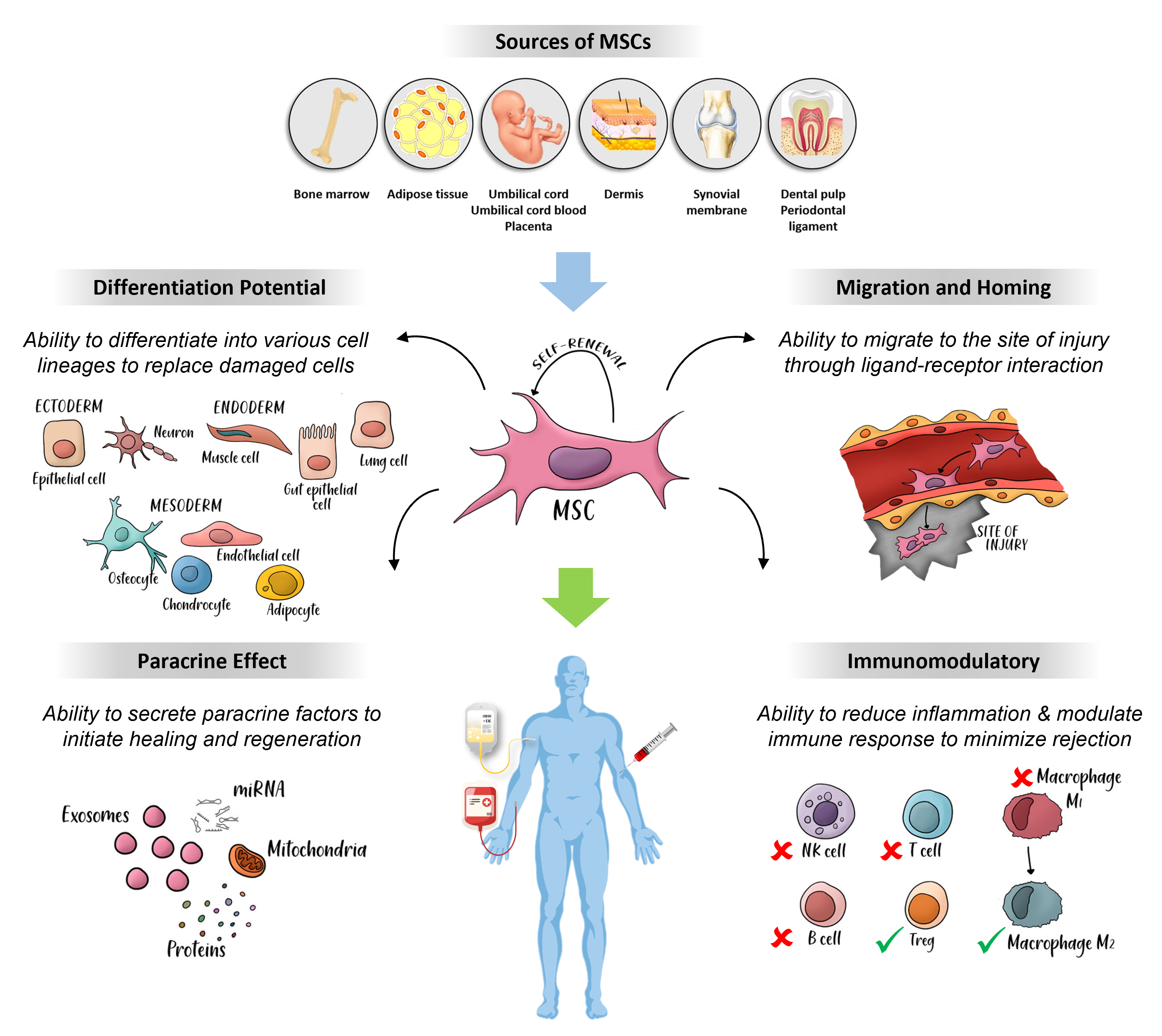
Mesenchymal stem cells (MSCs) are adult, multipotent stromal cells capable of differentiating into various cell lineages, including chondrocytes (cartilage cells), osteoblasts (bone cells), and adipocytes (fat cells). Originally identified in bone marrow, MSCs are also isolated from various post-natal tissues such as adipose (fat) tissue, umbilical cord tissue (specifically Wharton's jelly), peripheral blood, and dental pulp.
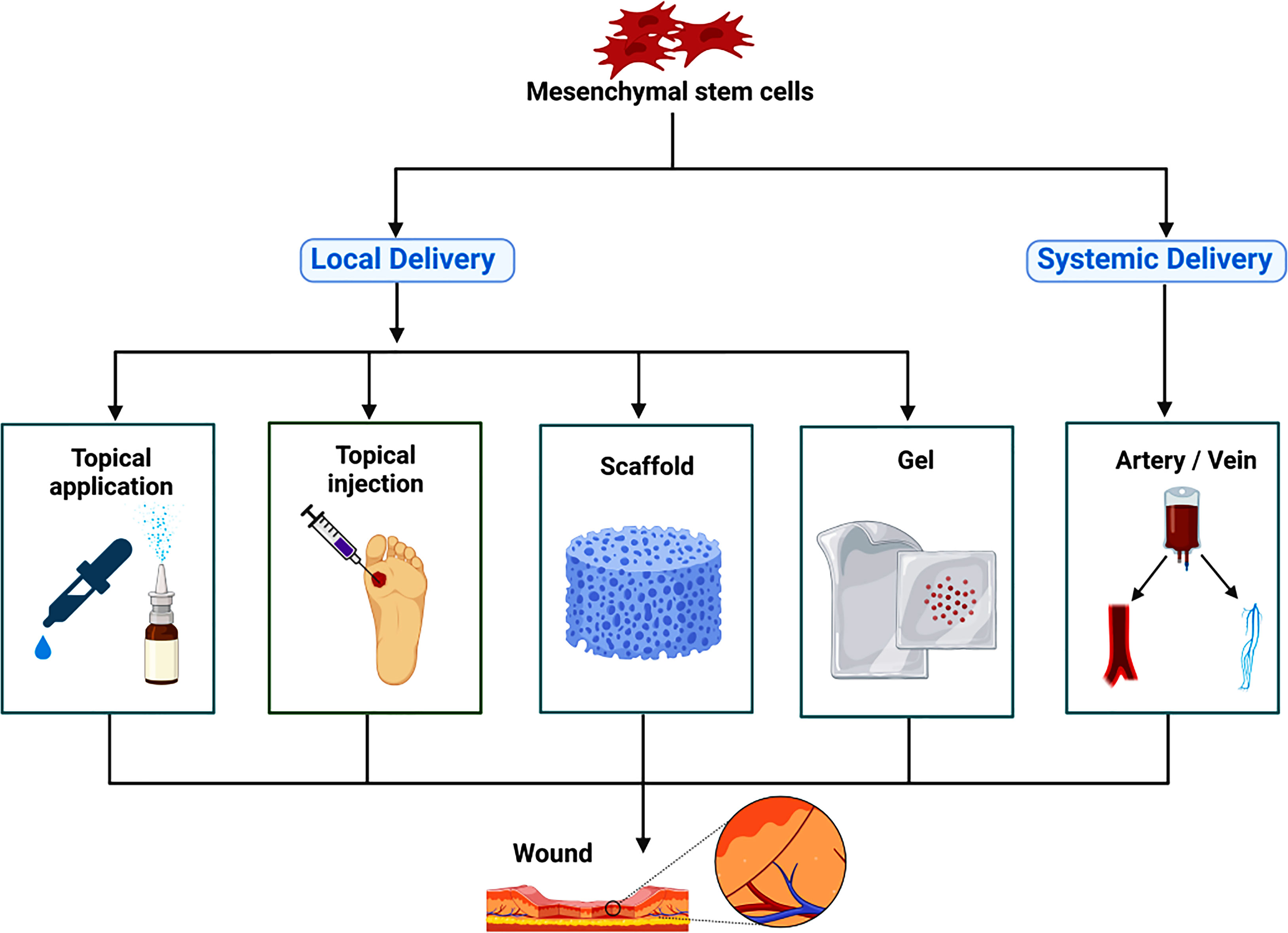
Unlike embryonic stem cells, MSCs do not form teratomas and do not raise the same ethical concerns, making them a primary focus of cell-based clinical research. When administered via localized injection or intravenous infusion, MSCs do not merely act as cellular replacement blocks; rather, they serve as biological regulatory hubs.
- Mesenchymal Stem Cell (MSC)
- Paracrine Signaling
- Secretion of Growth Factors (VEGF, TGF-β)
- Exosome Release (miRNA, signaling proteins)
- Immunomodulation (M1 to M2 Macrophages)
- Direct Cell Action
- Multipotent Differentiation
- Cell-to-Cell Contact Modulation
- Structural Matrix Support
- Paracrine Signaling
Key Mechanisms of Action
The therapeutic value of an MSC injection relies on three primary mechanisms:
- Paracrine Signaling and Trophic Factor Secretion: MSCs respond to injury signals (such as pro-inflammatory cytokines) by secreting bioactive molecules. These include vascular endothelial growth factor (VEGF), transforming growth factor-beta (TGF-β), and hepatocyte growth factor (HGF). These factors stimulate local angiogenesis (new blood vessel formation), inhibit apoptosis (programmed cell death), and encourage native stem cells to repair damaged tissue.
- Immunomodulation: MSCs exert profound effects on both innate and adaptive immune cells. They suppress the proliferation of pro-inflammatory T-lymphocytes and natural killer (NK) cells while inducing regulatory T-cells ($T_{reg}$). Furthermore, MSCs promote the polarization of macrophages from a pro-inflammatory (M1) state to an anti-inflammatory, tissue-repair (M2) state.
- Extracellular Vesicle (Exosome) Release: Much of the therapeutic action of MSCs is mediated through exosomes—nano-sized membrane vesicles packed with microRNAs, messenger RNAs, and functional proteins. These vesicles fuse with target cells, transferring genetic instructions that downregulate inflammatory pathways and reactivate cellular repair.
Current Clinical Applications in Therapy
The clinical translation of MSC injections spans multiple medical specialties. While research continues to evaluate long-term efficacy, several primary clinical indications have emerged as major focal points.
Orthopedics and Musculoskeletal Medicine
Orthopedics represents one of the most widely studied fields for MSC injections. Conditions such as knee osteoarthritis, tendonitis, focal cartilage defects, and non-union bone fractures frequently cause chronic pain due to limited native tissue self-repair mechanisms.
- Osteoarthritis: Intra-articular injection of MSCs directly into the joint space aims to reduce synovial inflammation, protect existing chondrocytes from enzymatic degradation, and stimulate cartilage extracellular matrix synthesis. Clinical trials demonstrate consistent reductions in pain scores (Visual Analog Scale) and improvements in joint mobility.
- Tendon and Ligament Repair: Chronic tendinopathy often results in hypocellular, poorly vascularized scar tissue. MSC injections deliver concentrated trophic factors that recruit local tenocytes and promote structured collagen fiber deposition rather than disorganized scarring.
Autoimmune and Inflammatory Disorders
Because MSCs lack significant levels of Major Histocompatibility Complex (MHC) Class II molecules and co-stimulatory signals, they possess low immunogenicity. This allows for allogeneic use (cells harvested from a donor rather than the patient) without acute graft rejection.
- Graft-versus-Host Disease (GvHD): Systemic MSC infusions have received regulatory approvals in several countries for treating steroid-refractory acute GvHD in pediatric patients following bone marrow transplantation. The cells dampen the donor T-cell attack against host tissues.
- Systemic Lupus Erythematosus (SLE) and Multiple Sclerosis (MS): Phase I and II clinical trials investigate MSC injections to reset hyperactive auto-reactive immune cells, reducing systemic flare-ups and neuroinflammation.
Cardiovascular and Ischemic Conditions
Following myocardial infarction, damaged cardiac tissue forms non-contractile scar tissue. Clinical studies exploring intramyocardial or intravenous MSC injections evaluate their capacity to promote neovascularization in ischemic tissue, preserve left ventricular function, and minimize pathological cardiac remodeling.
Comparative Analysis of MSC Harvest Sources
The source of mesenchymal stem cells directly impacts their proliferation rates, differentiation potential, and harvesting procedures. The table below compares the three primary tissue sources used in cellular therapy:
| Characteristic | Bone Marrow-Derived MSCs (BM-MSCs) | Adipose-Derived MSCs (AD-MSCs) | Umbilical Cord-Derived MSCs (UC-MSCs) |
|---|---|---|---|
| Harvest Method | Bone marrow aspiration (iliac crest) | Liposuction / Adipose aspiration | Collected post-birth from discarded umbilical cord tissue |
| Surgical Invasiveness | Moderate to High | Low to Moderate | Non-invasive (Donor tissue) |
| Cell Yield per Harvest | Lower (~0.001–0.01% of mononuclear cells) | High (~1–5% of nucleated stromal cells) | Very High |
| Cellular Aging / Senescence | Increases with patient age | Moderate effect of patient age | Primitive cells; minimal age-related damage |
| Immunogenicity | Low | Low | Very Low (Extremely low HLA expression) |
| Primary Clinical Focus | Bone and cartilage repair, spinal fusion | Musculoskeletal, soft tissue, plastic surgery | Autoimmune diseases, systemic inflammation, allogeneic use |
Regulatory Framework and Patient Safety Considerations
Navigating the landscape of MSC therapy requires understanding the distinction between validated biological treatments and unproven interventions. Regulatory agencies worldwide maintain strict oversight regarding how cellular products are processed and administered.
- Cellular Processing Classification
- Section 361 HCT/Ps
- Minimal Manipulation
- Homologous Use Only
- Exempt from Pre-market Approval
- Section 351 Biologics
- More than Minimal Manipulation
- Non-homologous Use or Cultured Cells
- Requires IND and BLA Approval
- Section 361 HCT/Ps
Regulatory Classifications (FDA and EMA)
In the United States, the U.S. Food and Drug Administration (FDA) regulates human cells, tissues, and cellular and tissue-based products (HCT/Ps) under Title 21 of the Code of Federal Regulations (21 CFR Part 1271):
- Section 361 HCT/Ps: Products that are minimally manipulated (e.g., centrifuged tissue without enzymatic digestion) and intended for homologous use (performing the same basic function in the recipient as in the donor). These products do not require pre-market approval.
- Section 351 Biologics: Products that undergo more than minimal manipulation—such as expanding MSCs in a culture dish, combining them with non-structural agents, or using them for non-homologous purposes. These are classified as biological drugs and require an Investigational New Drug (IND) application and a Biologics License Application (BLA) supported by rigorous phase I–III clinical trial evidence.
The European Medicines Agency (EMA) similarly classifies expanded MSC therapies as Advanced Therapy Medicinal Products (ATMPs), requiring centralized authorization and compliance with Good Manufacturing Practice (GMP) standards.
Distinguishing Legitimate Care from Unregulated Clinics
Patients considering MSC injections must exercise caution regarding direct-to-consumer clinics offering unapproved stem cell treatments. Authentic therapeutic protocols strictly adhere to regulatory guidelines:
- Investigational Status: Most MSC indications remain under active clinical evaluation. Legitimate providers administer expanded MSCs primarily through IRB-approved clinical trials registered on public databases such as ClinicalTrials.gov.
- Standard of Care Approvals: Hematopoietic stem cell transplantation (for blood disorders) is widely approved. However, standalone MSC injections for general systemic rejuvenation or anti-aging lack regulatory approval and scientific validation.
- Processing Quality: Legitimate MSC therapies are manufactured in sterile, certified GMP facilities to ensure cellular viability, purity, absence of endotoxins, and genomic stability.
Potential Risks and Clinical Limitations
While MSC injections generally exhibit a favorable safety profile compared to embryonic or induced pluripotent stem cells, they carry inherent biological and procedural risks:
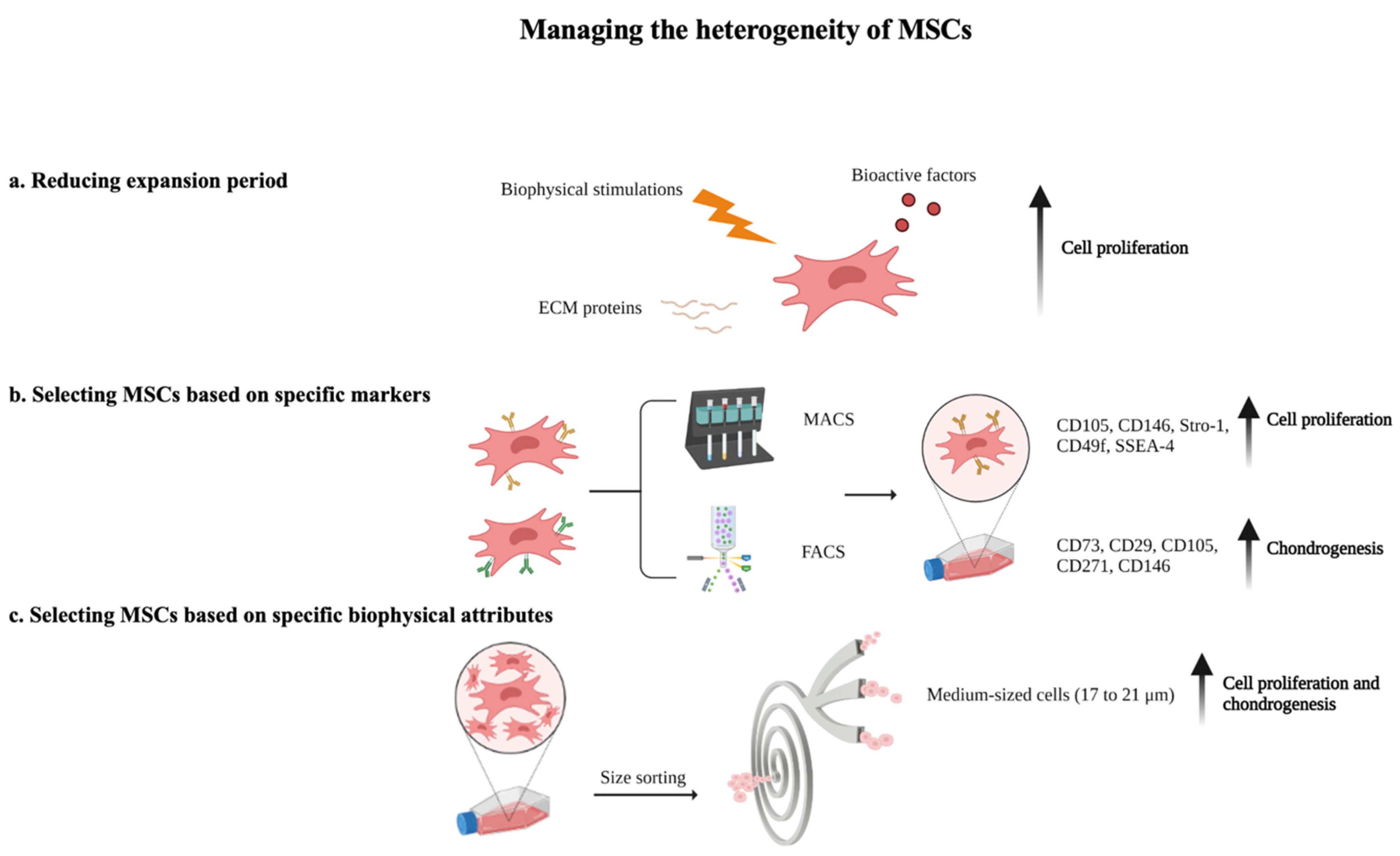
- Cellular Heterogeneity and Variability: MSC preparations can vary depending on donor age, health status, isolation methods, and culture conditions. This variability can result in inconsistent therapeutic outcomes between batches.
- Efficacy Variations: Biological response varies widely based on individual patient microenvironments. High systemic inflammation or severe chronic tissue degeneration can degrade implanted cells before therapeutic factors are secreted.
- Thromboembolism Risks: Systemic intravenous administration of high-dose MSCs carries a minor risk of microvascular occlusion or pulmonary embolism if cells aggregate or express tissue factor (CD142).
- Infection and Contamination: As with any invasive procedure, improper handling during cell harvesting, processing, or administration introduces risks of localized septic arthritis, soft tissue infection, or systemic contamination.
- Ectopic Tissue Formation: Improper differentiation or delivery into hostile tissue environments could theoretically lead to unwanted calcification or non-functional tissue formation.
What Patients Should Evaluate Before Proceeding
Patients considering an MSC injection should perform thorough due diligence alongside a board-certified specialist. Key diagnostic and procedural evaluation steps include:
- Confirm the Source and Handling of Cells: Inquire whether the product uses autologous cells (harvested from your own tissue) or allogeneic donor cells. Request verification that cells were processed in a GMP-compliant facility.
- Review Clinical Evidence: Ask the treating physician for peer-reviewed clinical trial data specific to your exact condition, rather than broad claims about general regenerative potential.
- Verify Regulatory Compliance: Ensure the proposed intervention is either an FDA-cleared/EMA-approved therapy or part of a formal, IRB-approved clinical trial with documented informed consent.
- Assess Cost and Coverage: Most off-label or investigative MSC injections are not covered by standard health insurance plans. Patients should obtain clear, written breakdowns of total out-of-pocket expenses, including follow-up monitoring and diagnostic imaging.
Frequently Asked Questions
What is the difference between stem cell injections and Platelet-Rich Plasma (PRP)?
PRP therapy involves concentrating platelets from a patient's peripheral blood to release growth factors that stimulate healing. It contains no live stem cells. MSC injections involve living cells capable of cell division, direct immunomodulation, and sustained paracrine signaling.
Are MSC injections autologous or allogeneic?
They can be both. Autologous MSCs are harvested from the patient's own bone marrow or fat tissue, eliminating immune rejection risks. Allogeneic MSCs are sourced from screened donors (often umbilical cord tissue post-birth); because MSCs express low HLA levels, donor cells can often be administered without immunosuppressive drugs.
How long does it take to see results from an MSC injection?
Unlike local corticosteroid injections that provide immediate, temporary anti-inflammatory relief, MSC injections require time to modulate the tissue environment. Patients typically report initial changes in pain and function within 4 to 8 weeks, with therapeutic repair mechanisms continuing for several months.
Are MSC injections permanent cures for joint degeneration?
MSC injections are not a guaranteed permanent cure for severe degenerative joint disease. While they can reduce inflammation, relieve pain, and potentially slow cartilage loss, they may not completely rebuild lost joint space in advanced (Grade 4) osteoarthritis.
Are mesenchymal stem cell injections approved by the FDA?
The FDA has approved specific cell-based therapies, primarily hematopoietic stem cells for blood disorders and select cord-blood products. Most MSC injections for orthopedic or systemic conditions remain investigational biological products requiring approved IND applications for clinical study.
Recommendation and Next Steps
Mesenchymal stem cell injections mark a major shift in modern therapeutic strategy, transitioning medicine from palliative symptom management to targeted cellular regeneration and immune restoration. However, successful outcomes depend on precise candidate selection, standardized cell preparation, and appropriate regulatory compliance.
If you are considering MSC therapy for chronic musculoskeletal pain, autoimmune disease, or tissue injury, take the following clinical steps:
- Obtain an Updated Diagnostic Evaluation: Obtain clear imaging (MRI or high-resolution ultrasound) and blood markers to confirm the exact stage and nature of your condition.
- Consult a Qualified Specialist: Schedule a consultation with a board-certified physician in orthopedics, rheumatology, or regenerative medicine who participates in recognized clinical research.
- Verify Clinical Credentials: Search public databases such as ClinicalTrials.gov or consult official FDA consumer updates on cell therapies to verify whether the proposed treatment meets standard safety and regulatory criteria.
Image Gallery