The Evolution and Impact of Trippy Documentaries: Exploring Visual and Psychological Cinema
Trippy documentaries are specialized non-fiction films that use innovative cinematography, unconventional editing, psychedelic aesthetics, and mind-expanding themes to alter the viewer's perception of reality. By combining rigorous inv...
Trippy documentaries are specialized non-fiction films that use innovative cinematography, unconventional editing, psychedelic aesthetics, and mind-expanding themes to alter the viewer's perception of reality. By combining rigorous investigative journalism or nature cinematography with avant-garde visual effects, these films explore altered states of consciousness, cosmology, deep ecology, and the limits of human perception.
Contents
Understanding the Genre of Trippy Documentaries
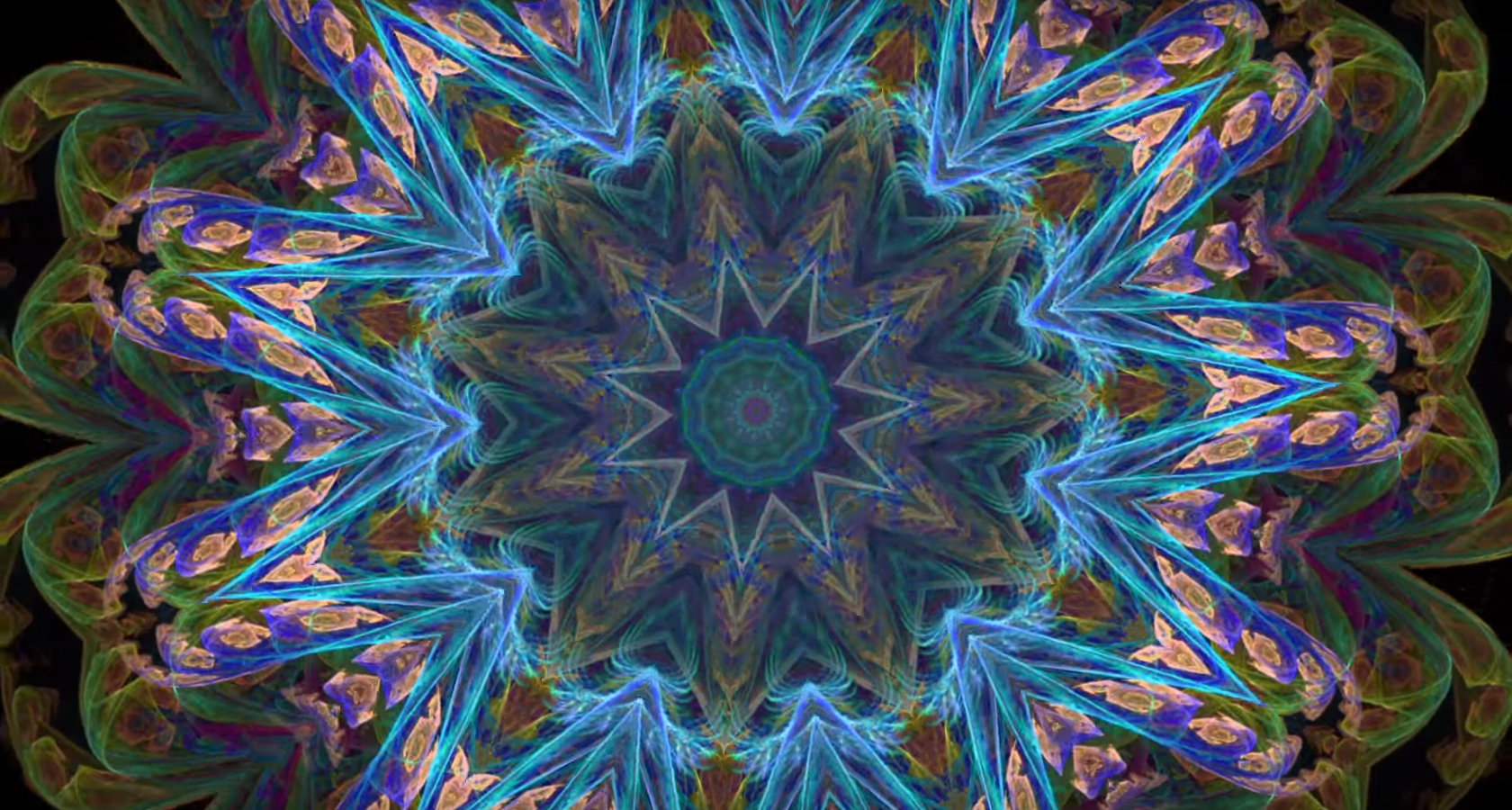
The genre sits at the intersection of non-fiction storytelling and visionary art. Unlike traditional documentaries that rely on standard talking heads, chronological narration, and linear editing, trippy documentaries prioritize immersive sensory experiences. They often feature macro photography, time-lapse sequences, fractal animations, and hypnotic soundscapes designed to induce a meditative or trance-like state in the audience.
The primary objective of these films is not merely to inform, but to transform. By disrupting conventional narrative structures, they challenge viewers to question their assumptions about space, time, consciousness, and reality. This approach draws heavily from the traditions of experimental cinema, psychedelic art, and avant-garde video installations, adapting them to explore complex scientific, philosophical, and anthropological subjects.
Key Themes Explored in Mind-Expanding Films
Documentaries in this category generally cluster around a few distinct thematic pillars. Each pillar uses visual experimentation to illuminate subjects that are difficult to comprehend through conventional linear exposition.
Consciousness and Neurology
Films exploring the human mind often investigate neuroplasticity, meditation, sleep paralysis, and the effects of psychoactive substances. Directors use digital manipulation and immersive audio design to simulate internal mental landscapes, allowing audiences to visualize synesthesia, ego dissolution, and altered cognitive states from a first-person perspective.
Cosmic Scales and Deep Time
Astronomy and cosmology documentaries frequently adopt a trippy aesthetic to convey the incomprehensible scale of the universe. By juxtaposing subatomic particle interactions with galactic clusters, these films use scale-shifting visualizations to place human existence within a vast, interconnected cosmic framework.
Deep Ecology and Non-Human Intelligences
Environmental documentaries often shift away from standard conservation messaging toward a biocentric viewpoint. They examine the complex communication networks of fungi, marine life, and ancient forests, using macro lenses and thermal imaging to reveal hidden ecosystems operating beyond normal human sensory perception.
Evolution of Visual Techniques in Psychedelic Cinema
The methods used to create mind-bending visual effects have evolved alongside digital technology. Early experimental filmmakers relied on optical printing, hand-painted film strips, and analog lighting effects like liquid light shows.
Modern filmmakers utilize advanced digital toolsets to push visual boundaries further. The table below outlines the transition from traditional analog methods to contemporary digital techniques in visionary non-fiction filmmaking.
| Era | Primary Visual Techniques | Characteristic Aesthetic | Notable Technological Drivers |
|---|---|---|---|
| Analog Era (1960s–1980s) | Liquid light projections, optical printers, double exposures, macro cinematography. | Organic, warm, tactile, hand-crafted imperfections. | 16mm/35mm cameras, polarizing filters, overhead projectors. |
| Transition Era (1990s–2000s) | Early CGI, digital morphing, non-linear editing, color grading manipulation. | Transitional, hyper-saturated, sometimes jarring digital integration. | Early digital workstations, CGI software, digital video formats. |
| Modern Era (2010s–Present) | Procedural generation, VR/AR integration, drone cinematography, ultra-high-definition macro lenses. | Seamless, immersive, infinitely detailed, mathematically precise. | 4K/8K sensors, drone rigs, AI-assisted rendering tools. |
Notable Works and Directorial Approaches
Several landmark films have defined the standards of the genre, proving that non-fiction cinema can successfully marry rigorous intellectual inquiry with radical visual experimentation.
Godfrey Reggio and the Qatsi Trilogy
Beginning with Koyaanisqatsi (1982), Godfrey Reggio pioneered a style of documentary filmmaking entirely devoid of dialogue and traditional narration. Set to minimalist scores by Philip Glass, these films use time-lapse and slow-motion footage of urban environments and natural landscapes to critique modern technology and human impact. The absence of spoken word forces the viewer to process the imagery emotionally and intellectually.
Ron Fricke and Baraka (1992)
Expanding on the visual language of the Qatsi films, Ron Fricke utilized a 70mm Todd-A-O camera system to capture breathtaking footage across twenty-four countries. Baraka explores themes of human ritual, nature, and technological progress through a globally connected, non-verbal narrative that relies entirely on sensory immersion and rhythm.
Modern Psychedelic Explorations
Contemporary streaming platforms and independent circuits have expanded the genre into realms of investigative and biographical non-fiction. Modern works often examine the resurgence of clinical research into psychedelics, exploring historical contexts, legislative changes, and therapeutic outcomes through a blend of archival footage and visionary animation.
Production Challenges and Ethical Considerations
Creating a documentary that prioritizes sensory immersion presents distinct operational and ethical hurdles. Filmmakers must balance artistic ambition with factual accuracy, ensuring that stylistic flourishes do not distort the underlying truth of the subject matter.
Balancing Style and Substance
A primary risk in visionary filmmaking is style overshadowing substance. When heavy visual effects or hypnotic soundtracks dominate a film, viewers may struggle to extract verifiable facts or nuanced arguments. Responsible directors ground their aesthetic choices in the subject matter—using macro lenses, for example, to reveal actual biological structures rather than abstract computer-generated imagery disguised as science.
Safety and Ethical Representation
When covering altered states of consciousness, indigenous shamanism, or underground therapeutic practices, filmmakers face strict ethical obligations. Responsible productions protect vulnerable participants, respect sacred cultural traditions, and present scientific research with appropriate context, acknowledging both the potential benefits and the known risks of psychoactive substances or experimental therapies.
Frequently Asked Questions
What defines a trippy documentary?
A trippy documentary is a non-fiction film that uses unconventional visual effects, avant-garde editing, and immersive sound design to explore themes like consciousness, cosmology, and nature while altering the viewer's perceptual experience.
Are trippy documentaries scientifically accurate?
Accuracy varies by production. While some films are produced in collaboration with scientific institutions and universities to visualize complex data, others lean heavily into artistic interpretation and philosophical speculation. Viewers should check production credentials for scientific rigor.
Do I need to use substances to enjoy these films?
No. These films are engineered to stimulate sensory and cognitive responses through pure cinema—combining music, rhythm, macro videography, and pacing to create altered perspectives naturally.
Where can I stream these documentaries?
They are distributed across various platforms, including major streaming services, independent film distributors like Criterion Channel, specialized documentary streaming sites, and public libraries.
Why do these films often omit dialogue and narration?
Many visionary documentaries use a non-verbal approach to bypass analytical thought, allowing viewers to absorb the imagery and music intuitively rather than through a pre-determined narrative lens.
Practical Recommendations for Viewers
To fully appreciate the depth and craft of visionary non-fiction cinema, approach viewing as an active, focused experience rather than passive background entertainment. Set aside dedicated time in a controlled environment with minimal distractions. Use high-quality headphones or a robust sound system, as the auditory landscape is typically engineered to work in tandem with the visual stimuli. When exploring complex scientific or historical topics within the genre, consider pairing the viewing experience with supplementary reading from peer-reviewed journals or historical texts to gain a comprehensive understanding of the subject matter.
Image Gallery