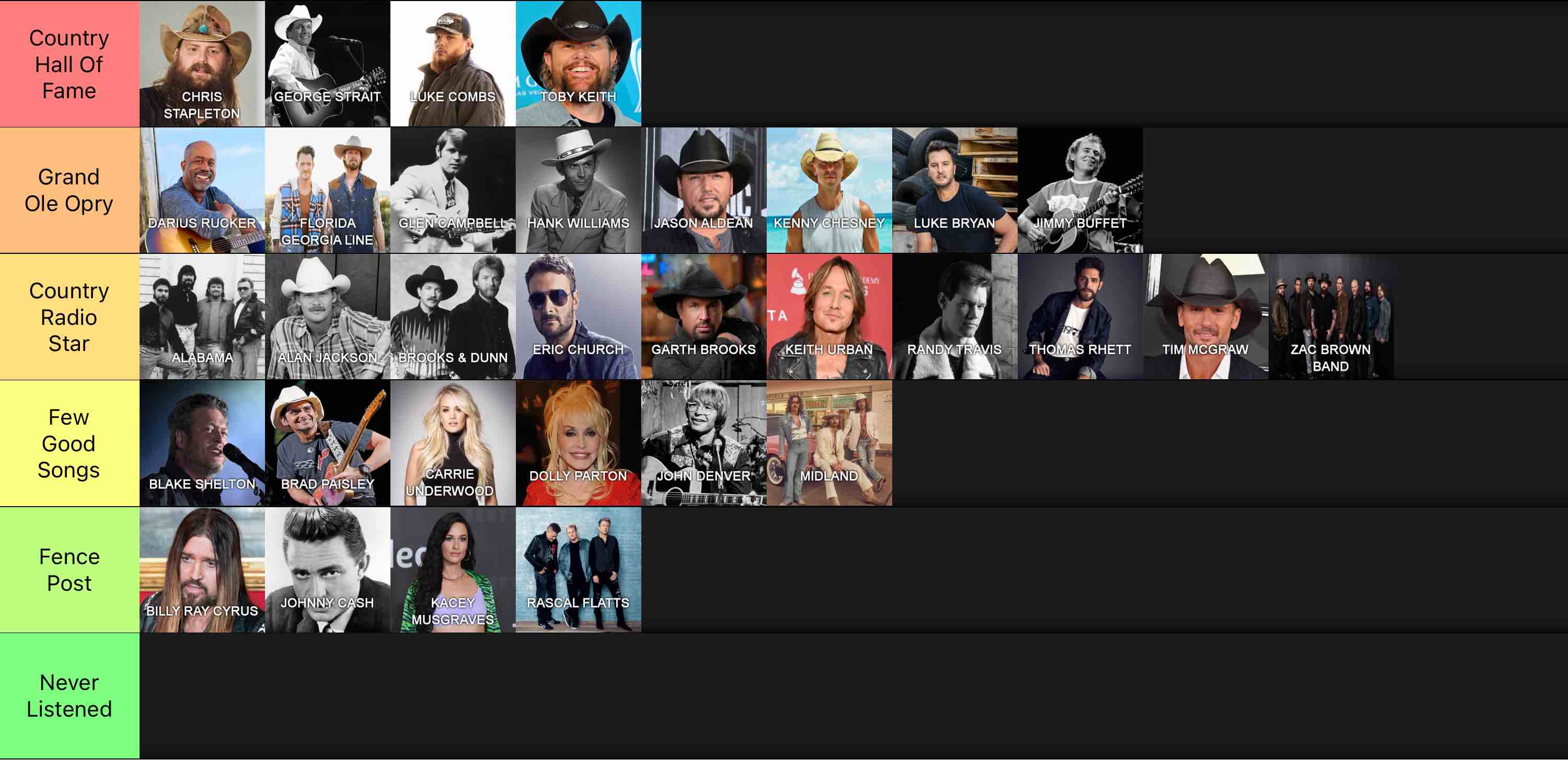
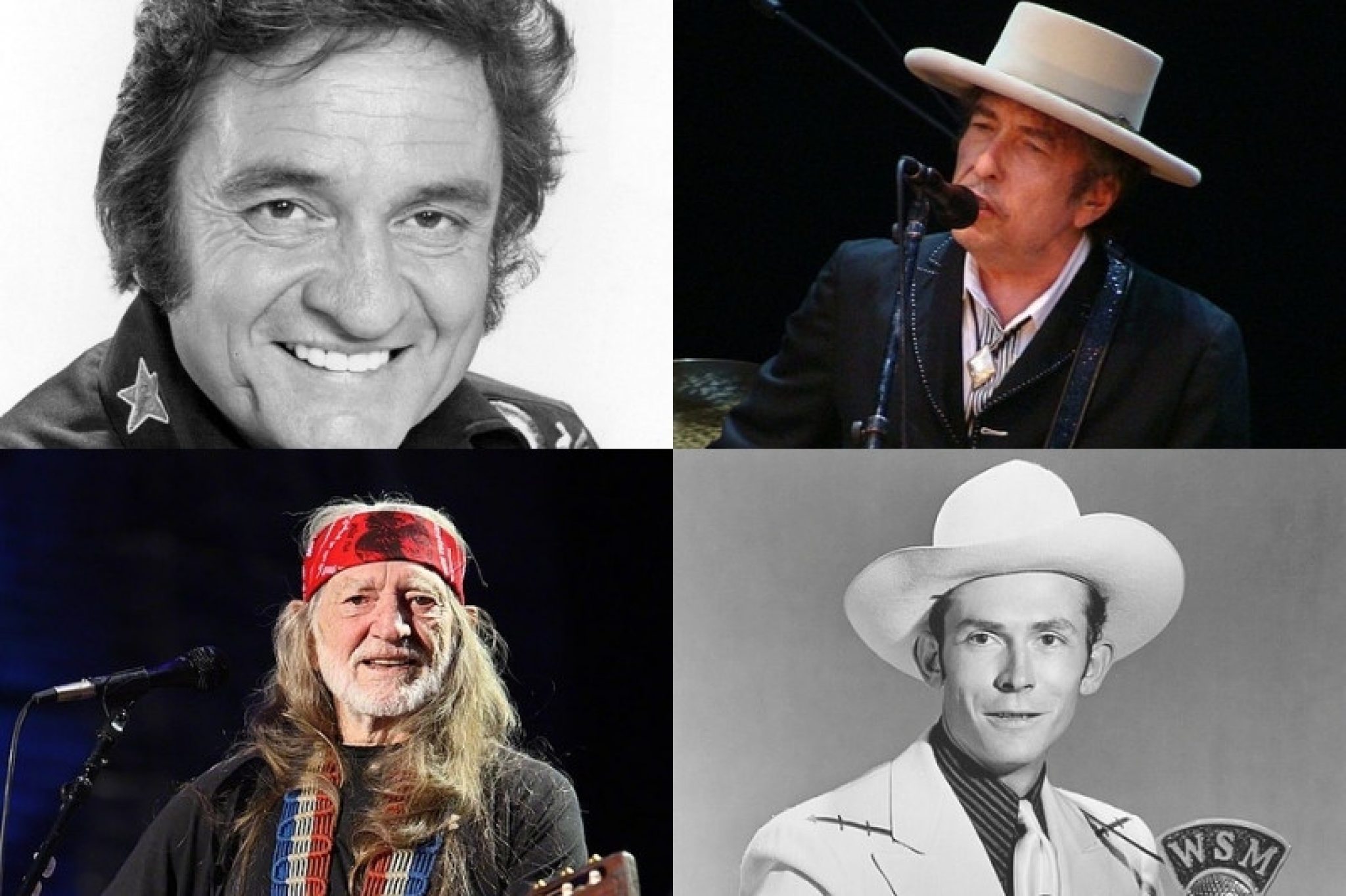
The Ultimate List of Country Music Artists: From Legends to 2026 Chart-Toppers
A comprehensive list of country music artists includes foundational pioneers like The Carter Family and Hank Williams, mid-century icons such as Johnny Cash and Dolly Parton, and modern-era superstars like Luke Combs and Morgan Wallen....
A comprehensive list of country music artists includes foundational pioneers like The Carter Family and Hank Williams, mid-century icons such as Johnny Cash and Dolly Parton, and modern-era superstars like Luke Combs and Morgan Wallen. This genre spans a century of storytelling, evolving from folk roots into a global commercial powerhouse.
Contents
The Architects of Country Music: 1920s to 1950s
The origins of country music are rooted in the Appalachian Mountains, blending Scots-Irish folk traditions with blues and gospel. To understand the current landscape of 2026, one must first recognize the "First Family" and the "King of Country Music" who established the template for the genre.
The Carter Family and Jimmie Rodgers
The 1927 Bristol Sessions are often cited as the "Big Bang" of country music. The Carter Family (A.P., Sara, and Maybelle) introduced the harmonies and intricate guitar picking—specifically Maybelle’s "Carter Scratch"—that would define the sound for decades. Simultaneously, Jimmie Rodgers, known as "The Singing Brakeman," brought a blues influence and his signature yodeling, proving that country music could have a solo superstar.
Hank Williams: The Shakespeare of the South
If there is one artist who defines the soul of the genre, it is Hank Williams. Though his career was tragically short, his ability to distill complex human emotions into simple, three-minute songs like "I'm So Lonesome I Could Cry" and "Your Cheatin' Heart" set the standard for songwriting. Every country artist in 2026 still owes a debt to his lyrical honesty.
The Honky-Tonk and Bluegrass Pioneers
As the genre moved into the 1940s and 50s, it split into distinct subgenres. Bill Monroe created bluegrass, characterized by high-speed acoustic picking and "high lonesome" vocals. Meanwhile, Kitty Wells became the first female superstar of country with "It Wasn't God Who Made Honky Tonk Angels," breaking barriers for every woman who followed. Ernest Tubb and Lefty Frizzell further refined the honky-tonk sound, bringing the music into the bars and dance halls of the post-war era.
The Golden Era and the Outlaw Movement: 1960s to 1970s
As Nashville became a centralized industry hub, the "Nashville Sound" emerged—a more polished, pop-influenced style designed to reach a broader audience. However, this polish eventually led to a counter-cultural rebellion that remains one of the most celebrated periods in music history.
The Nashville Sound and the Icons
Artists like Patsy Cline and Jim Reeves brought lush orchestrations and smooth vocals to the genre. Cline’s "Crazy" remains one of the most recognizable songs in history, showcasing a vocal range and emotional depth that transcended traditional rural themes. During this time, George Jones and Tammy Wynette emerged as the definitive voices of country heartbreak, their turbulent personal lives often mirroring their musical output.
The Outlaw Country Rebellion
By the 1970s, a group of artists grew tired of the restrictive Nashville production system. Led by Willie Nelson, Waylon Jennings, Kris Kristofferson, and Jessi Colter, the Outlaw movement reclaimed creative control. They moved production to Austin, Texas, or independent studios, embracing a grittier, rock-influenced sound. Johnny Cash, though already a star, found a second wind during this era as the "Man in Black," representing the disenfranchised and the rebellious.
Dolly Parton and Loretta Lynn
Two women redefined the narrative of the working class during this era. Loretta Lynn wrote fearlessly about the female experience in songs like "The Pill" and "Coal Miner's Daughter," while Dolly Parton transitioned from a "girl singer" on the Porter Wagoner show to a global mogul. Parton’s songwriting prowess ("I Will Always Love You," "Jolene") and her savvy branding made her arguably the most influential country artist of all time.
The 90s Explosion and the Rise of "Stadium Country"
The 1990s marked a period of unprecedented commercial growth. The genre shifted from a regional interest to a dominant force in the global music industry, fueled by high-energy live performances and music video culture.
The Class of '89
A specific group of artists who debuted around 1989 changed the trajectory of the genre forever. Garth Brooks is the central figure here; his blend of country storytelling with rock-and-roll stage theatrics led him to become the best-selling solo artist in U.S. history. Alongside him, Alan Jackson and George Strait (the "King of Country") maintained a more traditional sound, proving that neotraditionalism could still sell millions of records.
The Women of the 90s
The 1990s were a golden age for female country artists. Shania Twain combined country with glossy pop production, becoming a worldwide phenomenon with Come On Over. Reba McEntire expanded the role of the country artist into acting and multimedia, while The Chicks (formerly the Dixie Chicks) brought bluegrass instrumentation and sophisticated harmonies to the top of the charts. Other vital voices included Trisha Yearwood, Faith Hill, and Martina McBride, known for their powerful "big voice" ballads.
Modern Era and the 2026 Landscape
Heading into 2026, the definition of a "country artist" has expanded significantly. The genre is currently characterized by a tension between "Pop-Country" (or "Bro-Country") and a massive resurgence of "Neotraditionalist" and "Americana" sounds.
The Current Titans
As of 2026, Morgan Wallen and Luke Combs stand as the commercial pillars of the genre. Wallen’s blend of trap-influenced beats with traditional country lyricism has made him a streaming giant, while Combs has built a career on relatable, blue-collar anthems that evoke the spirit of the 1990s. Lainey Wilson has emerged as the leading female voice of the mid-2020s, blending "Bell Bottom Country" style with authentic storytelling.
The Return to Grit: Zach Bryan and Chris Stapleton
A major shift in the 2020s has been the rise of artists who prioritize raw, unpolished authenticity over radio-friendly production. Zach Bryan transitioned from a Navy veteran posting videos on social media to a stadium-filling headliner without traditional radio support. Similarly, Chris Stapleton remains the industry's gold standard for vocal talent and soulful songwriting, bridging the gap between country, rock, and soul.
The Nashville-Global Crossover
In 2026, we see more genre-blurring than ever before. Artists like Jelly Roll and Post Malone have successfully integrated into the country community, bringing hip-hop and post-rock sensibilities to the genre. Meanwhile, Kacey Musgraves and Maren Morris continue to push the boundaries of what country music can sound like, often incorporating psychedelic or electronic elements while maintaining a focus on lyrical depth.
Comparative Overview of Major Country Eras
The following table summarizes the evolution of country music artists by era and their defining contributions to the genre.
| Era | Key Artists | Defining Characteristics | Long-term Impact |
|---|---|---|---|
| Foundational (1920s-1950s) | Hank Williams, The Carters, Jimmie Rodgers | Acoustic, high lonesome vocals, folk-roots. | Established the "three chords and the truth" philosophy. |
| The Golden Age (1960s-1970s) | Johnny Cash, Dolly Parton, George Jones | The "Nashville Sound" vs. "Outlaw" rebellion. | Modernized production and expanded storytelling themes. |
| The 90s Boom (1980s-1990s) | Garth Brooks, Shania Twain, George Strait | Stadium-sized production, pop-crossover success. | Turned country into a multi-billion dollar global industry. |
| Modern Era (2010s-2026) | Luke Combs, Morgan Wallen, Zach Bryan | Streaming dominance, genre-blending, raw authenticity. | Decentralized the industry; direct-to-fan success. |
Specialized Subgenres and Their Leaders
Not all country music artists fit into the mainstream "Nashville" mold. Understanding the list of country music artists requires looking at the fringes where some of the most critically acclaimed music is made.
- Americana/Alt-Country: This subgenre focuses on heritage and artistic integrity over commercial appeal. Artists like Jason Isbell, Brandi Carlile, and Tyler Childers are the standard-bearers here. Isbell is widely considered one of the greatest living songwriters, while Childers has revitalized interest in Appalachian grit.
- Texas Country/Red Dirt: Based primarily in Texas and Oklahoma, this scene operates independently of Nashville. Cody Johnson and Parker McCollum are two artists who successfully transitioned from this regional scene to national superstardom while keeping their "cowboy" credentials intact.
- Bluegrass Revitalists: While bluegrass is a distinct genre, its overlap with country is significant. Billy Strings has become a phenomenon by 2026, blending virtuoso bluegrass flatpicking with a jam-band aesthetic, bringing the style to a much younger, diverse audience.
Frequently Asked Questions
Who is the most successful country music artist of all time?
In terms of RIAA-certified album sales in the United States, Garth Brooks holds the record, even surpassing Elvis Presley. However, if success is measured by chart-topping singles, George Strait leads with 60 number-one hits. In the modern streaming era of 2026, Morgan Wallen holds several records for the most simultaneous songs on the Billboard Hot 100.
What is the difference between "Classic" and "Modern" country artists?
Classic country artists (pre-1990s) typically focused on acoustic instrumentation like the fiddle, steel guitar, and upright bass, with lyrics centered on rural life, heartbreak, and faith. Modern country artists often incorporate elements of rock, pop, and hip-hop, using electric guitars and programmed drums. However, by 2026, a "neotraditionalist" movement has brought many classic sounds back into the mainstream.
Who are the "Big Three" of female country music?
Historically, Loretta Lynn, Tammy Wynette, and Dolly Parton are considered the foundational trio of female country music. In the 1990s, this shifted to Reba McEntire, Shania Twain, and Faith Hill. As of 2026, the most influential women in the genre are arguably Dolly Parton (for her legacy), Carrie Underwood, and Lainey Wilson.
Are there any prominent international country artists?
Yes. While country music is rooted in the U.S., it has a massive following in Canada and Australia. Shania Twain and Terri Clark are famous Canadian exports. Australia has produced Keith Urban, who became one of the biggest stars in Nashville, as well as Morgan Evans. In recent years, the UK has seen a surge in "Brit-country" artists like The Shires.
How do I find new country music artists in 2026?
Beyond the radio, the best way to find new artists is through streaming playlists such as Spotify’s "Hot Country" or "Indigo," and by following the lineups of major festivals like Stagecoach or CMA Fest. Social media platforms like TikTok have also become primary discovery tools, launching the careers of artists like Zach Bryan and Megan Moroney.
Final Recommendation for Exploration
If you are new to the genre, the best way to appreciate the list of country music artists is to listen chronologically. Start with the essential hits of Hank Williams, move into the 1970s rebellion with Waylon Jennings, experience the 1990s energy of Garth Brooks, and finally dive into the 2026 sounds of Chris Stapleton or Lainey Wilson. This progression reveals how the "high lonesome sound" of the past has transformed into the diverse, stadium-filling anthems of today.
Image Gallery