The Thunderbolts: Understanding Marvel’s Definitive Team of Anti-Heroes
The Thunderbolts represent a unique corner of the Marvel Universe, functioning as a rotating roster of reformed villains, anti-heroes, and mercenaries recruited to perform high-stakes operations that traditional superhero teams like th...
The Thunderbolts represent a unique corner of the Marvel Universe, functioning as a rotating roster of reformed villains, anti-heroes, and mercenaries recruited to perform high-stakes operations that traditional superhero teams like the Avengers refuse to undertake. Often operating under government oversight or through shadow organizations, the group balances the line between redemption and the inherent instability of their criminal backgrounds.
Contents
The Origins and Evolution of the Thunderbolts
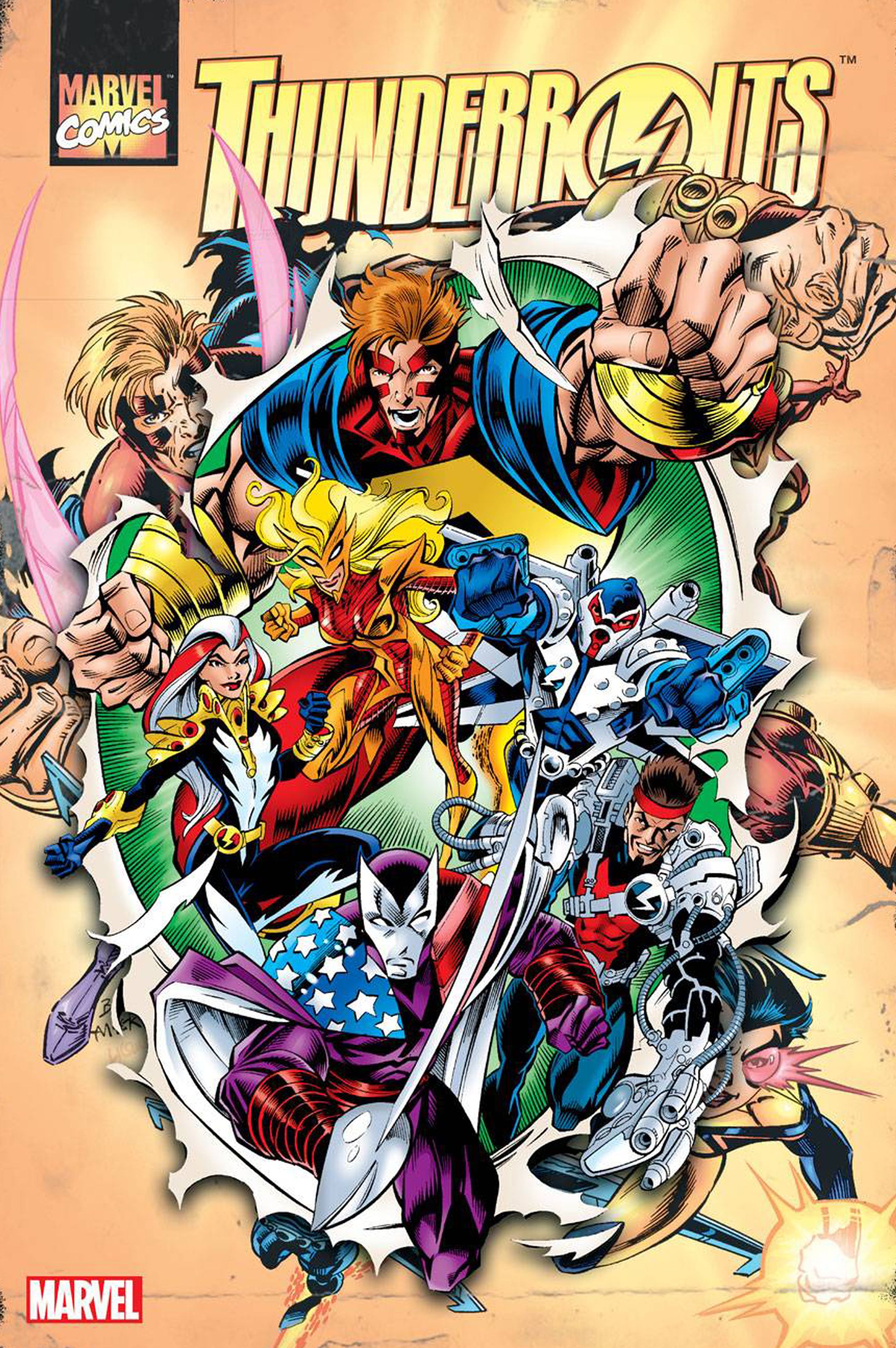
The concept of the Thunderbolts first emerged in 1997 within the pages of The Incredible Hulk #449, debuting fully as their own title in Thunderbolts #1 later that year. Created by writer Kurt Busiek and artist Mark Bagley, the team was originally introduced as a group of heroes filling the void left by the apparent death of the Avengers and the Fantastic Four.
However, the debut issue revealed a foundational twist: the Thunderbolts were actually the Masters of Evil, led by Baron Helmut Zemo, operating under false identities. This initial premise established a core theme that has defined the group for nearly three decades: the tension between deceptive appearances and the genuine possibility of moral change. Over time, the team shifted from an elaborate criminal ruse into an organization that genuinely grappled with the desire for atonement, with members like Songbird, Mach-V, and Moonstone becoming central figures in the evolving narrative of the Marvel landscape.
Operational Dynamics and Governance
Unlike the Avengers, who typically operate as an independent sovereign organization, the Thunderbolts are frequently characterized by their entanglement with political and military structures. In the contemporary Marvel landscape of 2026, the team is often linked to the interests of the U.S. government, particularly under figures such as Thaddeus "Thunderbolt" Ross or Valentina Allegra de Fontaine.
This relationship creates a specific set of operational requirements:
- Mission Plausibility: The group is utilized for missions that require "plausible deniability." If a mission fails or results in international diplomatic strain, the state can distance itself from the team’s actions.
- Asset Management: The government views the Thunderbolts as volatile assets. This requires constant monitoring of the members’ mental states, loyalty, and previous criminal history to prevent rogue behavior.
- Supervised Rehabilitation: Participation in the team is often presented as a path toward sentence reduction or pardons for incarcerated superhumans, creating a high-pressure environment where members must perform acts of heroism to secure their personal freedom.
Key Members and Roster Characteristics
The composition of the Thunderbolts changes frequently, often based on the specific needs of their handlers. The roster typically reflects a mix of tactical utility, high-level combat prowess, and potential for personality conflicts.
Notable Members
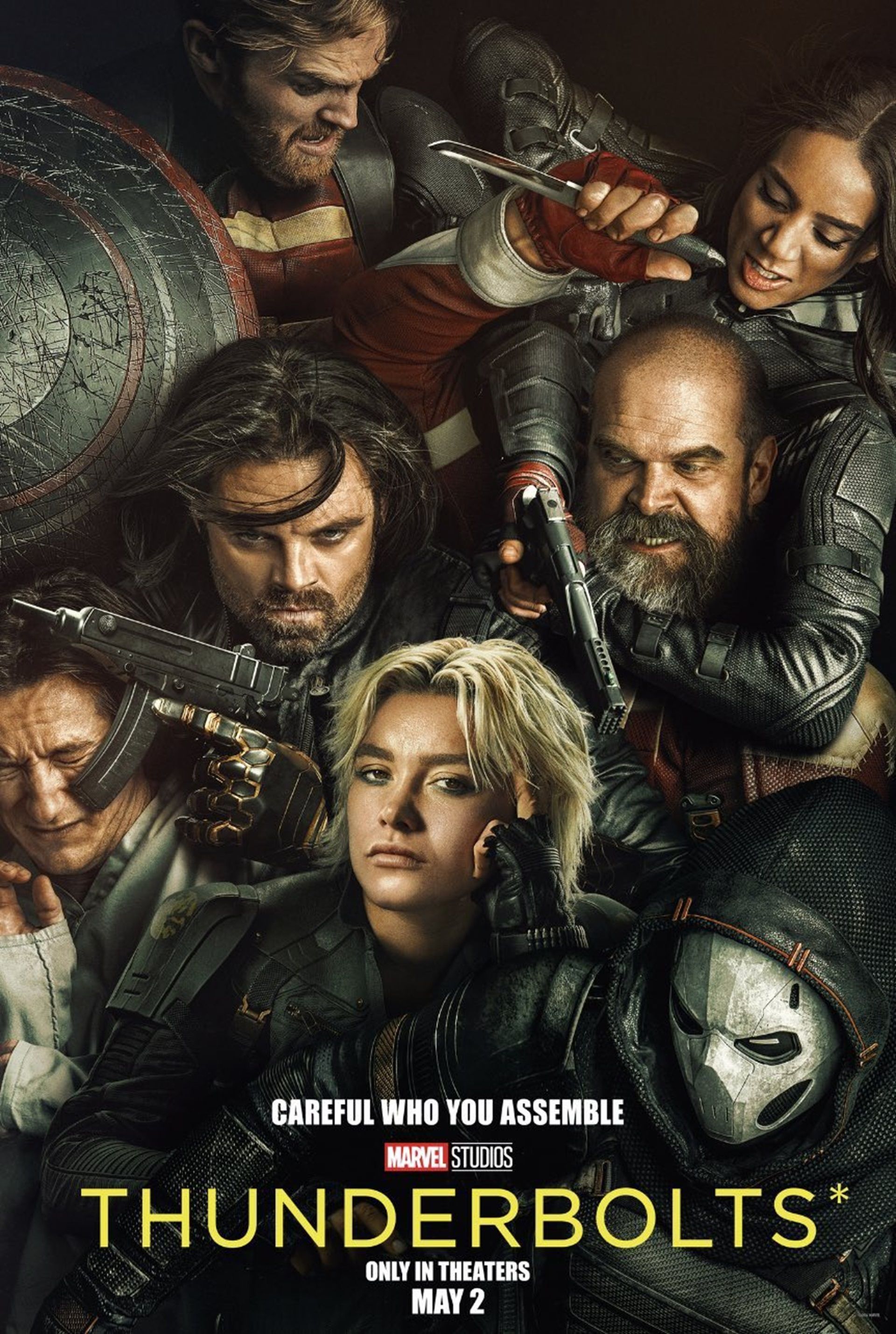
- Yelena Belova: Often serving as a high-functioning operative with a complex history involving the Red Room and the Black Widow program.
- Bucky Barnes (The Winter Soldier): Frequently positioned as a mentor or field leader, bringing a tactical approach to the group's chaotic dynamics.
- U.S. Agent (John Walker): Provides a militaristic perspective, often representing the interests of government overseers while struggling with his own volatile temperament.
- Ghost: A master of stealth and technology whose perspective often challenges the bureaucratic nature of the team's assignments.
- Red Guardian: An expert combatant who adds a layer of international espionage history and political complexity to the team's interactions.
Comparative Analysis of Team Structures
The following table outlines how the Thunderbolts differ from other major Marvel entities in terms of philosophy and institutional status.
| Feature | The Avengers | The Thunderbolts |
|---|---|---|
| Primary Goal | Global protection and crisis resolution | Deniable operations and tactical gain |
| Authority | Independent/Global oversight | Often government-sanctioned/shadow agency |
| Member Intent | Altruism | Survival, pardon, or redemption |
| Public Perception | Publicly celebrated icons | Controversial assets or criminals |
The Challenge of Redemption
A recurring theme within the Thunderbolts narrative is the "redemption arc." Many characters join with the intent of using their skills for good, but their pasts—and the nature of their missions—constantly threaten to pull them back into villainy. Unlike characters who are inherently altruistic, the members of the Thunderbolts are typically motivated by a pragmatic realization that their current path is safer or more beneficial than their previous criminal ones.
This creates significant narrative tension. When a character like Songbird faces a choice between obeying an unethical government order or acting for the moral good, the stakes are elevated by her background as a villain. The audience is constantly forced to evaluate whether the character’s actions are motivated by genuine growth or simply a change in circumstance.
Common Tropes and Reader Expectations
Readers familiar with the Thunderbolts typically expect certain recurring elements:
- The In-Fighting: Because the team is composed of individuals with strong personalities and dark histories, betrayal and internal conflict are standard features of any mission.
- High-Stakes Compromise: The mission parameters often force the team to make choices that traditional heroes would consider unacceptable, such as neutralizing targets without due process or engaging in covert infiltration.
- The Changing Roster: It is rare for a Thunderbolts team to stay intact for long periods. Replacements, desertions, and internal purges keep the roster in a state of constant flux.
Troubleshooting and Evaluating Source Material
For those looking to explore the history of the Thunderbolts, navigating the volume of published comics can be daunting. Because the team has gone through several "iterations" (e.g., the original Zemo era, the Warren Ellis-penned dark recruitment era, and later government-led incarnations), it is helpful to approach the material by these specific eras.
- Verification: Ensure you are checking the publication date and writer for a specific run. The tone shifts significantly between the 1997 series and modern iterations.
- Accessibility: Most major Marvel comic databases, including the official Marvel.com database, provide chronological lists of appearances. Use these to track specific character involvement if you are researching a particular member’s arc.
- Context: Remember that events in the wider Marvel Universe, such as Civil War or Secret Invasion, often dictate the direction of the Thunderbolts. If a story feels disconnected, look for what major crossover event was occurring in the publishing timeline at the time.
Frequently Asked Questions
Are the Thunderbolts considered villains or heroes?
They are best described as anti-heroes. While they often perform acts that result in positive outcomes for the public, their motivations, methods, and individual histories are grounded in criminal behavior or morally gray choices. They occupy the space between the traditional superhero and the criminal underworld.
Who is currently the leader of the Thunderbolts?
Leadership is highly fluid and dependent on the current mission and the governing body in charge. Historically, leadership has shifted between characters like Baron Zemo, Hawkeye, Norman Osborn, and Luke Cage, depending on whether the team is operating as a criminal syndicate, a government task force, or an independent team.
How does the Thunderbolts' government status work?
In most iterations, the Thunderbolts act under a "sanctioned" status. This means they are given equipment, resources, and legal immunity for specific missions. However, this status can be revoked at any time, leaving the members vulnerable to prosecution.
Why do villains join the Thunderbolts?
The primary motivation for many members is the prospect of a "clean slate." Participating in high-risk missions for the government is often presented as a legal alternative to incarceration or a way to gain resources to continue their own personal agendas.
Can I start reading the Thunderbolts from any issue?
While you can jump into specific arcs, it is highly recommended to start with the original Thunderbolts #1 (1997) to understand the full weight of their origin. Otherwise, major status-quo shifts, such as those occurring during Dark Reign or the modern government-sanctioned eras, serve as suitable entry points if you understand the premise of a team of flawed individuals being forced into service.
Next Steps for Enthusiasts
If you are looking to engage further with the lore, the best course of action is to identify which iteration of the team aligns with your interest in character-driven drama versus tactical, spy-fi action. Begin by reviewing the specific character histories of members like Bucky Barnes or Yelena Belova, as their current roles in the Marvel landscape often define the direction of the team in 2026. Consult official publisher databases or trade paperback collections to track the progression of the team through these distinct historical phases.
Image Gallery