Uncovering the Most Popular Ice Cream in America: Flavors, Brands, and Consumer Data
Determining the most popular ice cream in America requires analyzing a mix of long-term retail scanner data, consumer preference surveys, and production metrics. While regional favorites and artisanal trends shift constantly, vanilla c...
Determining the most popular ice cream in America requires analyzing a mix of long-term retail scanner data, consumer preference surveys, and production metrics. While regional favorites and artisanal trends shift constantly, vanilla consistently ranks as the undisputed overall favorite nationwide, followed closely by chocolate and specialty flavor combinations like cookies and cream.
Contents
When consumers search for the most popular ice cream in America, they are often looking to understand whether timeless classics still dominate or if modern mix-ins have taken the crown. This comprehensive guide breaks down the top-selling flavors, the leading commercial brands, the regional preferences that shape the market, and the methodology behind how market researchers track what Americans keep in their freezers.
The Undisputed King: Why Vanilla Remains America's Favorite Flavor
Despite thousands of creative flavor combinations lining grocery store freezers, vanilla remains the most popular ice cream in America by a wide margin. According to data compiled by the International Dairy Foods Association (IDFA), vanilla consistently claims the top spot in consumer preference polls and grocery sales year after year.
The enduring dominance of vanilla stems from its versatility. It serves as the foundational base for countless desserts, pairs effortlessly with warm toppings like hot fudge or fruit compotes, and acts as the ideal accompaniment to pie, cake, and brownies. Furthermore, the simplicity of vanilla highlights the quality of the dairy, making it a benchmark for manufacturers to showcase their cream, milk, and sugar sourcing.
Beyond plain vanilla, variations such as French vanilla and vanilla bean capture significant market share. French vanilla incorporates egg yolks into the custard base, creating a richer, custard-like flavor profile and a deeper yellow hue, whereas vanilla bean features visible specks of real vanilla pod ground directly into the mixture, appealing to consumers seeking a more gourmet experience.
The Top-Selling Ice Cream Flavors Ranked
While vanilla takes first place, the broader landscape of American ice cream preferences includes a diverse mix of traditional favorites and texture-heavy combinations. Market researchers from organizations like YouGov and IRI (Circana) track retail sales to map out consumer demand across the country.
The following table outlines the leading ice cream flavors in the United States, based on a synthesis of retail scanner data and consumer preference polls.
| Rank | Flavor | Description & Key Characteristics | Primary Appeal |
|---|---|---|---|
| 1 | Vanilla | Classic, sweet, and made with natural or artificial vanilla extract. | Ultimate versatility and pairing compatibility. |
| 2 | Chocolate | Rich cocoa or chocolate liquor blended into a dairy base. | Deep, comforting flavor profile for chocolate purists. |
| 3 | Cookies and Cream | Vanilla ice cream loaded with crushed chocolate sandwich cookies. | Contrasting textures of smooth cream and crunchy cookies. |
| 4 | Strawberry | Fresh or puréed strawberries folded into a sweet cream base. | Fruity, refreshing taste preferred during warmer months. |
| 5 | Mint Chocolate Chip | Mint-flavored base infused with semi-sweet chocolate chips or flakes. | Cooling sensation balanced by rich chocolate bits. |
| 6 | Butter Pecan | Butter-flavored base with roasted, salted pecans mixed throughout. | Savory and sweet flavor combination with a distinct crunch. |
The Rise of Mix-Ins and Texture
In recent decades, flavor profiles have evolved far beyond basic single-note options. Consumers increasingly gravitate toward multi-textured experiences featuring chunks of cookie dough, ribbons of caramel, fudge swirls, and candy pieces. Cookies and cream, originally popularized in the late 20th century, has firmly secured a spot in the top three nationwide, frequently rivaling chocolate depending on the demographic group surveyed.
Texture-heavy options succeed because they provide sensory variety with every bite. The combination of a dense, creamy base with crunchy mix-ins satisfies the consumer desire for indulgence and complexity. This trend has also fueled the popularity of cookie dough, rocky road, and various peanut butter cup integrations across major supermarket brands.
Leading Brands Dominating the American Market
To understand the most popular ice cream in America, one must also examine the manufacturing giants and premium labels that fill supermarket aisles. The commercial ice cream market is divided between mass-market producers that prioritize accessibility and affordability, and premium brands that focus on high butterfat content and rich ingredients.
Mass-Market Giants
Brands like Blue Bell, Tillamook, Breyers, and Edy's (Dreyer's) dominate volume sales across American supermarkets.
- Blue Bell: Based in Brenham, Texas, Blue Bell commands a massive loyal following, particularly across the American South and Midwest, known for high-volume production of classics like Homemade Vanilla and Cookies 'n Cream.
- Tillamook: Originating from the Oregon dairy cooperative, Tillamook has expanded nationwide, capturing market share with its high butterfat standards and extra-creamy texture.
- Breyers: Owned by Unilever, Breyers historically built its reputation on simple, clean ingredients (often marketed as "Frozen Dairy Dessert" versus "Ice Cream" depending on federal standards of identity for dairy content).
Premium and Pint-Sized Innovators
In the premium segment, brands like Ben & Jerry's and Häagen-Dazs dictate flavor innovation and impulse-buy trends.
- Ben & Jerry’s: Founded in Vermont, the brand revolutionized the industry by introducing dense, mix-in-heavy pints with pop-culture-inspired names like Cherry Garcia and Half Baked.
- Häagen-Dazs: Known for its minimalist approach to high-end ingredients, Häagen-Dazs popularized dense, low-overrun ice cream that emphasizes European-style richness.
Regional Variations in Ice Cream Consumption
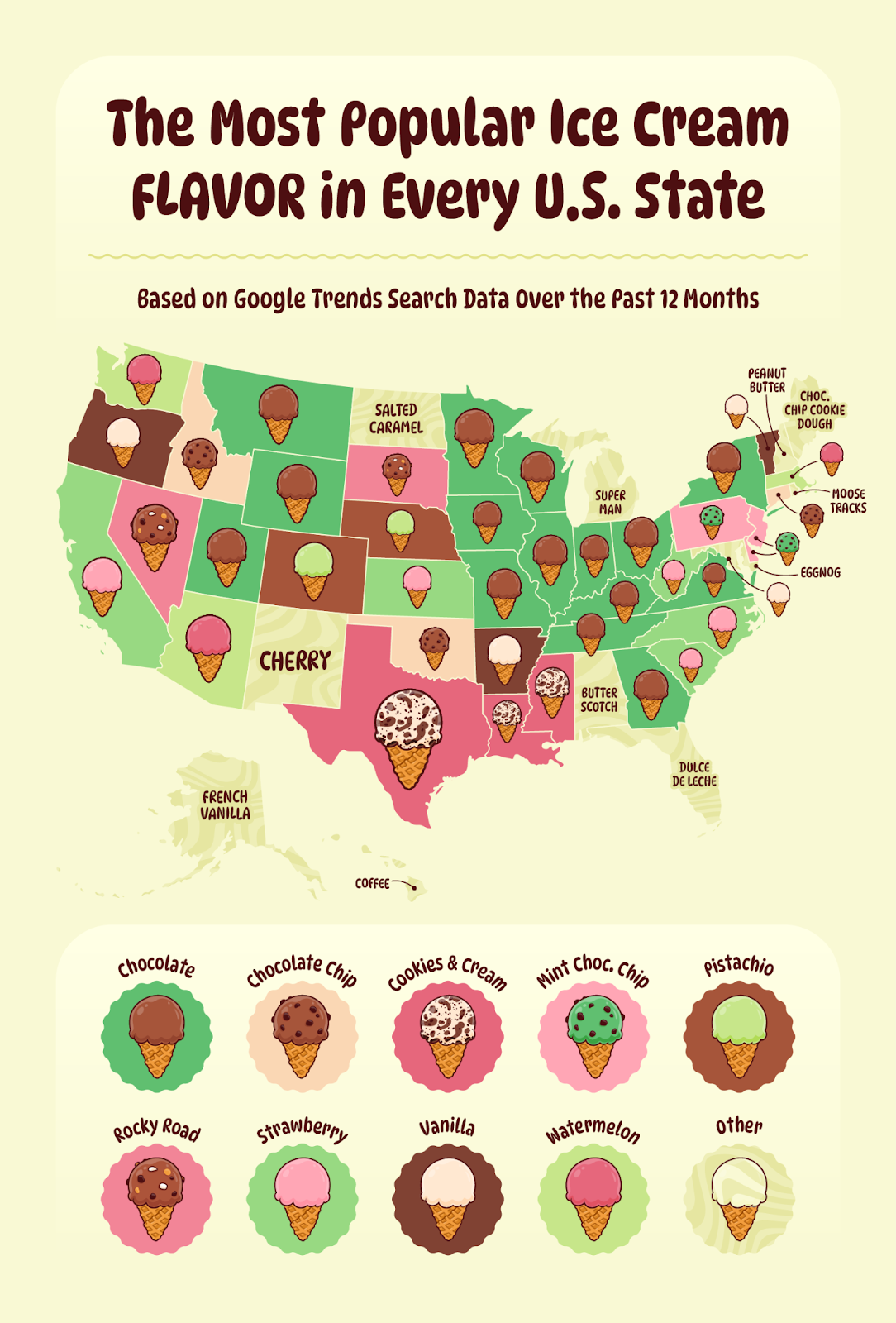
While national averages provide a clear picture, ice cream preferences feature distinct regional variations across the United States. Climate, local dairy heritage, and cultural traditions heavily influence what local populations purchase.
The South and Midwest
In the southern states, where summers are long and humid, per-capita consumption of frozen treats remains exceptionally high. Brands with deep regional roots, such as Blue Bell in Texas and the surrounding region, or Mayfield in the Southeast, command immense brand loyalty. Midwestern states, led by major dairy-producing hubs like Wisconsin, show strong preferences for high-butterfat formulations and traditional flavors like butter pecan and mint chocolate chip.
The Northeast and West Coast
Consumers in the Northeast and West Coast display a higher propensity for artisanal, locally sourced micro-batch creameries and functional frozen desserts. Cities like New York, San Francisco, and Portland drive national trends in vegan, plant-based, and globally inspired flavors (such as ube, matcha, and black sesame), which eventually filter down into mainstream commercial supermarkets.
How Market Researchers Track Popularity
Quantifying the popularity of an ice cream flavor is a multi-step process involving distinct methodologies employed by agricultural economists, market research firms, and industry associations.
- Retail Point-of-Sale (POS) Data: Firms like Circana (formerly IRI) and Nielsen track barcode scans across tens of thousands of supermarkets, convenience stores, and big-box retailers. This provides hard data on units sold and total revenue per flavor and brand.
- Consumer Surveys: Organizations such as YouGov conduct periodic polling, asking thousands of American adults to name their favorite flavors without the bias of immediate purchase availability.
- Industry Trade Reporting: The International Dairy Foods Association (IDFA) surveys its member processors annually to aggregate production totals, identifying which flavor bases are produced in the highest volume.
Combining these methodologies ensures that a temporary viral trend on social media does not skew the reality of what Americans purchase and consume on a regular basis.
Frequently Asked Questions
What is the single most popular ice cream flavor in America?
Vanilla is consistently ranked as the most popular ice cream flavor in America across both retail sales data and consumer preference surveys. Its versatility as a standalone treat and a base for other desserts keeps it at the top of the market.
Is vanilla ice cream really the top seller, or is it just used for other desserts?
While vanilla is frequently paired with pie, cake, and toppings, standalone sales of vanilla ice cream still outpace any single flavored alternative, such as chocolate or strawberry, in grocery store volume data.
Which brand sells the most ice cream in the United States?
Sales volume leadership fluctuates by region, but mass-market giants like Blue Bell, Tillamook, and Unilever-owned labels (including Breyers and Ben & Jerry’s) consistently rank among the top revenue-generating brands nationwide.
What is the difference between ice cream and frozen dairy dessert?
Under Food and Drug Administration (FDA) regulations, standard ice cream must contain a minimum of 10% milkfat and specific overrun limits (air whipped into the product). Products labeled as "frozen dairy dessert" often substitute vegetable oils for milkfat or contain higher air content, resulting in a lower price point and different texture.
Are fruit flavors or chocolate flavors more popular overall?
Chocolate-based and mix-in flavors generally outperform fruit flavors nationwide, with the exception of strawberry, which maintains a steady position in the top five.
Next Steps for Ice Cream Enthusiasts
For those looking to explore the broader landscape of American ice cream, the best approach is to sample both historic regional dairies and innovative artisanal pints. Checking local grocery store specialty sections for regional cooperatives or visiting farm-to-table creameries offers a direct taste of how local dairy quality influences flavor profiles. When selecting commercial brands, reviewing the ingredient panel for real cream, sugar, and natural flavorings ensures a richer, more authentic dessert experience.
Image Gallery