Choosing a Change Agent for Your Design Project
Selecting a change agent for your design project involves identifying an internal or external catalyst who can effectively guide stakeholder alignment, manage shifting creative requirements, and navigate organizational friction during...
Selecting a change agent for your design project involves identifying an internal or external catalyst who can effectively guide stakeholder alignment, manage shifting creative requirements, and navigate organizational friction during complex design transitions.
Contents
Understanding the Role of a Design Change Agent
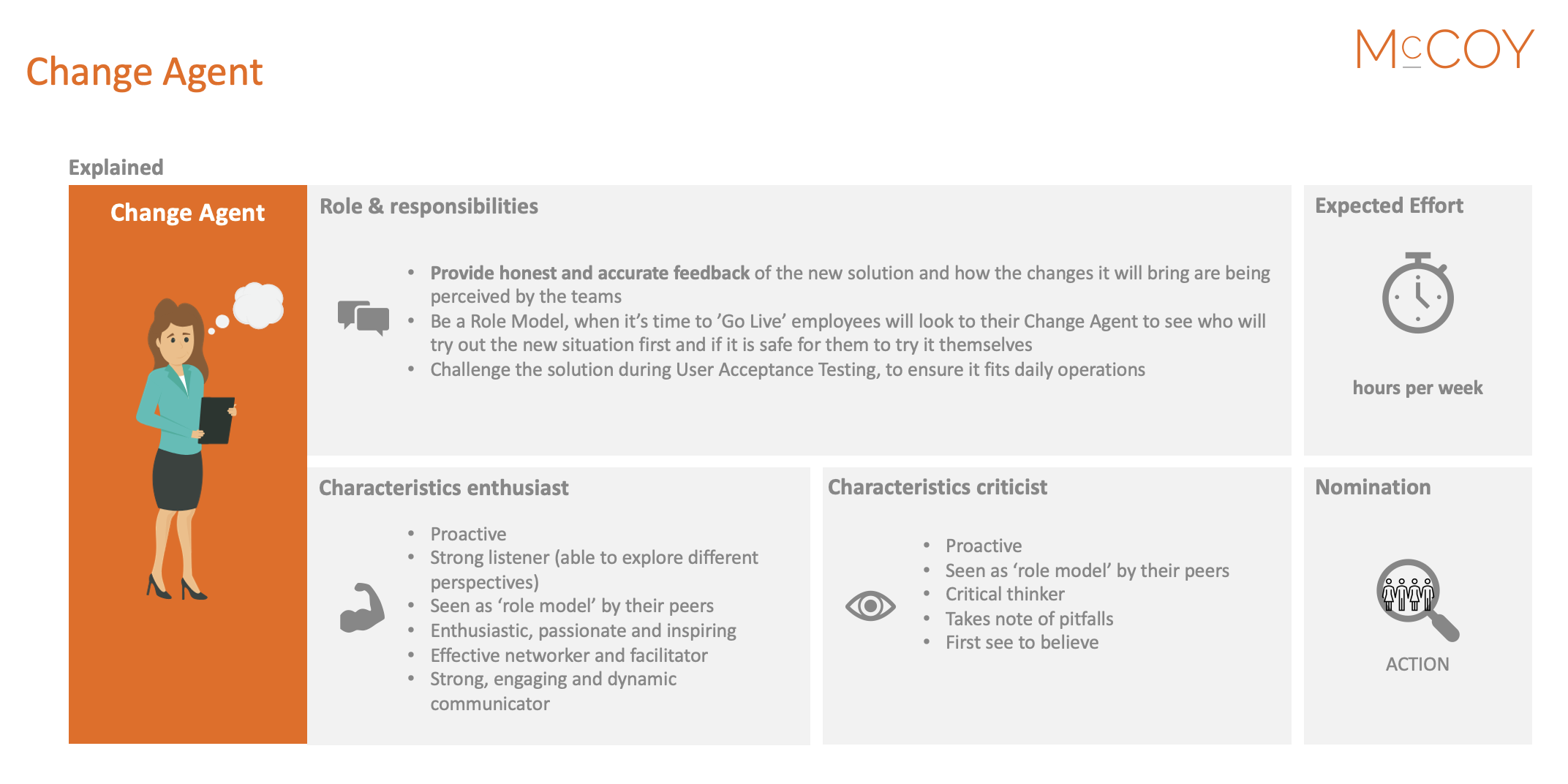
A design change agent is an individual or external entity tasked with driving transformation, innovation, or structural re-alignment within a creative initiative. When organizations initiate complex design projects—such as a complete brand overhaul, a digital product redesign, or a workplace spatial transformation—existing workflows and habits often create friction. A change agent steps into this ecosystem to bridge the gap between visionary goals and daily operational realities.
Unlike traditional project managers who focus strictly on timelines, budgets, and resource allocation, a change agent specializes in the human side of design implementation. They evaluate stakeholder sentiment, anticipate pushback against new aesthetic or functional directions, and design communication pathways that ensure buy-in across departments. By diagnosing cultural readiness for transformation, these specialists help teams move past the paralysis of the status quo and embrace new design paradigms without sacrificing productivity or alienating core users.
Furthermore, a change agent operates at the intersection of creative direction and strategic governance. They translate abstract design principles into concrete behavioral expectations for internal teams. Whether the project involves transitioning an enterprise software interface to a modern design system or shifting a physical retail footprint to an experiential layout, the change agent ensures that every phase of the project preserves the core intent while addressing the practical concerns of the people who must ultimately maintain and use the resulting design.
Assessing Project Scope and Cultural Readiness
Before engaging a change agent, leadership must conduct a thorough internal audit to map the organization's tolerance for disruption. Not every design project requires intensive cultural intervention; a minor website refresh may only need standard art direction, whereas an enterprise-wide product architecture redesign requires deep behavioral transformation management. Evaluating the scope involves defining the magnitude of the shift, the number of departments affected, and the degree to which existing workflows will be disrupted.
Cultural readiness dictates how a change agent must approach the engagement. If an organization has a history of failed design initiatives or deep-seated skepticism toward external consultants, the chosen agent must possess exceptional diplomatic skills and a background in psychological safety practices. Conversely, in highly agile environments, the agent can focus more on rapid iteration velocity and removing structural bottlenecks.
| Project Scope Level | Typical Design Impact | Primary Change Agent Focus | Estimated Integration Timeline |
|---|---|---|---|
| Minor / Incremental | Single department, surface-level UI/UX updates | Workflow alignment and tool adoption | 2 to 6 weeks |
| Moderate / Structural | Multiple departments, brand identity, or core product pivot | Stakeholder consensus and design system training | 2 to 6 months |
| Major / Transformational | Enterprise-wide, complete operational and spatial overhaul | Cultural alignment, executive coaching, and long-term governance | 6 to 18+ months |
This matrix helps decision-makers align their investment in change management with the actual risk profile of the design initiative. Misjudging the scope often results in either over-resourcing simple tasks or under-equipping teams for massive cultural shifts.
Key Competencies to Look For
Identifying the right candidate requires looking beyond a traditional resume and evaluating specific core competencies tailored to design dynamics. A qualified change agent must balance creative empathy with rigorous strategic discipline.
1. Fluency in Design Thinking and Technical Execution
A credible change agent does not need to be the lead UI designer or architect, but they must fluently speak the language of design. They need to understand design tokens, wireframing constraints, spatial ergonomics, or brand equity principles. This fluency allows them to translate executive business metrics into actionable creative briefs and, conversely, help creative teams understand the commercial constraints driving project parameters.
2. Stakeholder Mapping and Conflict Resolution
Design projects routinely stall due to conflicting executive visions. A skilled agent excels at stakeholder mapping—identifying who holds formal authority, who holds informal influence, and who carries operational veto power. They use facilitation techniques to guide divergent opinions toward consensus, neutralizing office politics and keeping the creative momentum moving forward.
3. Change Methodology Frameworks
Look for professionals certified in or deeply familiar with structured change frameworks, such as Prosci (ADKAR), Kotter’s 8-Step Process, or Agile change management methodologies. These frameworks provide repeatable, measurable milestones that prevent a design project from devolving into endless subjective debates about taste and preference.
Internal vs. External Change Agents
Organizations often debate whether to appoint an internal employee or hire an external consultant to act as the design change agent. Each approach carries distinct operational advantages and limitations.
- Internal Change Agents:
- Pros: Deep institutional knowledge, existing trust networks, understanding of unwritten cultural rules, and lower direct financial costs.
- Cons: Vulnerable to internal politics, potential lack of objective distance, risk of career retaliation if pushing controversial design directions, and possible distraction from primary operational duties.
- External Change Agents:
- Pros: Complete objectivity, fresh perspective unburdened by past company history, specialized expertise gained across multiple industries, and the ability to deliver hard truths without internal career risk.
- Cons: Higher direct financial investment, steep learning curve regarding company culture, and potential resistance from internal teams who view outsiders with skepticism.
For high-stakes transformations involving significant capital expenditure or radical brand departures, an external agent paired with an internal co-lead often yields the most balanced outcome. This hybrid model combines external authority with internal navigation support.
Step-by-Step Evaluation and Selection Process
Appointing a change agent requires a structured procurement and vetting process to ensure alignment with both the design goals and the organizational culture.
- Define the Transformation Mandate: Draft a clear charter outlining why the change is necessary, what behaviors must shift, and what success looks like upon project completion.
- Establish Selection Criteria: Weight candidates or consulting firms across three dimensions: domain expertise in design, proven change management track record, and cultural fit.
- Conduct Scenario-Based Interviews: Present candidates with realistic friction scenarios—such as a key executive rejecting a finalized design direction late in the process—to evaluate their real-time mediation and problem-solving tactics.
- Check References on Past Transformations: Contact former clients specifically regarding how the agent handled resistance, managed scope creep, and maintained team morale during difficult project phases.
- Draft a Milestone-Based Agreement: Structure contracts around behavioral adoption metrics, milestone reviews, and knowledge-transfer phases rather than open-ended hourly billing.
Common Pitfalls in Choosing a Change Agent
Even well-funded projects can falter if decision-makers fall into common traps during the selection process. Recognizing these pitfalls prevents wasted resources and project failure.
- Prioritizing Aesthetic Taste Over Process Skills: Selecting a change agent simply because they have an impressive portfolio of pretty designs is a critical error. The agent’s job is facilitation and structural navigation, not personal art direction.
- Ignoring Cultural Alignment: Hiring an aggressive, hyper-disruptive agent for a risk-averse, highly bureaucratic organization guarantees total stakeholder rebellion. The agent's communication style must match the psychological safety baseline of the company.
- ** Failing to Secure Executive Sponsorship:** Appointing a change agent without ensuring active, visible backing from the C-suite renders the agent powerless when encountering departmental resistance.
Frequently Asked Questions
What is the primary difference between a project manager and a design change agent?
A project manager focuses on timelines, deliverables, budgets, and resource allocation. A design change agent focuses on the human element, guiding stakeholders through behavioral shifts, resolving creative conflicts, and ensuring cultural adoption of the new design direction.
Can an internal employee successfully act as a change agent?
Yes, provided they have sufficient organizational authority, respect from peers, and protection from internal politics. However, internal agents may struggle to challenge senior executives objectively compared to an external consultant.
How do we measure the success of a design change agent?
Success is measured through both project delivery metrics (adherence to schedule and budget) and human adoption metrics (stakeholder sentiment scores, utilization rates of new design systems, and reduction in rework caused by internal friction).
When should a change agent be brought into a design project?
A change agent should be engaged during the discovery and scoping phase before any creative work begins. This allows them to map existing cultural friction points and set up governance structures early.
What qualifications should we look for in an external design change agent?
Look for a blend of design literacy (understanding creative workflows), change management certification (such as ADKAR or Kotter), and verified case studies demonstrating successful navigation of complex organizational resistance.
How long does a change agent typically remain involved in a project?
Their involvement depends on project scope, ranging from a few weeks for minor workflow realignments to over a year for enterprise-wide digital or physical transformations.
Image Gallery