Polaris Pool Cleaner Reviews Explained: A Comprehensive Guide to Choosing the Right Automatic Cleaner
Navigating Polaris pool cleaner reviews requires understanding the differences between pressure-side, suction-side, and robotic models, as well as evaluating your pool's specific filtration setup, debris load, and budget to select the...
Navigating Polaris pool cleaner reviews requires understanding the differences between pressure-side, suction-side, and robotic models, as well as evaluating your pool's specific filtration setup, debris load, and budget to select the right device.
Contents
When pool owners begin researching automatic pool maintenance equipment, they inevitably encounter a vast array of opinions, star ratings, and performance evaluations for Polaris pool cleaners. Manufactured by Zodiac Pool Systems, the Polaris brand has a decades-long history in the swimming pool industry, making its cleaning units among the most heavily reviewed products on the market. However, reading through hundreds of user reviews can quickly become overwhelming. One reviewer might praise a model for its climbing ability, while another complains about tangled hoses or complicated booster pump requirements.
Understanding these evaluations requires cutting through subjective frustration and identifying the core operational mechanics, power requirements, and structural limitations of each machine. Whether you are replacing an aging unit or upgrading from a manual vacuum, breaking down what these reviews actually mean will help you match the right cleaner to your specific backyard environment.
Categorizing the Polaris Lineup: Suction, Pressure, and Robotic
To make sense of Polaris pool cleaner reviews, you must first understand that "Polaris" is not a single product, but a diverse portfolio spanning three distinct technological categories. Review metrics vary wildly depending on which category a model belongs to, because each type relies on a completely different power source and debris collection method.
Suction-Side Cleaners
Suction-side models connect directly to your pool’s dedicated suction line or skimmer. They use the suction power of your existing pool pump and filter system to crawl along the floor and walls, vacuuming debris directly into your pool's filtration basket.
- Review Trends: Users often praise these units for their lower upfront cost and simple installation. Common complaints in reviews center on reduced skimming performance when the pool pump is running at low speeds (common with variable-speed pumps) and the tendency for leaves and twigs to clog the pool's main filter basket rather than a dedicated canister.
Pressure-Side Cleaners
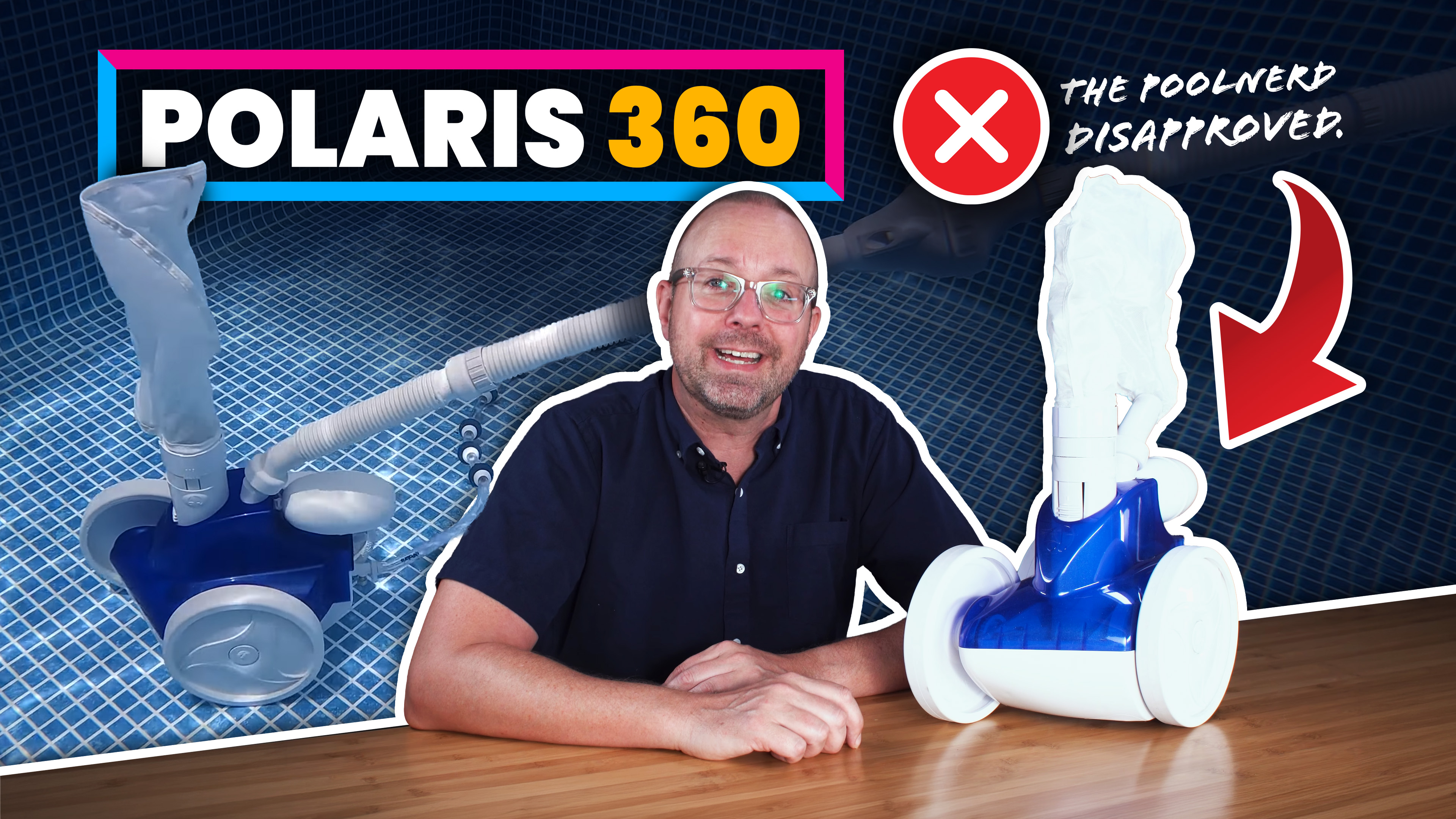
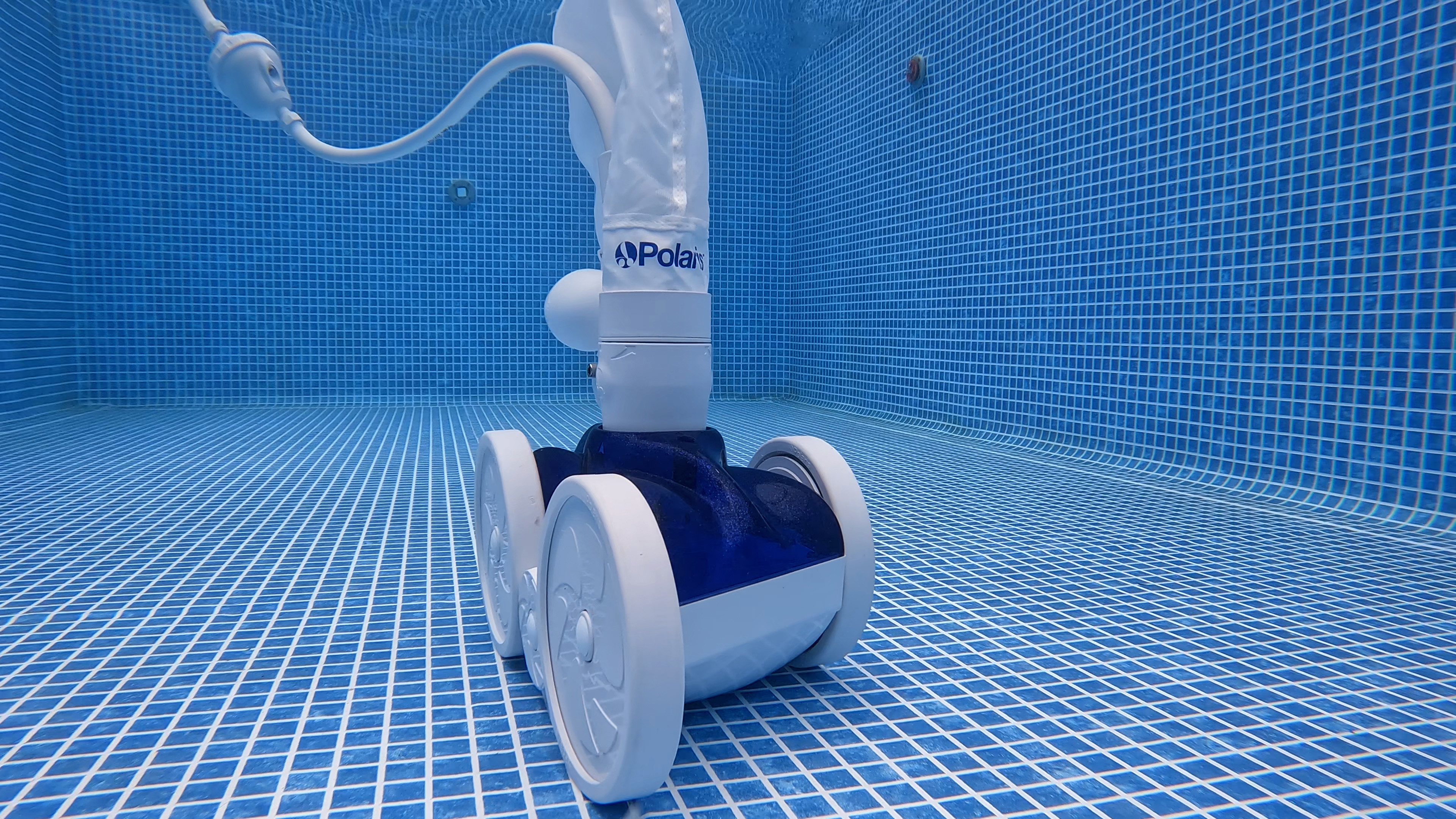
Pressure-side cleaners attach to a dedicated return line and use positive water pressure to propel themselves around the pool. Many traditional high-performance Polaris pressure models require a separate, auxiliary booster pump installed on the equipment pad to generate sufficient thrust.
- Review Trends: These are frequently lauded in reviews for their heavy-duty debris collection. They typically feature an integrated filter bag that traps large leaves, acorns, and pebbles before they reach the pool's pump basket. The primary grievances in reviews involve the added electricity cost and installation complexity of the booster pump, as well as the bulkiness of the heavy feed hoses.
Robotic Cleaners
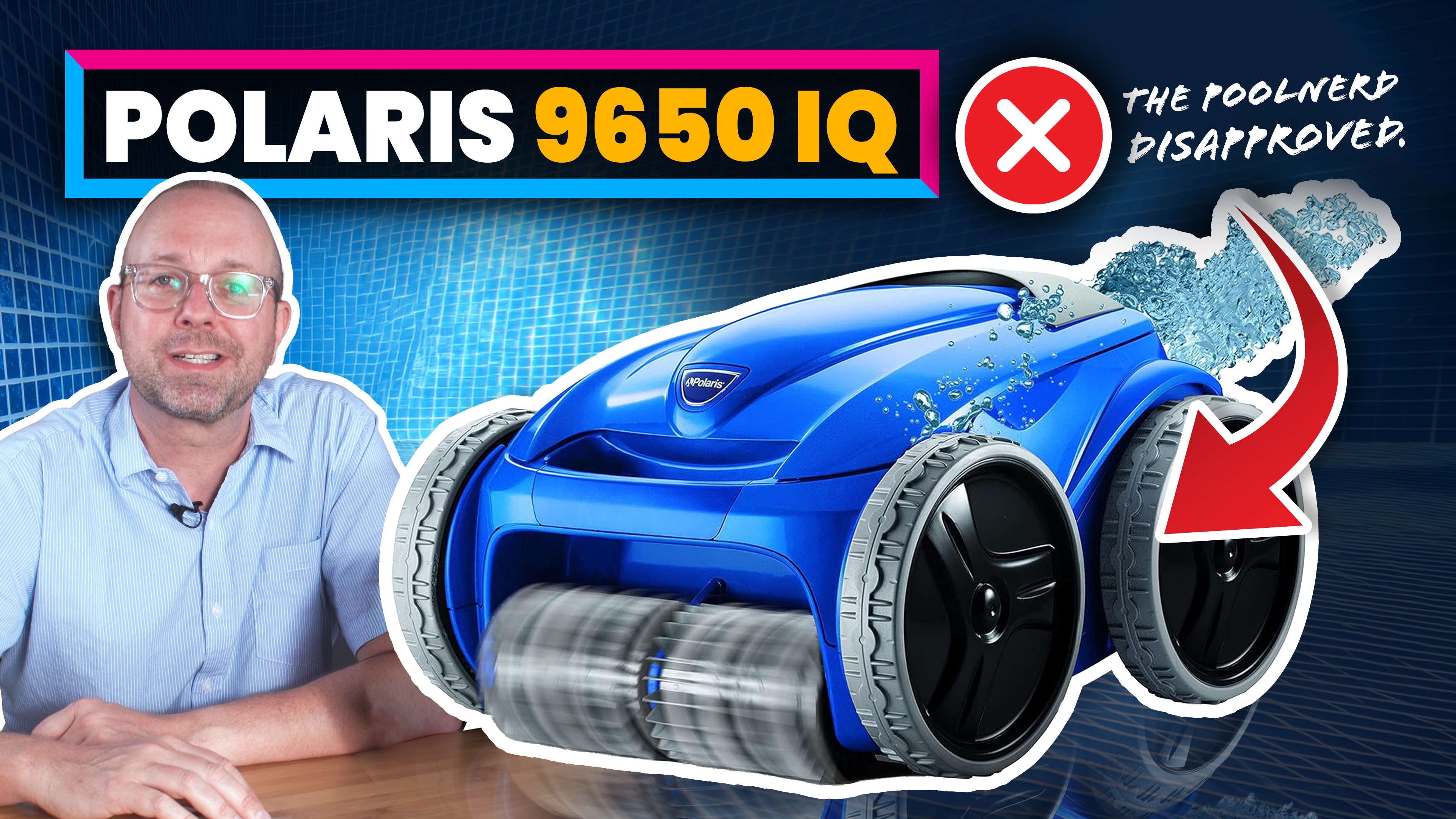
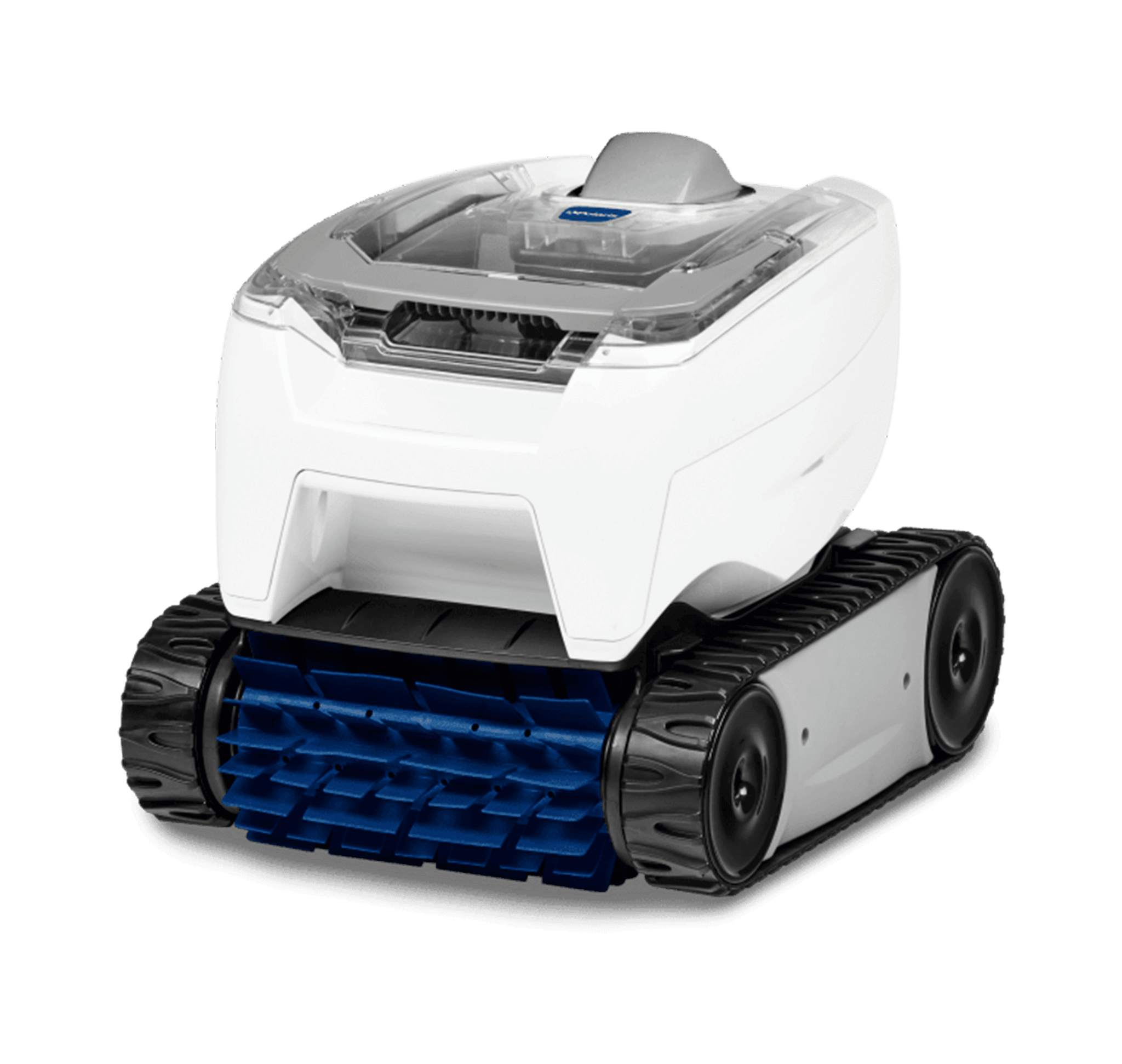
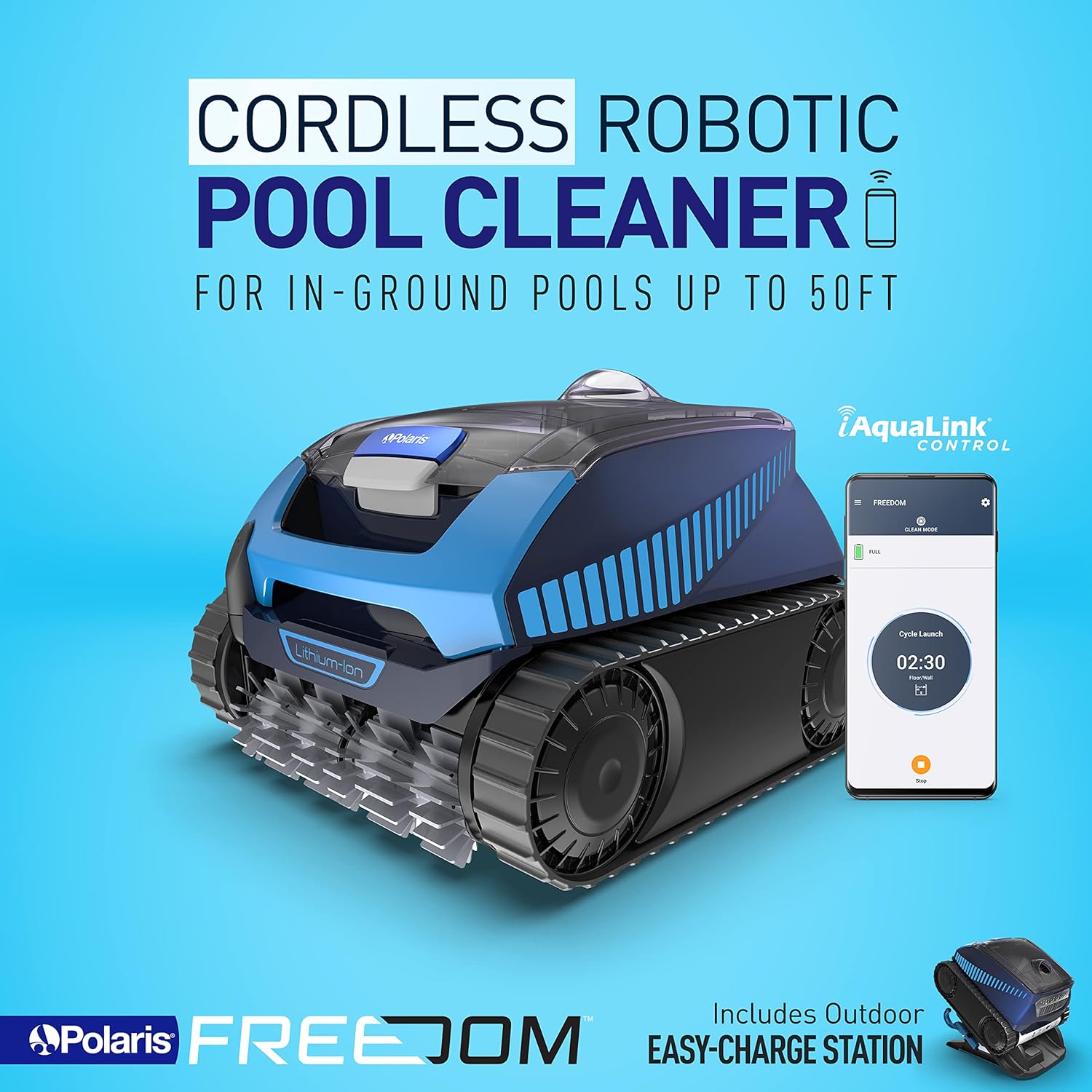
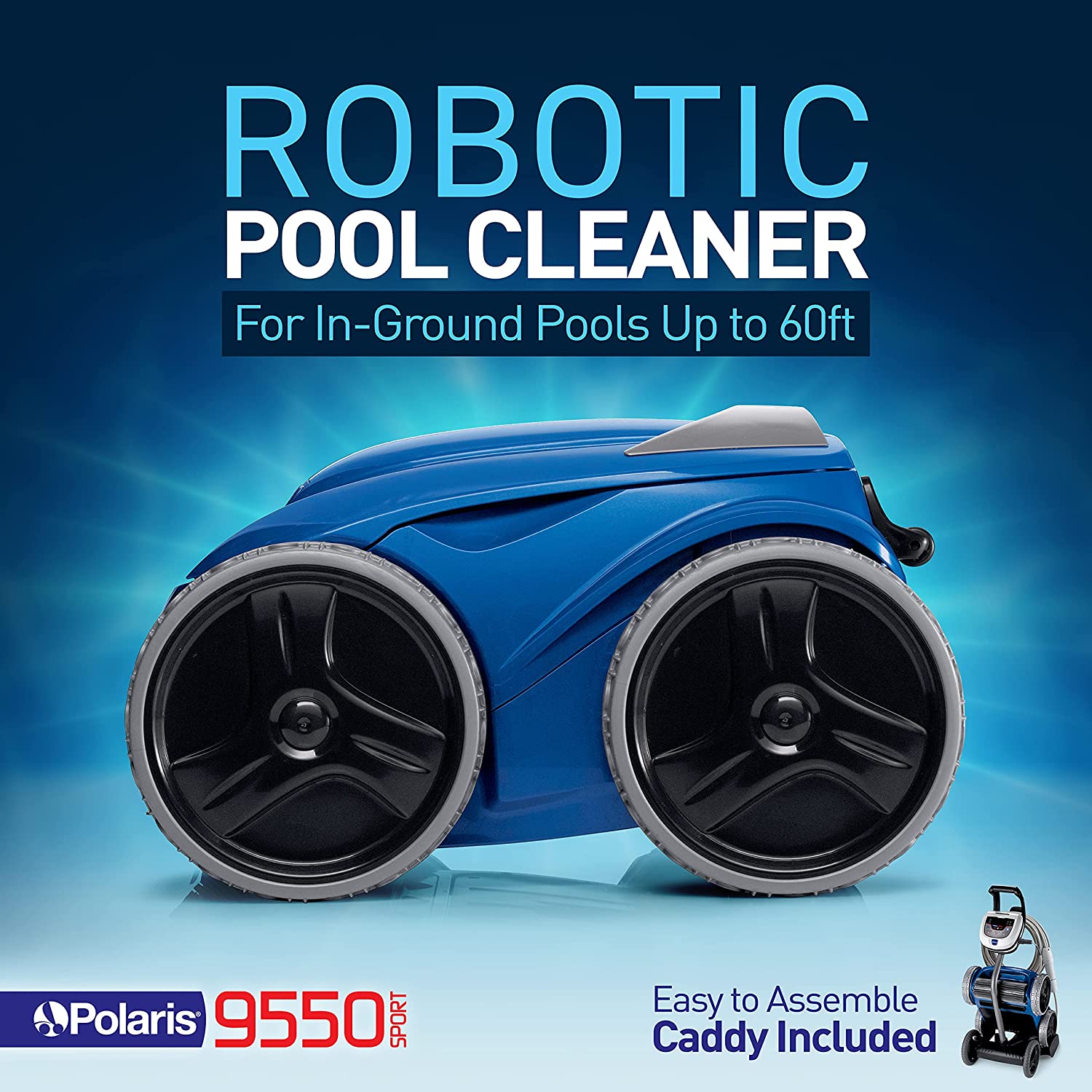
Modern robotic Polaris cleaners operate independently of your pool's filtration system. They plug into a standard ground-fault circuit interrupter (GFCI) outlet, using internal electric motors and intelligent navigation software to scrub surfaces and capture debris in an onboard filter canister.
- Review Trends: Reviews for robotic units generally highlight exceptional energy efficiency, superior cleaning thoroughness, and advanced features like programmable scheduling and smartphone app integration. Negative reviews usually focus on the higher purchase price, the weight of the unit when lifting it out of the water, and occasional cord-tangling issues in irregularly shaped pools.
Key Performance Metrics Evaluated in User Reviews
When examining consumer feedback and professional pool technician evaluations, several recurring performance metrics determine whether a Polaris cleaner earns high marks or heavy criticism. Analyzing these factors helps contextualize why different users report vastly different experiences with the exact same machine.
Debris Capacity and Handling
The types of debris prevalent in your region heavily influence how a pool cleaner performs. In reviews, users living in heavily wooded areas with large deciduous trees prioritize massive filter bags or large-capacity canisters.
- Pressure-side cleaners excel with large debris like oak leaves, palm fronds, and twigs because this material is trapped in the cleaner's onboard bag, preventing clogs in the primary pool pump.
- Conversely, fine particulate matter like desert dust, pollen, or dead algae often slips through coarse debris bags, leading to lower review scores from pool owners who expected crystal-clear water without supplementary manual vacuuming.
Wall Climbing and Surface Coverage
A frequent point of discussion in Polaris pool cleaner reviews is navigation intelligence and wall-climbing capability.
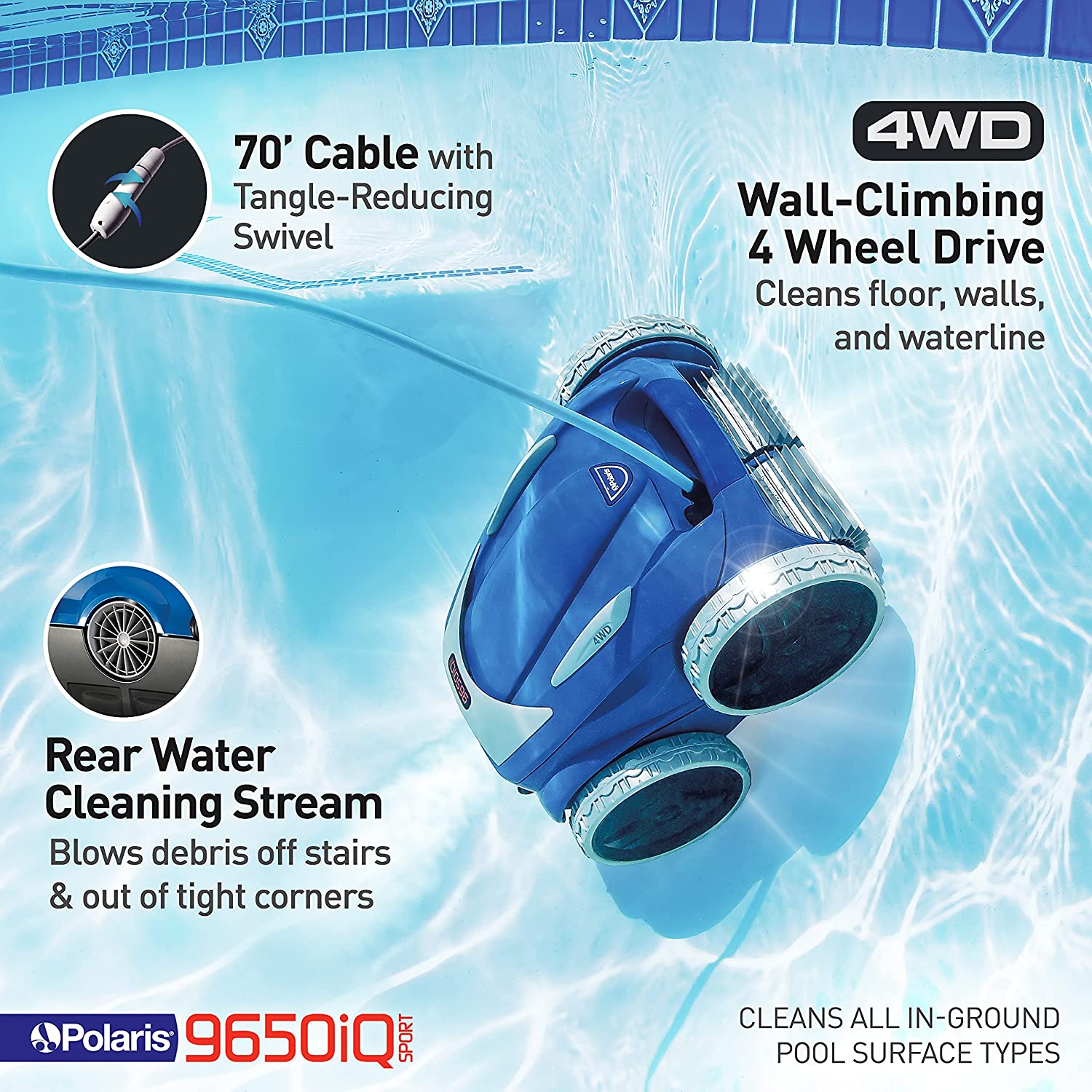
- High-end pressure and robotic models feature advanced thrusters or four-wheel drive systems designed to scale walls up to the tile line and sweep the waterline, where oils and sunscreen tend to accumulate.
- Lower-rated reviews often stem from units getting stuck on main drains, trapped on pool steps, or failing to navigate 90-degree pool corners efficiently. Reviewers frequently note that wheel wear or improper hose balancing can drastically degrade a cleaner's pattern over time.
Installation and Maintenance Requirements
Ease of setup is another major driver of review sentiment. Suction-side units generally win praise for plug-and-play simplicity. Pressure-side units that require a booster pump often frustrate DIY homeowners who must hire an electrician or plumber to install a 230V/115V auxiliary pump on the equipment pad. Maintenance reviews also focus on wear-and-tear items such as tire treads (scrubbing brushes), drive belts, backup valves, and filter bags, which require periodic inspection and replacement.
Comparative Overview of Polaris Cleaning Technologies
To clarify the operational differences and review profiles of the primary Polaris cleaner types, consider the following structural comparison:
| Feature / Metric | Suction-Side Models | Pressure-Side Models | Robotic Cleaners |
|---|---|---|---|
| Power Source | Existing pool filtration pump | Dedicated return line (often with booster pump) | Standard 120V electrical outlet via GFCI |
| Debris Destination | Main pool skimmer / filter basket | Onboard filter bag (pre-filtration) | Onboard filter canister / cartridge |
| Primary Advantage | Lower initial purchase price | Excellent for heavy, large-leaf debris loads | Maximum energy efficiency and fine filtration |
| Common Review Complaint | Clogs pool filter; struggles with heavy leaf loads | Requires booster pump; heavy hoses; higher power use | Higher initial cost; heavier unit weight to lift out |
| Installation Complexity | Low (plugs into skimmer or dedicated line) | Moderate to High (requires plumbing/booster pump) | Low (plug and play into electrical outlet) |
Interpreting Common Criticisms in Reviews
When reading negative reviews for Polaris pool cleaners, it is essential to separate design flaws from improper equipment matching or poor pool chemistry. Many negative ratings can be traced back to environmental mismatches rather than manufacturing defects.
Variable-Speed Pump Compatibility
One of the most common modern complaints involves suction-side and pressure-side cleaners operating poorly when paired with energy-efficient variable-speed pool pumps. These pumps often run at low RPMs for extended periods to conserve electricity. However, low-flow states do not provide enough hydraulic pressure or suction to drive mechanical backup valves or propel pressure-side wheels. Reviewers who downgrade a cleaner for failing to move often overlook the fact that their pump schedule needs adjustment to a higher flow rate during cleaning cycles.
Hose Memory and Tangle Issues
Pressure and suction cleaners rely on long, buoyant feed hoses to navigate the pool surface. In reviews, users frequently mention hoses developing "memory" curls or tangling, which restricts the cleaner's range of motion. Experienced pool technicians point out that laying hoses flat in the sun before installation or properly adjusting the swivel floats and backup valves can resolve these issues, yet many consumers leave negative reviews before performing these adjustments.
How to Match a Polaris Cleaner to Your Pool Specifications
Instead of relying solely on overall star ratings, use your pool's physical characteristics to filter through reviews and find the ideal model:
- Assess Your Pool Circulation Setup: Verify whether you have a dedicated pressure line, a booster pump, a dedicated suction line, or simply standard skimmers. This single factor determines whether you can use a pressure-side cleaner or if you are restricted to suction or robotic options.
- Evaluate Debris Types: If your yard features pine needles, large leaves, and heavy organic debris, prioritize models with high-capacity debris containment bags or large top-access robotic filter canisters.
- Analyze Pool Surface Material: Gunite/concrete, fiberglass, and vinyl liner pools react differently to traction wheels and scrubbing brushes. Read reviews from owners with the same pool surface to verify traction and grip performance.
- Consider Physical Handling: If lifting a water-filled cleaner out of the deep end presents a physical challenge, look for lightweight suction models or robotic cleaners equipped with rapid water-release valves.
Frequently Asked Questions
Do all Polaris pressure cleaners require a booster pump?
Not all models require a separate booster pump, but high-performance traditional units like the Polaris 380 and 280 do require an auxiliary booster pump to achieve the necessary water pressure for optimal wall climbing and debris capture. Newer models, such as the Polaris Quattro Sport, are engineered to operate efficiently on standard pressure-side lines in certain configurations, but verifying pump specifications against manufacturer guidelines is essential before purchase.
Why does my Polaris cleaner keep getting stuck on the main drain?
Main drains create suction anomalies and physical ridges that can trap low-profile cleaners. If reviews or your own experience indicate the unit constantly stalls on the main drain, check the adjustment of the mechanical backup valve (if using a pressure model) or install a low-profile main drain cover designed to allow wheels to roll smoothly over the fixture.
How often do Polaris filter bags and tires need replacement?
Wear-and-tear items depend heavily on pool chemistry, run times, and debris volume. Typically, all-purpose filter bags and zippered leaf bags last between one to two seasons before fabric degradation occurs. Tire treads or scrubbing brushes generally require replacement every 12 to 24 months when traction diminishes and slippage increases on slick pool walls.
Can a Polaris cleaner replace manual vacuuming entirely?
While automatic cleaners drastically reduce maintenance labor, they are designed for routine, ongoing maintenance rather than heavy-duty restoration. If a pool has been neglected for months and accumulated a thick layer of decomposing organic sludge, manual vacuuming to waste is usually required before deploying an automatic cleaner to maintain daily cleanliness.
Are robotic Polaris cleaners more expensive to run than pressure models?
Robotic Polaris cleaners consume significantly less electricity than high-powered pool filtration pumps or auxiliary booster pumps running for hours daily. While the initial purchase price of a robotic unit is often higher, the operational energy savings over several swimming seasons frequently offset the upfront cost difference.
Conclusion
Analyzing Polaris pool cleaner reviews requires looking beyond emotional ratings and examining the underlying mechanics of your pool's infrastructure. By matching your pool's pump setup, debris profile, and physical layout to the correct category of suction, pressure, or robotic cleaner, you can filter out irrelevant complaints and select a reliable machine that keeps your pool clean with minimal operational friction.
Image Gallery