The Rise of Author McFadden in Thriller Publishing
Freida McFadden has transformed the contemporary psychological thriller landscape through a combination of self-publishing persistence, strategic traditional hybrid deals, and a relentless focus on high-concept, highly twisty pacing. O...
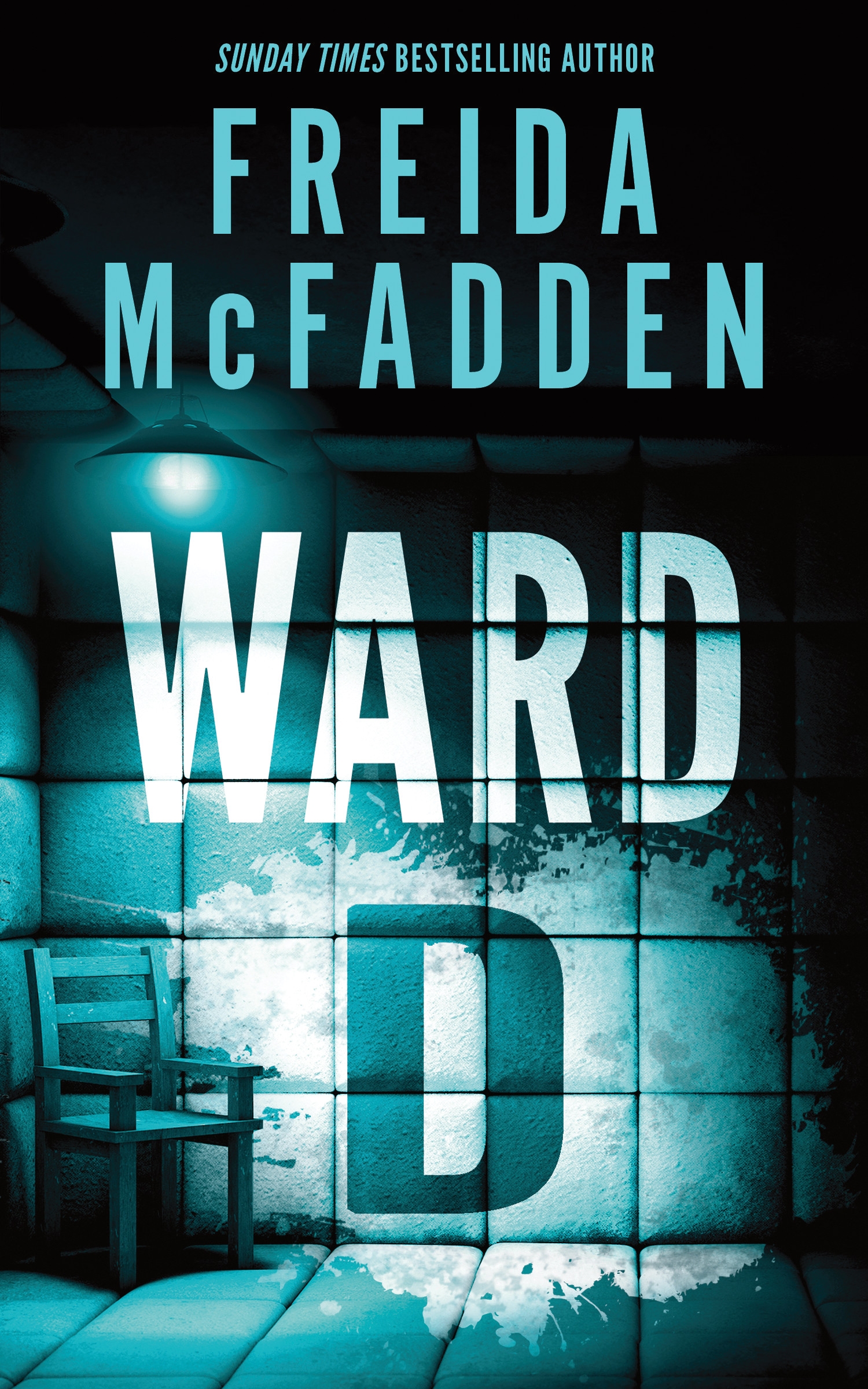
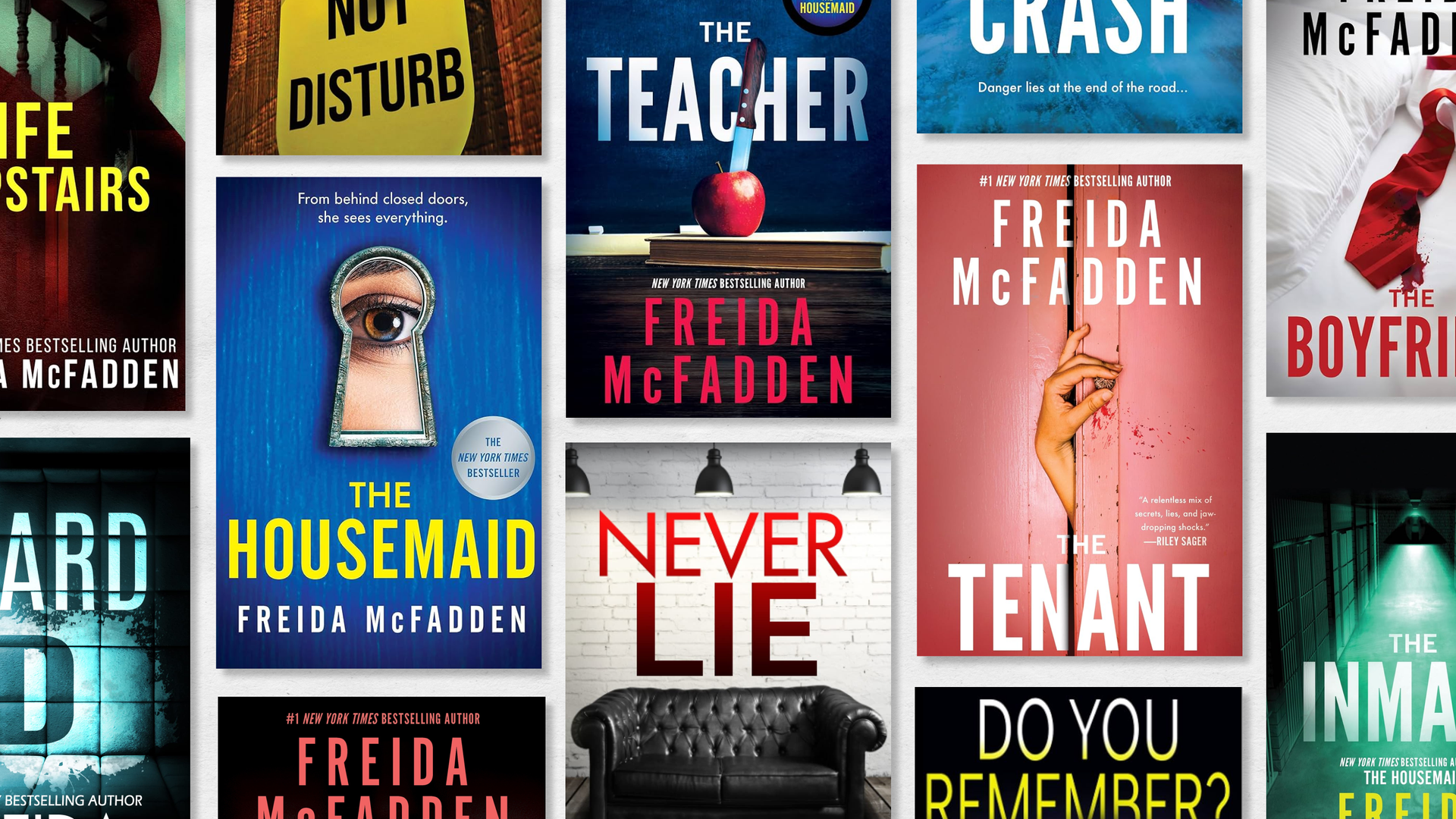
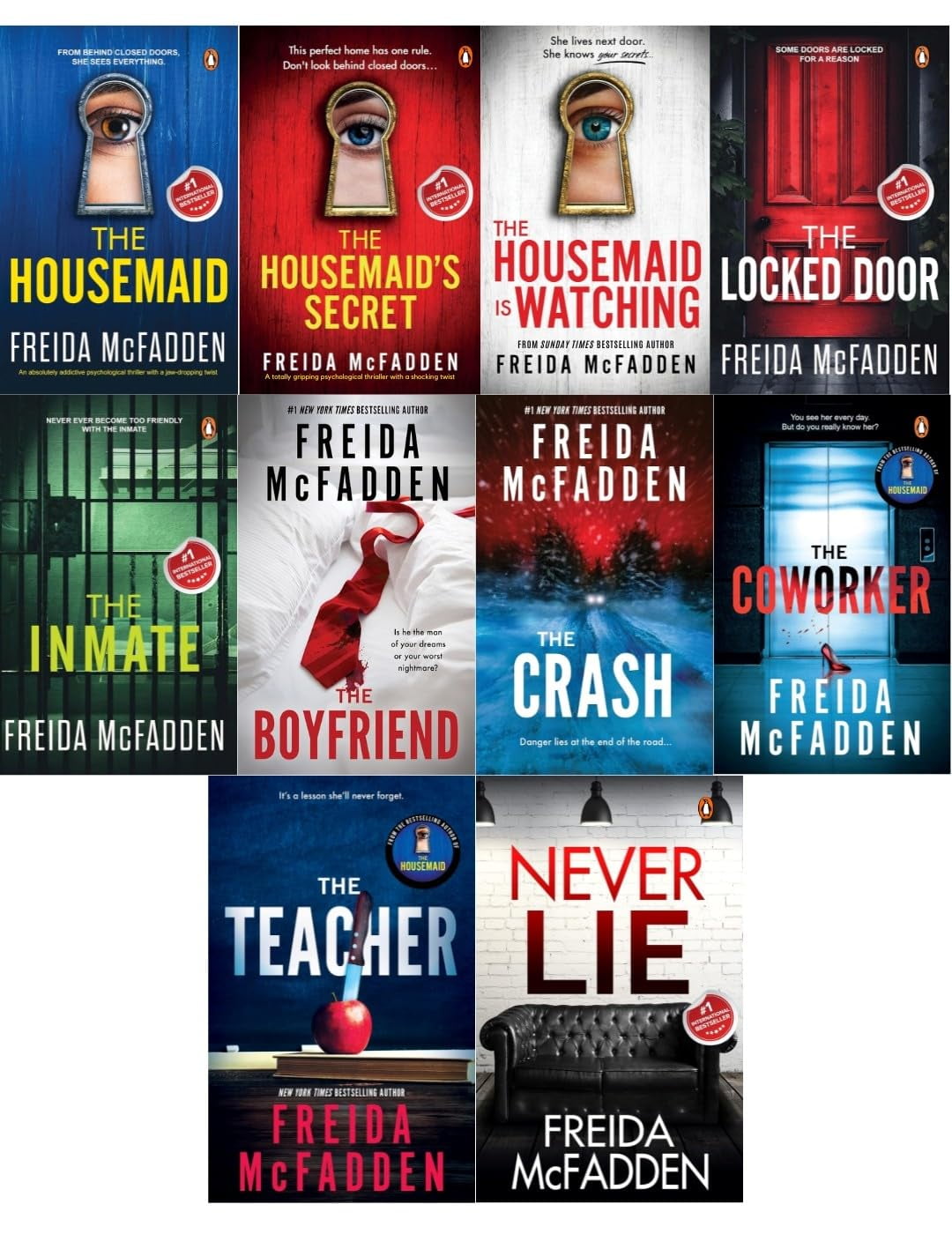
Freida McFadden has transformed the contemporary psychological thriller landscape through a combination of self-publishing persistence, strategic traditional hybrid deals, and a relentless focus on high-concept, highly twisty pacing. Originally practicing medicine as a brain injury physician, McFadden balanced clinical work with writing before achieving breakout international success with novels like The Housemaid. Her trajectory offers a compelling case study in modern publishing, combining direct-to-consumer digital marketing with mass-market retail dominance.
Contents
Understanding McFadden's rapid ascent requires looking at the structural shifts in the thriller genre, the mechanics of modern ebook and audiobook consumption, and the evolving relationship between indie platforms and traditional publishing houses. This analysis explores the core strategies, structural elements, and market impacts defining her contemporary career.
The Evolution of the Psychological Thriller Genre
The psychological thriller market has experienced a significant shift over the past decade, moving away from slow-burn literary mysteries toward breathless, high-concept narratives defined by unreliable narrators, domestic settings, and explosive twists. Readers increasingly gravitate toward stories featuring claustrophobic environments—such as isolated houses, live-in domestic positions, or snowbound cabins—where psychological tension builds rapidly.
McFadden entered this space by mastering the structural demands of the modern binge-read. Her novels are engineered with short chapters, immediate narrative hooks, and cliffhangers at the end of nearly every chapter. This mechanical precision aligns with digital reading habits on e-readers and subscription services like Kindle Unlimited, where pacing directly influences reader retention, completion rates, and algorithmic visibility.
Furthermore, the genre relies heavily on word-of-mouth recommendations within online reader communities. Platforms like BookTok on TikTok and Bookstagram on Instagram thrive on emotional reactions to sudden plot twists. McFadden’s writing style, which frequently subverts reader expectations in the final pages, provides the exact kind of shareable, watercooler-style moments that accelerate viral book marketing.
From Self-Publishing Foundations to Hybrid Success
Before securing prominent placement on traditional bestseller lists, McFadden built her foundation as an independent author. Self-publishing required direct management of cover design, professional editing, launch schedules, and digital advertising. This period taught her valuable lessons about audience engagement and the importance of a consistent release cadence.
When an author maintains a steady output of books, they maximize visibility across online retailers. McFadden leveraged platforms like Amazon KDP (Kindle Direct Publishing) to build an initial core readership. By keeping prices accessible and participating in promotional programs, she accumulated reviews and algorithmic momentum.
| Publishing Phase | Primary Distribution Channels | Key Strategic Advantage |
|---|---|---|
| Early Independent Era | Amazon KDP, Kindle Unlimited | Direct audience data, high output |
| Hybrid Transition | Poisoned Pen Press, Sourcebooks | Expanded bookstore shelf space |
| Mass-Market Dominance | Major retail chains, Global audio | Cross-format bestseller status |
This indie foundation did not preclude traditional partnerships; instead, it positioned her as a low-risk, high-reward prospect for publishers. Traditional houses could observe verified sales data and audience demand before offering contracts. This hybrid approach allows McFadden to reach library systems, big-box retailers, and international markets that traditional distribution channels dominate, while maintaining the agile output speed characteristic of successful independent writers.
Key Narrative Techniques Driving High Engagement
The commercial success of McFadden's thrillers relies on distinct narrative mechanics that differentiate her work in a crowded marketplace. Analyzing these techniques reveals why her books consistently capture reader attention across diverse demographics.
- Unreliable Domestic Perspectives: Stories are frequently told from the viewpoint of characters whose pasts are obscured or whose motivations are initially misaligned with the reader's assumptions.
- The Power Dynamic Shift: Plots often center on vulnerable protagonists—such as domestic workers or struggling employees—who find themselves inside wealthy households where power balances flip dramatically.
- Architectural Claustrophobia: Settings are deliberately restricted. Characters are trapped by weather, social obligation, or physical locks, forcing direct confrontation without easy escape routes.
- Multi-Tiered Twists: Rather than relying on a single late-stage revelation, McFadden structures her climaxes with cascading twists that recontextualize earlier chapters.
These elements require precise plotting. Authors who write in this subgenre must meticulously plant clues while misdirecting the reader's attention through characterization and pacing.
The Impact of Digital Audio and Subscription Models
The growth of audiobooks has transformed thriller publishing, and McFadden's work has benefited immensely from this format. Psychological thrillers translate exceptionally well to audio due to their narrative momentum and dramatic dialogue.
Narrators hired for these projects often employ distinct pacing and tonal shifts to heighten suspense during key sequences. Listeners consuming books via subscription services value high-stakes narratives that maintain engagement during commutes, workouts, or household chores.
Additionally, the rise of flat-rate digital reading subscriptions has changed how readers discover authors. By making backlist titles easily accessible alongside new releases, authors can capture readers who sample one book and subsequently purchase an entire back catalog. This discoverability loop fuels sustained presence on bestseller lists long after a book's initial launch week.
Challenges and Criticisms in Rapid Thriller Production
The commercial model that drives McFadden's success—characterized by rapid output and accessible prose—also invites specific critical discussions within literary circles.
Critics of high-output commercial fiction sometimes argue that the emphasis on fast pacing and constant twists can lead to formulaic plotting or diminished focus on deep literary character development. When an author releases multiple books per year, maintaining rigorous editorial scrutiny becomes a significant operational challenge.
Furthermore, the reliance on sensational domestic setups can lead to thematic repetition across different titles. Readers who consume thrillers strictly for literary experimentation or complex social commentary may find the straightforward prose style distinct from traditional suspense novels. However, for the core audience of genre enthusiasts, this predictability in delivery—paired with unpredictable plot outcomes—is precisely the desired experience.
Frequently Asked Questions
What was Freida McFadden's breakout novel?
Her breakout success is widely attributed to The Housemaid, published initially independently and later picked up by Poisoned Pen Press/Bookouture, which became a global bestseller and dominated international charts for extended periods.
Does Freida McFadden still practice medicine?
Yes, McFadden maintains her medical background as a practicing physician specializing in brain injury, balancing her clinical work with her career as a full-time author.
Are all of McFadden's books part of a series?
While she has written interconnected series—such as The Housemaid sequels—many of her psychological thrillers are standalone novels with self-contained plots and distinct characters.
Why are short chapters a hallmark of modern thrillers?
Short chapters encourage continuous reading by creating micro-goals for the reader. They accelerate narrative momentum and fit seamlessly into modern digital consumption habits on smartphones and e-readers.
How did self-publishing shape her traditional publishing deals?
Self-publishing allowed McFadden to build a proven sales track record, establish a loyal reader base, and gather market data, giving her strong leverage when negotiating with traditional publishing houses.
Strategic Next Actions for Aspiring Writers
Writers looking to emulate the operational success of modern thriller authors should focus on several practical steps. First, master the fundamentals of genre pacing by studying how established authors structure tension and release across chapters. Second, build a consistent writing and revision schedule to sustain output without sacrificing basic narrative coherence. Finally, understand the mechanics of digital publishing platforms, reader communities, and direct audience engagement to ensure your work reaches the right target demographic.
Image Gallery