The Best Pump Up Songs for Every Workout: Science-Backed Tracks for Peak Performance
The ultimate workout playlist balances tempo measured in beats per minute (BPM), rhythmic structure, and personal preference to match your specific exercise intensity. High-tempo tracks ranging from 130 to 160 BPM drive high-intensity...
The ultimate workout playlist balances tempo measured in beats per minute (BPM), rhythmic structure, and personal preference to match your specific exercise intensity. High-tempo tracks ranging from 130 to 160 BPM drive high-intensity interval training and sprinting, while aggressive, mid-tempo songs (100 to 120 BPM) optimize heavy strength training. Matching musical cadence to movement reduces perceived effort and maximizes physical output.
Contents
The Science of Music and Exercise Performance
Music acts as an ergogenic aid—a performance-enhancing tool that improves physical efficiency, delays fatigue, and elevates mood. Decades of research in exercise psychophysiology demonstrate that carefully selected audio tracks alter how the central nervous system processes physical strain. When you exercise with music, two primary mechanisms dictate your performance: auditory-motor synchronization and perceptual dissociation.
How Beats Per Minute (BPM) Drive Movement
Auditory-motor synchronization occurs when the brain matches body movements to the rhythm of external sounds. The human brain naturally synchronizes motor neurons with auditory cues, a process known as entrainment. In endurance sports such as running or cycling, matching stride rate or pedal revolutions to a track's BPM reduces metabolic cost. Research led by sports psychologists shows that synchronous music can increase work output while decreasing oxygen consumption by up to 7%.
Different workout modalities require distinct tempo windows:
- Warm-Up & Mobility: 90–115 BPM (gradually raising cardiac output)
- Heavy Strength Training: 100–125 BPM (heavy bass and driving rhythmic emphasis)
- Steady-State Cardio: 120–140 BPM (matching moderate cadence)
- HIIT & Sprinting: 135–165+ BPM (maximum neuromuscular stimulation)
- Cool-Down: 60–80 BPM (activating parasympathetic recovery)
Rating of Perceived Exertion (RPE) and Dissociation
During strenuous exercise, the brain receives sensory feedback from muscles, joints, and the cardiovascular system signaling exertion and fatigue. Listening to high-energy music creates an auditory distraction that lowers your Rating of Perceived Exertion (RPE). While music cannot lower your actual heart rate during maximal sprint efforts, it alters sensory perception, allowing athletes to tolerate higher workloads before feeling exhausted. The brain’s attention capacity is finite; engaging songs effectively block mild fatigue signals during submaximal exercise.
High-Intensity Interval Training (HIIT) & Sprinting: Fast-Paced Energetic Tracks
High-Intensity Interval Training demands explosive power, rapid heart-rate elevations, and mental toughness. Music selected for HIIT must feature fast tempos, abrupt build-ups, and explosive drops that align with work intervals.
Recommended High-Intensity Tracks
- "Till I Collapse" – Eminem ft. Nate Dogg (171 BPM)
- Why it works: Featuring a heavy driving rhythm, this hip-hop anthem maintains a relentless tempo ideal for sprint intervals and assault bike sprints. The driving percussion triggers heightened arousal and task focus.
- "Power" – Kanye West (154 BPM)
- Why it works: Built around an aggressive handclap sample and driving chant, this track delivers a strong rhythmic anchor for high-tempo circuit training, kettlebell swings, and plyometrics.
- "Sandstorm" – Darude (136 BPM)
- Why it works: A classic electronic dance music track with an unwavering synth line and fast tempo. The absence of complex lyrical narrative keeps attention focused entirely on cadence and speed.
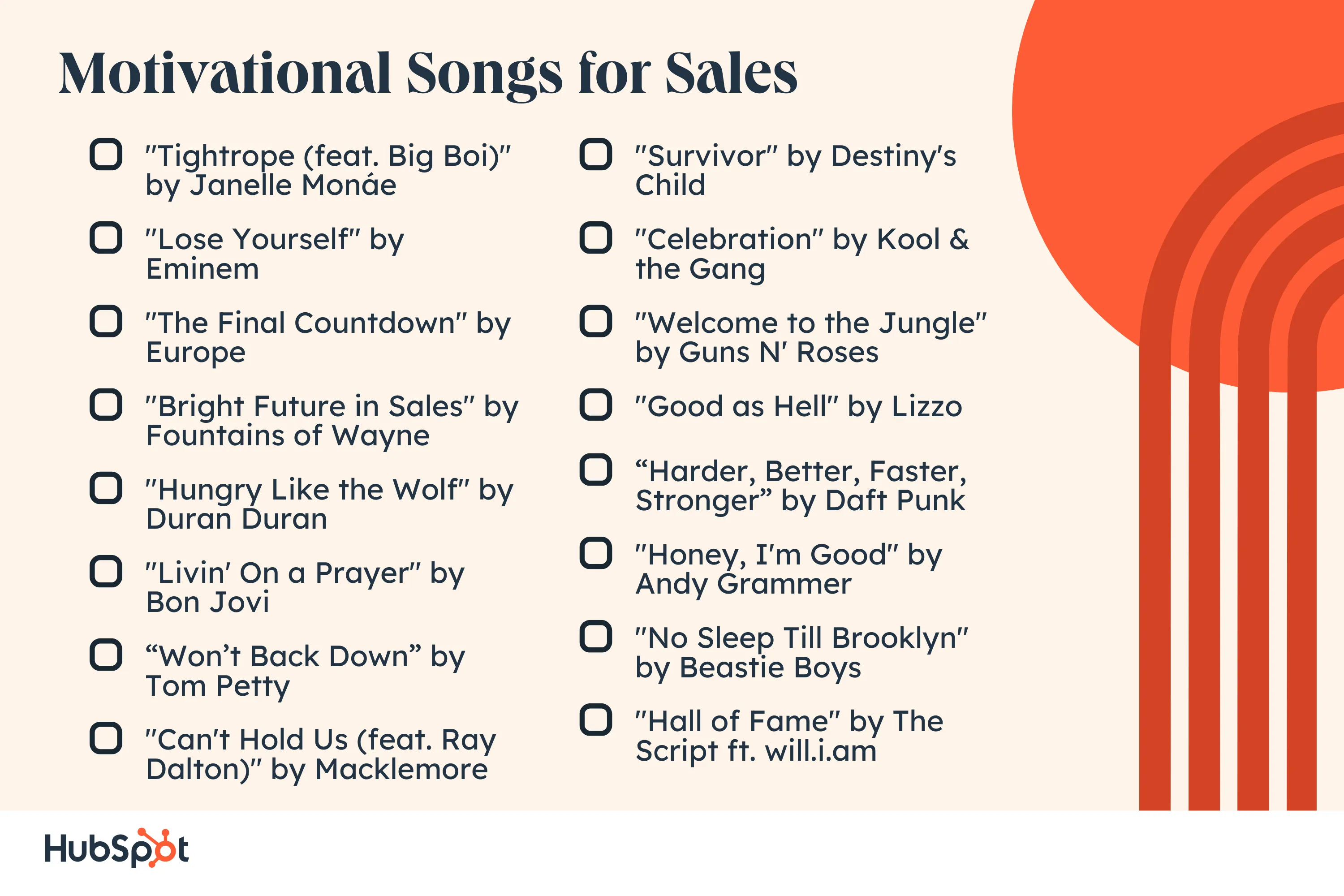
- "Can't Hold Us" – Macklemore & Ryan Lewis (146 BPM)
- Why it works: Combining rapid vocal delivery with high-tempo percussion, this track provides a continuous energetic pump during Tabata protocols and short interval rest periods.
When structuring a HIIT playlist, arrange songs so that intense musical drops align with your work phases, while slightly lower-intensity bridges cover your brief recovery intervals.
Heavy Strength Training & Powerlifting: High-Intensity Aggressive Anthems
Heavy strength work—such as deadlifts, squats, and bench presses—requires maximal motor unit recruitment and psychological readiness. Unlike cardio, where rhythmic repetition dominates, strength training benefits from intense, aggressive audio that triggers sympathetic nervous system arousal (the "fight-or-flight" response), elevating adrenaline production prior to heavy lifts.
Recommended Heavy Strength Tracks
- "Du Hast" – Rammstein (125 BPM)
- Why it works: The industrial metal guitars and precise, marching drumbeat provide a grounded rhythm for heavy compound movements. The steady tempo helps lifters time setup cues and bracing protocols.
- "Break Stuff" – Limp Bizkit (110 BPM)
- Why it works: Featuring aggressive distortion and raw vocal delivery, this song helps reduce inhibition and increases arousal immediately before maximal effort attempts or heavy working sets.
- "Down With the Sickness" – Disturbed (90/180 BPM feel)
- Why it works: Known for its syncopated drum intro, this metal track builds tension before releasing into a driving rhythm, making it a standard choice for powerlifters preparing for a top-set attempt.
- "X Gon' Give It to Ya" – DMX (95 BPM)
- Why it works: Mid-tempo hip-hop tracks with strong bass lines match the slower, deliberate cadence of heavy lifting while maintaining high psychological energy and focus.
Steady-State Cardio & Distance Running: Rhythmic Cadence Builders
Steady-state cardio relies on sustained rhythm. Runners often target a stride turnover between 160 and 180 steps per minute (SPM), while cyclists target a cadence between 80 and 100 revolutions per minute (RPM). Music for steady-state training should feature a predictable beat structure without sudden tempo changes.
Recommended Steady-State Cardio Tracks
- "Blinding Lights" – The Weeknd (171 BPM)
- Why it works: Operating at 171 BPM, this synth-pop track sits directly in the sweet spot for distance runners seeking a high stride frequency without forcing an unnatural cadence.
- "Dog Days Are Over" – Florence + The Machine (150 BPM)
- Why it works: The building percussion creates a natural crescendo, encouraging runners to maintain momentum during long, aerobic efforts or hill climbs.
- "Lose Yourself" – Eminem (171 BPM)
- Why it works: The steady, rolling baseline and rhythmic verse structure facilitate long-duration focus during zone-2 aerobic conditioning.
- "Stronger" – Daft Punk / Kanye West (104 BPM)
- Why it works: Well-suited for indoor cycling at a lower cadence with high resistance, or for moderate-tempo outdoor walking and recovery runs.
Warm-Up and Cool-Down: Transitioning the Nervous System
A complete workout playlist must extend beyond peak exertion. The warm-up phase should gradually transition the nervous system from a resting state to heightened readiness, while the cool-down phase accelerates recovery.
Warm-Up Dynamics (90–115 BPM)
During warm-ups, heart rate, core temperature, and synovial fluid circulation increase gradually. Select tracks that start at a moderate tempo and build in intensity over 10 to 15 minutes.
- Recommended Track: "Uptown Funk" – Mark Ronson ft. Bruno Mars (115 BPM) — Encourages dynamic movement and mobility drills without provoking premature exhaustion.
Cool-Down Dynamics (60–80 BPM)
Post-workout music should facilitate parasympathetic nervous system activation, reducing heart rate, lowering blood pressure, and clearing blood lactate.
- Recommended Track: "Weightless" – Marconi Union (60 BPM) — Specifically designed by sound therapists to lower heart rate and cortisol levels through slow ambient harmonies and static rhythms.
Optimal Workout Playlist Mapping by Exercise Modality
The following matrix illustrates how to map genres, tempos, and audio characteristics to specific training goals:
| Workout Type | Target BPM Range | Primary Musical Elements | Sample Track Recommendation | Physiological & Psychological Effect |
|---|---|---|---|---|
| Dynamic Warm-Up | 90 – 115 BPM | Mid-tempo, uplifting melody, steady rhythm | "Uptown Funk" (Mark Ronson) | Increases core temperature and heart rate |
| Heavy Strength / Power | 90 – 125 BPM | Heavy distortion, deep bass, aggressive vocals | "Du Hast" (Rammstein) | Enhances arousal & neuromuscular recruitment |
| HIIT / Sprint Intervals | 135 – 165+ BPM | High energy, heavy drops, driving percussion | "Till I Collapse" (Eminem) | Reduces RPE during high-intensity intervals |
| Steady-State Running | 150 – 180 BPM | Consistent syncopated beat, smooth tempo | "Blinding Lights" (The Weeknd) | Entrains stride cadence and lowers oxygen cost |
| Cool-Down & Recovery | 60 – 80 BPM | Ambient synth, low frequencies, simple harmony | "Weightless" (Marconi Union) | Promotes parasympathetic nervous system recovery |
How to Build and Sequence Your Personal Workout Playlist
Creating an effective workout playlist requires intentional sequencing rather than relying on random shuffle modes. Follow this step-by-step structure to optimize training sessions:
- Establish the Arc (Time-Based Sequencing):
- Minutes 0–10 (Ramp-Up): Start with 3–4 songs between 90 and 115 BPM to accompany mobility work and light cardio.
- Minutes 10–45 (Main Working Block): Transition into high-energy tracks (120–160 BPM) matching the specific exertion levels of your main lifts or intervals.
- Minutes 45–50 (Peak Effort): Reserve your most motivating, high-arousal track for the final set, finisher circuit, or terminal sprint.
- Minutes 50–60 (Recovery Phase): Drop tempo immediately to under 80 BPM to initiate active cooling down.
- Match Stride/Movement Cadence: Use digital audio tools or streaming platform BPM search filters to curate playlists that explicitly match your target running strides per minute (SPM) or cycling cadence (RPM).
- Utilize Crossfade Features: In audio settings, enable a 4-to-8-second crossfade. Eliminating silence between tracks maintains cardiac elevated momentum and keeps attention focused on the workout.
- Manage Musical Familiarity: Novelty drives dopamine release, but familiar tracks provide predictable emotional cues. Blend 70% familiar "go-to" anthems with 30% new tracks to maintain high psychological responsiveness.
Frequently Asked Questions
Does listening to music actually improve workout performance?
Yes. Published sports science studies demonstrate that listening to preferred, synchronous music can increase physical endurance, improve power output, and lower perceived exertion (RPE) during submaximal exercise. It acts as an auditory cue that improves motor synchronization and reduces mental fatigue.
What is the best BPM for running compared to weightlifting?
For running, the optimal BPM generally matches your target stride rate, typically between 150 and 180 BPM. For weightlifting, total tempo (BPM) is less critical than rhythmic intensity, heavy bass, and aggressive tone. Strength training typically relies on mid-tempo music (90 to 125 BPM) that boosts psychological readiness and concentration.
Should I listen to music during maximum strength attempts (1RM)?
It depends on individual sensory processing. Many powerlifters use fast, aggressive music immediately before a one-rep max attempt to trigger an adrenaline rush and heighten focus. However, some lifters prefer silence or minimal noise during the lift itself to maintain internal focus on technical cues and intra-abdominal bracing.
How often should I update my workout playlist to avoid mental fatigue?
Sensory habituation occurs when the brain becomes desensitized to repetitive auditory stimuli. To prevent a playlist from losing its motivational impact, rotate 20% to 30% of your tracks every two to three weeks, or reserve your highest-energy songs exclusively for your hardest training sets.
Actionable Strategy for Your Next Workout
To optimize your training session, stop relying on generic, uncurated playlists. Before your next workout, identify your primary modality—whether it is endurance cardio, explosive intervals, or heavy strength work. Filter or select tracks by specific BPM ranges, set a continuous crossfade in your audio player settings, and align your highest-tempo track with your toughest training block. Matching audio cadence to movement transforms your music from background noise into an effective training tool.
Image Gallery