Finding an Off-Road RC Track Near Me: The Complete Guide to Local Racing and Bashing Spots
Finding an off-road radio-controlled (RC) track near you requires a combination of local directory searches, hobby shop networking, and community mapping to uncover both professional racing facilities and informal neighborhood bashing...
Finding an off-road radio-controlled (RC) track near you requires a combination of local directory searches, hobby shop networking, and community mapping to uncover both professional racing facilities and informal neighborhood bashing spots.
Contents
Enthusiasts entering the hobby or transitioning from backyard driving to structured tracks often struggle to locate suitable venues because many off-road facilities operate on private properties, local parks, or semi-hidden hobby shop grounds that do not appear on standard commercial maps. This comprehensive guide outlines the practical strategies, preparation steps, and operational etiquette required to find, access, and enjoy off-road RC tracks in your local area.
Understanding the Landscape of Off-Road RC Locations
Before searching for a track, it is essential to understand that the term "off-road RC track" encompasses several distinct types of locations. Each venue type serves a different purpose, accommodates different vehicle scales, and enforces varying levels of rules and structure.
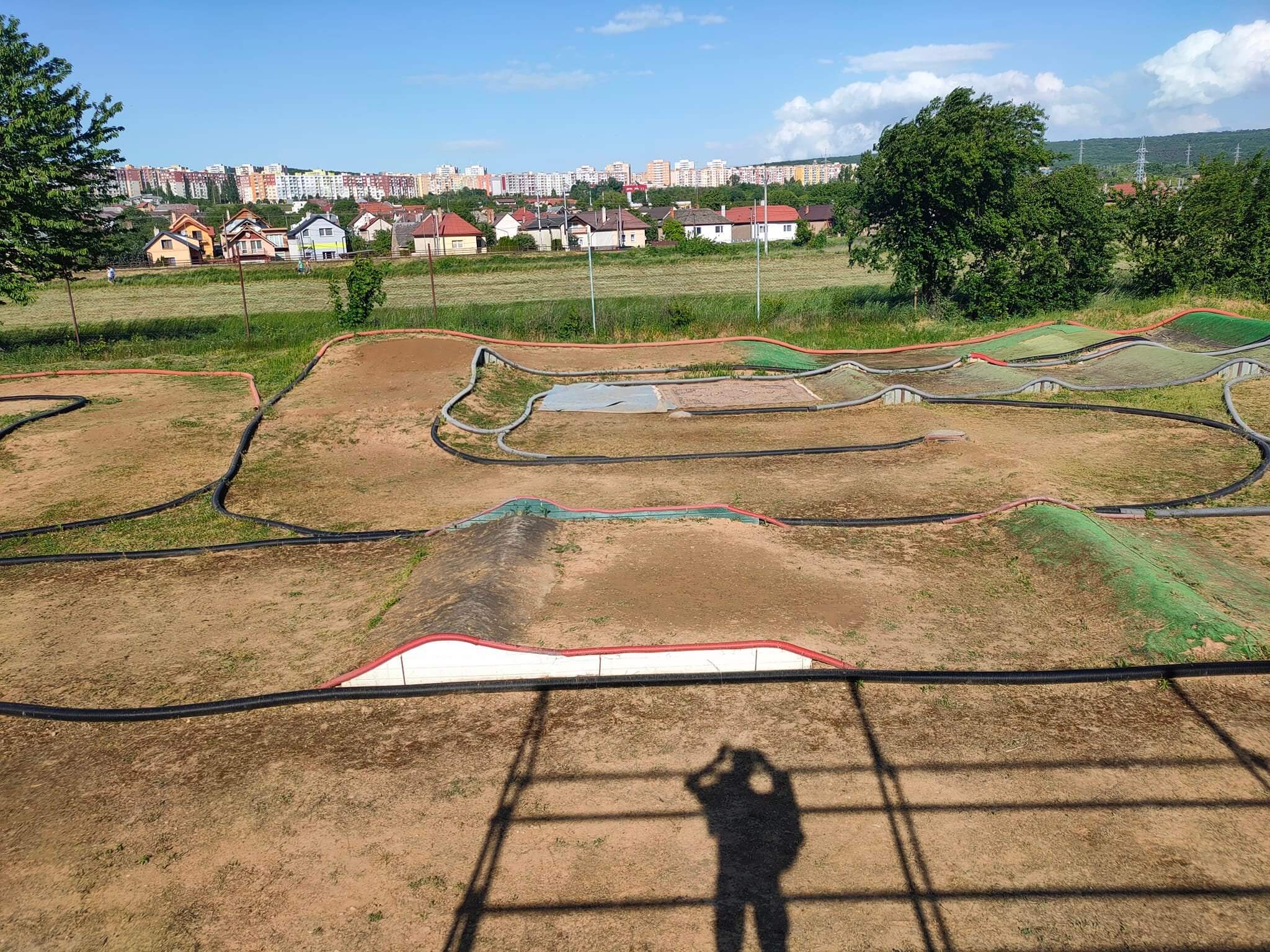
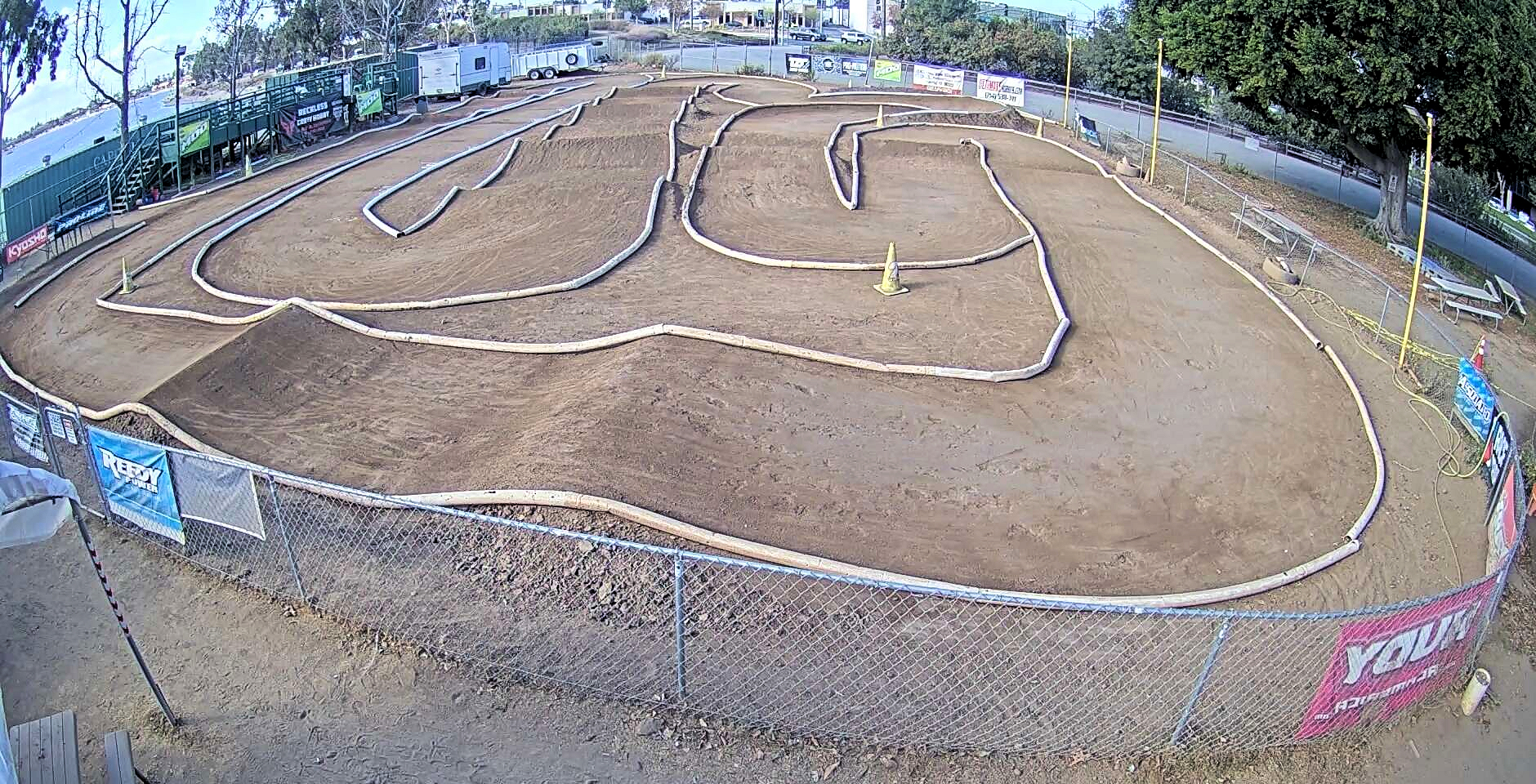
Official racing facilities feature engineered layouts with defined lanes, high-packed clay or loose dirt surfaces, structured jump profiles, driver stands, and transponder timing systems. These tracks are typically managed by dedicated clubs or hobby shops and require membership fees or daily drop-in fees to cover maintenance.
On the other hand, unstructured public parks, vacant lots, and community dirt mounds serve as informal bashing spots. While these locations are free and open at all times, they lack maintenance, run the risk of trespassing issues, and offer no protection against pedestrians, loose dogs, or weather degradation. Recognizing the difference between a competitive racing club and a casual bash spot ensures that you bring the appropriate vehicle, tools, and expectations to the location.
Step-by-Step Methods to Locate Local Tracks
Locating an off-road track near you involves casting a wide net across digital platforms, social networks, and brick-and-mortar hobby stores. Because many RC clubs rely on grassroots organization rather than extensive digital marketing, finding them requires deliberate investigation.
1. Utilizing Dedicated RC Track Directories and Forums
Several centralized databases catalog active RC tracks worldwide. Websites like RC Tech Forums and NEVERsAYnever or dedicated track finders maintained by major sanctioning bodies like ROAR (Radio Control Auto Racing) provide searchable maps and regional lists. These directories usually include track surfaces, open hours, and contact details.
2. Leveraging Social Media and Community Groups
Local RC communities have largely migrated to social media platforms. Searching Facebook for terms like "[Your City/Region] RC off-road" or "[Your State] RC racing" often reveals active private and public groups. These groups are invaluable because local racers post impromptu practice schedules, track maintenance days, and updates on temporary layouts that never appear on official website directories.
3. Contacting Local Hobby Shops
Independent hobby shops remain the beating heart of the regional RC community. Even if a shop does not have an outdoor track on-site, the staff maintain direct connections with local club presidents, backyard track builders, and regional racers. Visiting or calling a local hobby store is often the fastest way to get accurate, up-to-date information about hidden or newly established tracks in your vicinity.
Comparing Off-Road RC Venue Types
Choosing where to drive depends on your equipment, skill level, and what you want to get out of the hobby. The following table compares the primary types of off-road RC locations to help you decide where to direct your search.
| Venue Type | Typical Cost | Surface & Maintenance | Facilities & Amenities | Best Suited For |
|---|---|---|---|---|
| Club Racing Tracks | Moderate (Daily fees or yearly membership) | High-packed clay or treated dirt; regularly groomed and watered | Driver stand, power outlets, pit tables, timing systems | 1/10 and 1/8 scale buggies, truggies, short-course trucks, competitive racers |
| Hobby Shop Tracks | Low to Moderate (Hourly or daily pass) | Compacted dirt, indoor clay, or turf; maintained by staff | Restrooms, parts counter, indoor pits, hobby supplies | Practice sessions, testing setups, all-weather driving |
| Public Park Dirt Areas | Free | Unmaintained dirt, gravel, or grass; weather-dependent | None (bring your own folding table and chairs) | Bashers, monster trucks, bash-grade truggies, casual weekend driving |
| Private Backyard Tracks | By invitation only | Varies widely based on owner preference | Varies from basic ramps to full lighting and timing | Close-knit local groups, serious practice, private club members |
Essential Requirements for Visiting a Track
Once you locate a track, you cannot simply show up and start driving without preparation. Tracks enforce specific rules to protect drivers, equipment, and the racing surface.
- Vehicle Suitability: Ensure your vehicle matches the track style. A delicate 1/10 scale buggy will struggle on a rough, unmaintained public BMX dirt jump, just as a heavy, high-voltage 1/5 scale monster truck can destroy the carefully packed clay of a delicate club racing track.
- Frequency and Radio Systems: While modern 2.4GHz spread-spectrum radios have largely eliminated the old crystal frequency conflicts of the MHz era, some tight club environments still require strict radio check-in procedures.
- Safety Gear and Pit Equipment: Most outdoor tracks require you to bring your own pit table, folding chair, extension cords for battery chargers, and basic hand tools. Safety glasses and closed-toe shoes are mandatory in active pit lanes and driver stands.
- Track Fees and Waivers: Be prepared to sign a liability waiver and pay the track fee before unloading your gear. Many tracks operate on an honor system with drop boxes if you practice during weekdays when staff are absent.
Track Etiquette and Operational Rules
Maintaining a positive relationship with track owners and fellow racers requires strict adherence to unwritten and official etiquette guidelines. The driver stand is a focal point of track operations; never distract drivers while they are marshaling or racing. When your vehicle breaks down on the track, do not run across active racing lanes to retrieve it. Wait for a lull in traffic or rely on designated marshals to clear your vehicle safely.
Furthermore, respect community sound ordinances. Many residential-adjacent tracks enforce strict decibel limits for nitro-powered gas vehicles, requiring tuned mufflers or restricting nitro operations to specific afternoon hours, while electric vehicles (brushless LiPo setups) are generally permitted throughout all operating hours.
Troubleshooting Common Search Roadblocks
If your initial search for "off-road rc track near me" yields zero results within a reasonable driving distance, do not assume the hobby is dead in your area. Consider these alternative troubleshooting steps:
- Expand Your Geographic Radius: Rural and suburban areas often house large outdoor tracks on agricultural properties or fairgrounds that sit 30 to 45 miles outside major city centers.
- Look for Indoor Turf and Carpet Tracks: In regions with harsh winters or heavy rainfall, outdoor dirt tracks close for significant portions of the year. Search for indoor carpet or off-road turf tracks, which have grown significantly in popularity due to their low-maintenance surfaces and clean running conditions.
- Build Your Own Spot: If local options are completely exhausted, connect with local enthusiasts via forums to pitch in on constructing a temporary dirt layout in an approved public space or pool resources to build a private backyard track.
Next Actions for Aspiring Track Drivers
Begin your search today by opening an online map application and searching for "hobby shop" within a 30-mile radius to establish a physical starting point. Concurrently, check major racing directories and regional social media groups to cross-reference any club-managed facilities. Once you identify a promising location, reach out to the track manager or visit during a club race day as a spectator to evaluate the atmosphere, meet local drivers, and ensure your equipment aligns with the facility's class structure before hitting the dirt.
Image Gallery